You've been in Riga for a month as a FUTURES artist in residence. What have you been working on?
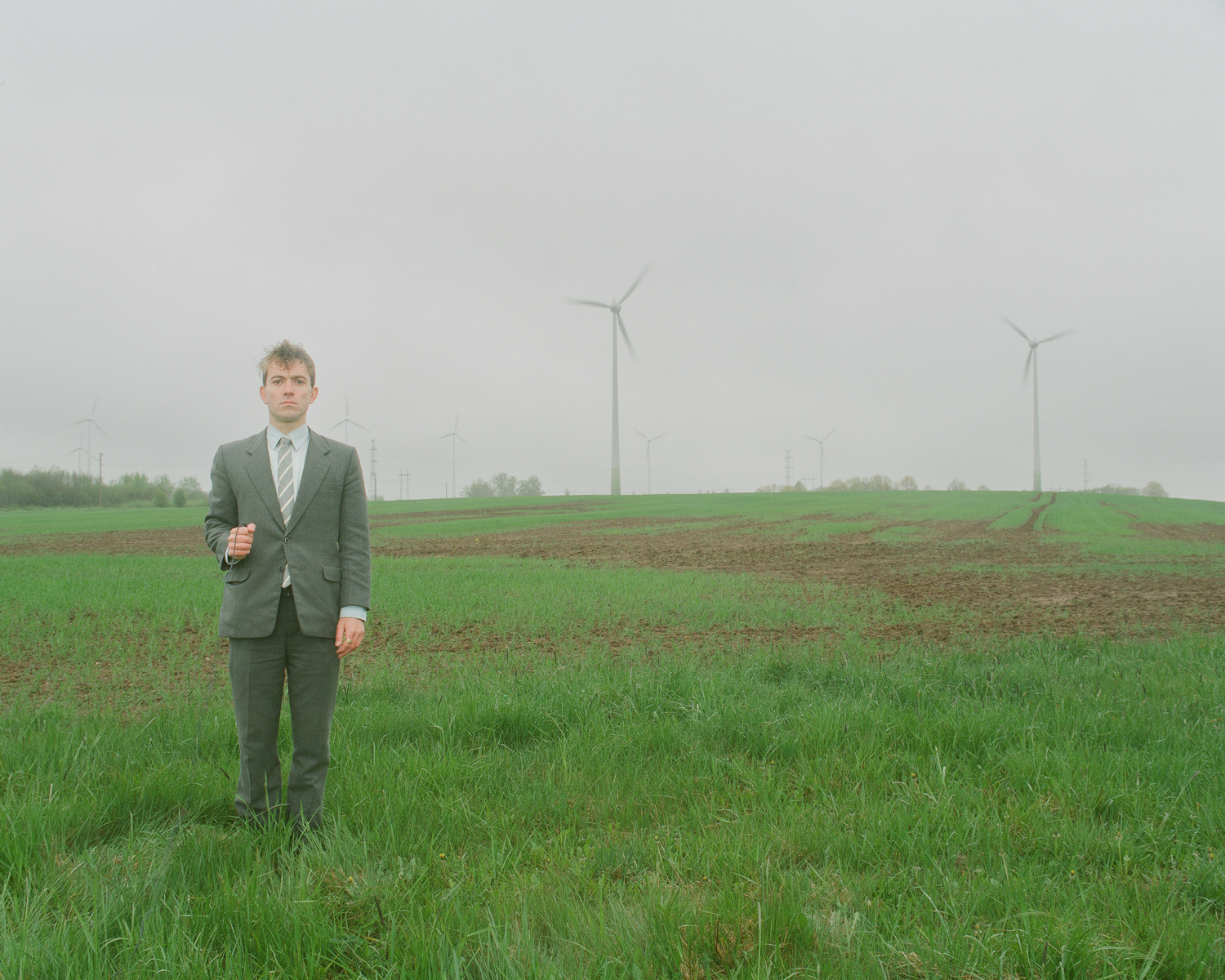
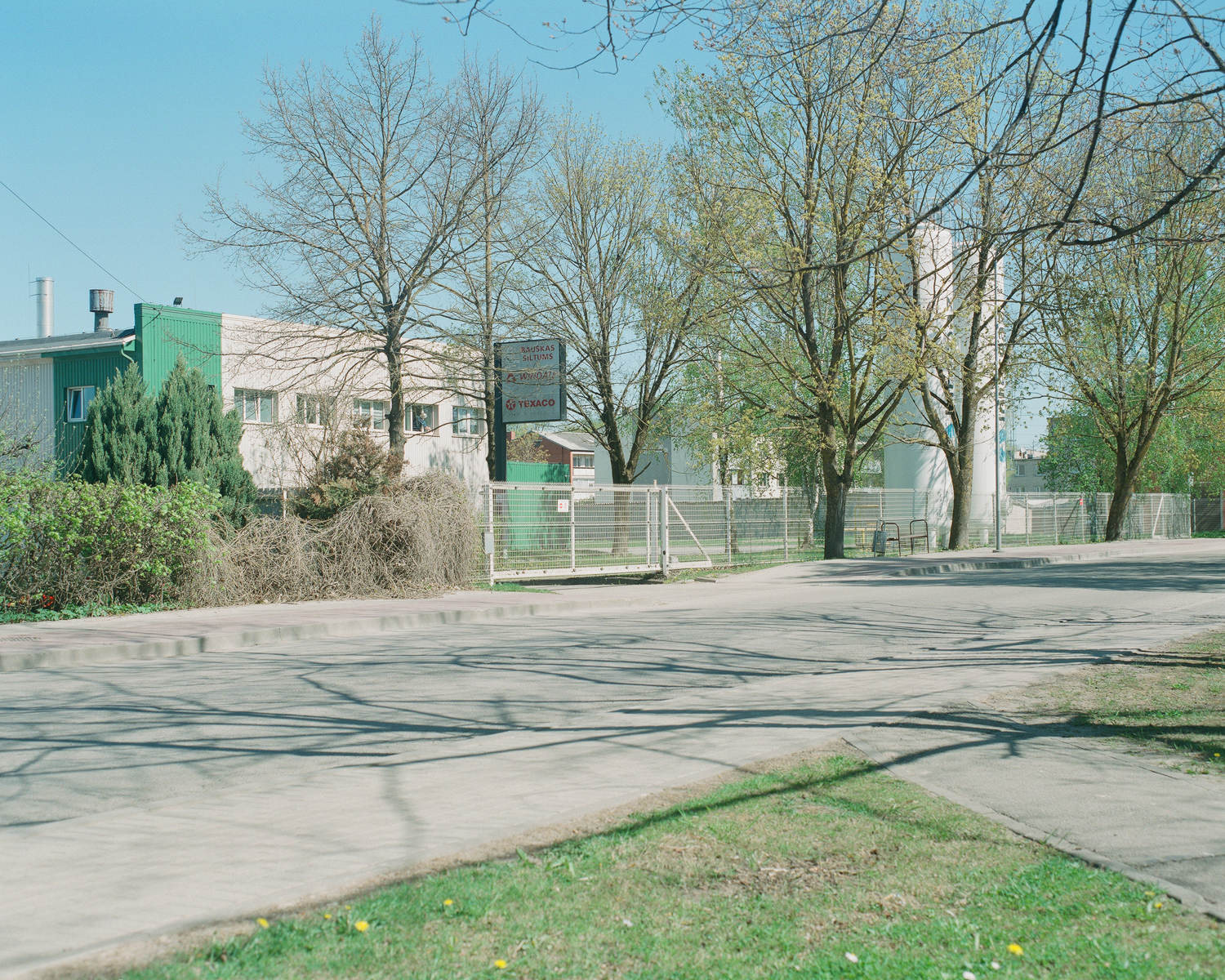
I've been working on a new body of work that considers an international legal system alongside landscape law, and how that can be discussed through the building of wind farms in Latvia. The legal system is called Investor-State Dispute Settlement, where foreign investors have the right to sue states if a state changes policy. I was interested in how this legal system subverts ideas of human rights and sovereignty. The state can't sue the investor, instead corporate power is mediated through this legal system.
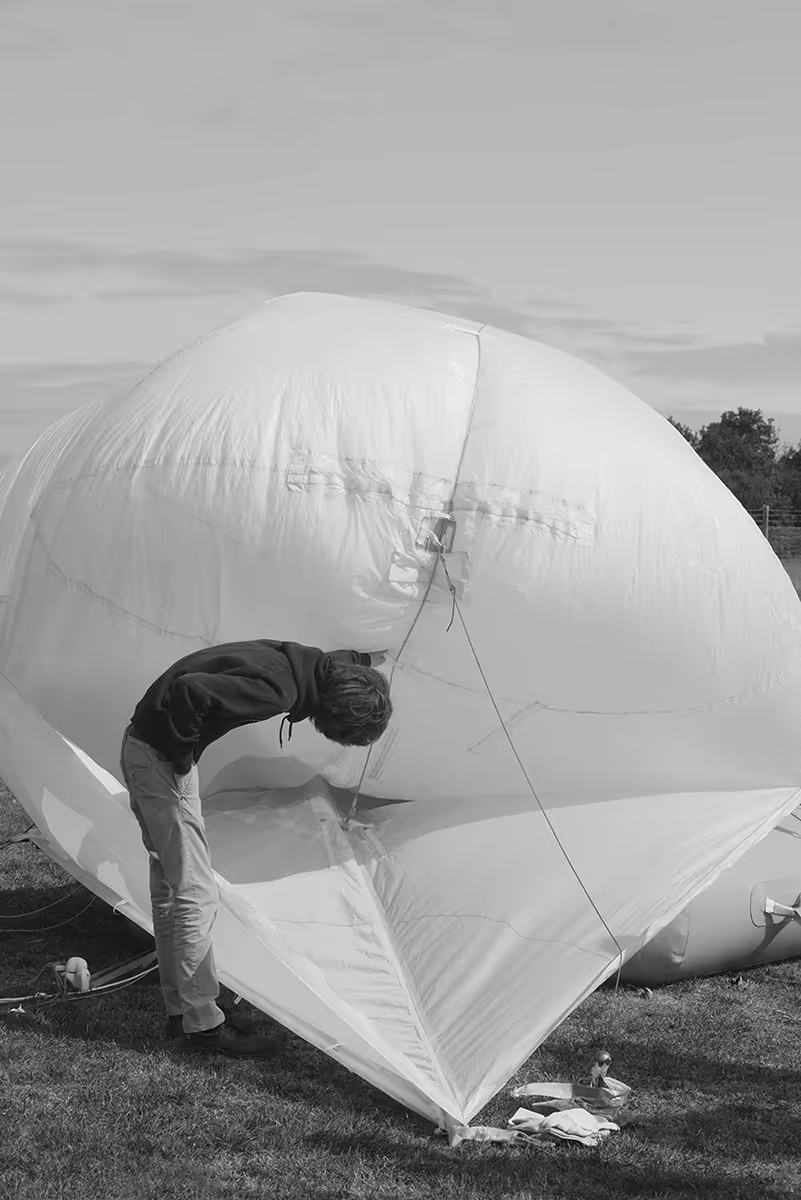
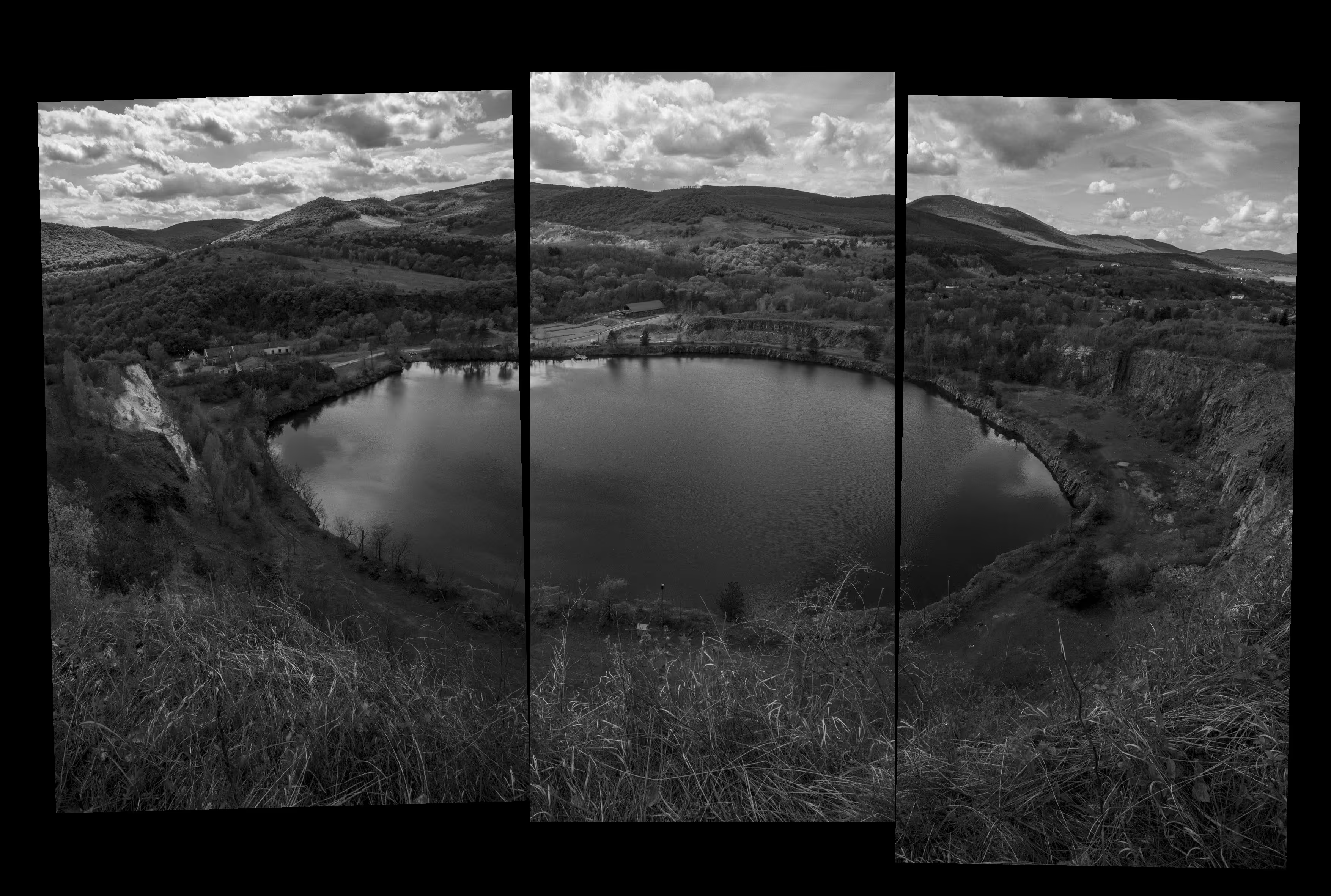
I was interested in the landscape photograph as a medium that historically has laid claim over space and territory, in the name of colonialism, and how that can be subverted through a performative bureaucratic approach that draws attention to what may seem like political decisions, but are in fact decisions dictated by corporate power. In this case a state may not want to build wind farms because there's been local resistance to it, and corporate power can then leverage this international legal system to pressure the state to do something it otherwise wouldn't.
Why and how did you become interested in wind farms?
I used to work in Investor-State Dispute Settlement and realised lots of cases had been brought against large infrastructure projects. I noticed that Latvia is one of the largest producers of renewable energy in Europe, had many such energy projects and that these have led to debates around the construction of wind farms.
These are important issues when considering energy sovereignty – Latvia breaking away from relying on energy from gas and coal power from Russia. As a result, there is a lot of Russian disinformation about wind farm construction on social media, that relies on a representation of landscape that continues to idealise it to political and economic ends.
This is what landscape photography has historically done to claim power, right? I'm interested in this power that is not necessarily where we think it is but that exists further up in structures as it does in the photograph.
In your talk you spoke about the law and photography as ways of understanding the world. What do you think they have in common and in what ways do they differ?
Previously working as a human rights lawyer, I noticed them both as mediums and mediators of truth. In documentary photography and photojournalism there's a presumption that what is in the image is true, and in the legal system that the outcomes are also true and ethical. They have also inherited forces of colonial power. I've got a difficult relationship to both law and photography, but I believe in both as systems. Through this critical approach, I am trying to use them to ask questions of each other.
Your background is in law. Why or how did you become interested in photography?
I've always been interested in it, and I had an opportunity to study an MA in Documentary Photography. Whilst studying, I was working as an asylum and immigration lawyer and became concerned with the portrayal of asylum seekers. I felt that there was less of a way of negotiating the representation of asylum seekers or their conditions in that job. Within photography, the rules could be broken, and there was some way of speaking truth to power that felt more genuine.
There's a performative element to your practice, and there's something in the work of law practitioners that is also about performance. Can you speak a bit on that?
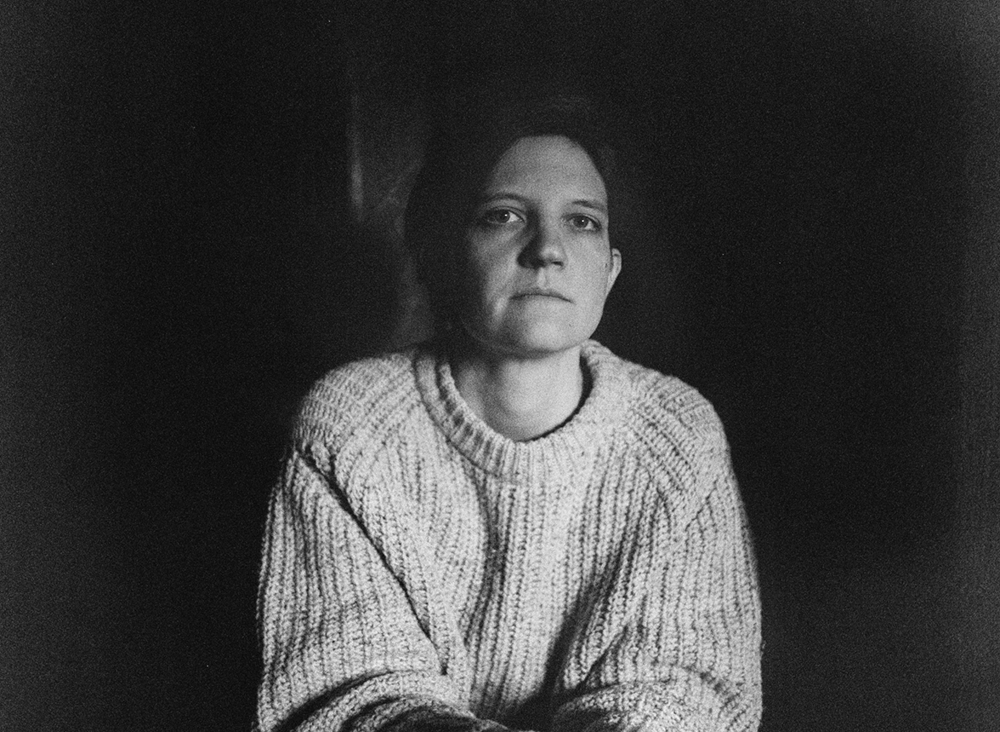
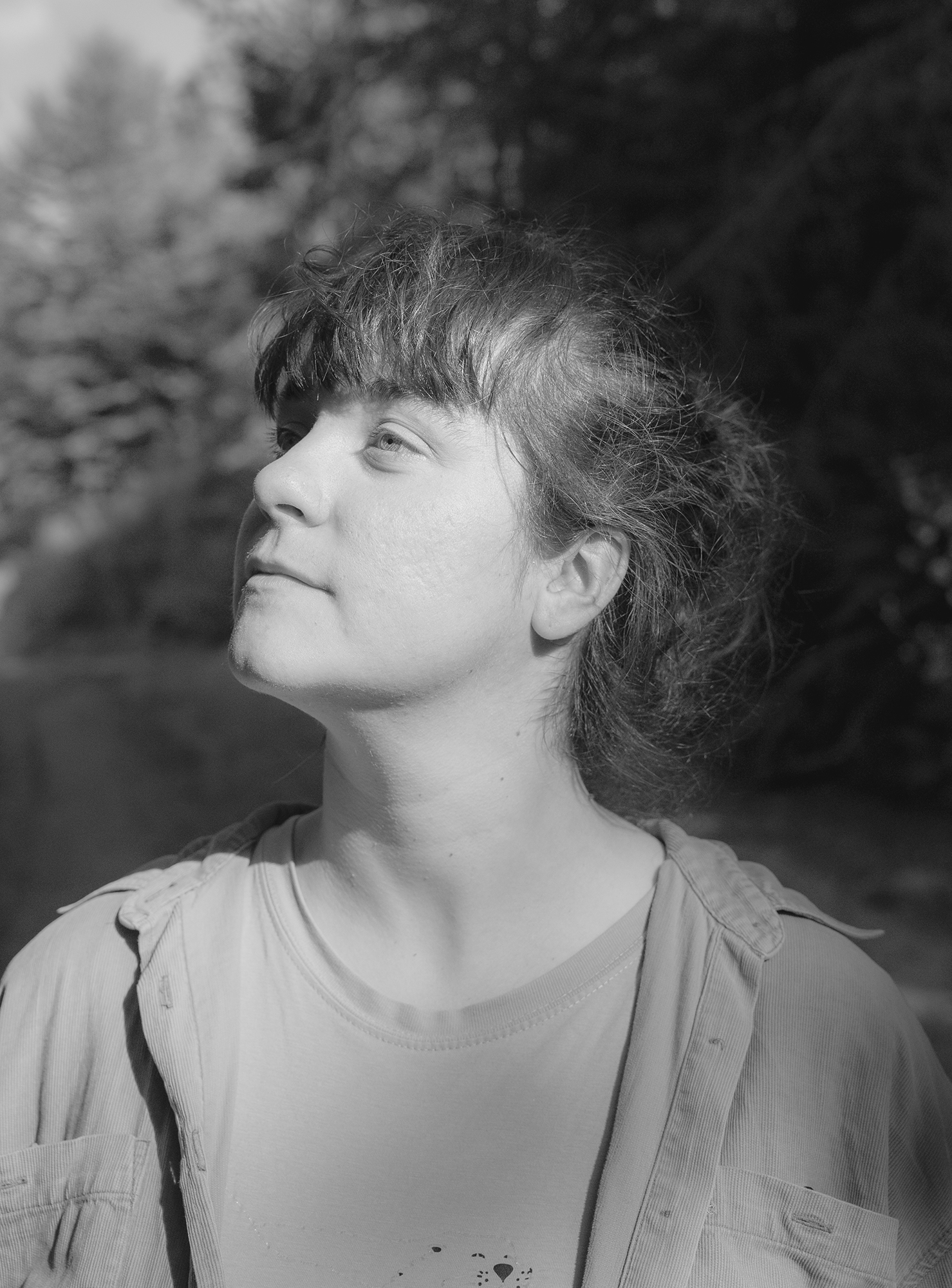
In my role as a lawyer, I had to be objective. Although I was dealing with heavy personal accounts and a broken system, I was placed into this position where I had to perform a degree of authority and emotional detachment. With photography, there's also an air of authority that you must take as an image maker that people try to negotiate in many ways. For me, the easiest way of demonstrating that authority was uncertain, was by showing the person who was making the image — look, I'm performing this idea of the photographer being able to impart knowledge whilst trying to question these ideas of authority. When I started putting myself in front of the camera I noticed a comic turn in pretending to be serious. It felt like it spoke to the absurdity of trying to represent the system and the political potential of comedy.
I'm interested in Brecht's idea of breaking the fourth wall between the viewer and the audience, so that the audience isn't under the impression that this is a natural way of constructing things. He talks about revealing the means of production to allow the viewer to understand the constructed nature of allure and emotive belief, and in doing so provide some critical agency in viewing an image.
What are you planning to work on when you get back – are you going to continue this project, or work on other things?
I had an interesting interaction with the domestic courts here where they allowed me to take some photos inside. Since, there has been an exchange between us about what photos I am allowed to publish. I'm going to follow that up as I'm interested in the court becoming a curator.
I've also been recording myself throughout my time here and asking those with me, whilst I've been making photos, to film me. I might try to put together a short mockumentary. Similar conversations about wind farms are happening in Wales and the courts there, so there is plenty more tension to explore!
.jpg)
.jpg)
.avif)



.avif)

%2520Unseen-campaign-2024-square-forweb.jpeg)

.avif)


.avif)




.avif)




.jpeg)




.jpg)
.jpg)








%252C%25202015.jpeg)