.jpg)
How and when did you start your career in photography?
I started photography in 2008, driven by a need to approach things I could not fully understand or articulate through language. From the beginning, photography was not a way for me to document reality, but a way to construct another world — a space where inner experiences could take form.
I studied photography on a scholarship at ESP School of Photography, focusing on artistic practice. My interest was never purely technical; it was rooted in a need to explore memory, absence, and the darker, less visible aspects of existence.
Photography became a way for me to remain within these questions, rather than resolve them.
What themes and questions interest you most, and how do you explore them in your work?
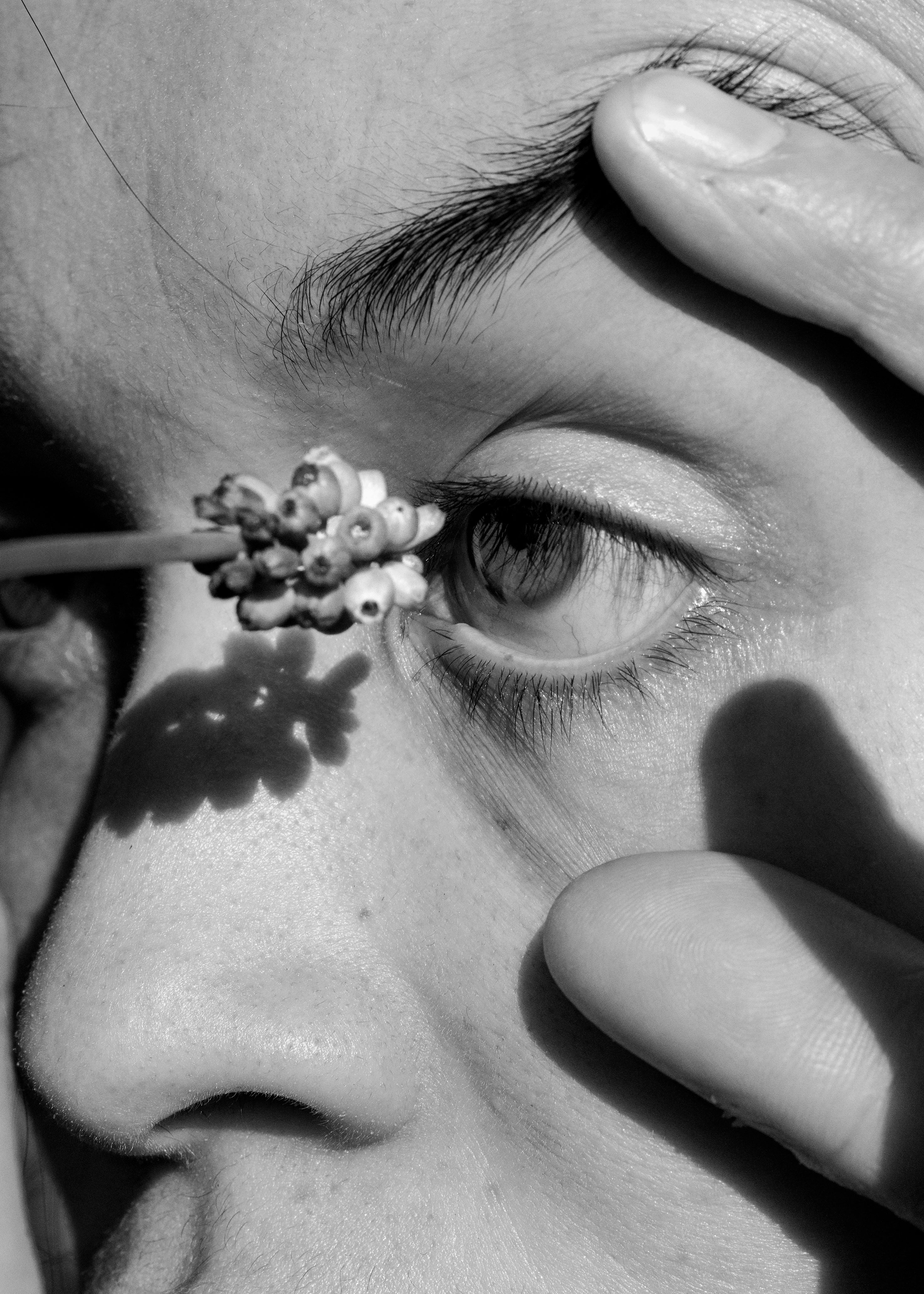
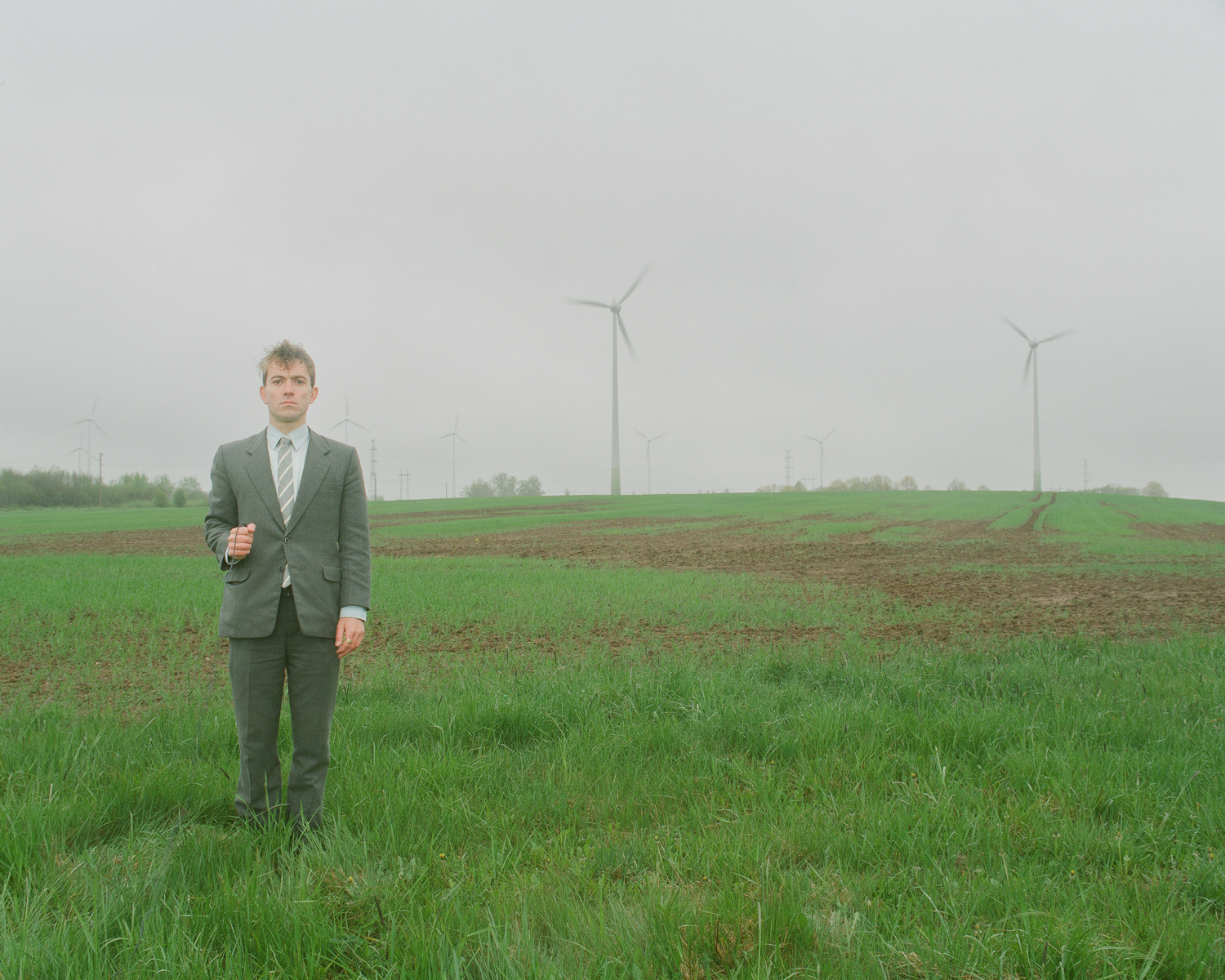
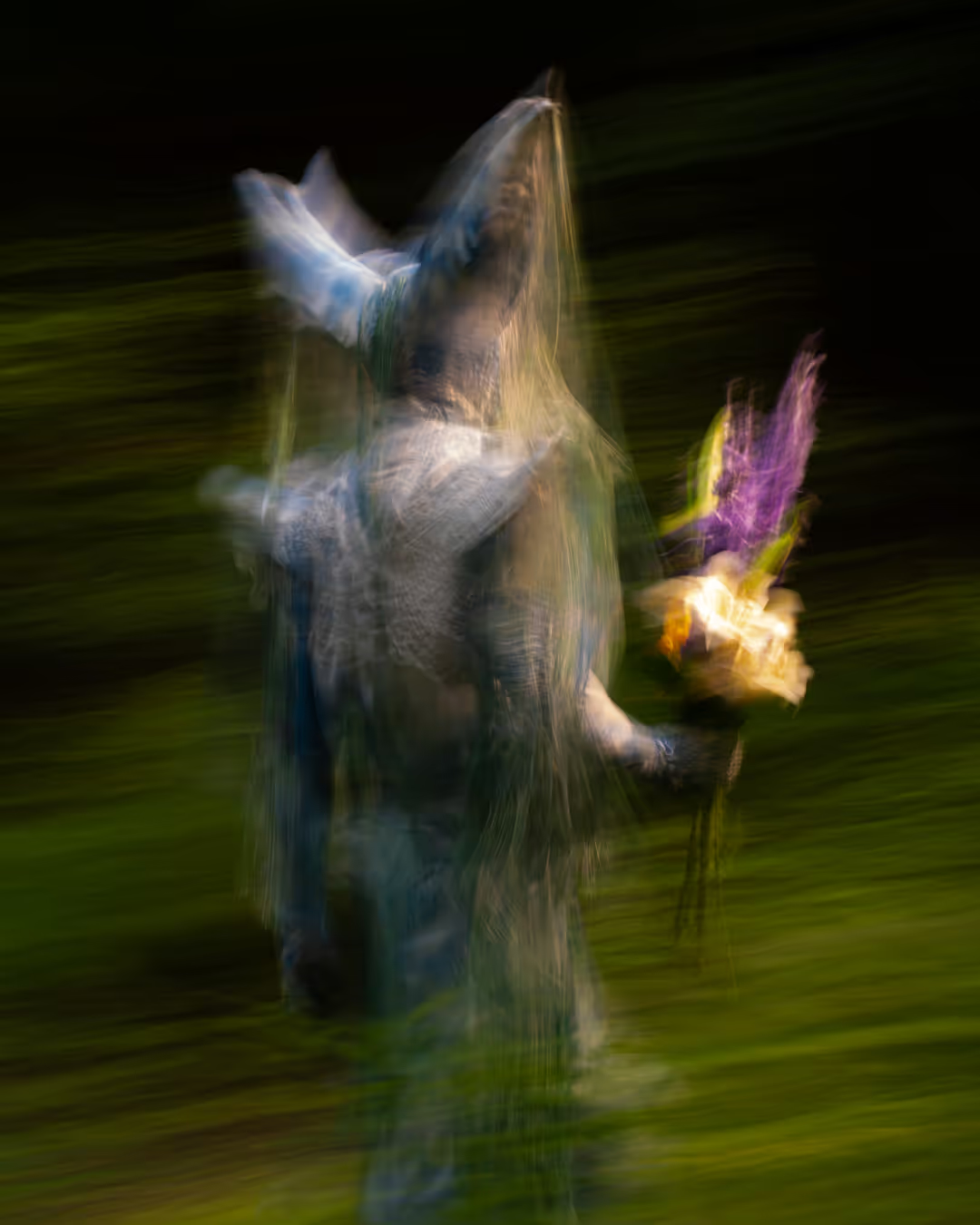
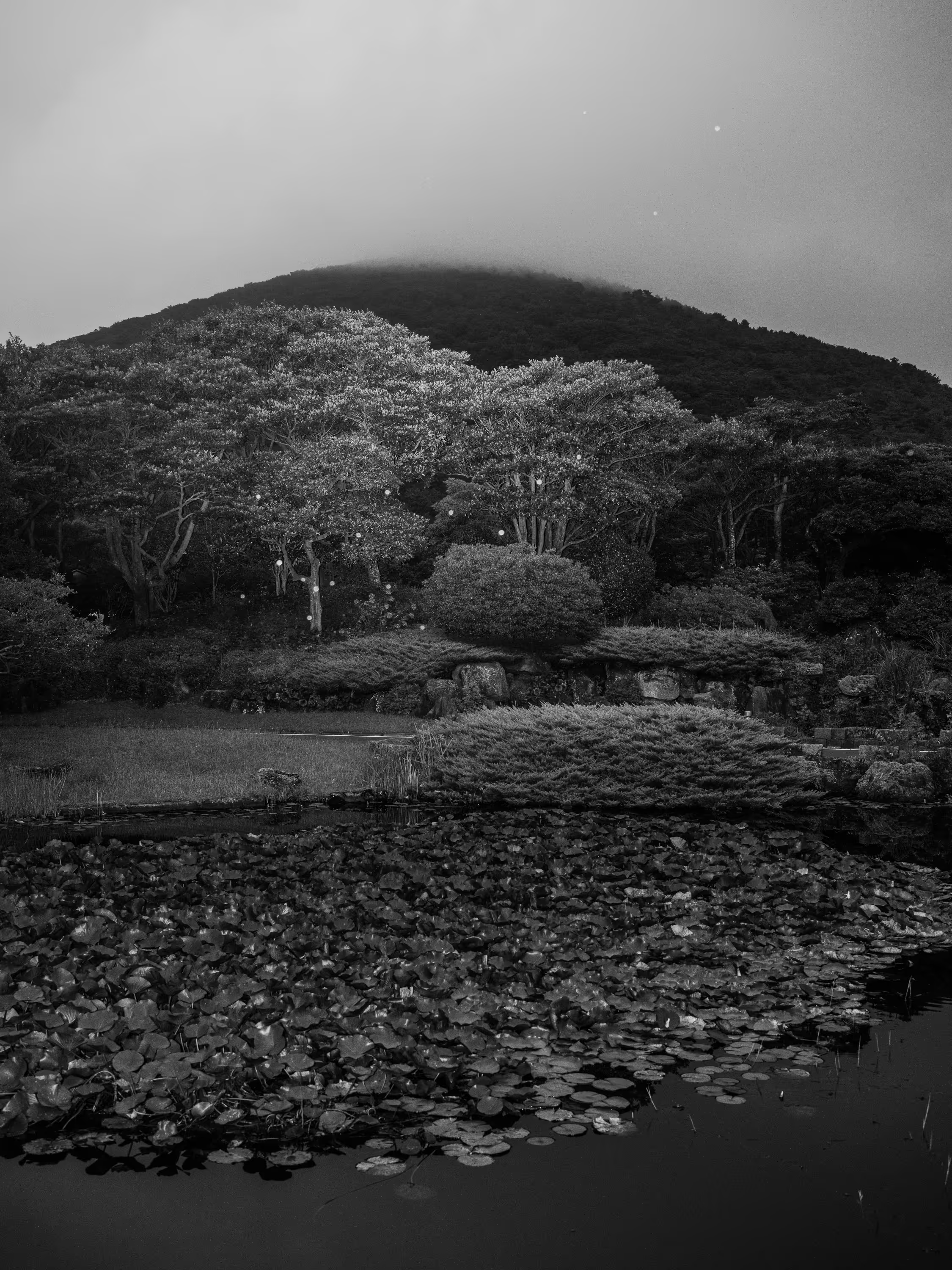
My work revolves around the construction of inner landscapes, where sorrow, emptiness, and absence do not function as emotions, but as conditions of existence.
Death plays a central role in my practice — not as an event, but as a constant, underlying presence that shapes the way I see and construct images. It operates like an invisible outline around every moment, influencing my relationship to time, memory, and representation.
I am interested in how reality dissolves and what remains once the obvious is removed — fragments, traces, silences. This is the space I attempt to work within.
Visually, I work with distance, framing, and restriction of the gaze, creating images that do not offer immediate access but rather a sense of separation. This distance is essential; it reflects both the impossibility of full understanding and the need to remain within what cannot be explained.
My images do not attempt to provide answers. They function more as traces — as echoes of an inner landscape where emptiness and sorrow take form.
What are you working on during the FUTURES residency programme? How does your current project relate to your previous photo series?
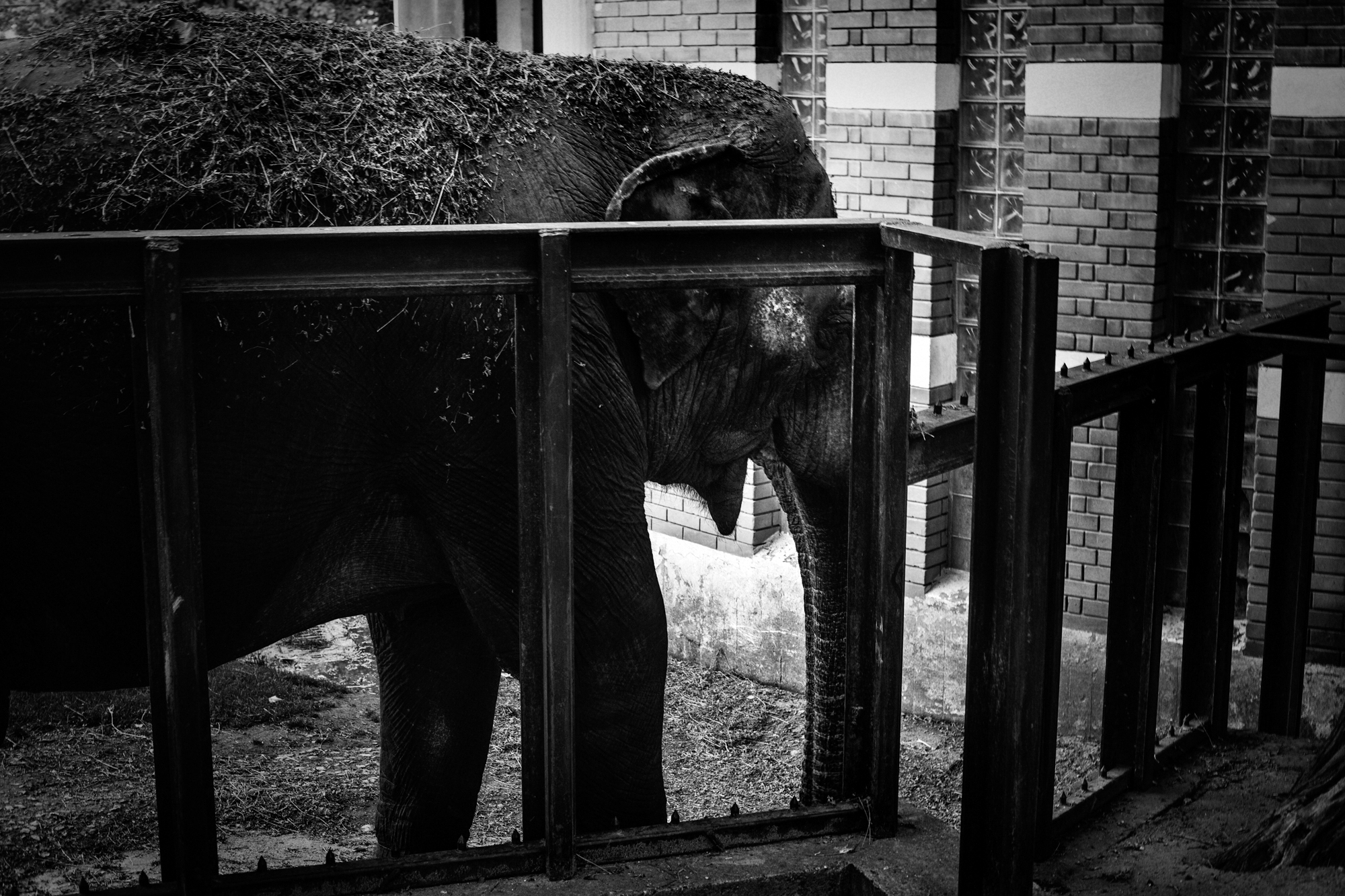
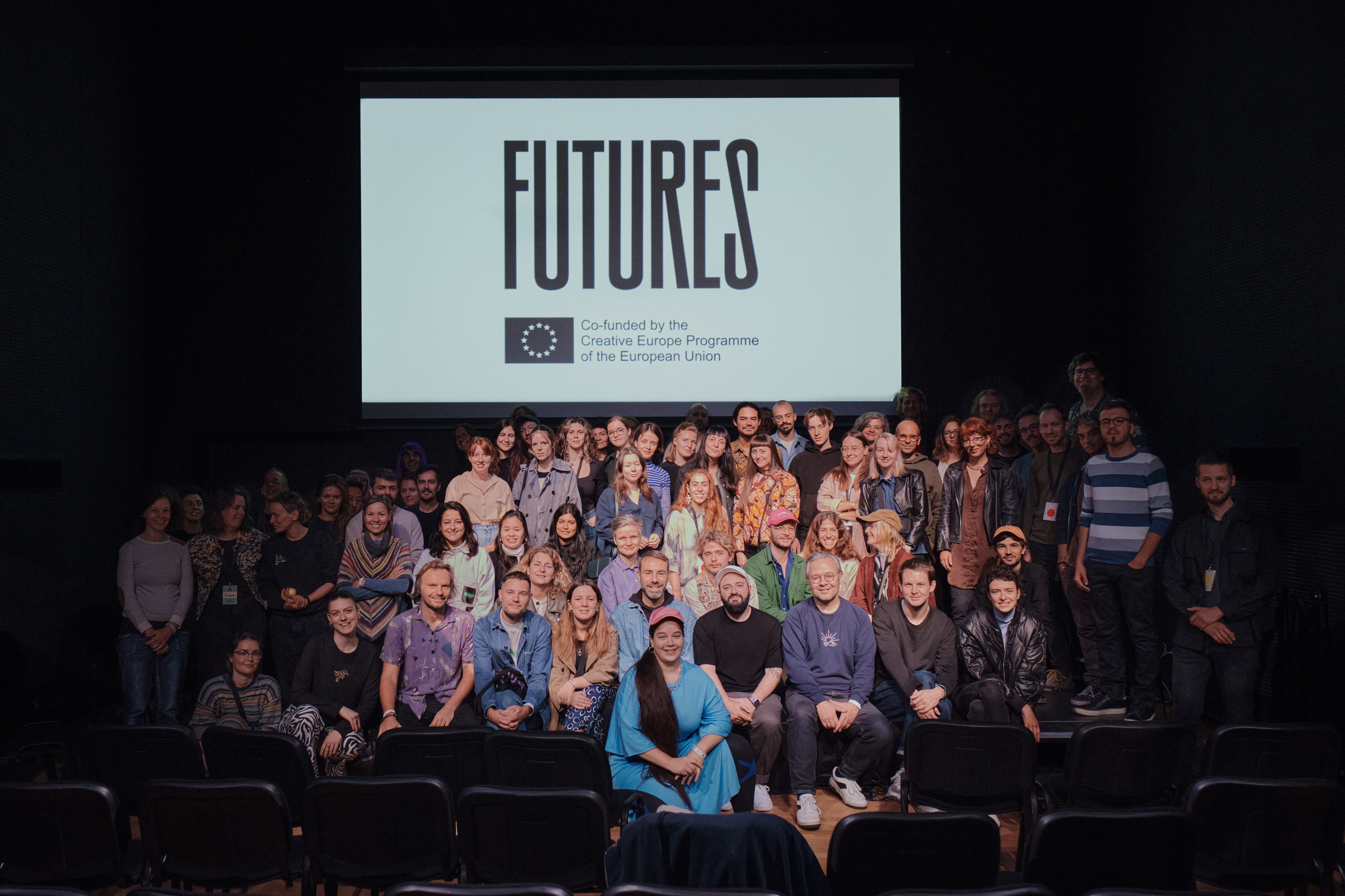
During the FUTURES residency in Budapest, in collaboration with the Robert Capa Contemporary Photography Center, I am working on a project titled The Silence of the Beasts.
The project examines zoos as constructed environments — spaces designed to appear natural while being entirely controlled. It explores how power operates through space, distance, and visibility, and how living beings are transformed into exhibits.
In relation to my previous work, this project marks a shift from an entirely internal landscape to an external, structured environment. However, the core remains consistent: the construction of a reality where perception is mediated and controlled.
Silence, absence, and incompleteness remain central elements, now embedded within a system of observation and display.
.jpg)
How has your research been going so far? Which locations did you visit and where did you take photos during your time in Budapest? Who did you collaborate with, and who helped shape the series?
The work has been developing through observation and repetition. I have been photographing primarily at the Budapest Zoo, spending extended periods of time observing both the animals and the behavior of visitors.
The process is slow and requires patience. What interests me is not action, but stillness — the absence of reaction, repetition, and a sense of resignation that gradually becomes visible.
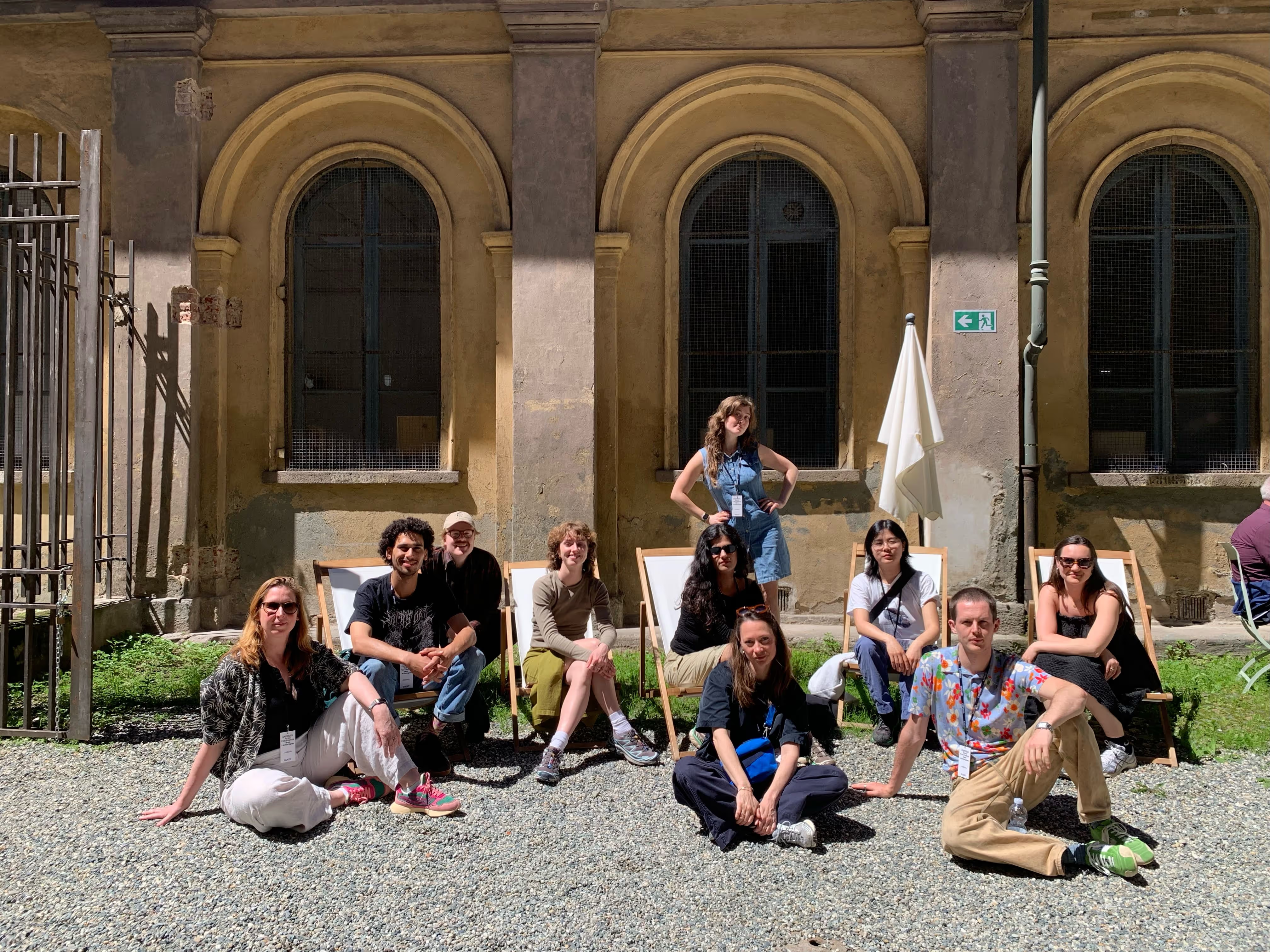
The residency environment and the ongoing dialogue with the team at the Robert Capa Contemporary Photography Center have played a crucial role in shaping the work. In particular, my collaboration with Szakács E. Bíborka (program coordinator), Mucsi Emese (curator), and Szilágyi Anna Magdolna (online manager) has contributed significantly to the development of both the conceptual framework and the visual direction of the series.
What are your plans for the future? How do you plan to continue this project and the related research after the residency?
I plan to continue this project beyond the residency, expanding the research to other zoological gardens and similarly controlled environments in different countries.
My intention is to build a broader body of work that examines how systems of display, control, and observation operate across contexts, and how “difference” is constructed and presented.
At the same time, I aim to deepen the theoretical framework of the project, connecting it with historical references and broader questions around power and representation.
Ultimately, the project will evolve into a larger photographic series and exhibition, potentially incorporating archival and research-based elements, maintaining a balance between image, space, and narrative.
.jpg)
.jpg)
.avif)



.avif)

%2520Unseen-campaign-2024-square-forweb.jpeg)

.avif)


.avif)





.avif)




.jpeg)




.jpg)








%252C%25202015.jpeg)