When I think of the word ‘photograph’, I think of a still image, a proverbial ‘moment captured.’ Not necessarily a static image (images rarely are!), but an image fully contained within itself.
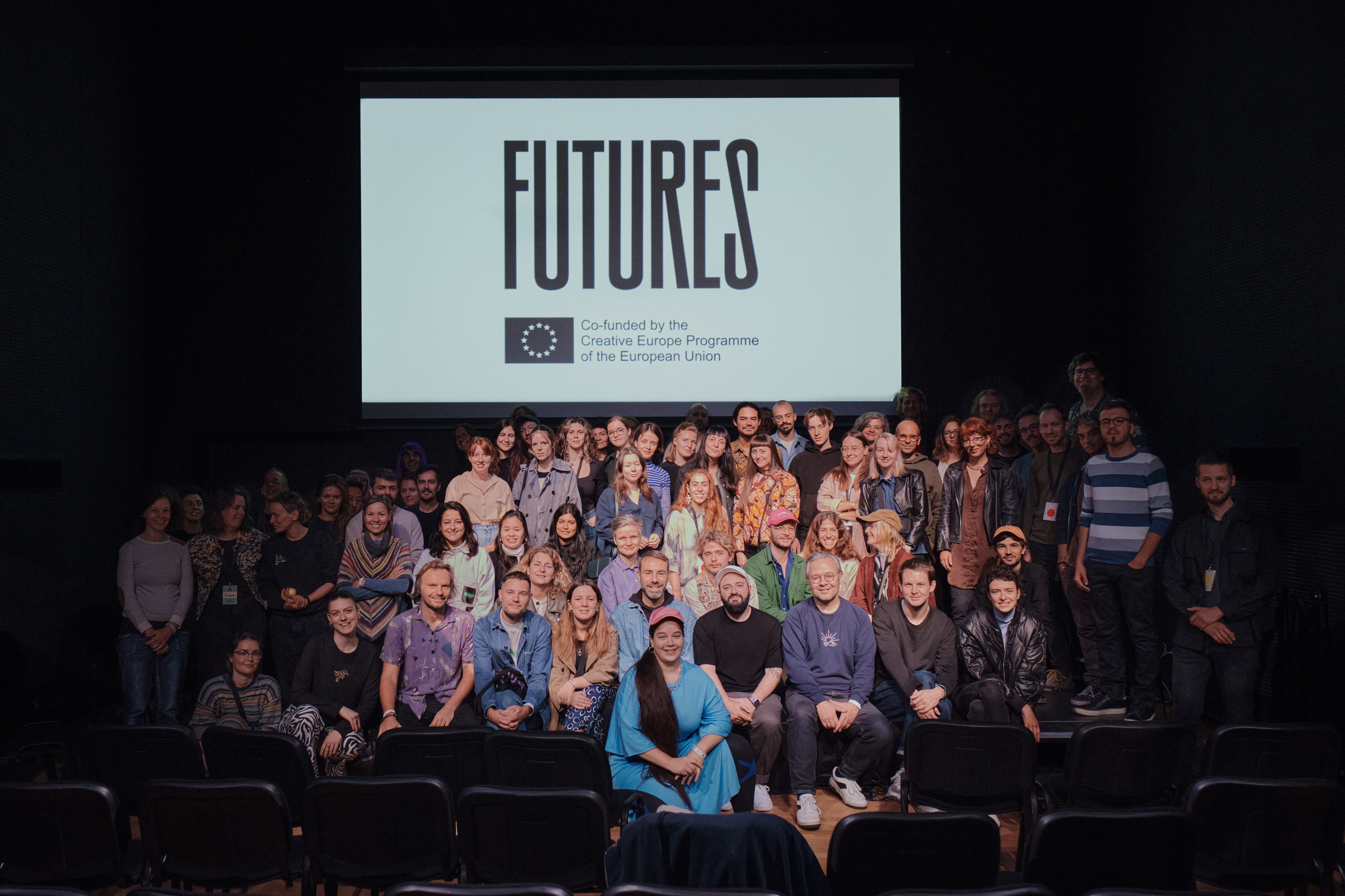
I found my perspective challenged, however, when I had the pleasure of meeting Ignacio Navas in his temporary studio at FUTURES, where he was a resident in January 2026. Navas is a photographer from Tudela, Spain, who approaches photographic images from an interactive and computational perspective. With a background in documentary photography, Navas is interested in researching how dominant political, economic, and social structures are made evident in everyday life. Through his projects, he seeks to challenge the ways in which these dominant structures shape and inform human lives.
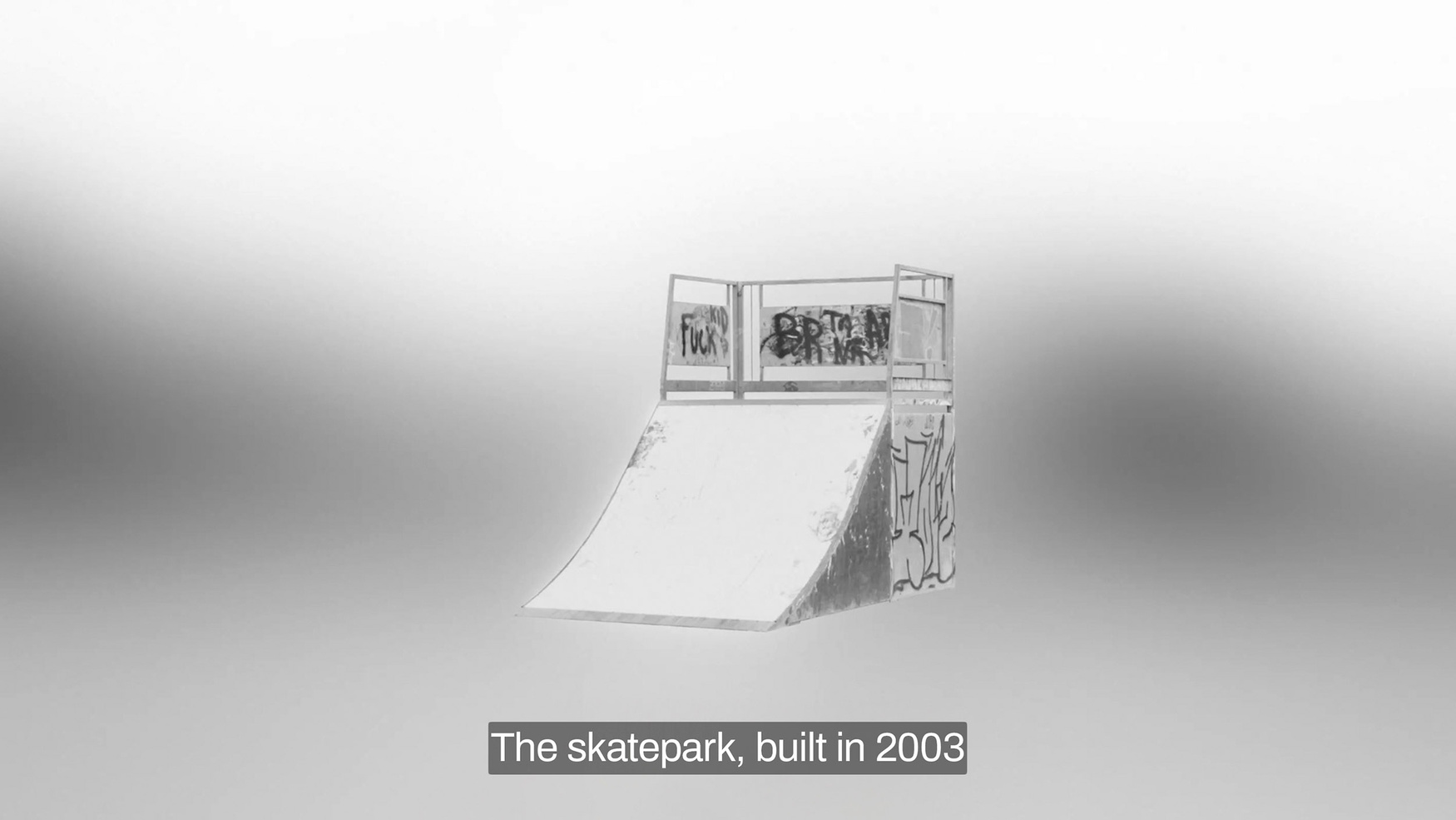
After working with the language of documentary photography for several years, Navas decided to expand his practice into new territories. ‘I wanted to retain a documentary approach, as well as the idea of photographic narration, while moving into other formats. So I decided to develop an interactive project, a kind of video game, similar to a visual novel or a walking simulator. In this project, I bring the viewer to the local skatepark of Tudela, my hometown in Spain. Through photographs, found documents, and audio recordings, the viewer discovers the testimonies of a group of friends who spent their adolescence at the skatepark in the early 2000s. I titled the project KICKFLIP, in reference to both the eponymous skating trick and the tumultuousness of the teenage years. Being able to land a skating trick requires practice, and I see the kickflip as a metaphor for adolescence: trying things, failing, trying again. This is what KICKFLIP is ultimately about: the attempts and failures of teenage life, told in the protagonists’ own voices.’
.jpg)
‘Though I’m always personally involved in the project I make in some way – an idea has to resonate deeply with me before I commit to it – I don’t usually take an autobiographical approach to my projects. KICKFLIP is an exception to this, as the group of friends that the project is based on is my own, and as a result, I myself appear as one of the characters in the narrative. I like to think of KICKFLIP as a collective, choral project in which smaller, personal histories take center stage. There’s something healing about the project, in this regard: in working through my friends’ stories, as well as my own, I’ve come to realize the extent to which our individual experiences were shaped by the place we grew up in, and the values and overall mindset that were prevalent there. The work explores the various challenges that are inherent to the teenage years, such as academic performance, sexuality and relationships, the risks of substance abuse, and the discovery of self through music and subcultures.’
Navas shows me a beta version of KICKFLIP, as the work is still in progress. While exploring the landscape of the game, I realize that I’ve never seen analogue pictures be used in a videogame before. It’s interesting to look at these pictures in-game, to see the places and people featured and realize that all of them really exist – for now, at least. This realization imbues the project with a sense of vulnerability and urgency, at least for me, as a viewer who isn’t familiar with the landscape featured in the game, yet instantly recognizes the teenage struggles described by the game’s characters (that is, Navas’s friends). KICKFLIP isn’t just an interactive work by virtue of the playable arena that it offers; it also invites the viewer to reflect on their own teenage experiences, and the triumphs and tribulations that make up a (young) life.
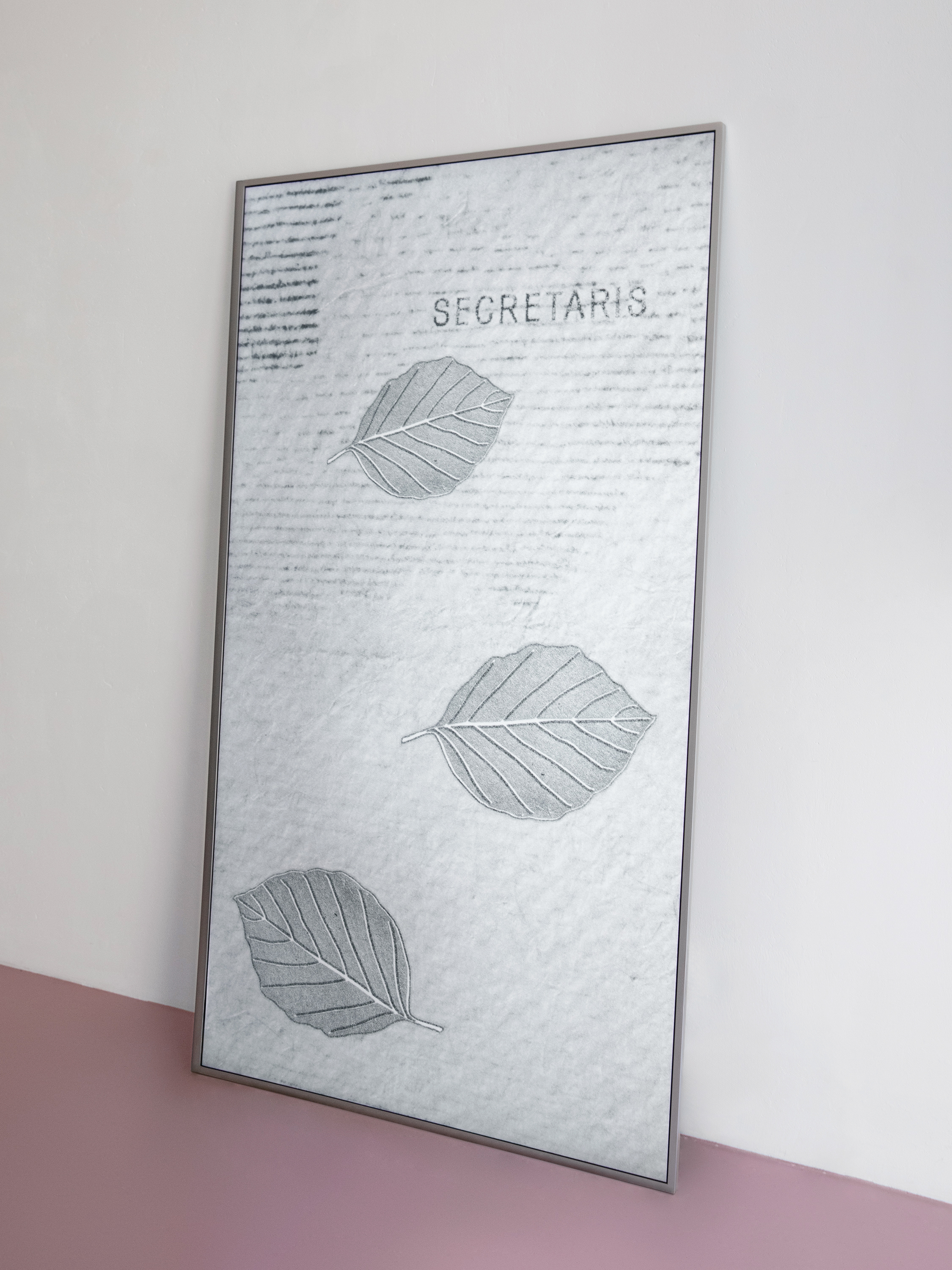
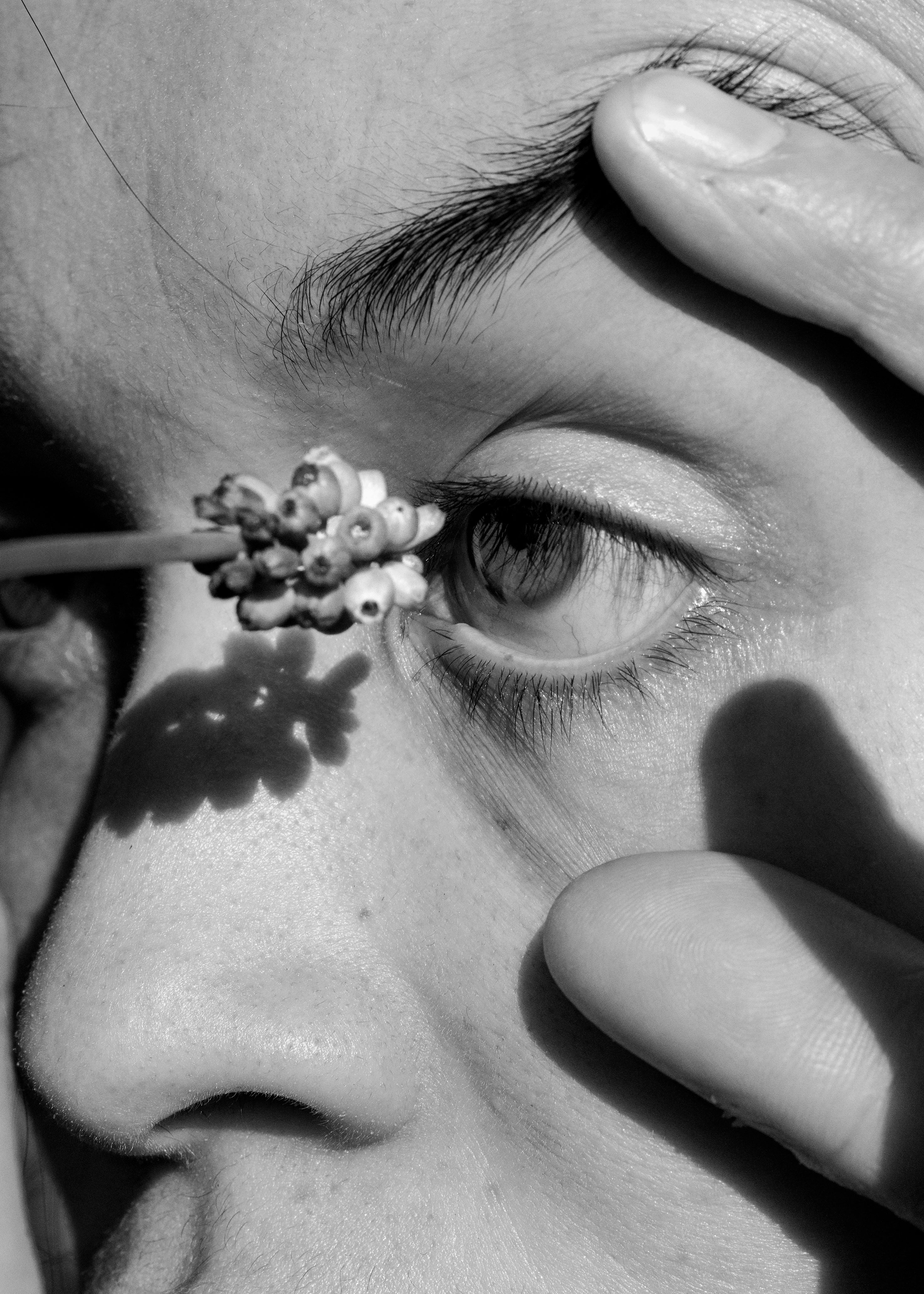
During his time at the FUTURES residency program, however, Navas has mainly been focusing on new work. His latest project, ORACLE, is a computational photographic project that reimagines Italian artist Luigi Ghirri’s classic work Atlante (1973) within the contemporary financial landscape. Ghirri was interested in how landscapes are represented in media and, in particular, how landscapes are represented through a system of signs: the symbols we use to signify natural structures such as forests, mountains, and seas. For Atlante, Ghirri sought to interrogate these symbols by photographing a geographic atlas with a macro lens.

.jpg)
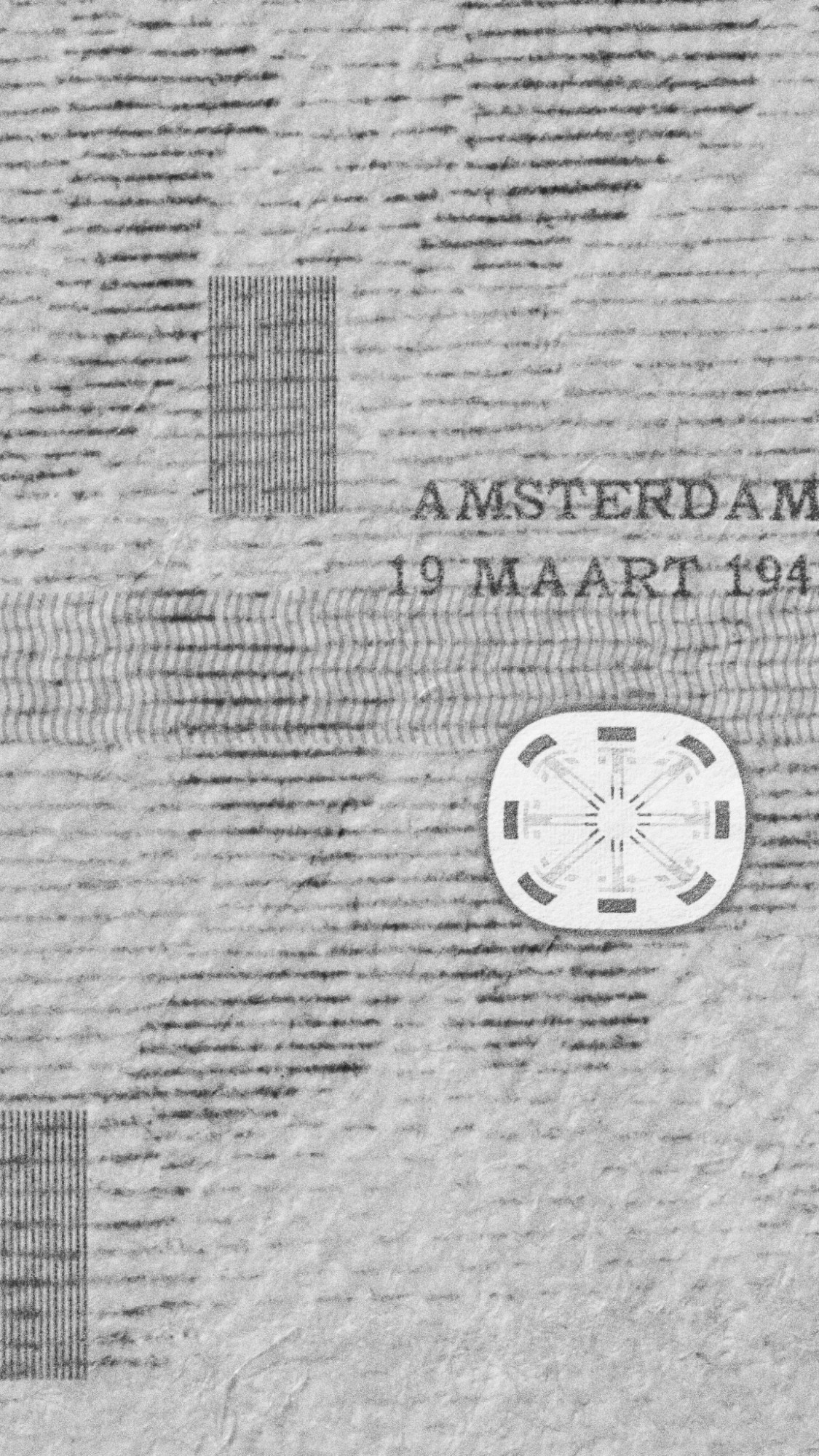
‘In ORACLE,’ Navas explains,’ I wanted to work with signs that aim to project wealth, stability, progress, and power. So I turned my gaze to the banknotes, everyday objects that portray what a country was proud of at the time they were issued, the official narrative. During this month in Amsterdam, I have been searching for historical Dutch guilder banknotes and photographing them to extract their iconography. I use these images to feed a Processing sketch I coded here, which generates one image per day, driven by the opening values of the AEX, the main index of the Amsterdam Stock Exchange. In this case, the interactivity is not with us; the work is a procedural script that responds directly to market expectations and the greed, or fear, of shareholders, reframing historical symbols through new tensions and logics. Whereas Luigi Ghirri created beautiful images that work like whispers, inviting us to imagine mountains, rivers, or cities, the images generated by my script are meant to function as omens: cryptic predictions shaped by shifting financial ambitions.'
.jpg)
.jpg)
.avif)



.avif)

%2520Unseen-campaign-2024-square-forweb.jpeg)

.avif)


.avif)






.avif)





.jpeg)





.jpg)
.jpg)









%252C%25202015.jpeg)