.jpg)
For FUTURES Artistic Director Salvatore Vitale, this reality was one of the starting points behind FUTURES EDU, a new educational initiative designed to support artists as they navigate contemporary practice.
"Education is a very important part of an artist's journey," he says. "The question for us was how we could create something that helps artists deepen their practice and develop their own voice."
Rather than creating an alternative to existing educational programmes, FUTURES spent time examining what was already available through universities, postgraduate programmes and professional development initiatives. The result was a programme built around three areas that repeatedly emerged as significant for contemporary practitioners: professional practice, technological change and publishing.
The Invisible Work Behind an Artistic Career
For many artists, one of the biggest challenges begins after the work is made.
Through annual surveys and ongoing conversations with artists across Europe, FUTURES repeatedly encountered the same challenge. While artists were developing strong creative practices, many felt underprepared for the professional realities that surround their work.
Grant applications, project proposals, contracts, administration, pricing, fundraising and professional networking all play a role in sustaining a creative career. Yet these skills are often learned informally through trial and error.
"Nobody tells you that being an artist also means being an entrepreneur," says Menno Liauw, Founder and Director of FUTURES. "You need to organise your administration, write applications, understand contracts, present your work, navigate legal questions and build professional relationships. In most industries there are extensive training programmes for these skills. In the arts, that support is often missing."
This understanding informed The Artist’s Practice Lab, a masterclass led by Rebecca Simons that focuses on the structures that support sustainable artistic careers.
As Liauw puts it, "The stronger your professional foundation, the more time and energy you can dedicate to your work."
Photography After the Technological Shift
Alongside professionalisation, another question continues to shape contemporary photography: how do artists respond to rapidly evolving technologies?
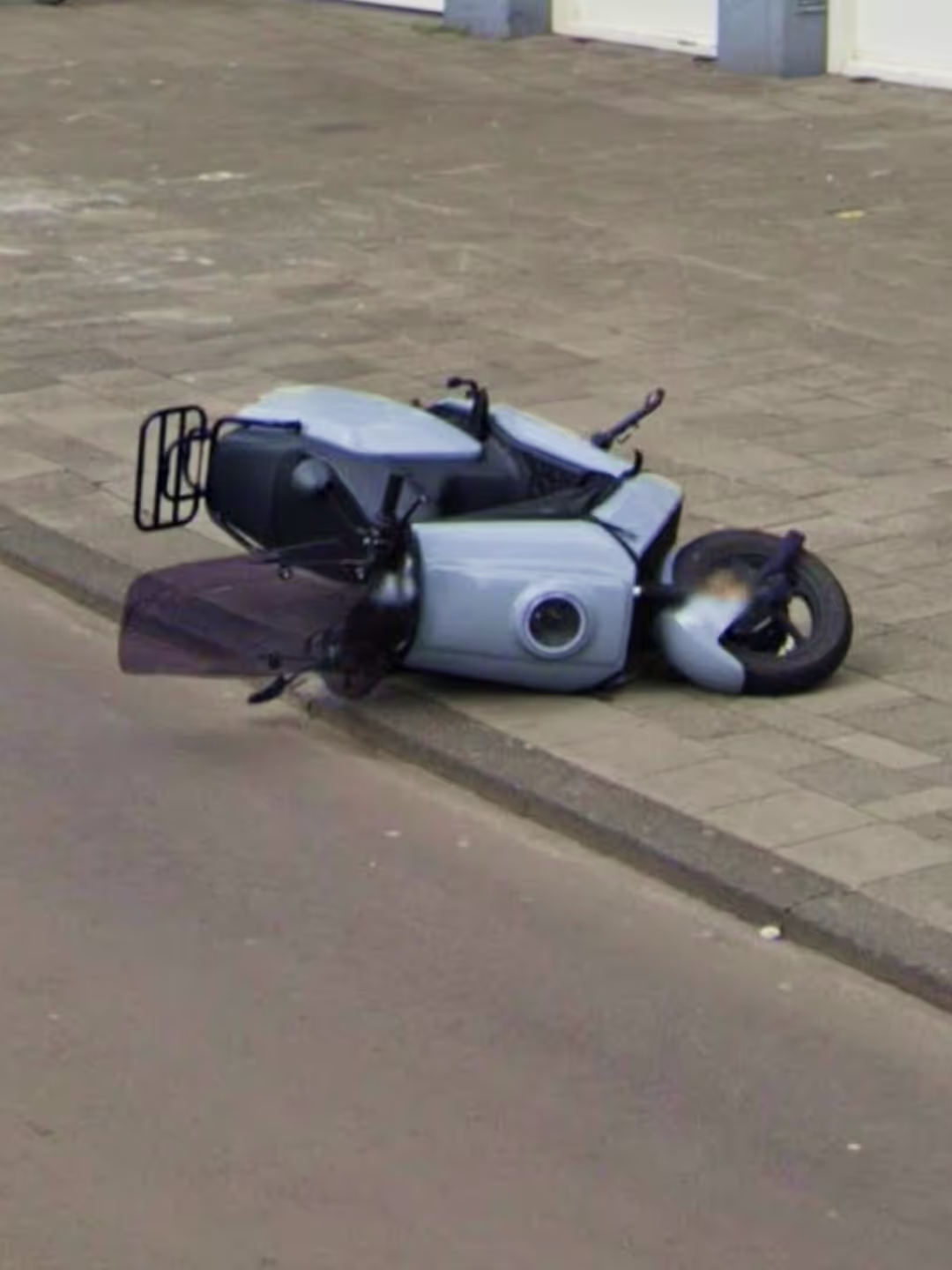
The emergence of AI-generated imagery, synthetic media and new forms of image production has transformed the visual landscape. Yet for Vitale, the most important questions are not purely technical.
"It is no longer only about how images are produced," he says. "It is also about understanding their role, how they circulate and what they mean once they enter the world."
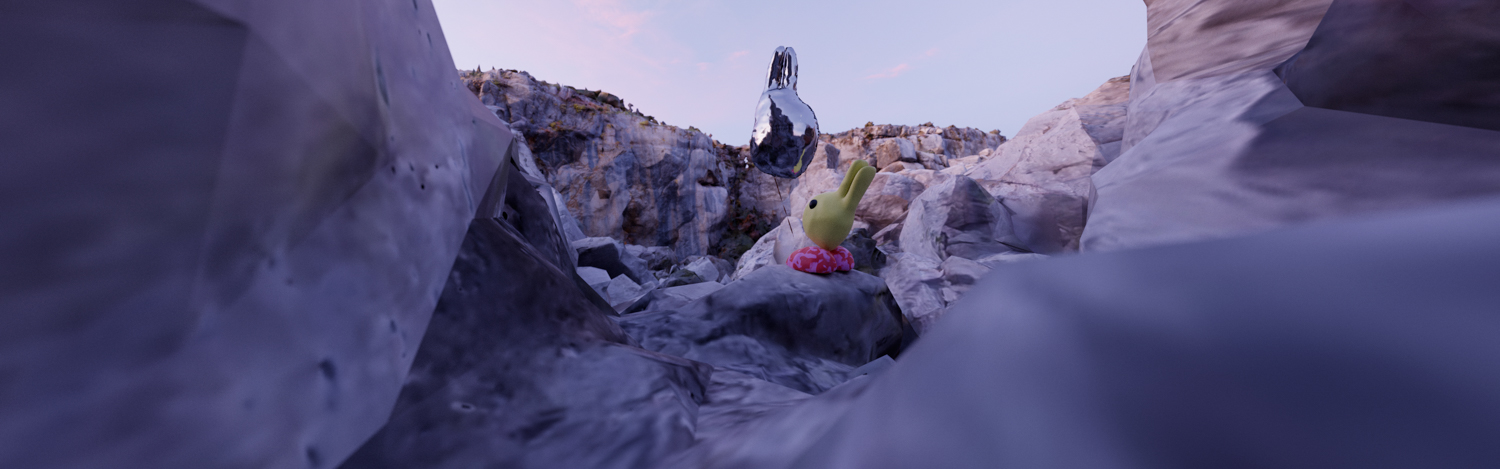
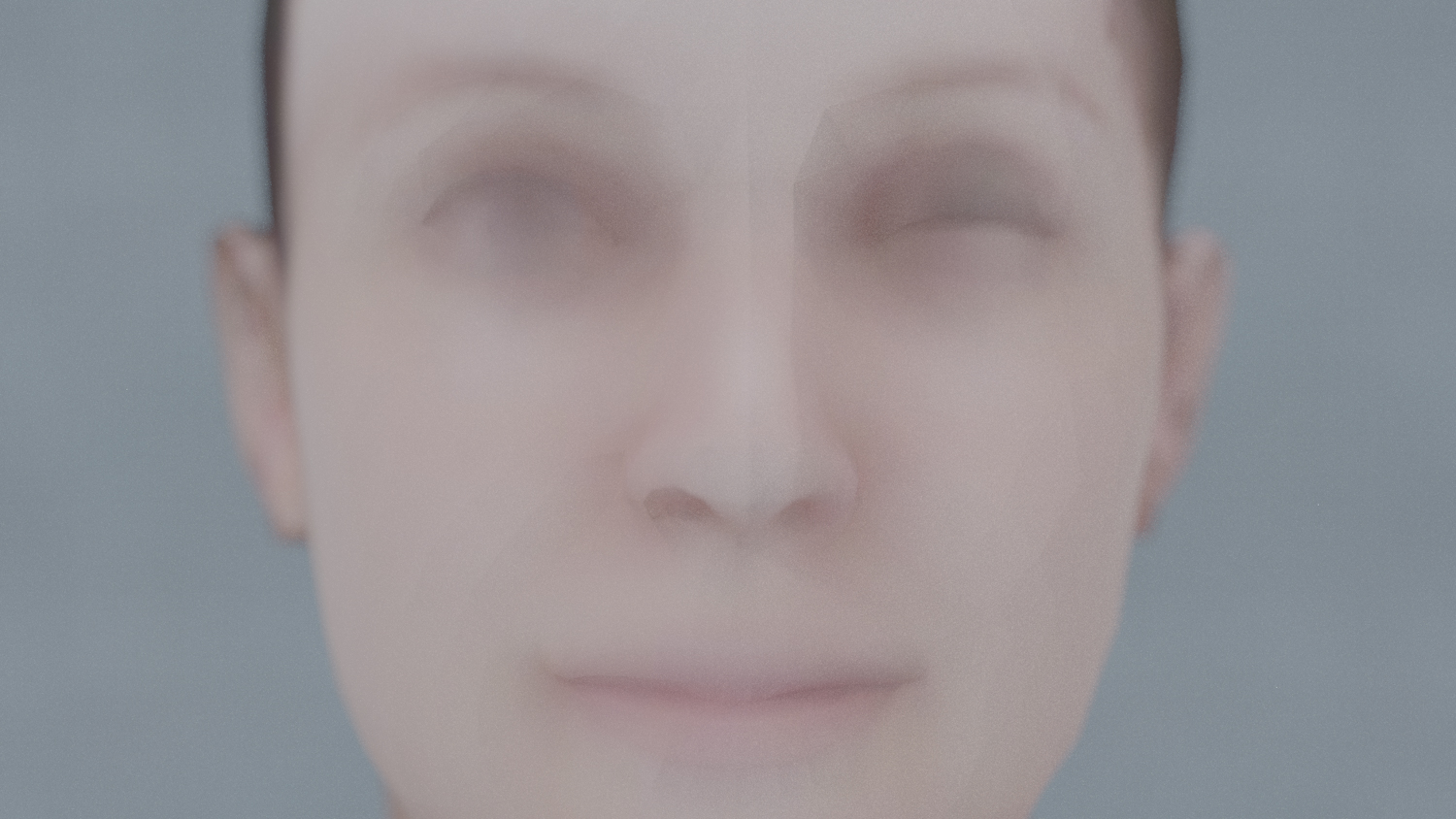
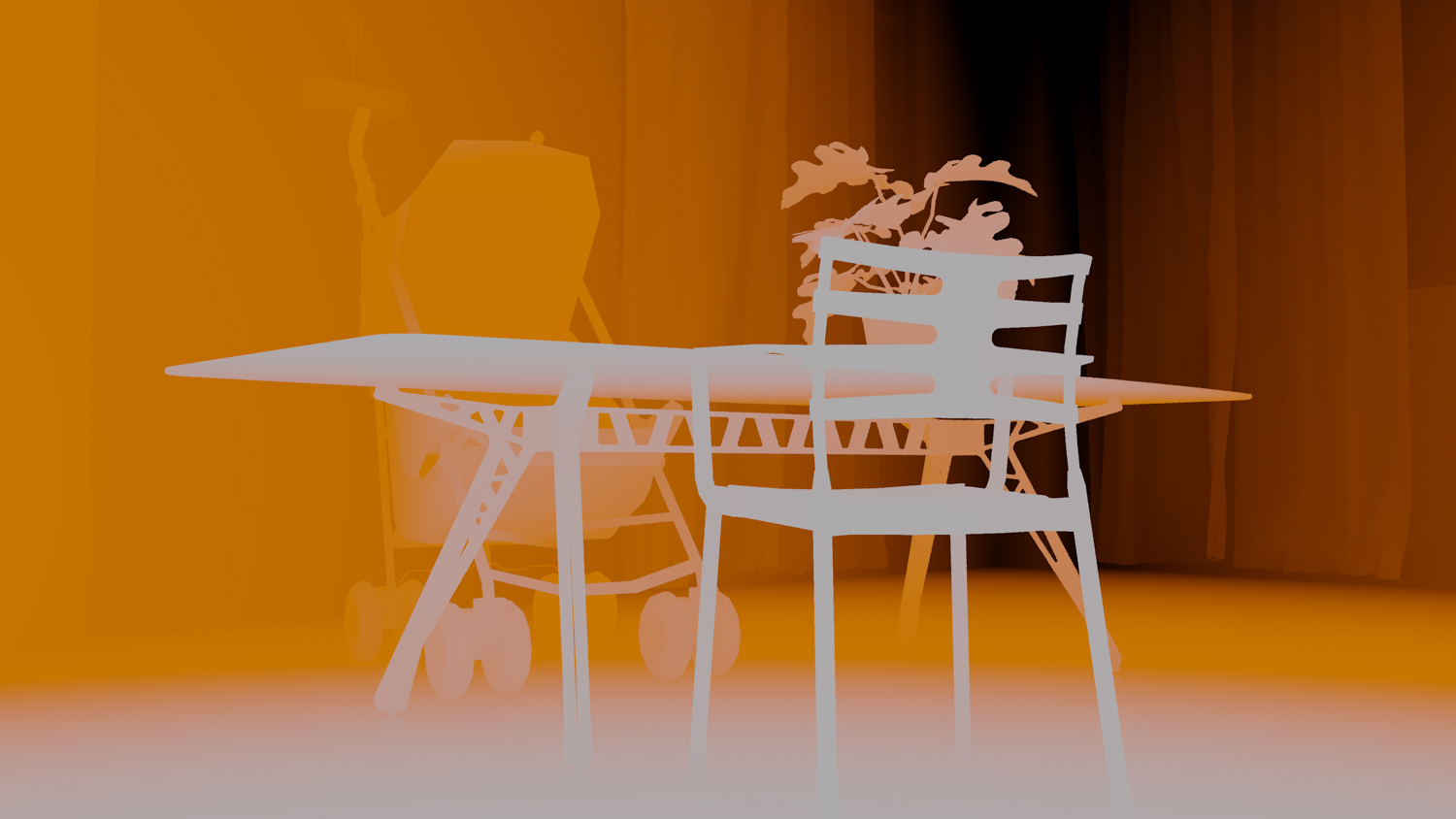
These questions form the foundation of New Image Lab, led by artist Simone Niquille. The course combines experimentation with critical reflection, encouraging participants to consider not only what technology makes possible, but what responsibilities and implications accompany those possibilities.
"The production of images is becoming so overwhelming that it is not anymore about how we produce these images, but very much about reflecting on how these images are made, for whom, and what kind of life they undertake after they are produced," says Vitale.
Why the Photobook Still Matters
At the same time, one of photography's oldest formats continues to hold relevance.
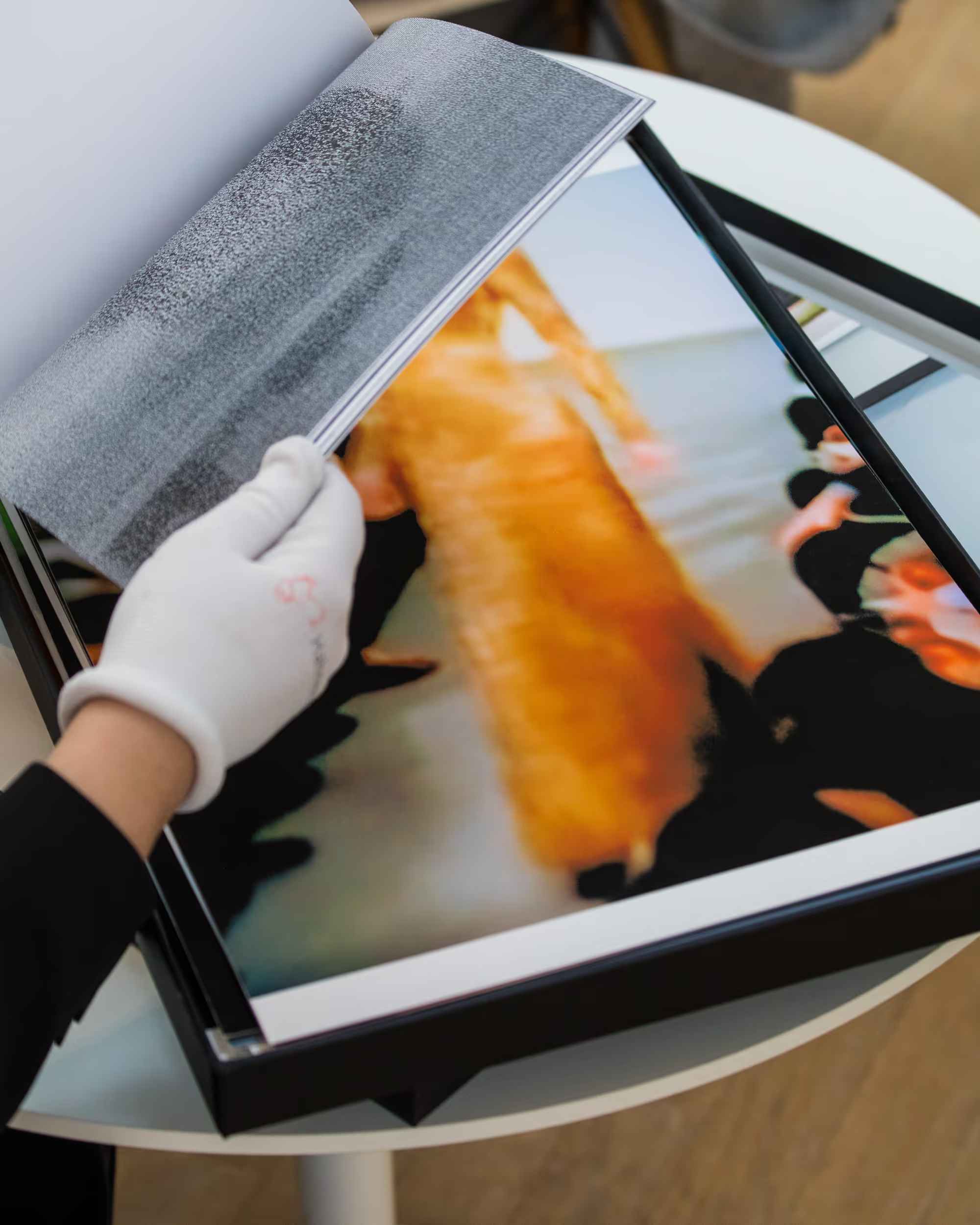
Despite the dominance of digital platforms, the photobook remains a vital space for artistic expression. Unlike the fragmented experience of online viewing, books allow photographers to control sequencing, pacing and material experience.
For Vitale, the photobook remains significant because it offers artists a space where work can exist on its own terms.
"Photobooks have always been one of the preferred mediums for photographers to show their work," he says. "The book really helps artists disseminate their work and makes it accessible. It is also timeless."
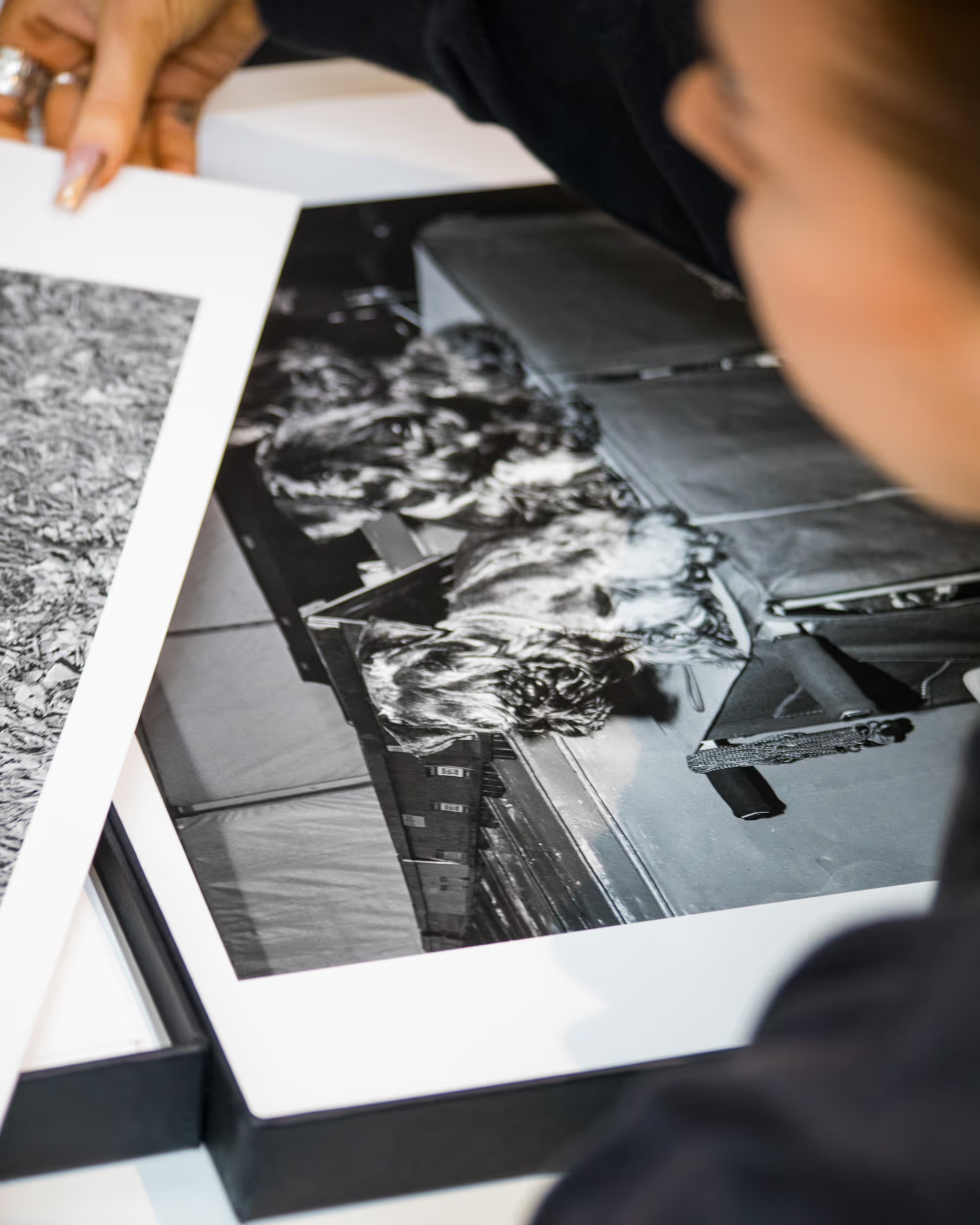
This idea sits at the centre of The Photobook Lab, led by Valentina Abenavoli. The masterclass approaches publishing not simply as a method of presenting photographs, but as an artistic practice in itself.
Through experimentation with design, materials and narrative structures, participants are encouraged to think of the book as an artwork rather than a container for artworks.
"Valentina thinks beyond the book as a platform to showcase work," says Vitale. "The book becomes an artwork, where design, materiality and photography come together to create a complete experience."

.jpg)
Navigating Contemporary Practice
Taken together, these themes point towards a broader shift in how artistic development is understood.
Technical skills remain important, but they are only one part of a much larger ecosystem. Building a sustainable practice requires professional knowledge, critical thinking, adaptability and a willingness to engage with changing conditions.
FUTURES EDU was developed in response to this reality. Not as a replacement for existing educational pathways, but as an opportunity to deepen specific aspects of practice that increasingly shape the lives and careers of artists today.
As Vitale explains: "We don't aim to substitute other educational programmes. We aim to add to what already exists and create opportunities for artists to deepen aspects of their practice, develop sustainable ways of working and continue growing throughout their careers."
Because making work is only one part of being an artist. Knowing how that work exists, circulates and survives in the world matters too.
Interested in joining FUTURES EDU?
Applications for The Artist Practice Lab, New Image Lab and The Photobook Lab are now open.
Photo Credits: Simone C. Niquille, Akina Books, Organ Vida Festival
.jpg)
.jpg)
.avif)



.avif)

%2520Unseen-campaign-2024-square-forweb.jpeg)

.avif)


.avif)




.avif)




.jpeg)




.jpg)







%252C%25202015.jpeg)