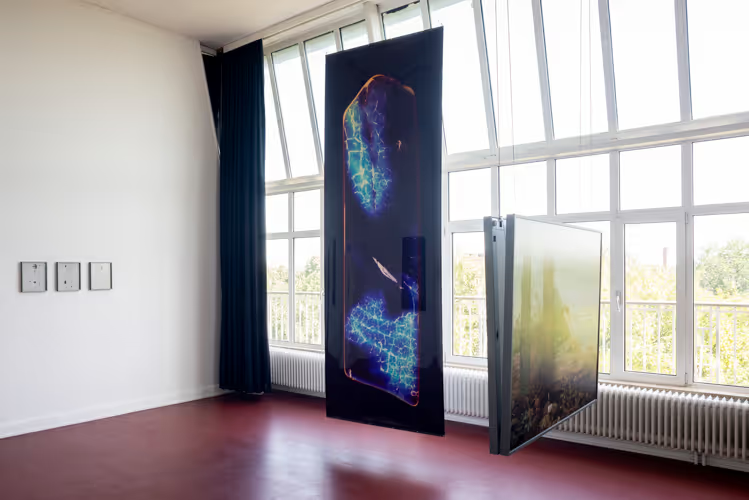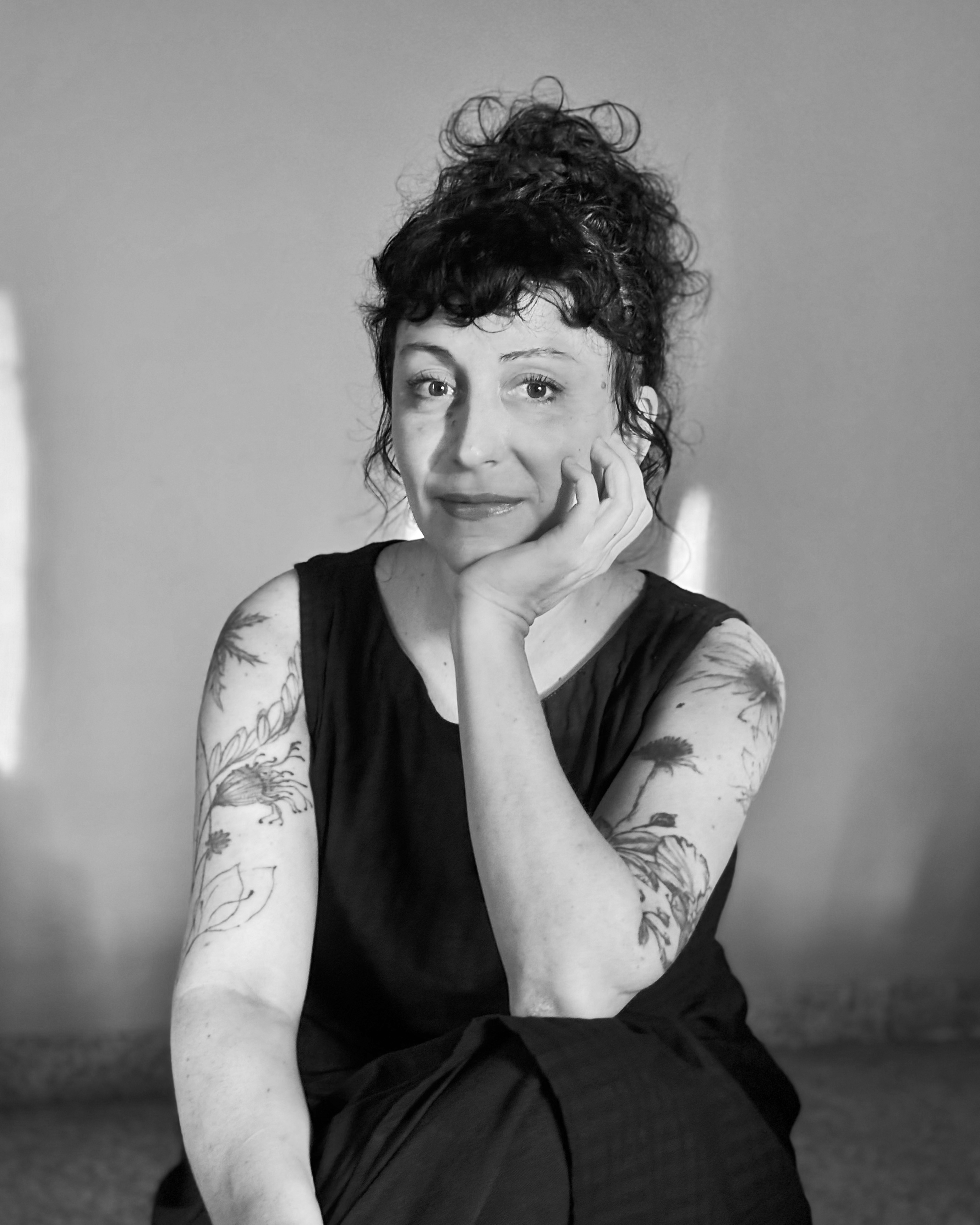
Valentina Abenavoli is an artist, editor, and publisher whose practice has profoundly shaped contemporary conversations around photobooks, artist books, and independent publishing. Through her work as both a maker and publisher, she has developed a distinctive approach to the book as a space where images, text, sequencing, materiality, and narrative converge.
As the lecturer of The Photobook Lab, an online masterclass by FUTURES Photography, Abenavoli invites participants to think beyond the photobook as a container of images and to approach it as a form in itself, one capable of producing meaning, intimacy, and critical reflection. In this conversation, we discuss publishing, authorship, materiality, and why making a book remains one of the most powerful ways to think through a photographic project.
You have worked as an artist, editor, and publisher. How have these different roles shaped the way you think about the photobook today?
Looking back, these roles were never truly separate, and each one made me more capable of thinking through the others. For the longest time I was afraid of calling myself an artist. I thought it would complicate how people perceived my work in collaboration with others. Editing someone else's work requires deep listening, and making your own work demands a certain confidence in telling, a willingness to hold your position.
I realised that the photobook is where that tension becomes structural. It is a form built on the exchange between positions, between the subject and the artist, between the editor and the reader. Publishing is the decision that this negotiation has become something others can enter.
I think the ambivalence of being a self-published artist and editing and designing the work of others is a fascinating act of letting go of control. The book is a reproducible medium that really moves away from its maker. It accumulates interpretations and relationships you can never really fully anticipate, passes through hands and contexts and conversations of others, and moves beyond the intentions of the person who made it.
When talking about a photobook the conversation often leads to design, sequencing or production. The Photobook Lab seems to begin much earlier, with questions of authorship and form. What makes your approach different? Where does a book actually begin for you?
The idea of the book starts with a fundamental question: why should this work be a book at all? Knowing the reasons is itself a form of editorial thinking. And then there is a process of understanding what the author knows about their own material, why this, why now, what is being left out and why. Because authorship in the photobook isn't simply a matter of who took the photographs, but more like an intellectual position that has to be inhabited before the work can find its shape. If that position is clear, form is literally just an extension of that thinking and it is shown as coherence in the final object. If a designer or a publisher enters the process, they are joining in on that thinking. The form becomes collaborative, the authorship shared, even when only one name appears on the cover. And it is a beautiful feeling, to have made something with someone, to have been understood.
Your work consistently challenges conventional ideas of what a photobook should be. Why do you think the photobook field has become attached to certain formats and conventions, and what becomes possible when we move beyond them?
Conventions are not inherently a problem. When a work looks familiar, it is also relatable. Artists often work with a simple assumption that taste is shaped by forms we have already encountered and responded to.
Some aesthetic or production strategies are repeated because they are proven to work in the market. This is when books end up resembling one another regardless of what they are trying to say, and where design shifts from revealing the work to solely packaging it.
I don't reject familiar forms for the sake of originality. But self-publishing offers a freedom that is specific to the work: it allows a book to be as difficult, as small or large, as particular, as unresolved, or as uncomfortable as it may need to be.
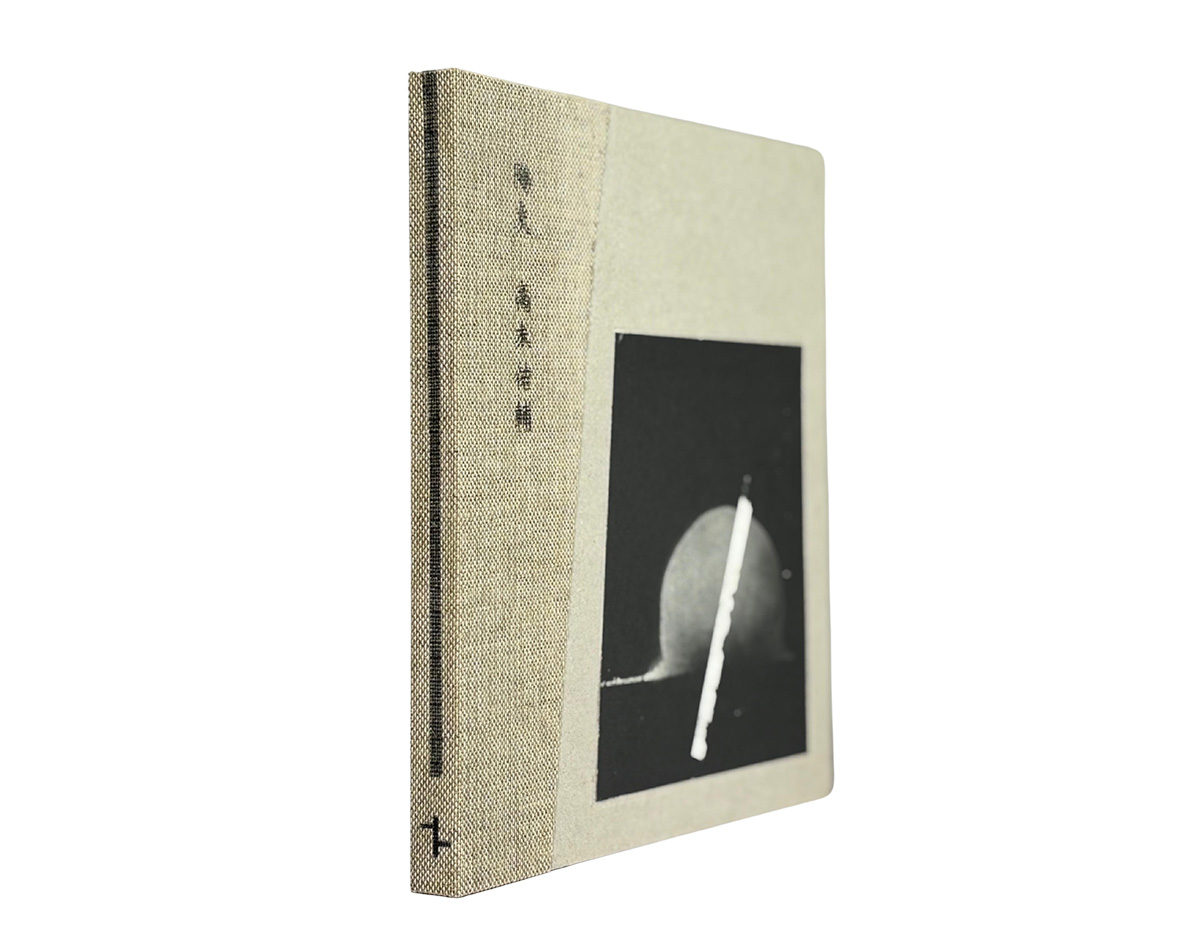
Today, images circulate faster than ever through digital platforms. What can the book still offer that no other medium can?
I think digital platforms are often unstable in holding sequences as an argument. Algorithms create the impression of connection, but images frequently appear detached from the contexts that produced them and from the images around them. It is often a visual distraction.
The photobook creates intentional conditions for reading. We look at images in connection with each other, and even if the reader has the freedom of skipping pages and landing somewhere unexpected, the structure in which the images are given is the one of the maker. It is a particular kind of experience that requires time and active participation of the reader.
In your teaching, the book appears less as a final outcome and more as a method for thinking. How can the process of making a book transform the way artists understand their own work?
As artists, we are often trained to think through the logic of submissions, grants and portfolios, where a small selection of images and a short text are expected to communicate a project clearly and efficiently. I think approaching photography only through the framework of a project, where editing becomes an exercise in determining what reinforces a central argument, is a bit reductive in the long run.
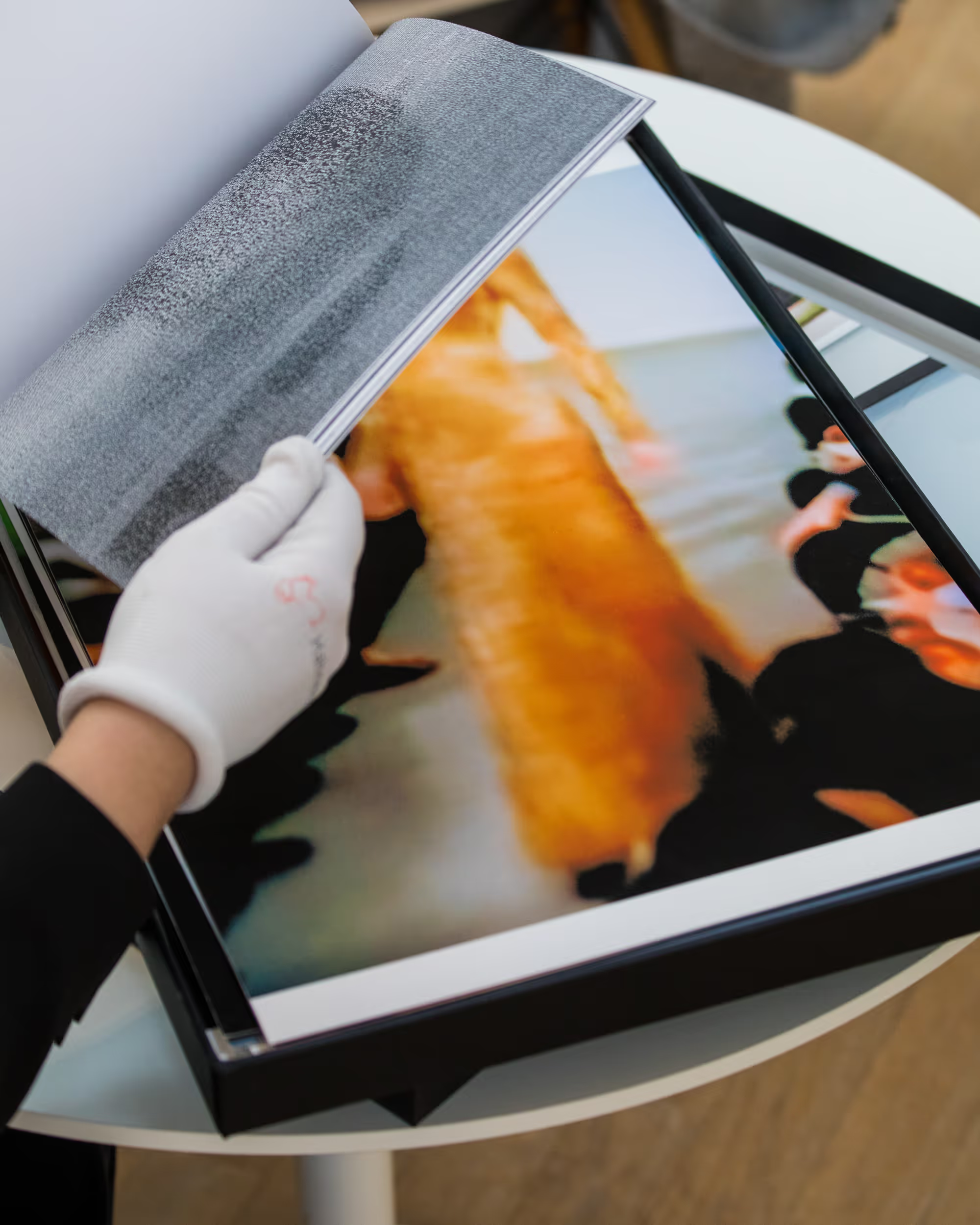
Instead, imagine you start already with the book in mind, the images are thought to be in relation to a sequence, a page, a rhythm, a material, a physical object. The whole artistic process goes from observation to collection to interpretation and production, in a dimension that requires a strong materiality. When images are held rather than looked at on a wall, they are perceived differently: the body is involved, time moves differently. And more than that, making a book shifts the focus from explaining something to keeping the questions open.
Many artists approach bookmaking only after a project is completed. What do they miss by thinking about the book too late in the process?
Having a form in mind from the beginning allows that form to be a transformative tool, not a container. When the book arrives only at the end, the creative act is limited to the selection and organisation of what already exists. But thinking in book form from the beginning can influence how the work is gathered, how it develops, and how editing shapes the emotional and conceptual weight of the work.
The Photobook Lab masterclass places a strong emphasis on iteration, dummies, and trial and error. Through this process of making, unmaking, and remaking, what do you hope participants will unlearn during the masterclass?
I hope The Photobook Lab can unsettle the idea that making a book is a linear path toward a predetermined result. Books are made of possibilities and complexities, and not all books require a large body of work, a commercial publisher or a wide distribution to exist. Artist books and small editions matter as much as any other.
I love dummies because they are the physical manifestation of doubt. They are the unfinished stages of the process, the structures we don't always share. They help us be in conversation with something material and keep track of the uncertainty until we feel ready to make a final decision and go to print. Books are relational, part of a network of participation. Once the book is out there, it is a handover of the artist's investigation to whoever finds it.
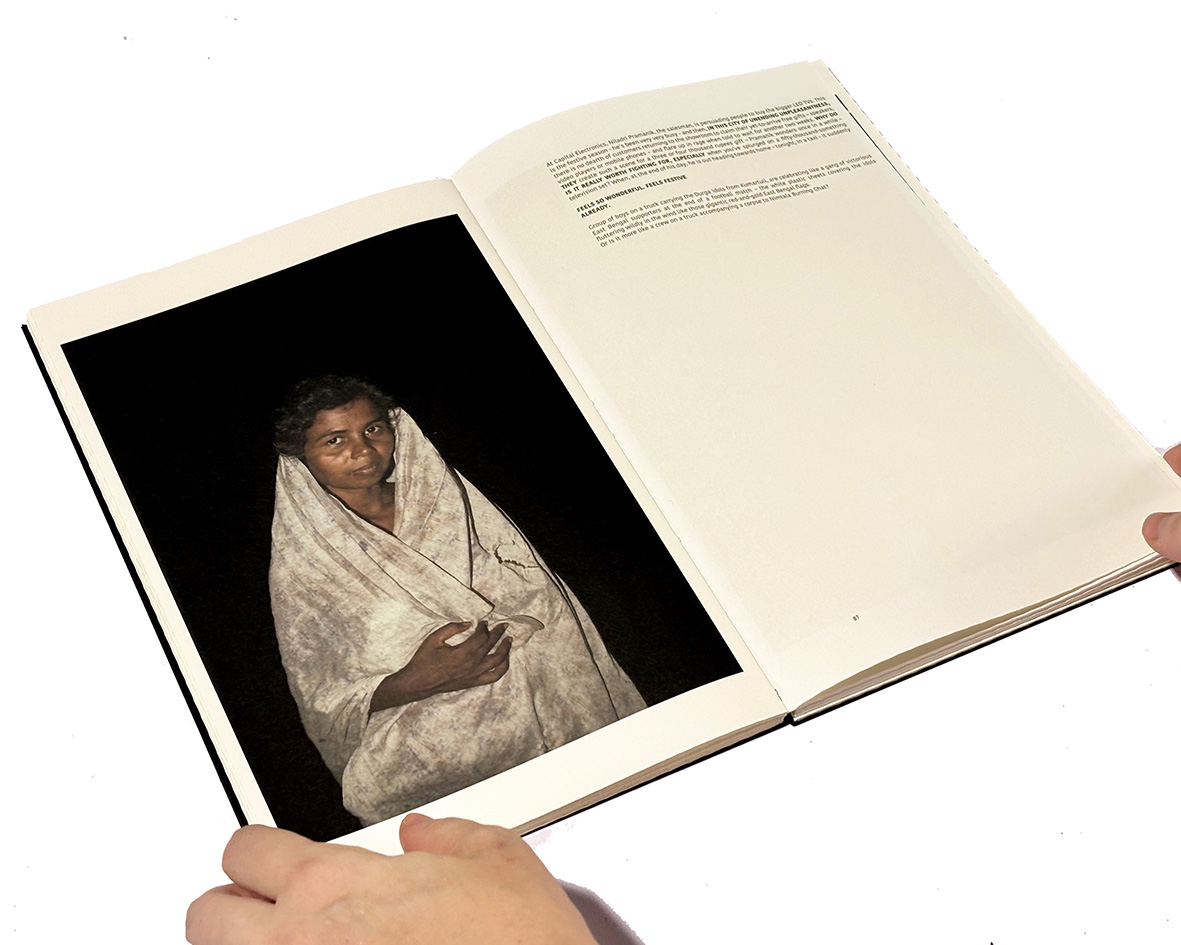
Want to enroll for The Photobook Lab masterclass led by Valentina Abenavoli? Applications are open until 31 July!
.jpg)
.jpg)
.avif)



.avif)

%2520Unseen-campaign-2024-square-forweb.jpeg)

.avif)


.avif)




.avif)




.jpeg)




.jpg)
.jpg)







%252C%25202015.jpeg)