Artist
Camilla Ferrari
A Constellation on Earth
Aquarium
like to explore
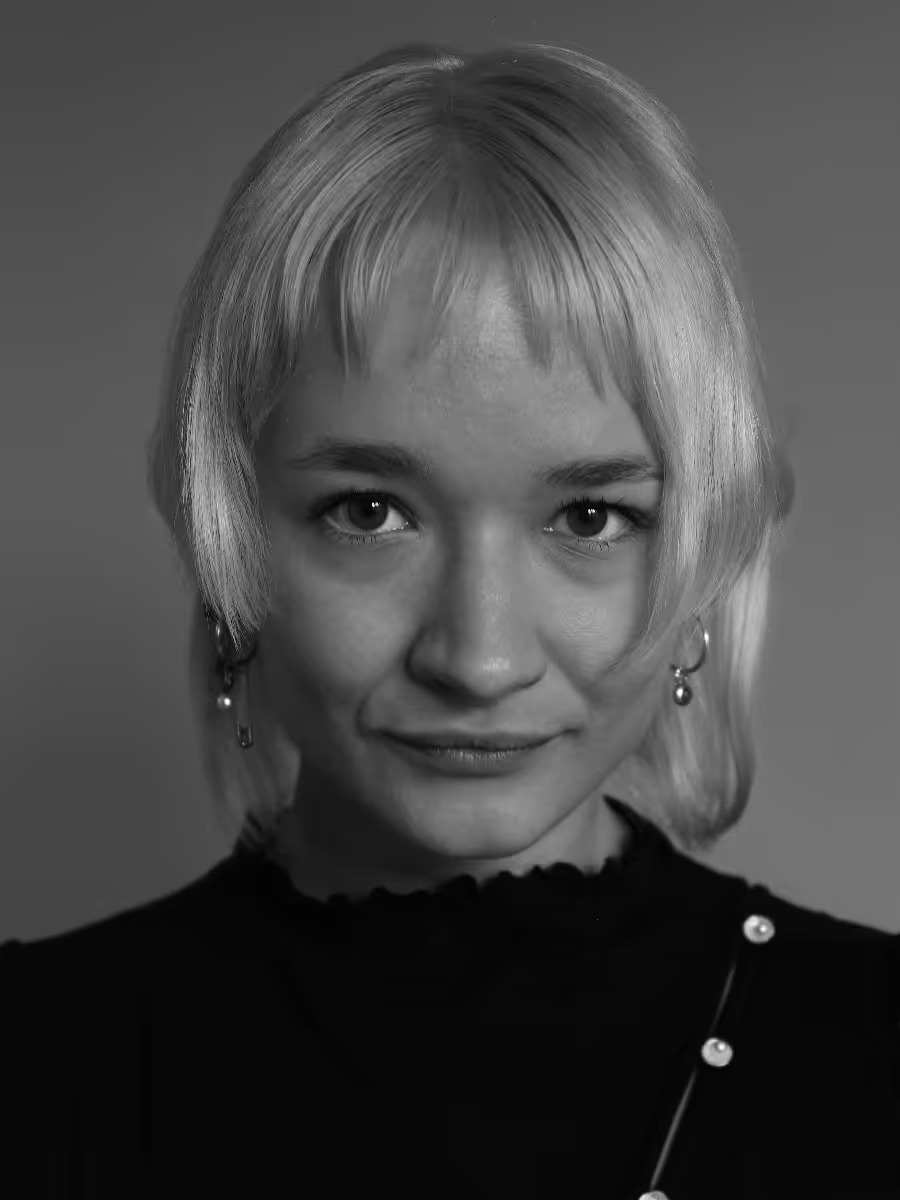

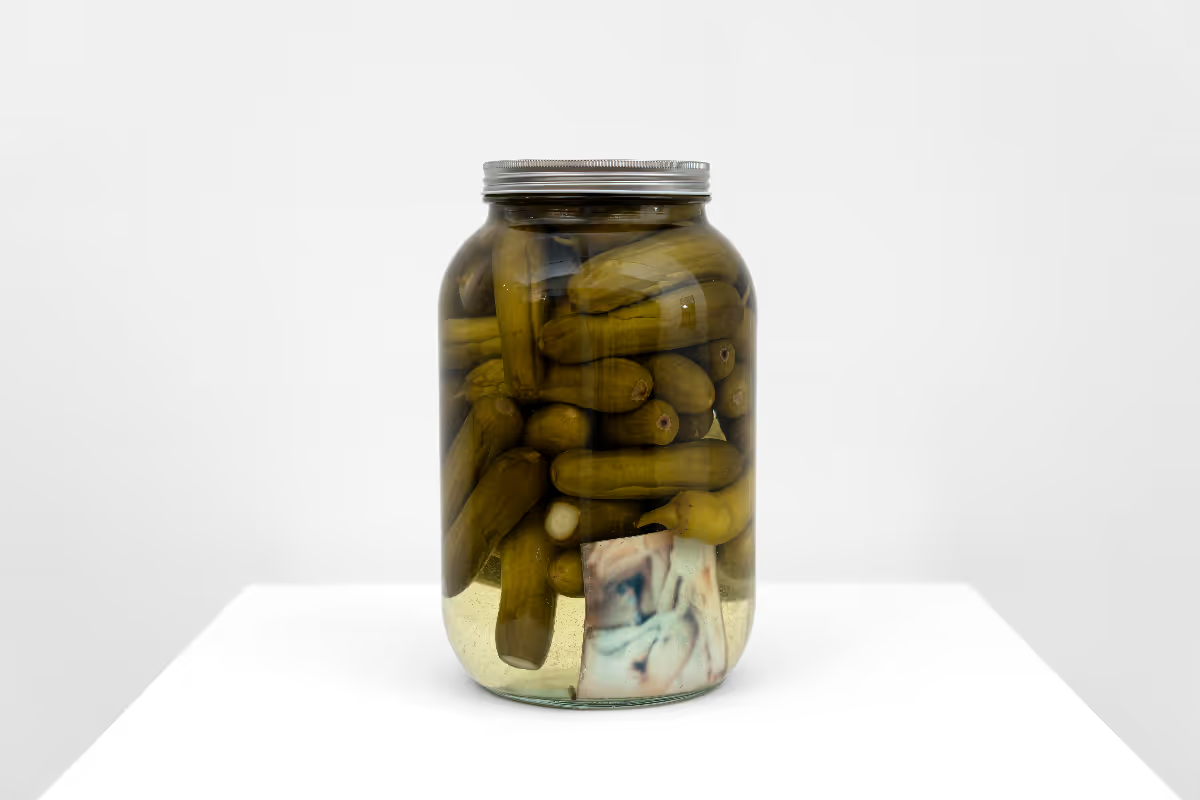
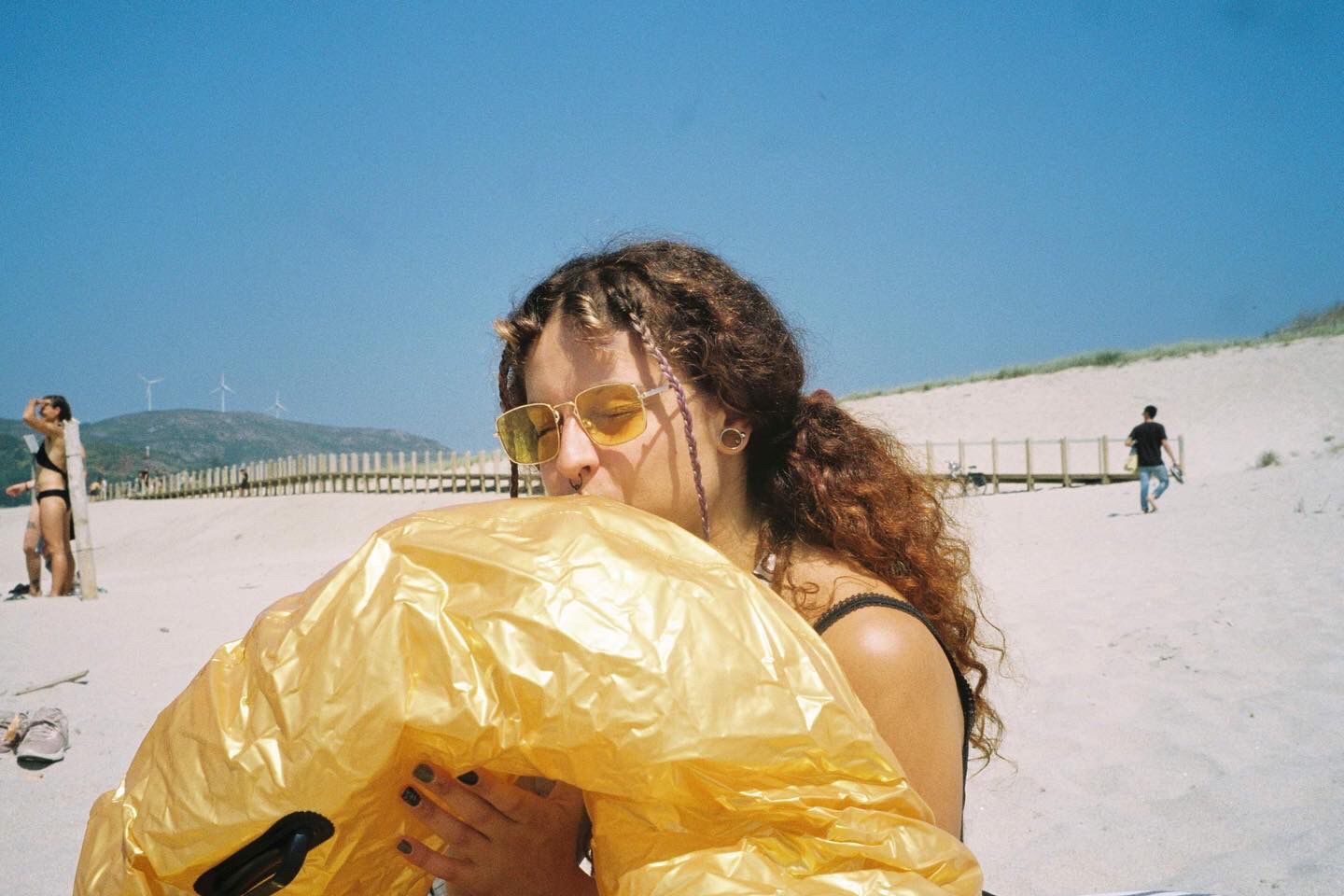
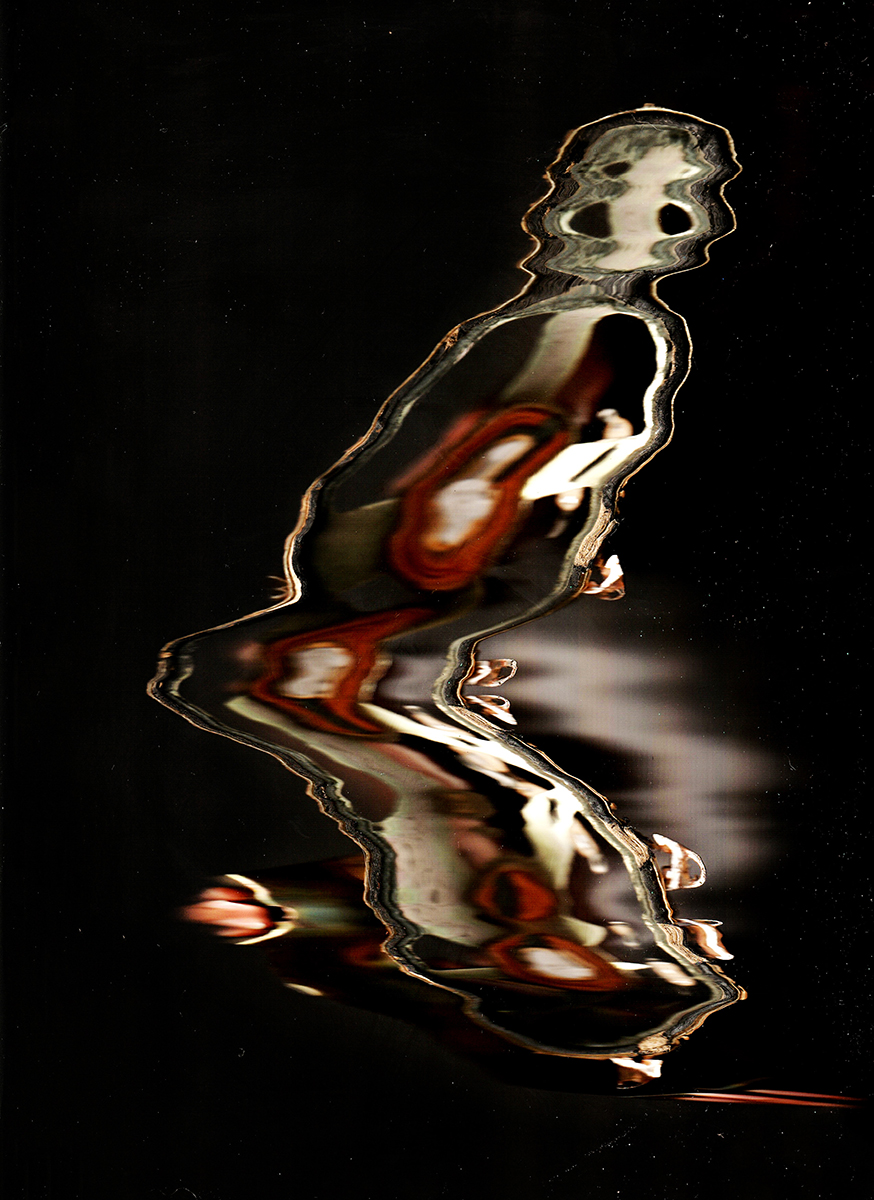


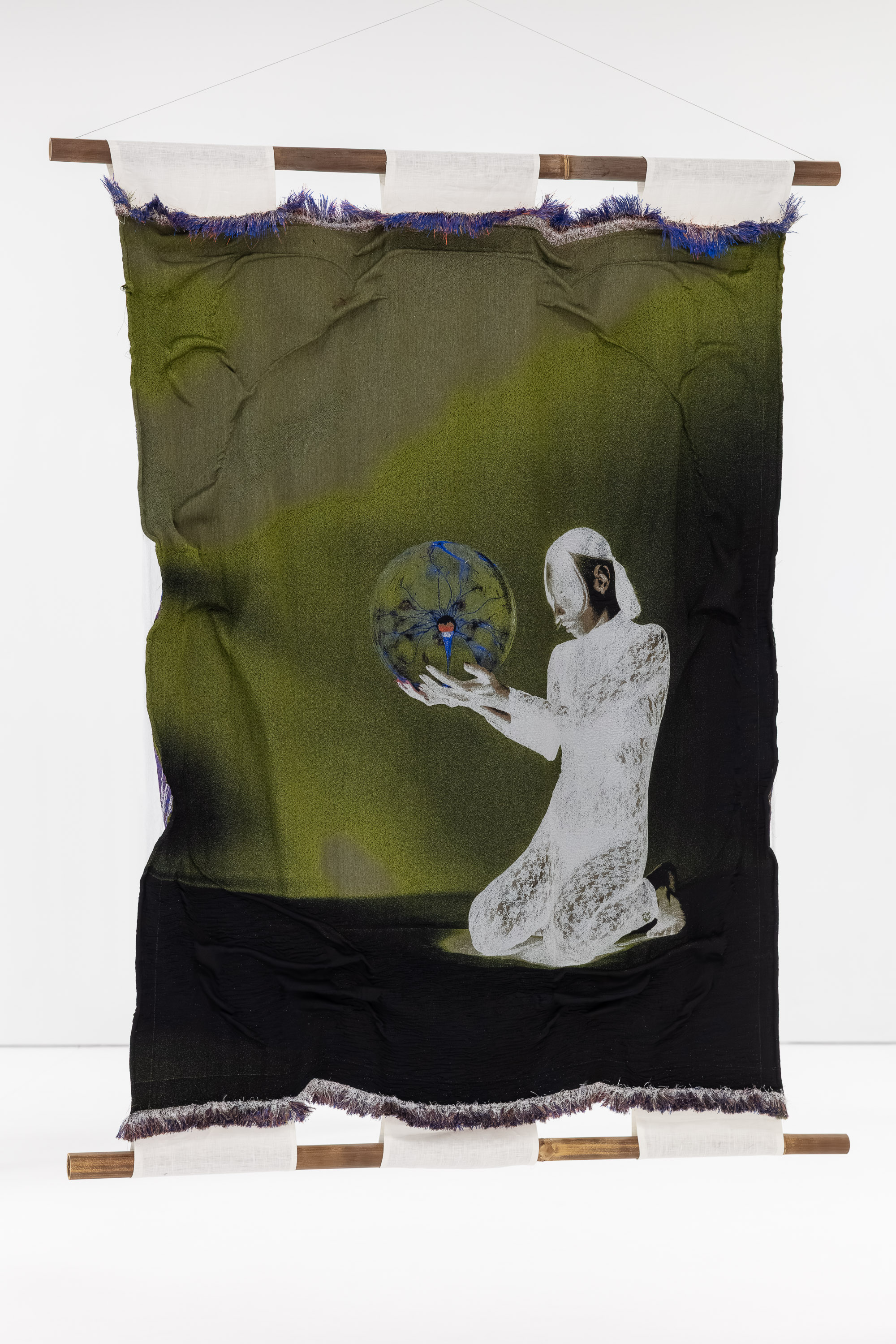

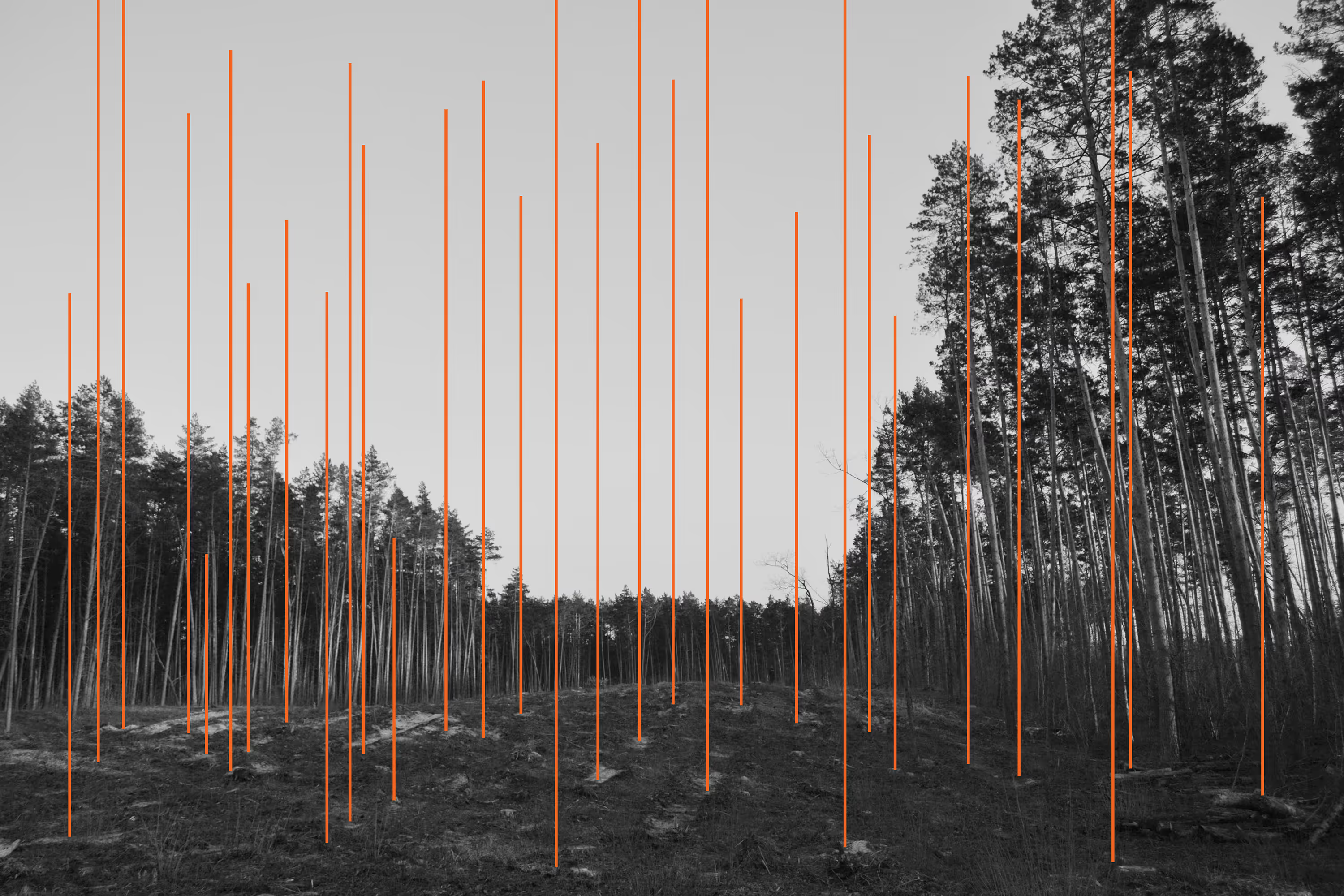
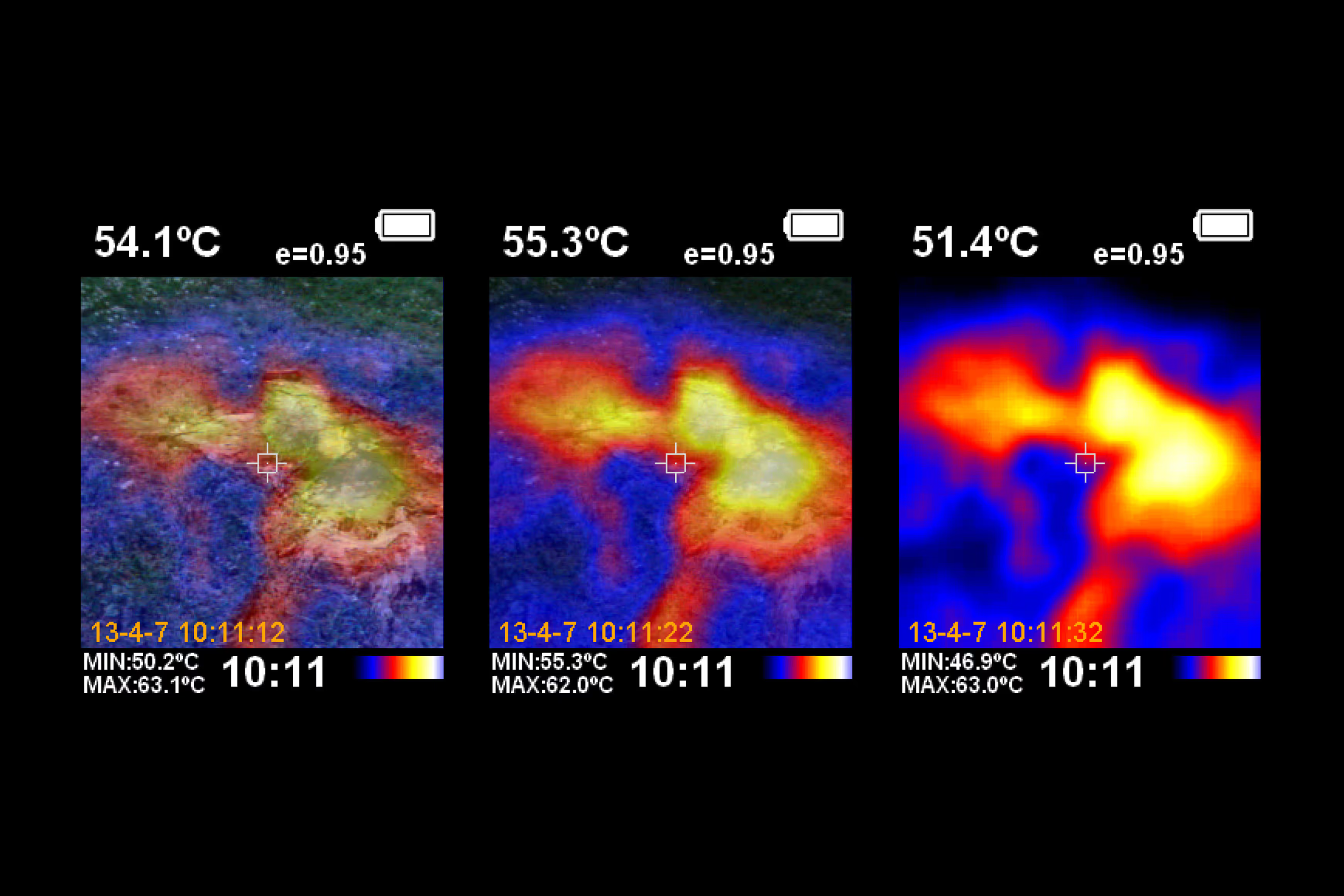
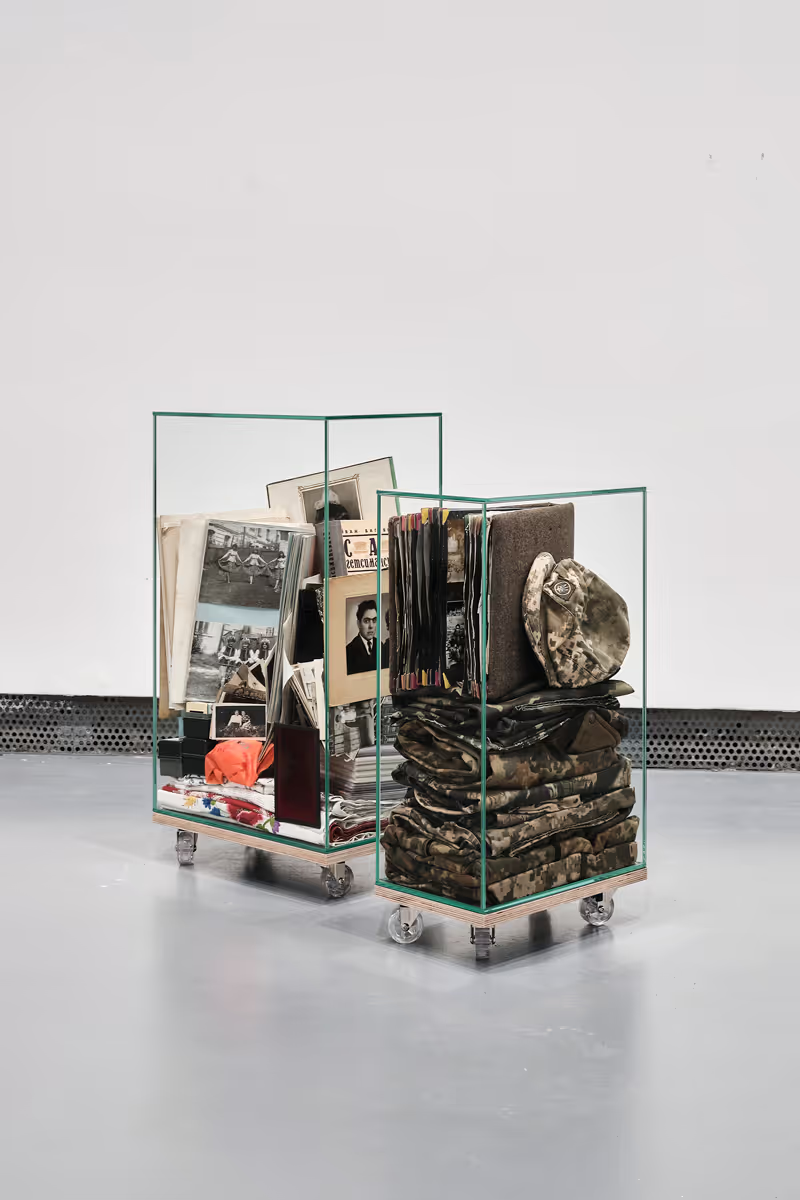
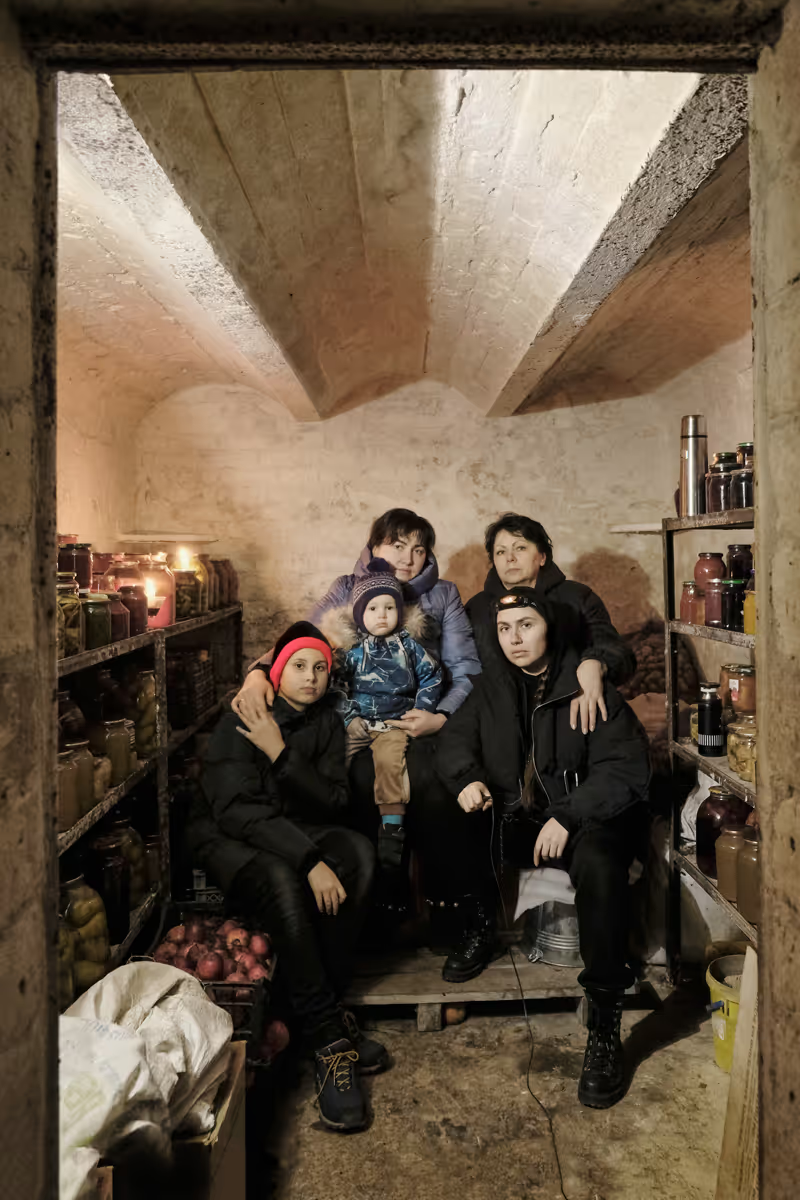
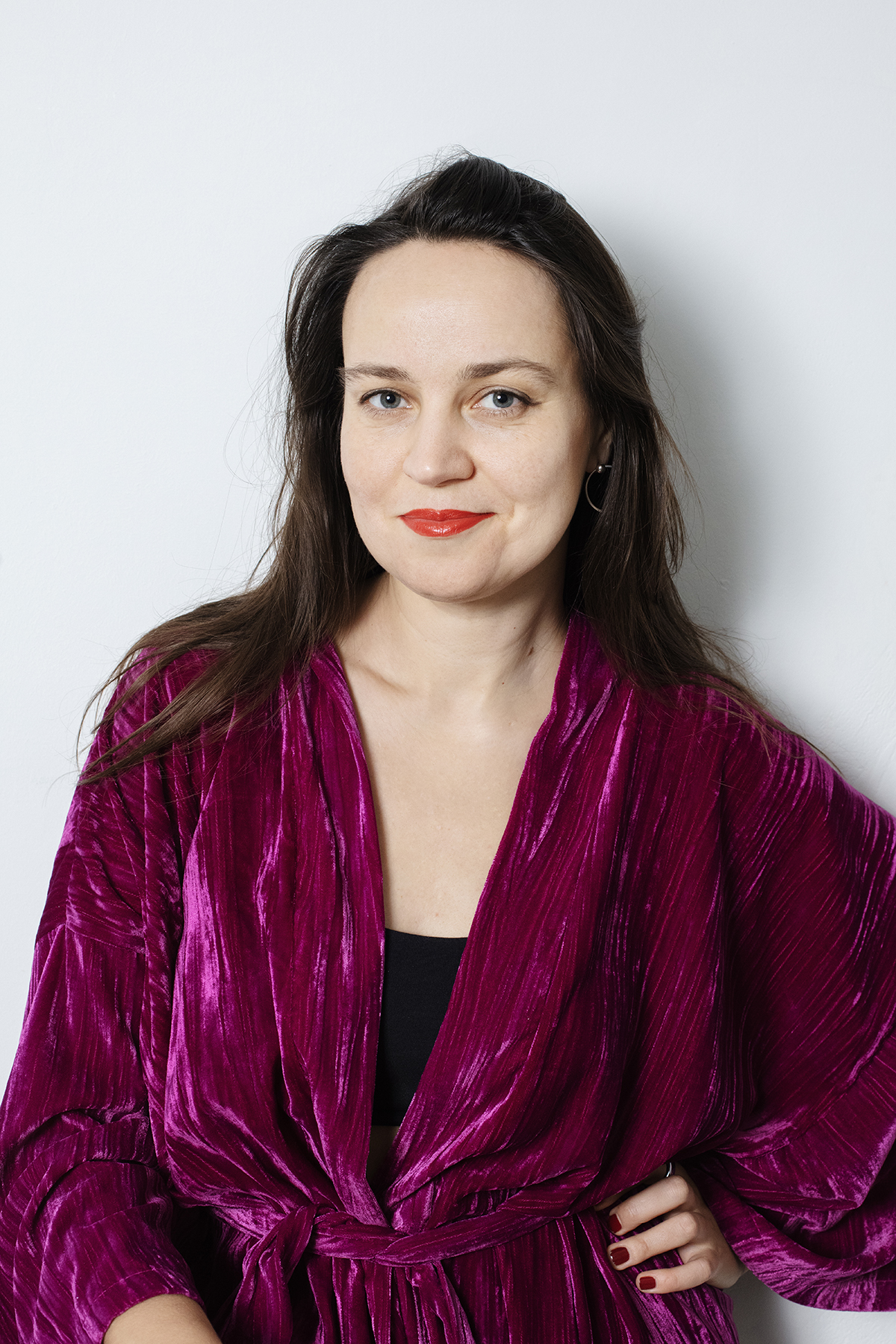
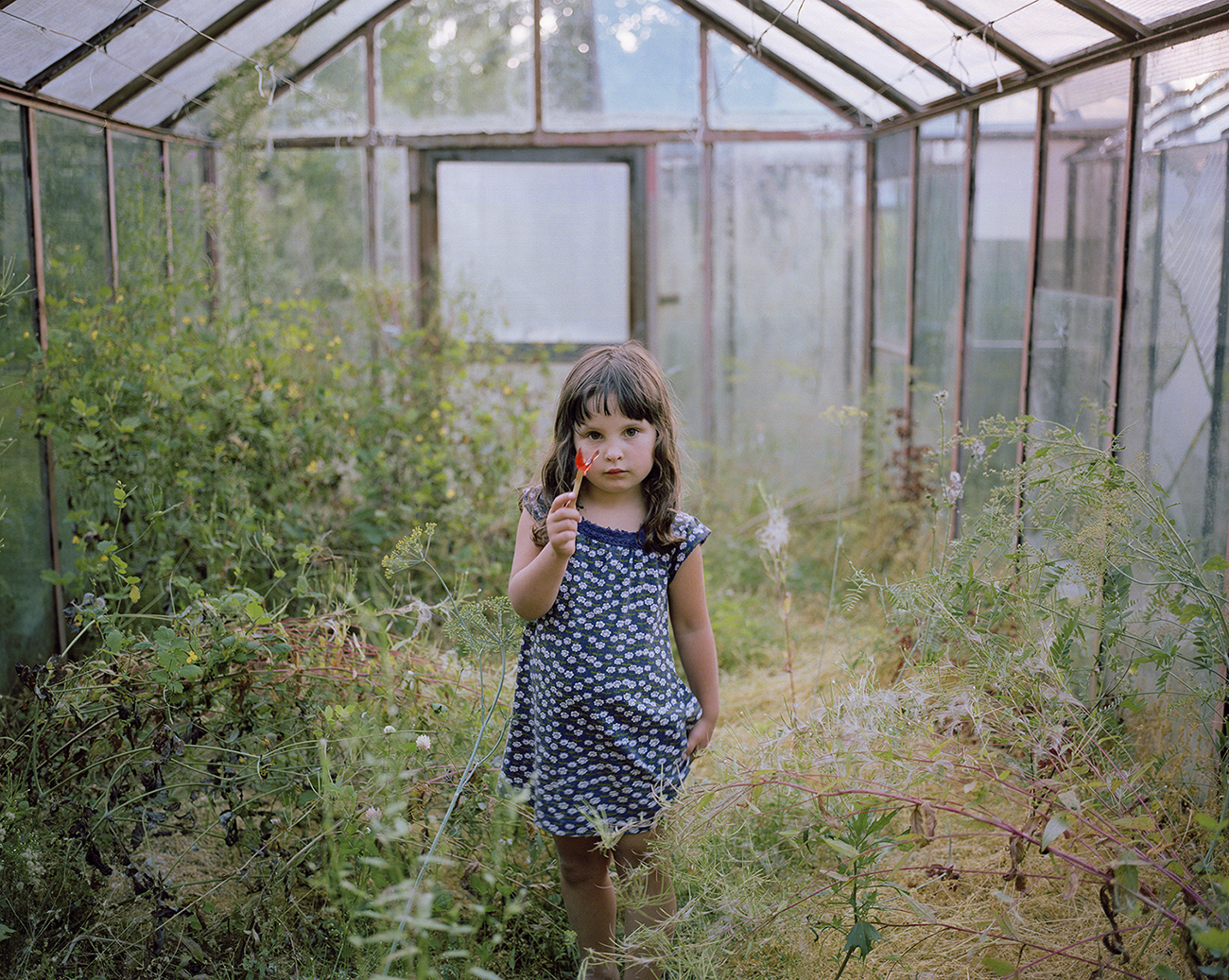
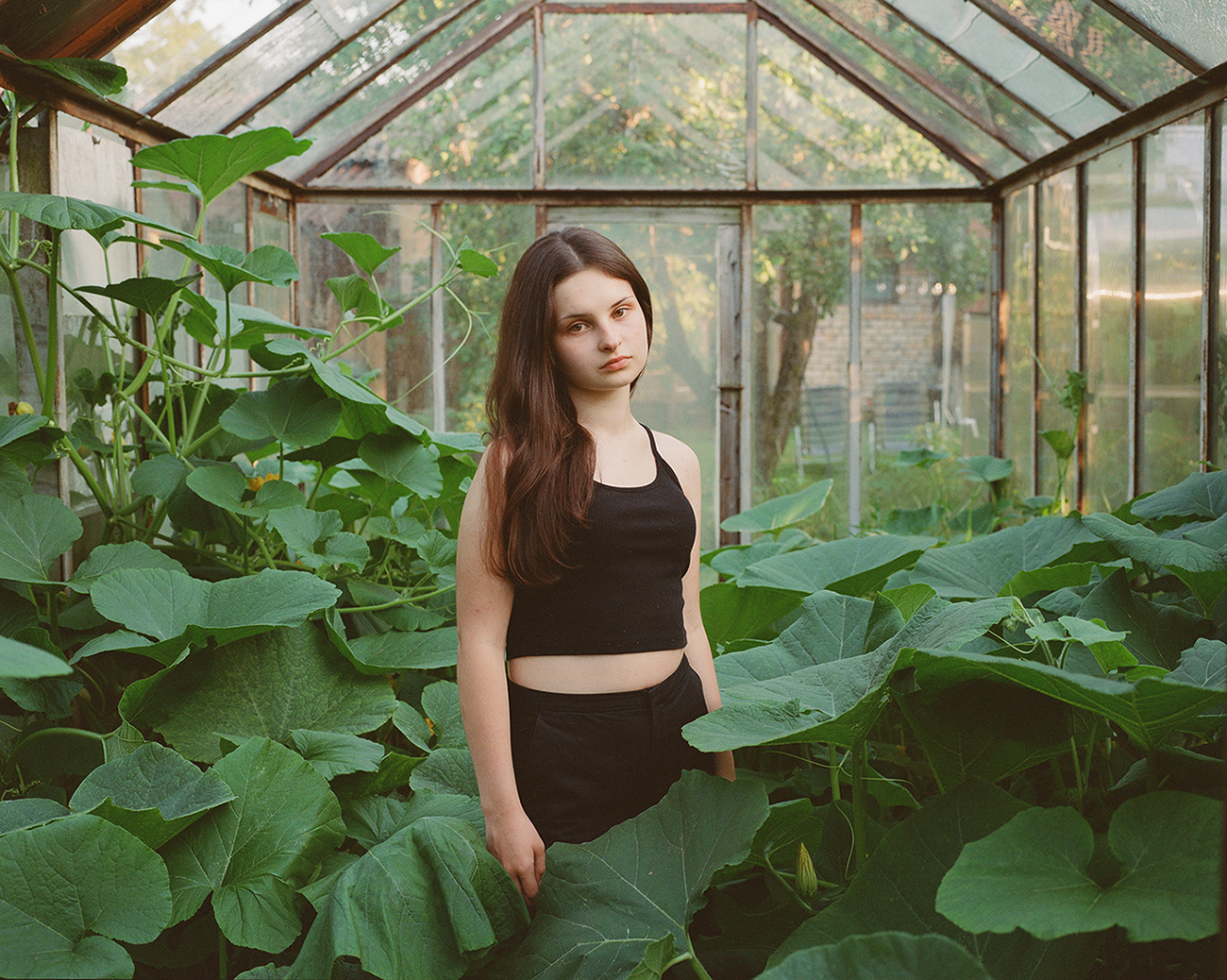


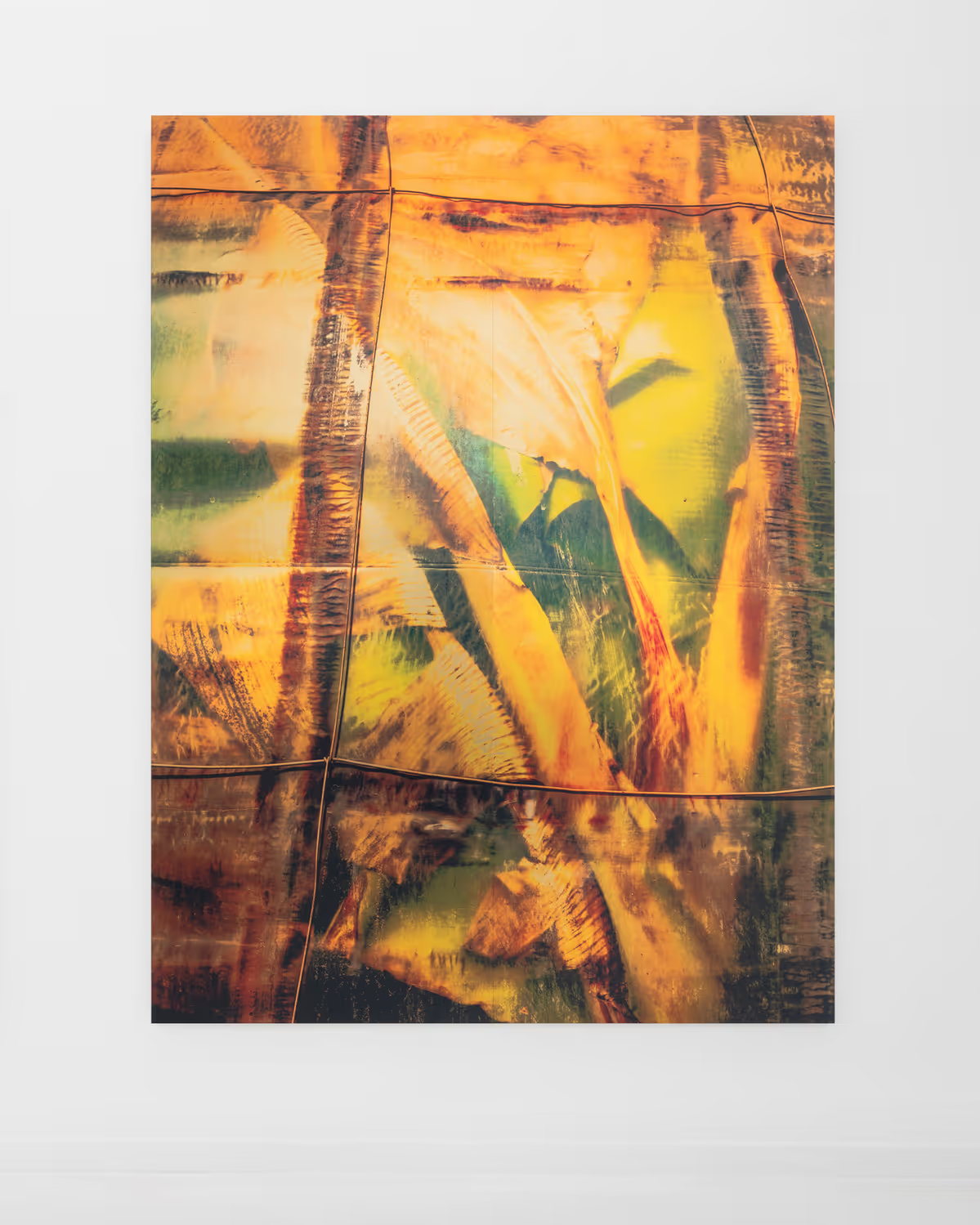
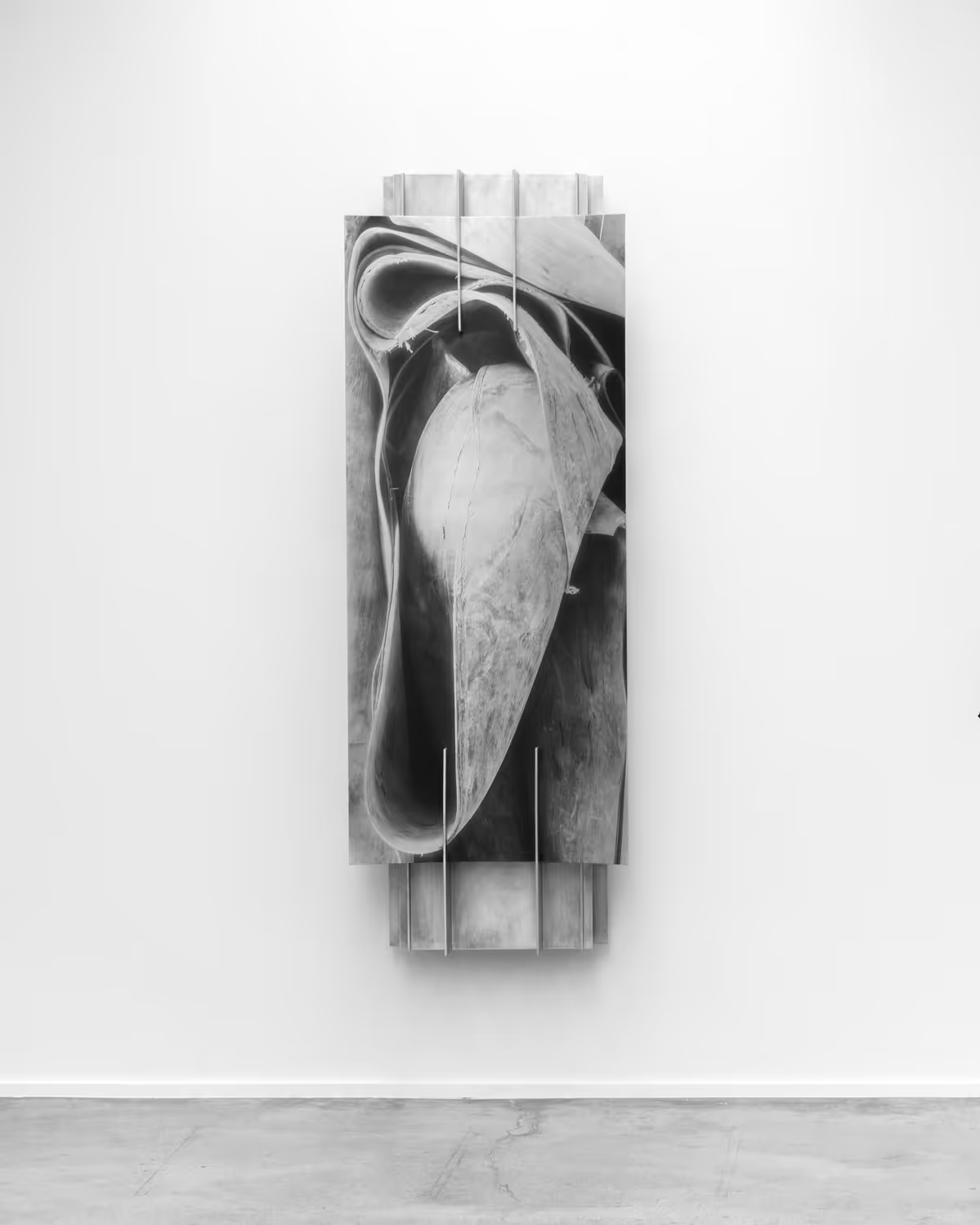
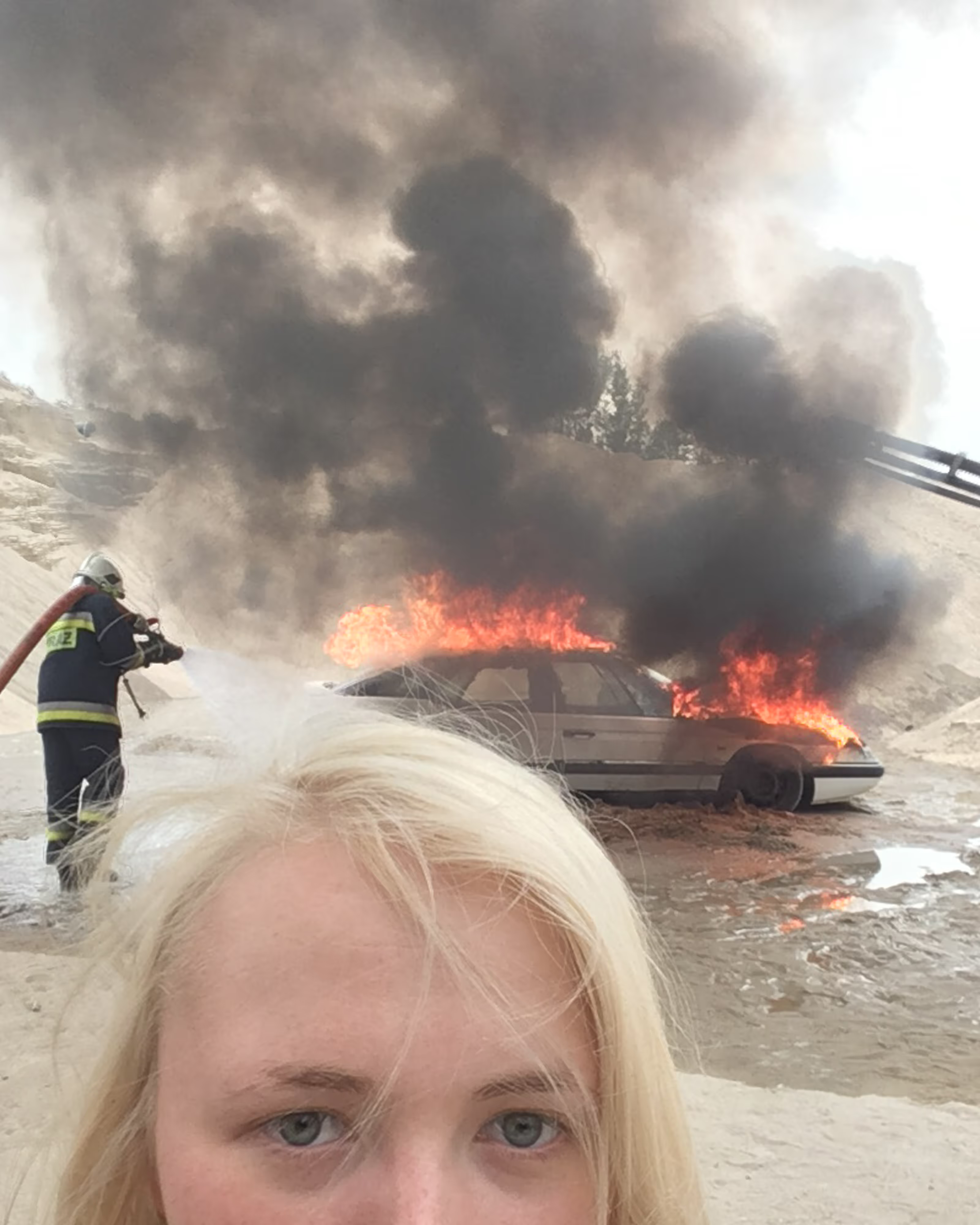
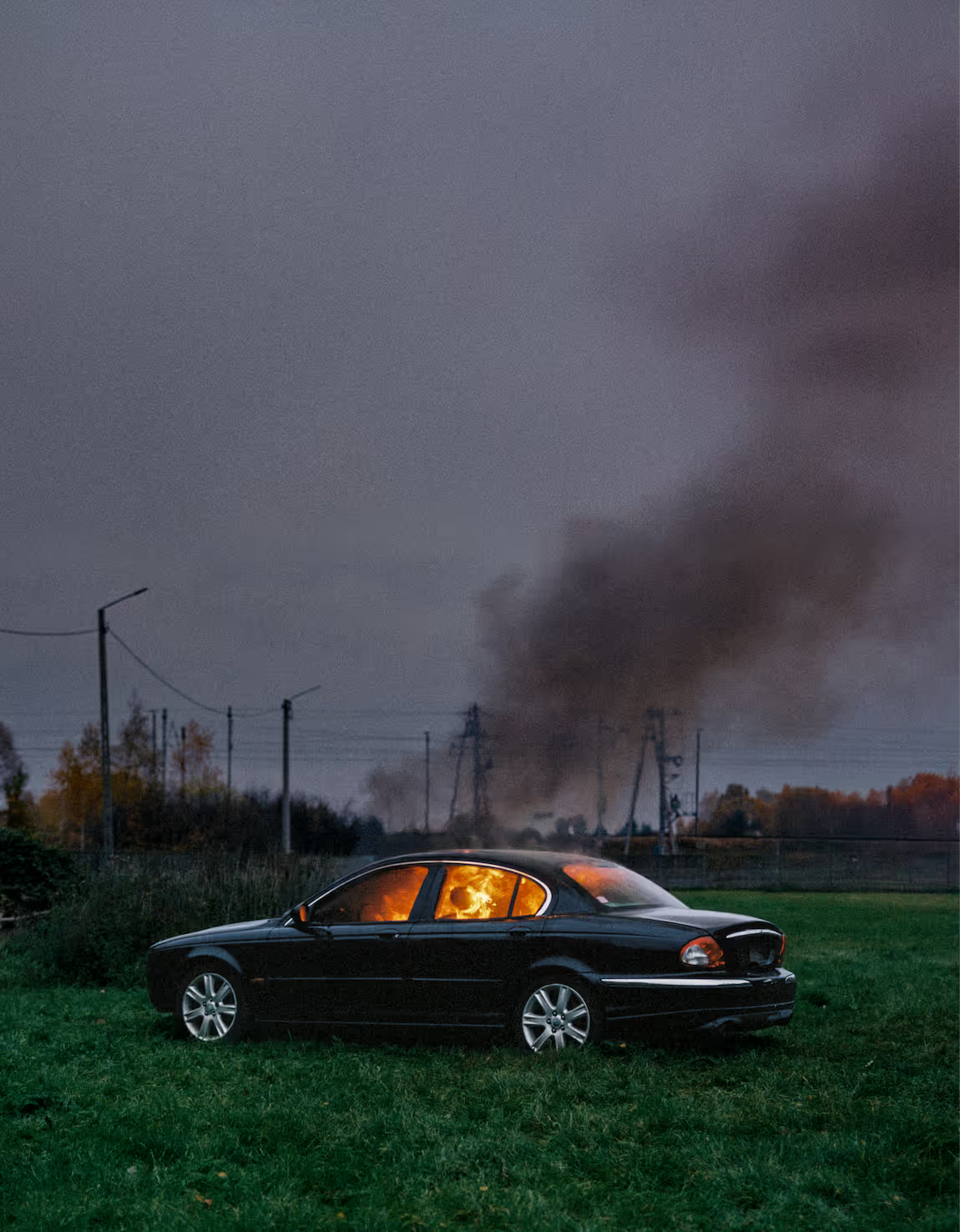
I am a visual artist working primarily with photography, video, and installation. My main area of interest revolves around the idea of destruction perceived as a prerequisite for rebirth – in this regard, my practice serves as a particular form of self-therapy. My creative approach centers around catastrophic events, whether experienced in real life or staged – not merely to document, but to explore their aesthetics and the emotions they evoke. Drawing from the notion of post-photography, I attempt to extend the same approach to my audience, purposefully creating the most photogenic environment. This invites the viewer to try and explore the aesthetics and emotions evoked by my own work.
The theme of the car and anything automotive-related is a constant recurrence throughout my practice, varying both in context and form. It can be an invisible companion, as seen in the series of on-the-road photos like "Post Tourism," documenting wildfire sites in Australia and California. It can also be a desirable object deliberately subjected to all kinds of abuse – set on fire, melted, or drowned – in order to test its endurance while creating the perfect catastrophic photo set, as seen in the multidisciplinary installation "Panda" or the photographs published in the photobook "Pyromaniac’s Manual."
Finally, the car can be dissected, stripped, and transformed into something entirely new, like a vehicle for poetic miniatures in the "Blind Spot" series. It can even become part of a fancy dinner where the courses are prepared out of car parts and served to the guests of a luxurious retreat, mockingly bringing into the spotlight the consumption patterns of the highest social classes in the "A la carte" project, created during the Chateau de la Haute Borde art residency and subsequently exhibited at Galerie du 13 in Paris. Most recently, my interest has turned to audiovisuality, focusing on short forms of video and their potential for a more poetic style of storytelling.

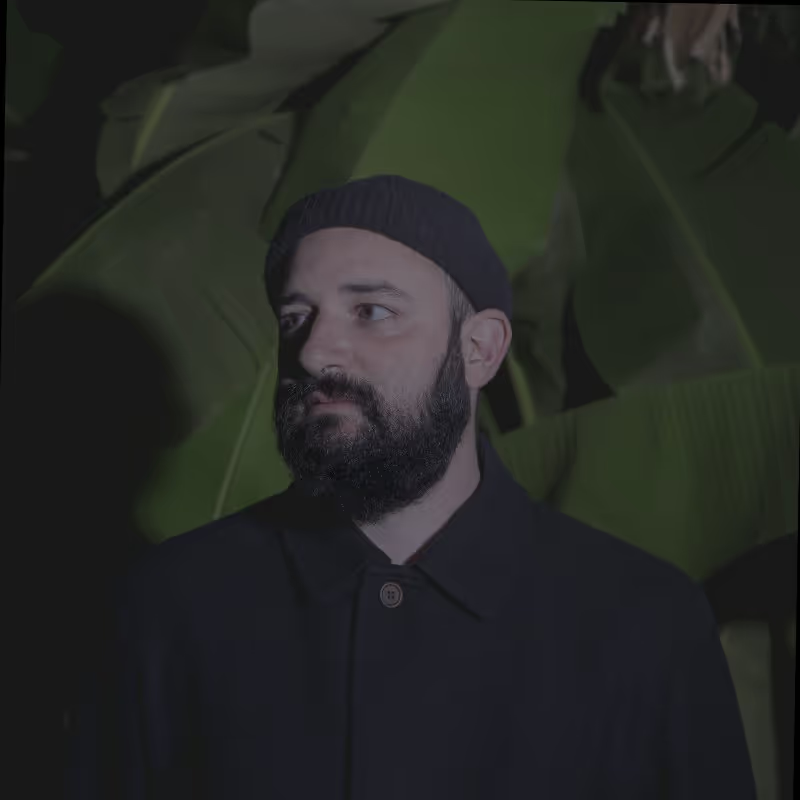
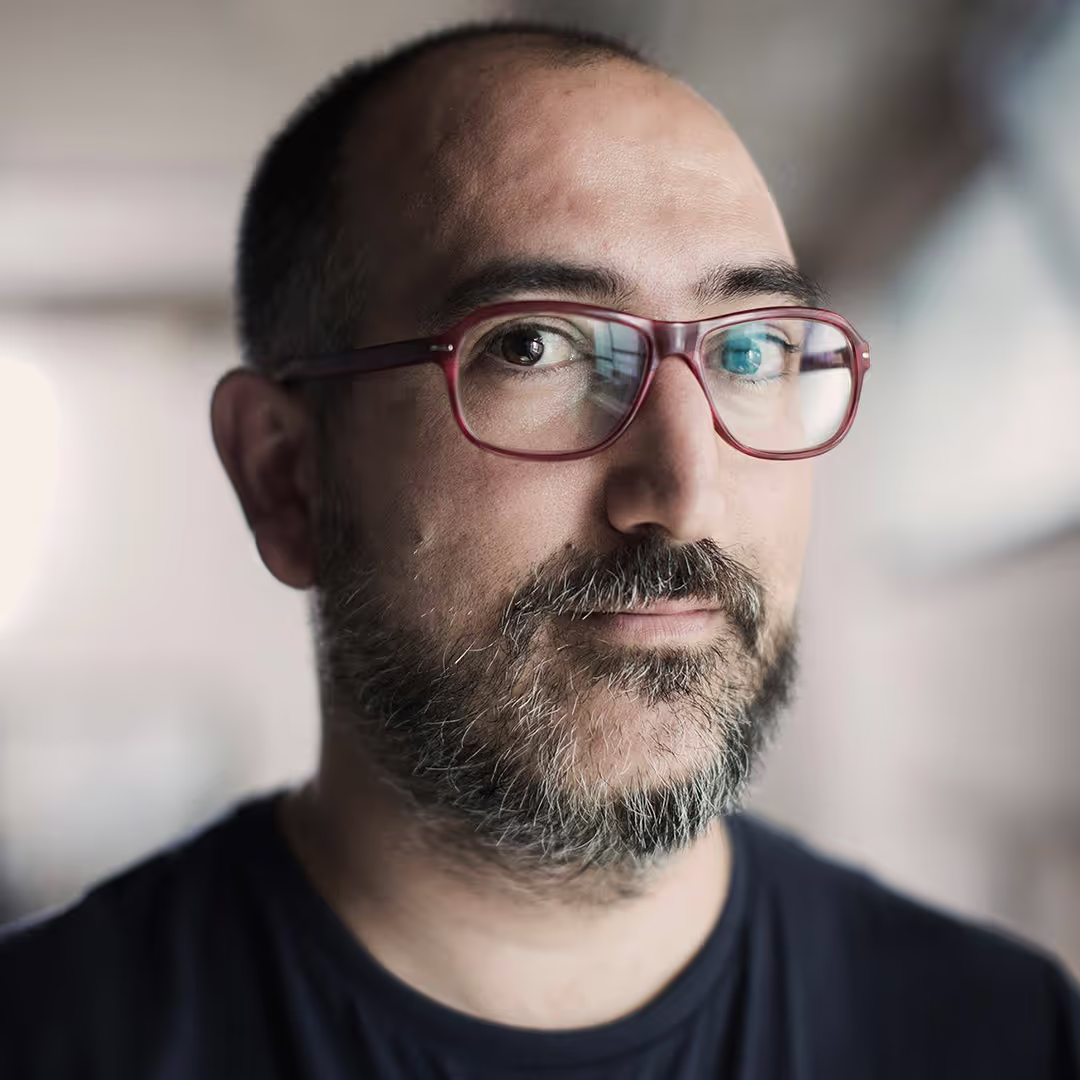
Ángel Luis González Fernández is a designer, artist, and curator supporting engaging visual arts practices, winner of Business to Arts David Manley Emerging Entrepreneur Awards 2011.
His work manifests through PhotoIreland, which he founded in 2010 to stimulate a critical dialogue on Photography. He devises curatorial projects placing conversations in the public realm around visual culture, critical thinking. These include events (PhotoIreland Festival, Halftone Print Fair, arts residency How to Flatten a Mountain, and New Irish Works), a cultural hub (The Library Project: Ireland’s Art bookshop, host to a unique resource library of photobooks and a productive arts programme), publishing projects that distribute inexpensive access to local practices, research projects (Critical Academy: examining contemporary art practices). He works collaboratively with a growing network of organisations, noticeably through ambitious Creative Europe partnerships.
During the Summer 2020 lockdown he launched the critical publication OVER Journal, now distributed globally. He received the Arts Council of Ireland’s Visual Arts Bursary to deepen research on the broad historical and specific artistic context of Photography in Ireland, to curate an ambitious survey exhibition in PhotoIreland Festival 2022 and to publish a series of publications on the matter. He regularly contributes to publications such as the forthcoming The Routledge Companion to Global Photographies, edited by Lucy Soutter, Duncan Wooldridge.
See some of his Graphic and Web Design work in the 100 Design Archive.

Danaé Panchaud is a Swiss exhibition curator, museologist and lecturer specialising in photography. She has been the director of the Centre de la photographie Genève since 2022, after serving from 2018 to 2021 as director and curator of the Photoforum Pasquart in Biel, Switzerland. She trained in photography at the Vevey School of Photography before completing a bachelor’s degree in visual arts with a specialisation in curatorial practices at Geneva University of Art and Design. She later studied museology at Birkbeck, University of London, earning a master’s degree in 2017. She has held positions in several Swiss institutions in the fields of contemporary art, design and science, including the Centre d’Art Contemporain Genève, where she was a research associate from 2007 to 2012, the Gallery SAKS in Geneva in 2012-2013, the Fondation Verdan in Lausanne as scientific collaborator, and the mudac in Lausanne, where she was in charge of the public relations from 2012 to 2017. As a free-lance curator, she has curated exhibitions for several Swiss and international museums, independent spaces and galleries since 2012. She regularly writes texts for monographs of contemporary artists, exhibition catalogues, and thematic publications such as Flora Photographica, co-authored with William Ewing and published by Thames & Hudson in 2022. She was a lecturer at the Vevey School of Photography from 2014 to 2018, and regularly lectures at art and photography schools in Switzerland. In 2023, she joined the teaching faculty of the CAS in Theory and History of Photography at University of Zurich.
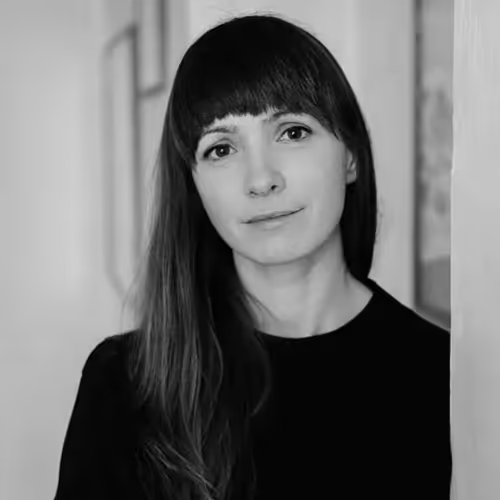
Iveta Gabaliņa (1979) is a curator, artist and educator. She has studied photography at the studio of Andrejs Grants, at Bournemouth Art Institute, and in the MA programme at Alto University in Helsinki. Her work has been exhibited in Latvia and internationally, including at C/O (Berlin, Germany), GESTE (Paris), and Williams Tower Gallery (Houston, USA). Gabaliņa has participated in photography festivals in Singapore, Hanover, and elsewhere. Her work is included in the collections of the Victoria & Albert Museum, Geste Paris, and the Deutsche Börse Art Collection.
Since 2008 she has been part of ISSP team, responsible for numerous educational and curatorial projects. In 2018 she founded ISSP Gallery - an exhibition space dedicated to contemporary photography.
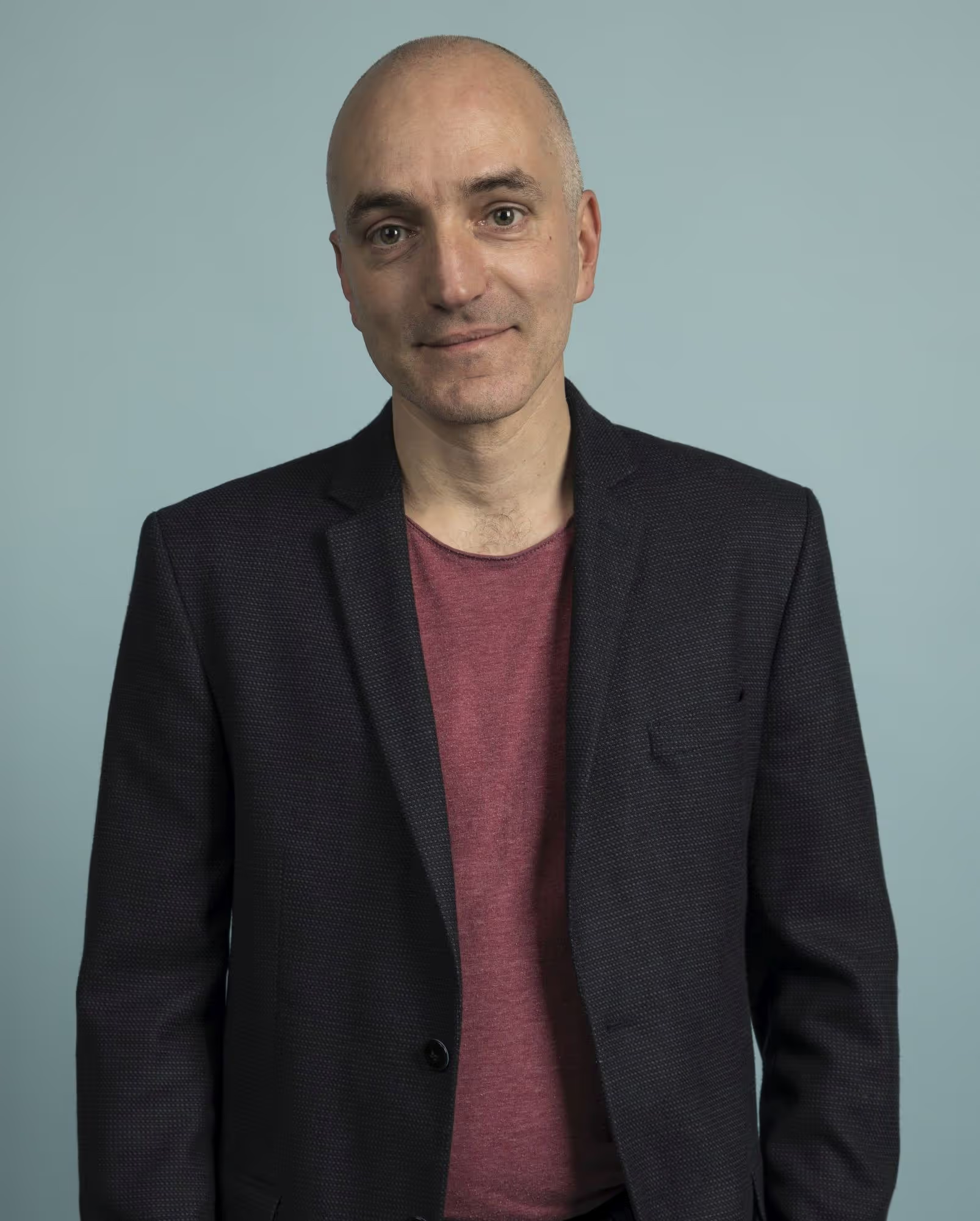
I’ve always loved photography, even if it sounds like a cliche. The first photos I took, I did without knowing how to do that, without paying any attention to framing, subject or composition. After a while, I began to understand what is happening in the space between me as a photographer and the subject I was photographing. And many years later, I also understood why I love to photograph. To communicate. A message, a concept, an emotion.
By signing up, you'll join our community of artists and professionals committed to contemporary photography.