Artist

Diāna Tamane
Half-Love
Across these works, photography unfolds not as a decisive capture of a moment, but as a prolonged engagement with memory – sometimes personal, sometimes collective – where meaning accumulates gradually. Whether through years-long observation of sisterhood, the slow rhythm of embroidery, or meticulously staged interventions in public space, each artist reflects on how images are shaped by time, and how time, in turn, is inscribed into images.
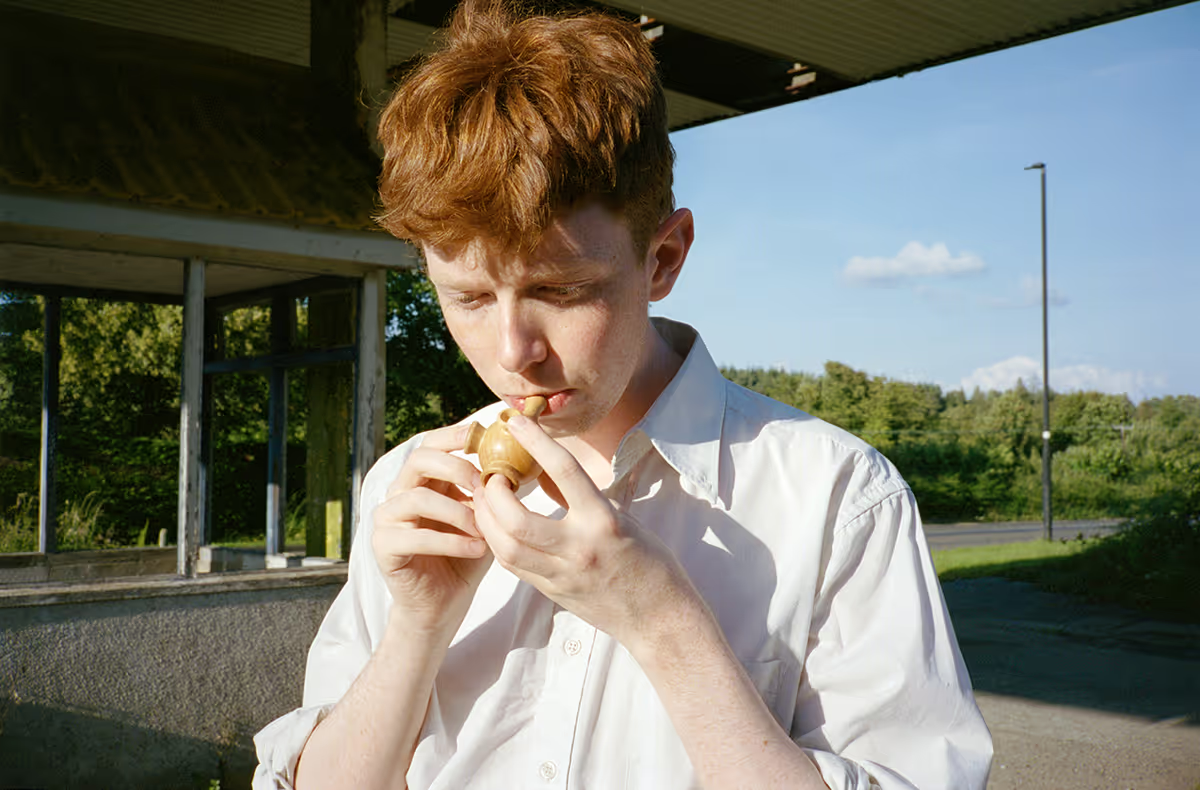
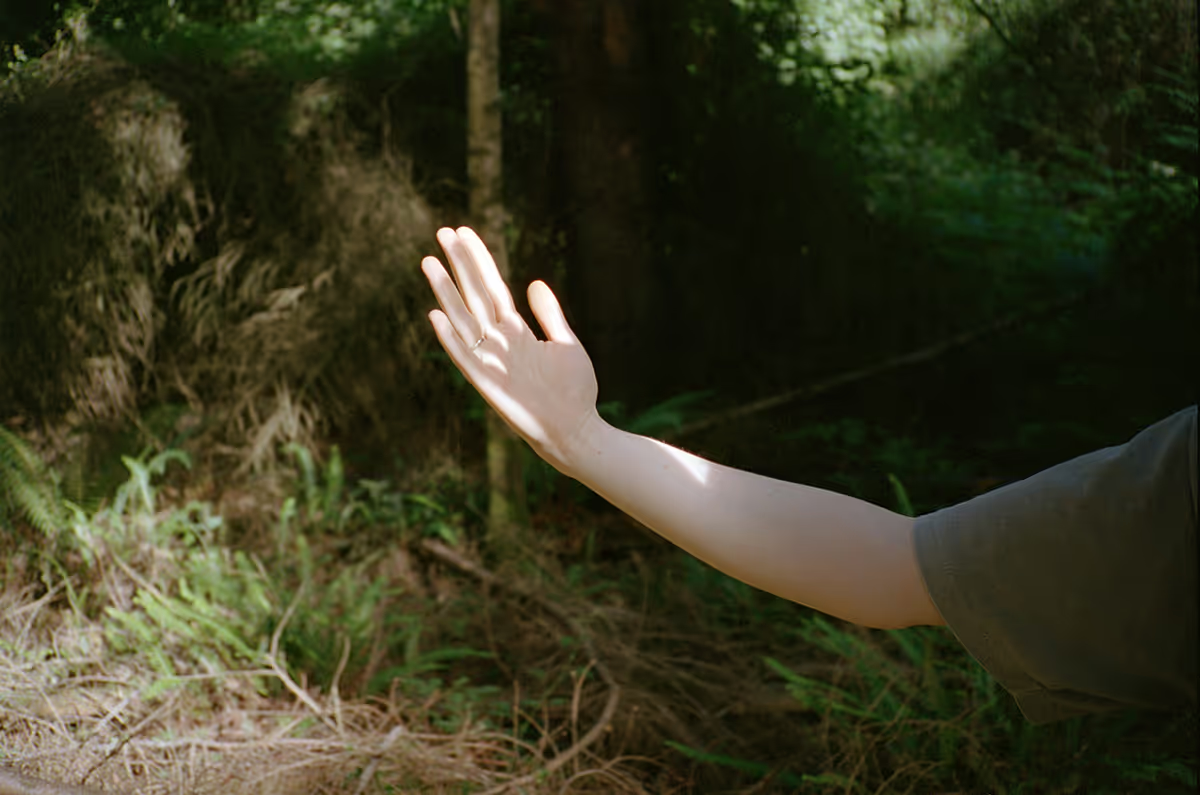
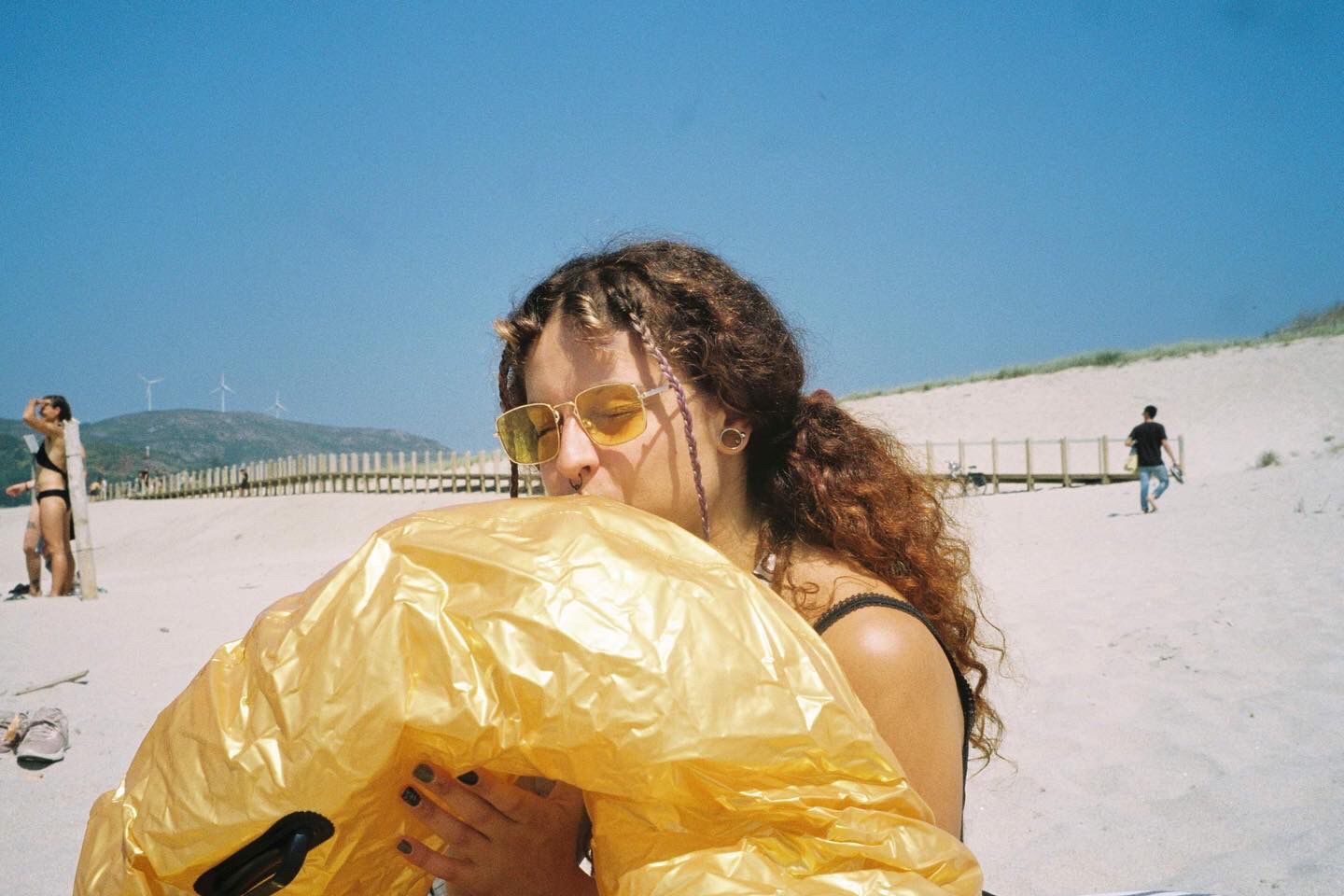
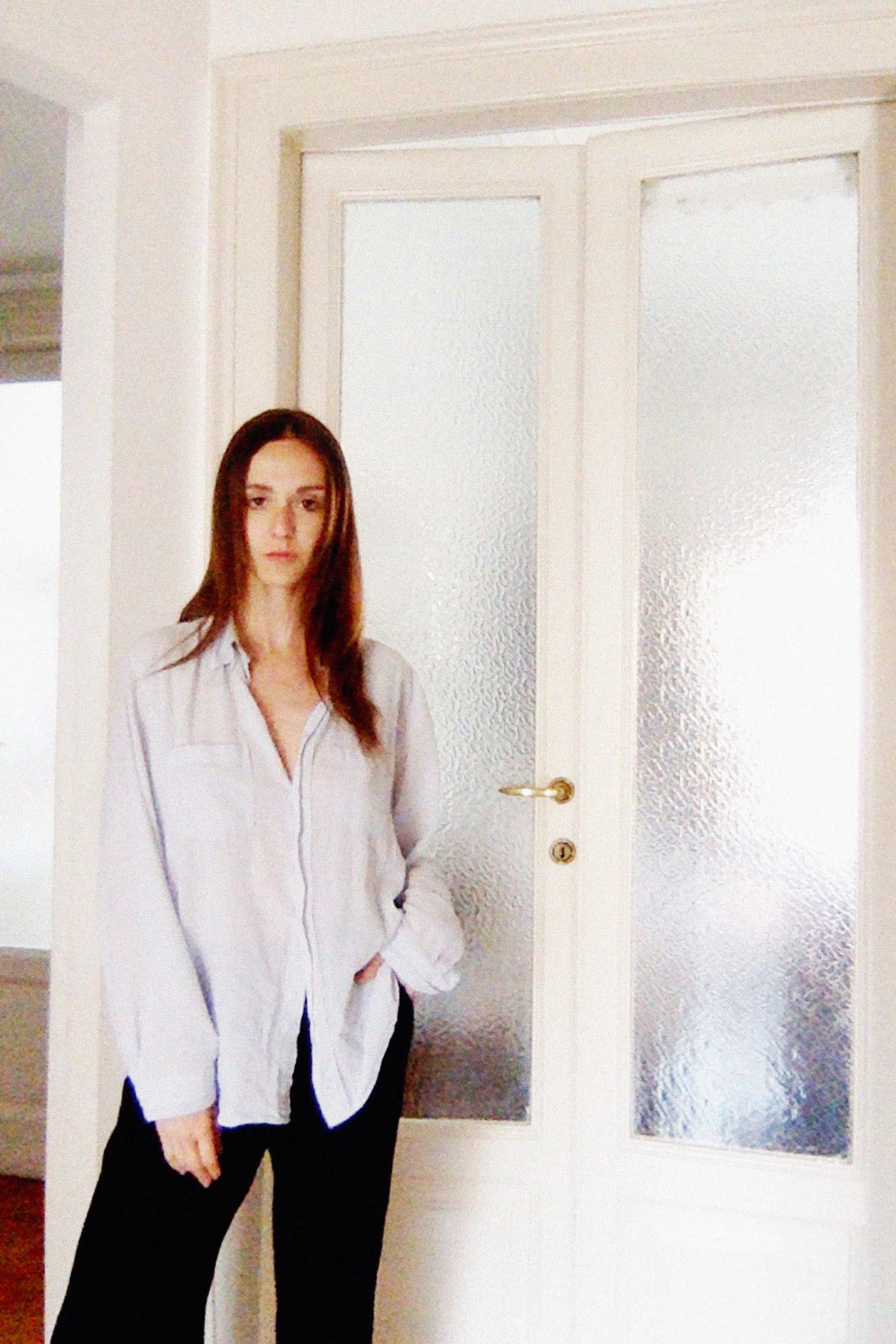
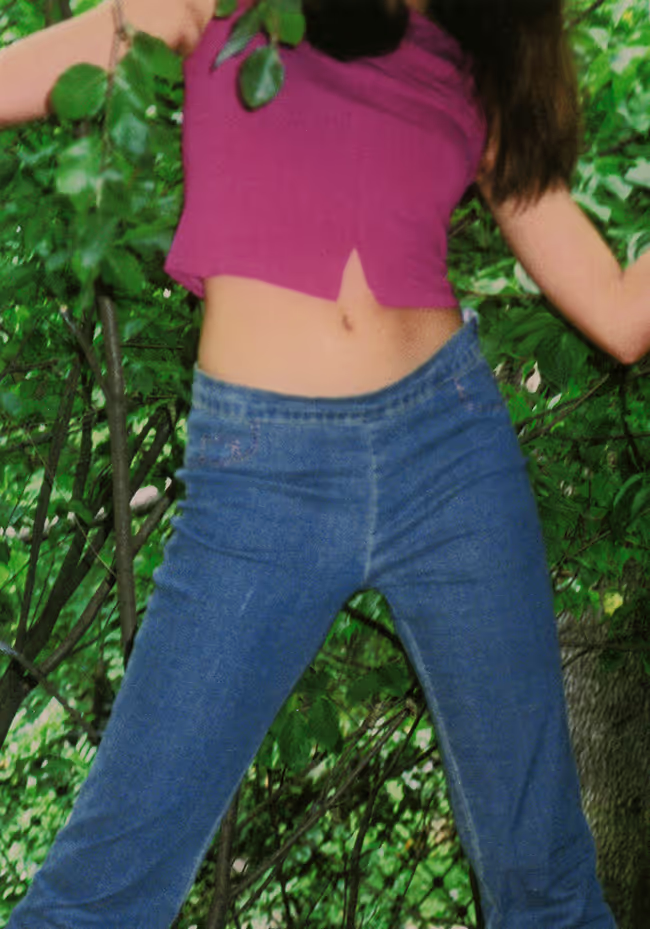
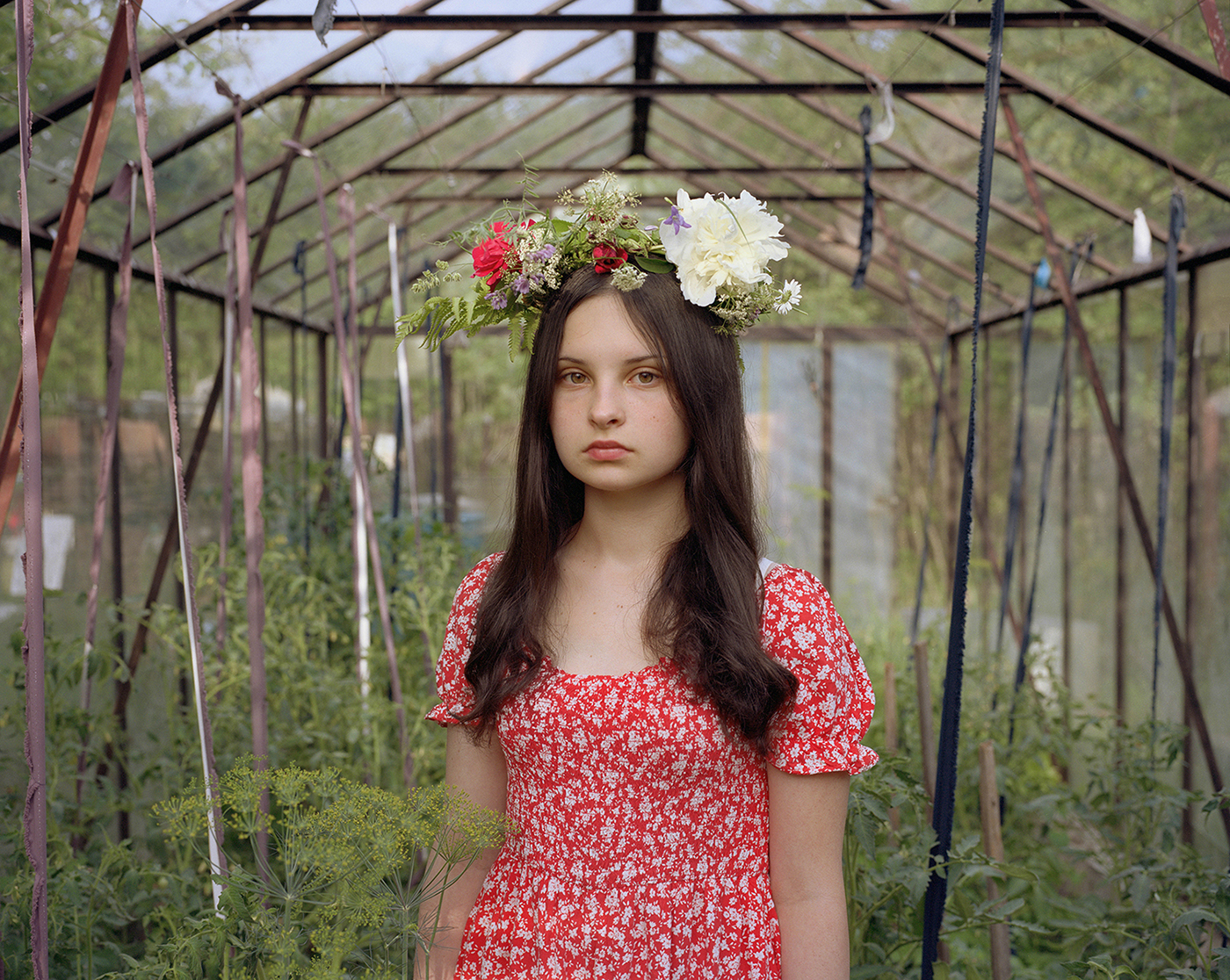
In Diana Tamane’s Half-Love, a relationship of care is built and maintained through photography. Over several years, the project follows the gradual maturing of her half-sister Elina, photographed once a year in the greenhouse of their family home in Varzas. The greenhouse operates both as an improvised studio and as a symbolic space of nurture and protection. For Tamane, the act of photographing is inseparable from spending time together; it allows her to revisit her own childhood while observing Elina’s coming-of-age. The project unfolds as both a long-term portrait and a love letter, an image-based relationship sustained through continuity and mutual commitment.
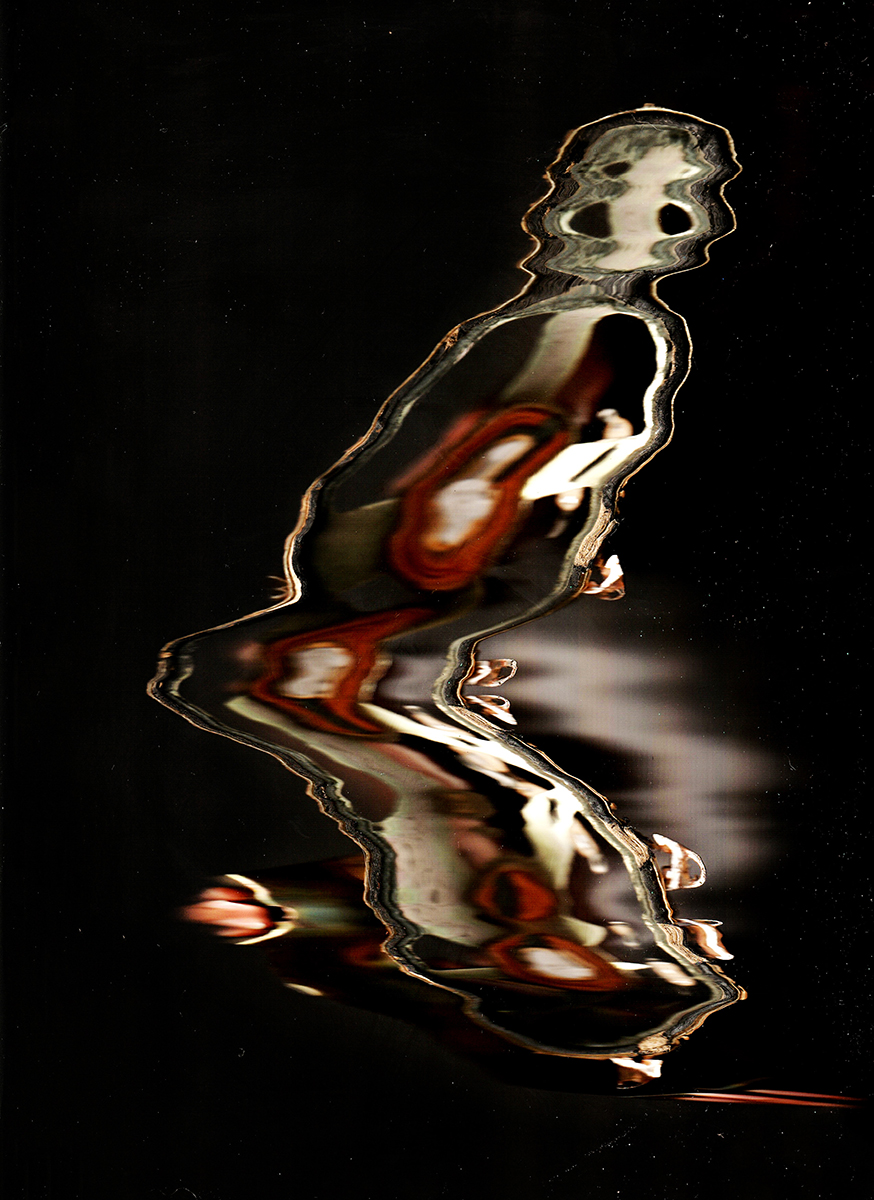
A different articulation of time and memory emerges in Triin Kerge’s embroidered photographic works. In Scenes From a Lost Family Album and the ongoing project Threads of the Canals, photography is slowed down through the tactile, repetitive act of stitching. Kerge works with absence, lost family photographs, fading architectural surfaces, and fleeting reflections, transforming fragile memories into material presence. Each stitch bridges past and present, translating the immediacy of the photographic image into a durational process of repair and contemplation. In Scenes From a Lost Family Album, embroidery becomes a way to mourn and reconstruct what can no longer be fully retrieved, while Threads of the Canals extends this approach to place, treating Venice as a living archive marked by erosion, resilience, and impermanence. Across both projects, memory is neither fixed nor complete, but continuously reworked through labour, touch, and time.
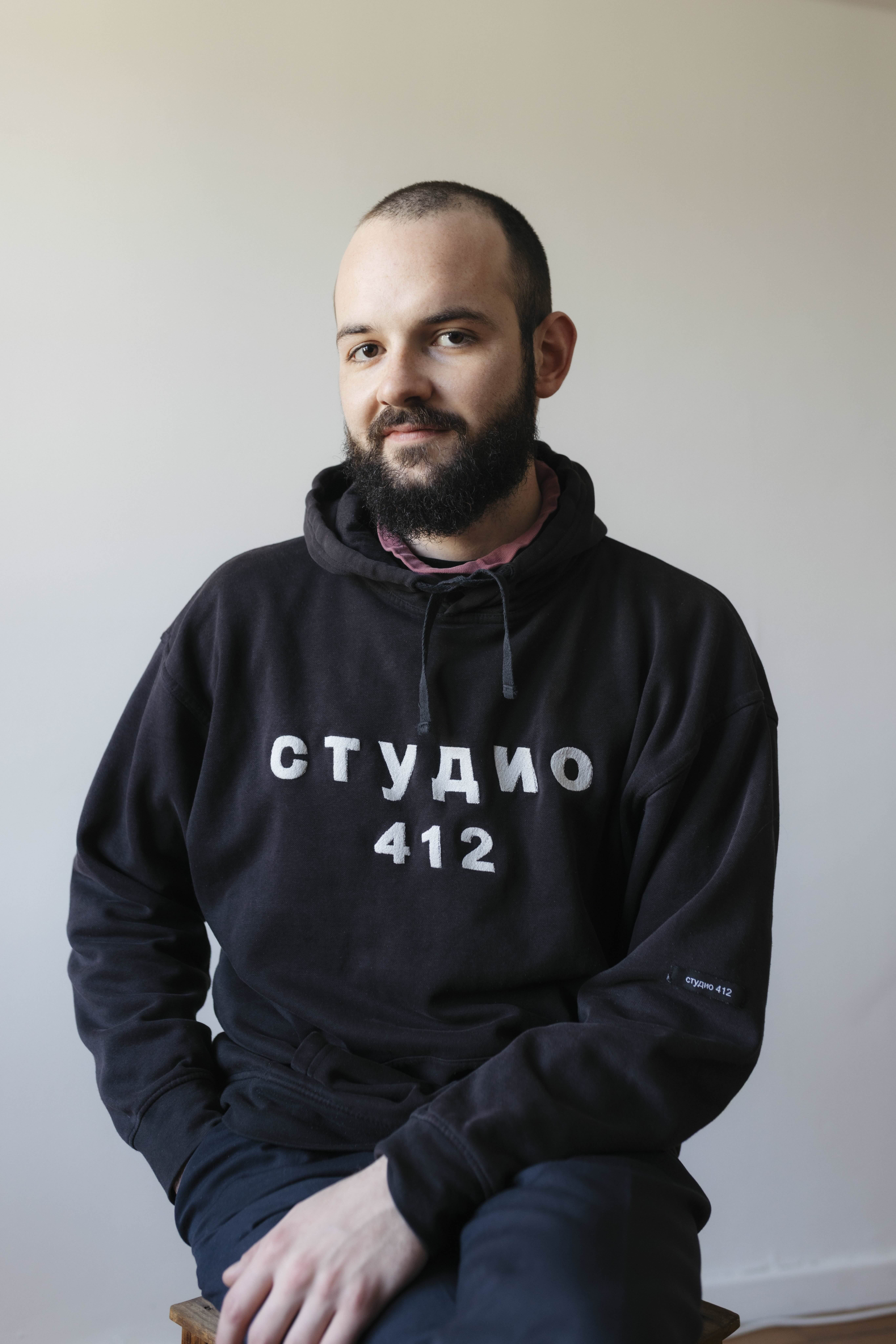
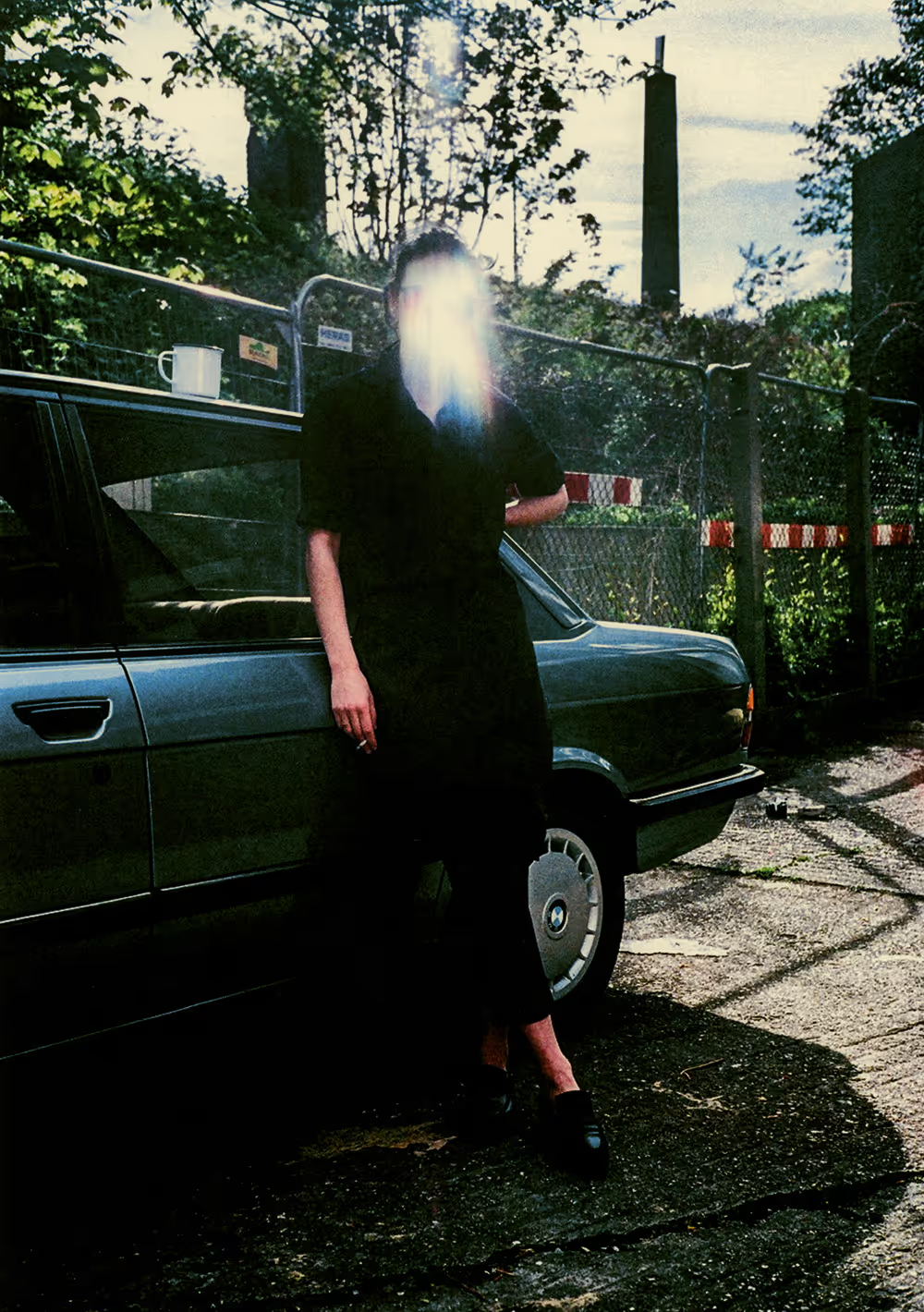
Filips Šmits’ Let’s Get Sun-Kissed approaches slowness through the politics of bodily presence in urban space. Composed of staged interventions across post-Soviet environments, the project explores acts of rest – sunbathing, lying down, pausing – as subtle disruptions within spaces designed for movement, surveillance, and efficiency. A body at rest in the “wrong” place becomes an interruption, raising questions about visibility, entitlement, and behavioural norms in public space. Through these carefully staged moments, the city is reframed as an emotionally charged landscape where pleasure and stillness momentarily resist the logic of productivity.
Together, these three practices propose photography as a medium of duration rather than immediacy. Time is not compressed into a decisive moment but stretched, layered, and inhabited through care, labour, repetition, and embodied presence.