Edit profile
The

Artist

Nominated in
2026
By
PhotoIreland
Lives and Works in
London, UK
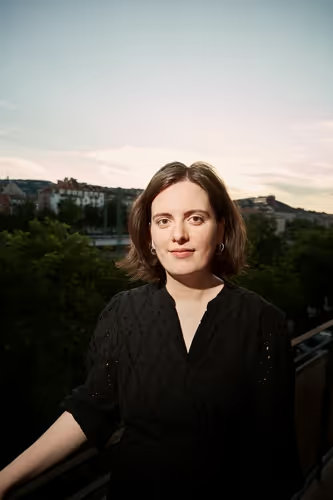
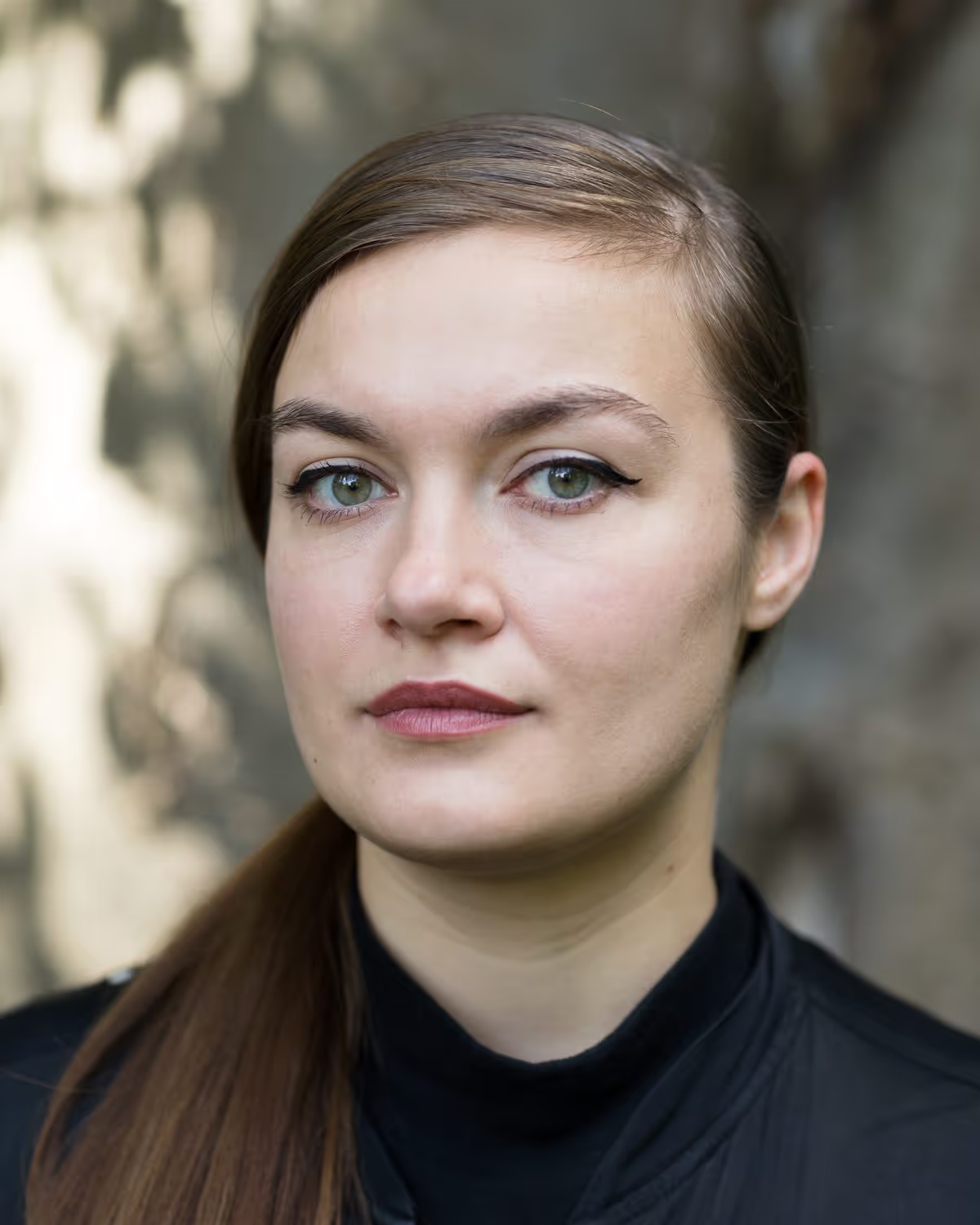
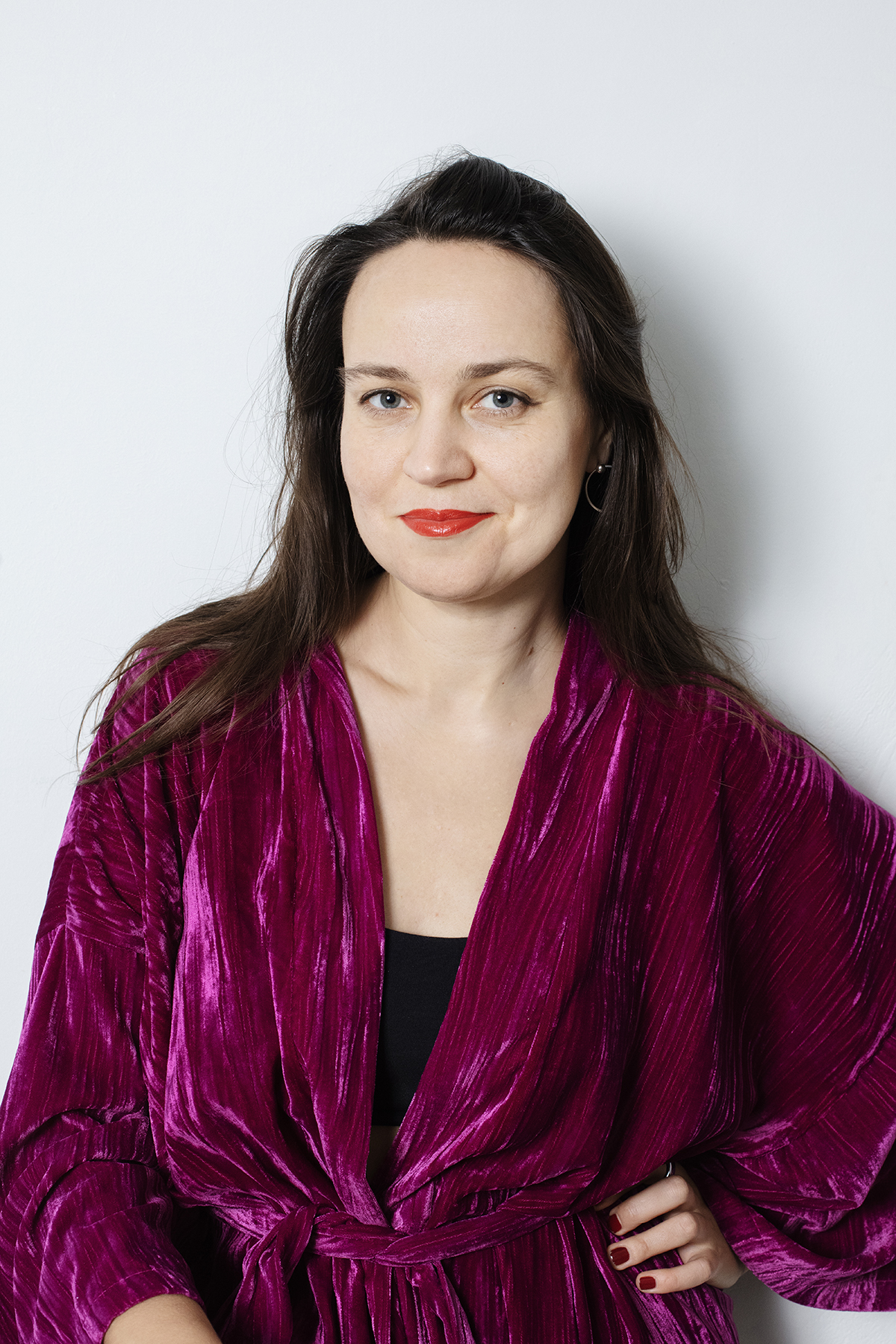
Varvara Uhlik (b.1997, Ukraine) is a London-based visual artist who explores themes of Slavic culture and identity, with a focus on the post-Soviet era’s impact on her generation. Working across photography, installation, and video, Varvara often reworks archival materials, bringing them into dialogue with contemporary narratives and newly produced work. Through this process, she examines the tension between past and present, reality and its digital afterlife, foregrounding the impermanence of our surroundings and the fragility of memory. In 2024, the British Journal of Photography recognised Varvara as a Ones to Watch artist. Her work has been exhibited internationally, including at The Sunday Painter, London; Photo Élysée Museum, Switzerland; European Photography Month, Tokyo; MIA Milan Photo Fair, Italy; Encontros da Imagem, Portugal; and Liquida Photofestival, Italy. Her work has appeared in publications such as The Guardian, Beaux Arts Magazine, Photoworks, Riga Photography Biennial 2025, Der Greif, and LensCulture, among others.
Projects
2023

Sonechko, Yak Ty? (Sunshine, How Are You?)

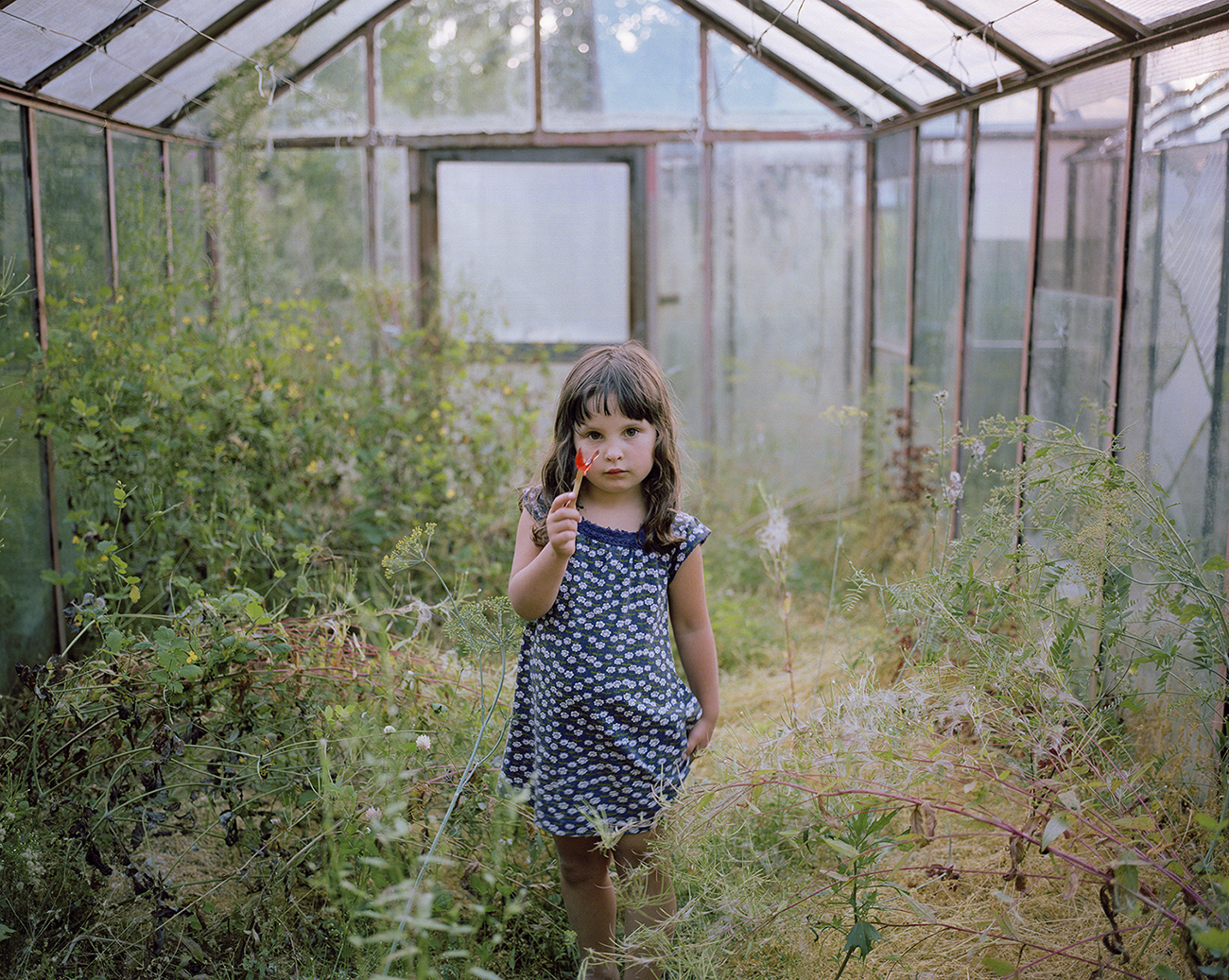
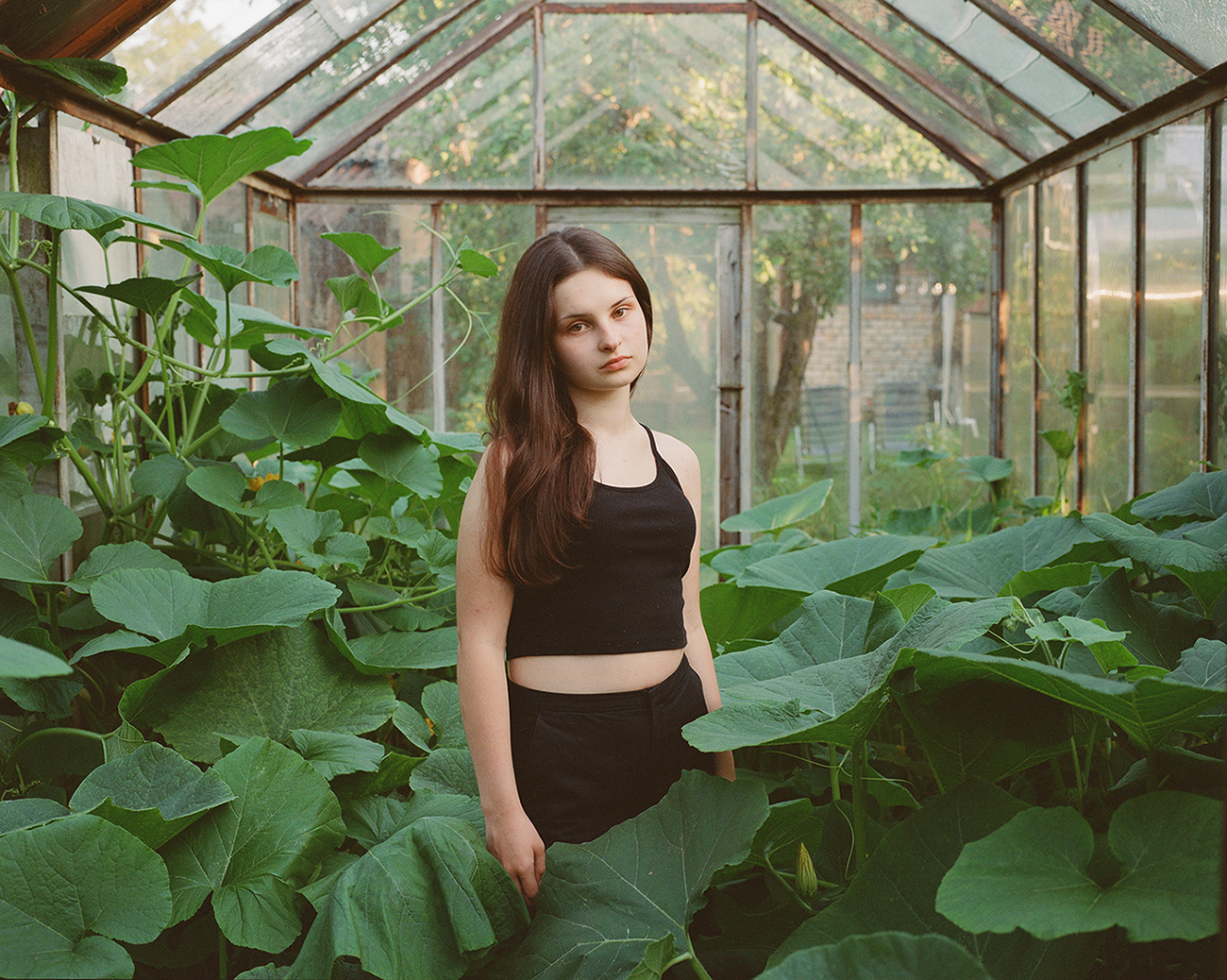
"Sonechko, Yak Ty? (Sunshine, How Are You?)" is an exploration of childhood memories and the enduring impact of the Soviet era on one's sense of identity. Born in eastern Ukraine, five years after the collapse of the Soviet Union, I was often told I was fortunate to have missed the hardships of Soviet rule. However, as I grew older, I began grappling with a profound sense of disorientation and uncertainty about my identity, akin to the elusive sense of self experienced by a Soviet citizen. Caught between the remnants of Soviet influence and my own evolving sense of self, this project represents my process of emotional and cultural renewal in the face of a lingering past. My childhood was a blend of joy and discipline, moments of climbing trees and enjoying my mother’s sour cherry varenyky intertwined with the strict, lingering structures of Soviet values. The weight of this past, still carried by my family, teachers, and community, shaped my early years. Despite the Soviet Union’s dissolution, the oppressive influence of our neighbour endures, now magnified by the war that has forced me away from my family and home. Through newly staged photography and digitally manipulated family archives, I de-construct and re-construct fragments of my past, re-contextualising them as I redefine my identity, femininity, and cultural heritage. Each image serves as a piece in the puzzle of my self-discovery, reflecting on how memories shape and transform our understanding of who we are. This series explores how memories are preserved, distorted, and altered over time, serving both as an introspective reflection and as a portrayal of a generation coming of age in the post-Soviet world. While addressing generational traumas, it also reclaims Ukrainian identity from the shadows of Russian colonialism by admitting the beloved, yet Russified childhood.
2025

Lyoh

My grandmother’s root cellar was lined with shelves of jars filled with pickled fruits and vegetables - a common sight in (post)Soviet Ukraine, where scarcity made preservation a necessity. Drawing on this domestic ritual, the work reflects on the desire to preserve sustenance as well as sentiment. By sealing family photographs from holidays in Crimea and school days in Dnipro together with seasonal vegetables, the piece transforms a familiar act of preservation into a metaphor for memory itself. The jars become vessels of nostalgia and impermanence, embodying the desire to preserve and to savour what will be gone. Lyoh is the Ukrainian word for Root Cellar.
Varvara Uhlik
was nominated by
PhotoIreland
in
2026
Show all projects
Each year every member of the FUTURES European Photography Platform nominates a set of artists and projects to become part of the FUTURES network.

The artists navigate a variety of concerns and topics, from the personal to the universal, asking pertinent and at times uncomfortable but urgent questions, bringing contemporary issues to the fore.

Originally from Egypt, Eslam Abd El Salam is an artist based in Belfast, Northern Ireland, whose gentle but powerful work focuses on walking as a pedagogical practice. Through an intuitive visual language, Eslam's practice centres around motion and nature, while raising conversations around belonging.

Exploring similar topics around belonging and identity, Polish artist Izabela Szczutkowska, practicing and residing in Ireland, works with darkroom processes and collage. Using the recurring motifs of a body and a stone, combining analogue photography and collage, the work explores states of becoming shaped by time, environment, and uncertainty.

Asking pertinent questions, Wales artist Jack Moyse presents us with the lived disabled experience, providing insight into those marginalised in the UK. All the while, he proposes photography as a liberatory tool, using his practice to confront the oppressive systems and intrusive bureaucracy.

Irish artist Thérèse Anna Rafter investigates how Western visual culture represents the living world, particularly through institutional and museum contexts. Her work draws on institutional displays and photographic traditions to examine how relationships between humans, animals, and land are defined and upheld.

Varvara Uhlik is a Ukranian artists based in London. Uhlik amalgamates archival materials with contemporary imagery, highlighting the fragility of memory and tension with the digital. In her projects, Uhlik explores themes around Slavic and post-Soviet visuals and identities.

The artists this year represent the wealth of diversity and traditions in contemporary realities across Europe, strengthening and shaping new forms of creative expression.

Members of the jury:

Eamonn Doyle, Artist (Ireland)

Siân Addicott, Director, Ffotogallery (Wales)

Vivienne Gamble, Director, Stills Centre for Photography (Edinburgh)
Newsletter