Edit profile
The

Artist

Lives and Works in
Leipzig, Germany
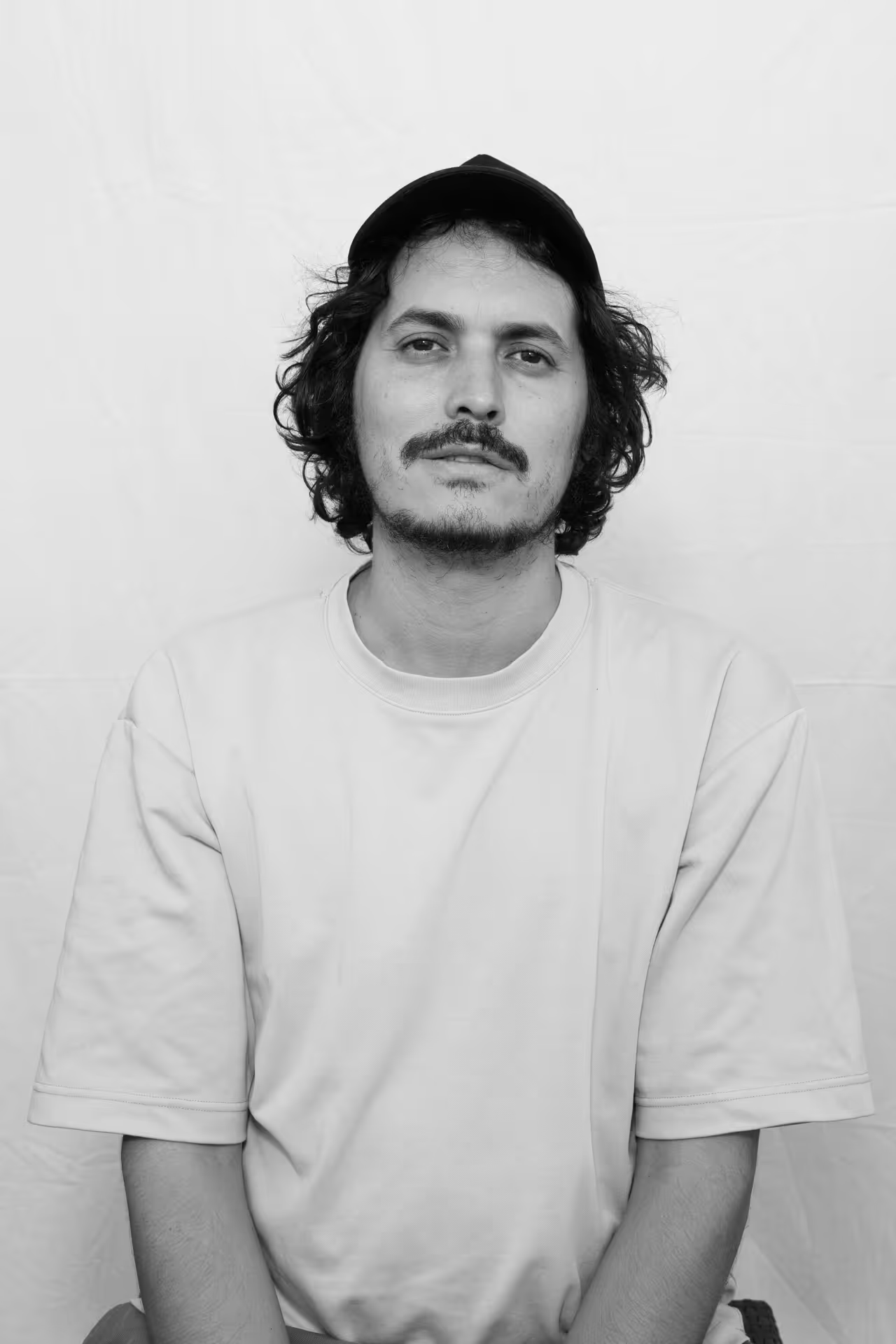
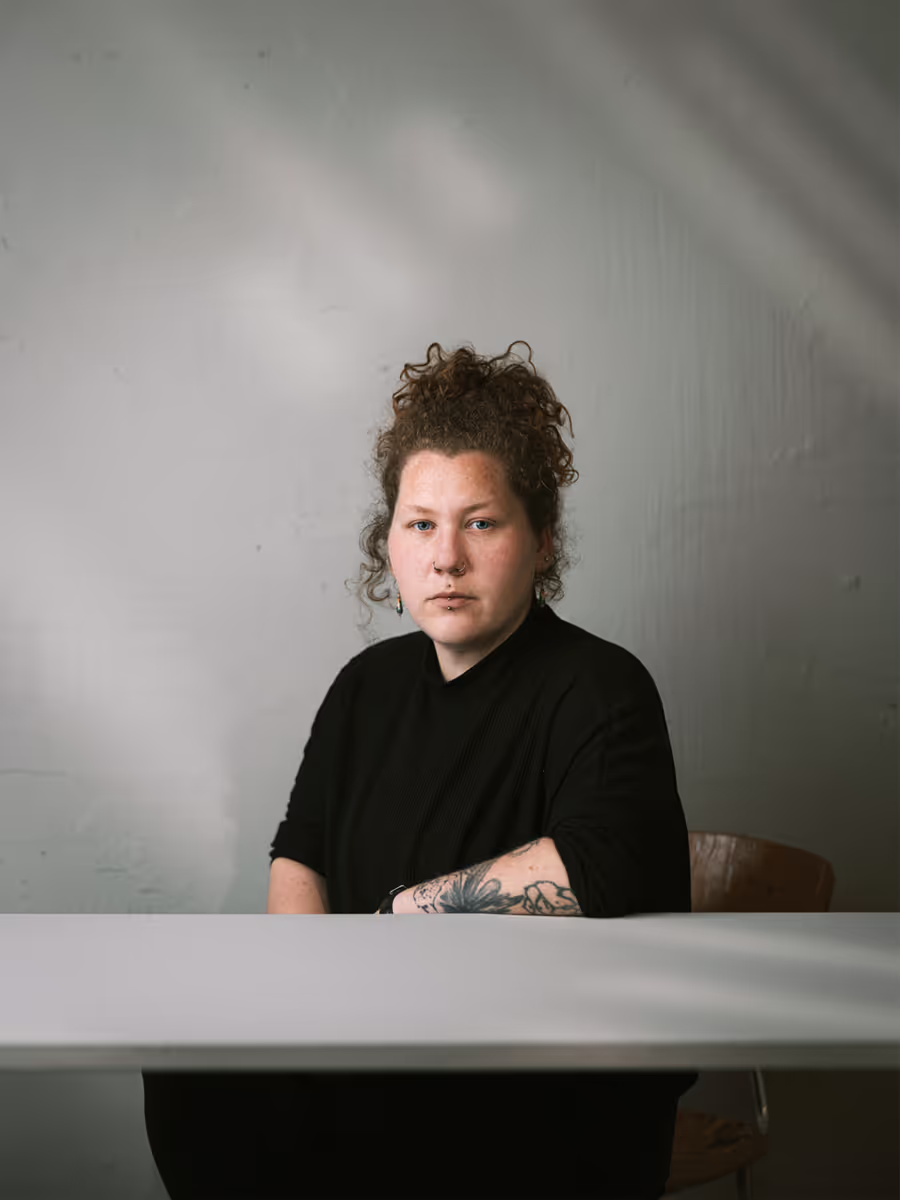
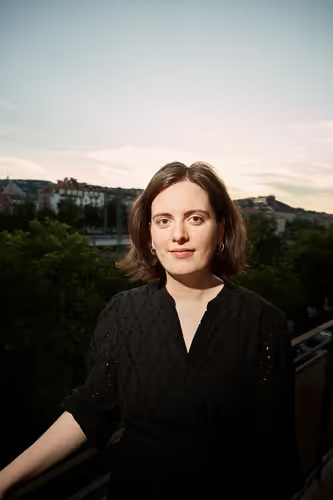
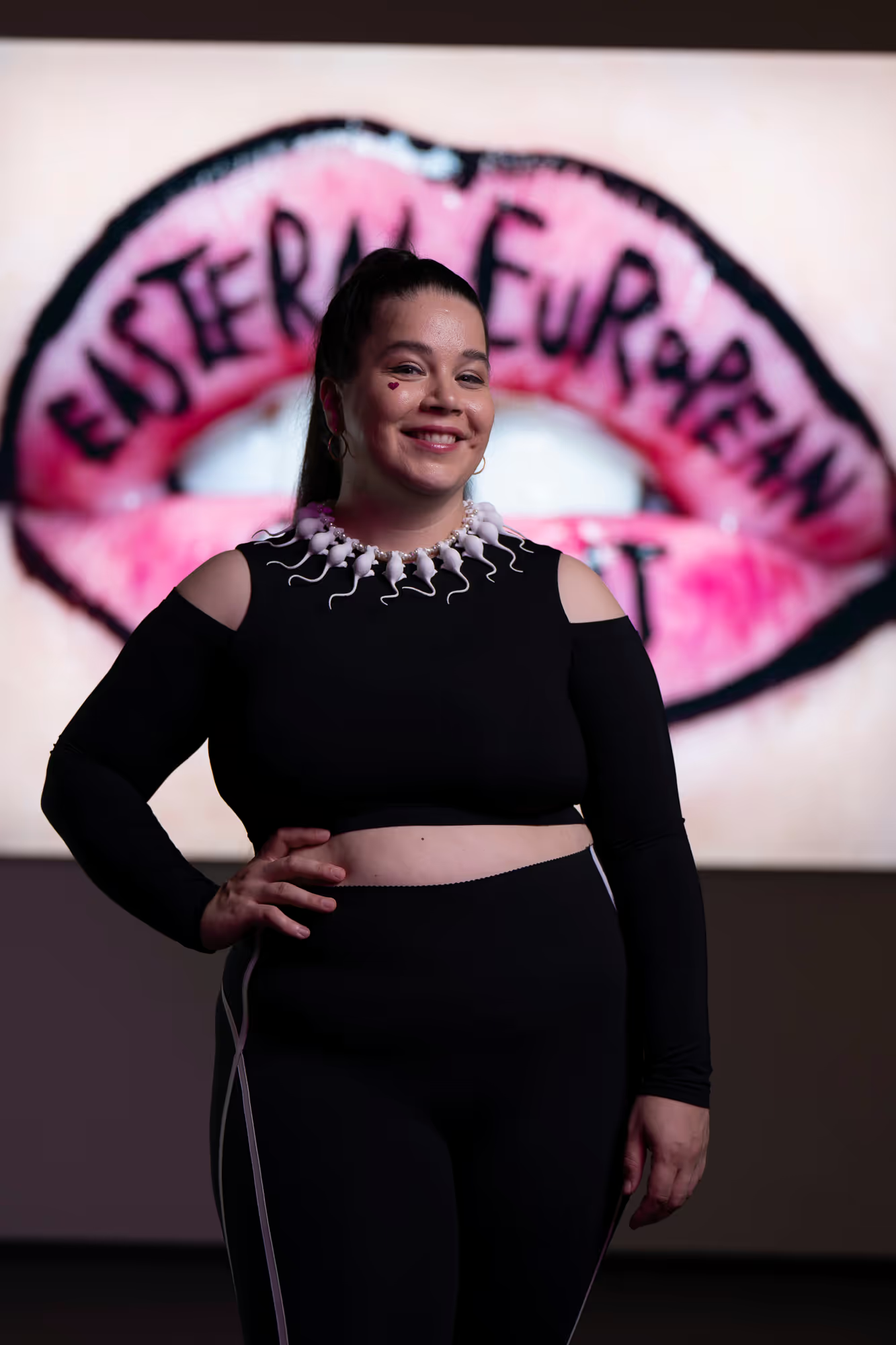
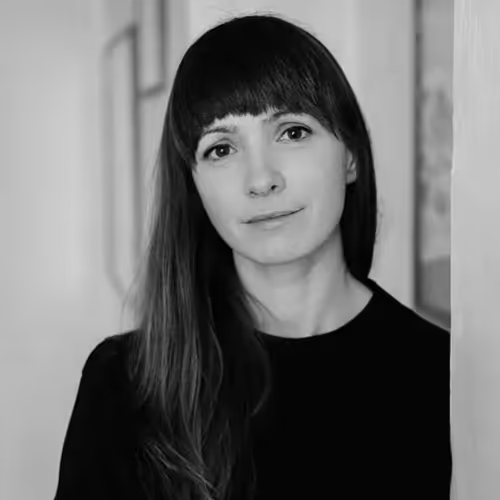
ROXANA RIOS *1994 (they/them) currently based in Leipzig, Germany. In 2017 Roxana picked up a double study at HGB Leipzig and AdBK Nuremberg and studied in the classes of Heidi Specker and Juergen Teller. After graduating in 2020 Roxana joined Isabel Lewis' class of the performing Arts.They received their Diploma in July 2023. Roxana's work has been shown at Museum Folkwang Essen, DEICHTORHALLEN Hamburg, Museum of Contemporary Art Leipzig, Fotomuseum Winterthur and FOTOHOF Salzburg. Roxana was nominated for the Federal Prize for Art Students in 2020 and won the Contemporary German Photography Grant in 2024                                                                   Roxana's current practice engages in critical discussions concerning the development of (hegemonial) narratives, as well as the relations between image- and knowledge-production. Roxana examines ‘the’ body as a construct, material and representative within social orders.In this function, the work understands itself as an exercise in utopian thinking, seeing and speaking – a contribution to contemporary, social and aesthetic discourses.
Projects
2025

ALIAS

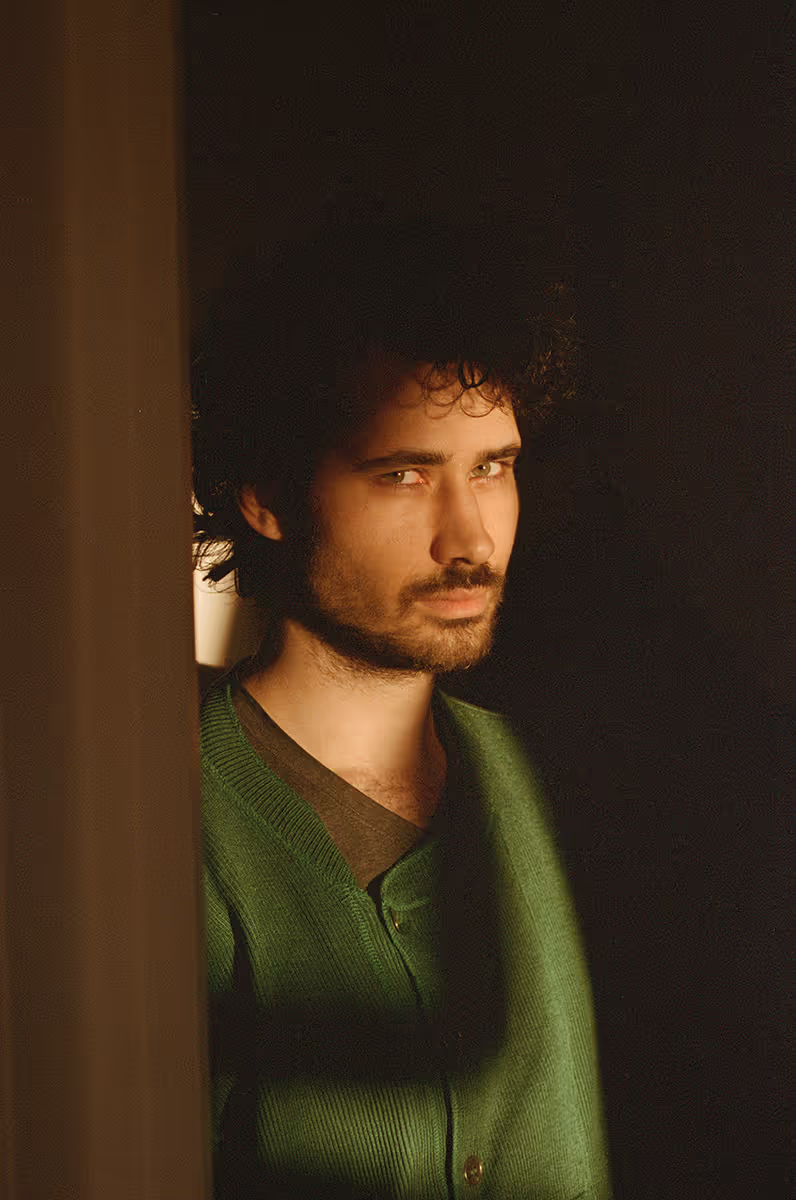
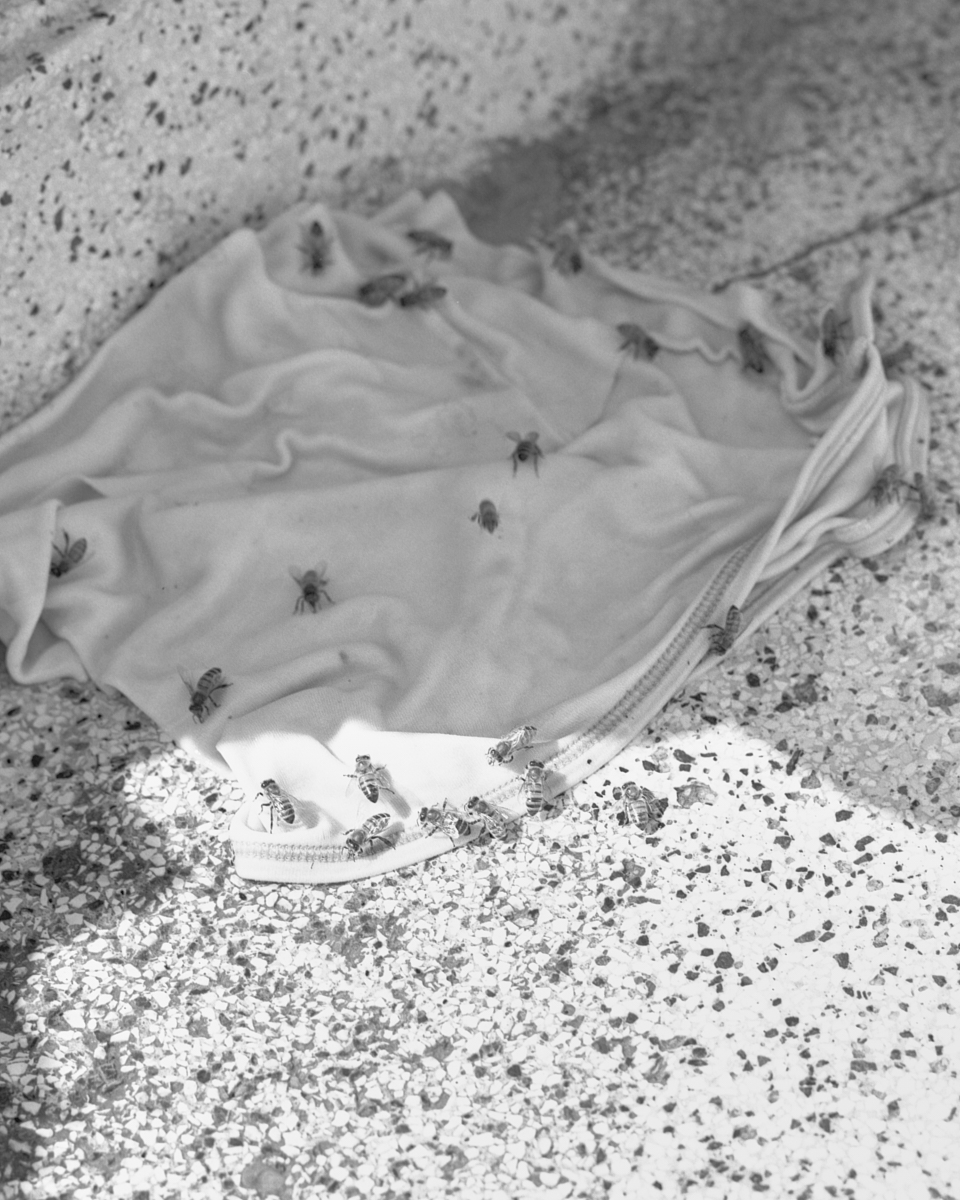
Drawing from Drag looks, the collaboration ALIAS examines methods of self-presentation as fundamental techniques in the construction of gender roles. Originating in queer subculture, Drag has a rich history stretching back to the 19th century. It plays with the interplay between self- and external perception, by staging and simultaneously questioning traditional gender roles and identities. Within this performative and at times activist framework, normative boundaries are challenged and redefined. Especially trans identities, who have always been part of drag history, profoundly rely on the analysis and mastering of these codes. In ALIAS, the process of character-creation is deconstructed, revealing its components as fluid and interchangeable. Through the explicit de-/construction of gendered markers, fixed attributions are loosened and shifted, a physical surface is understood as a fluid potential. "Personal identity is never identical to the external image and continua#y reinvents itself in the constant flow of redefinition." Roland Barthes. On show at Mouches Volantes as part of Photoszene-Festival by Internationale Photoszene, Köln from 16.05 — 15.06.25
2025

echo (ongoing)

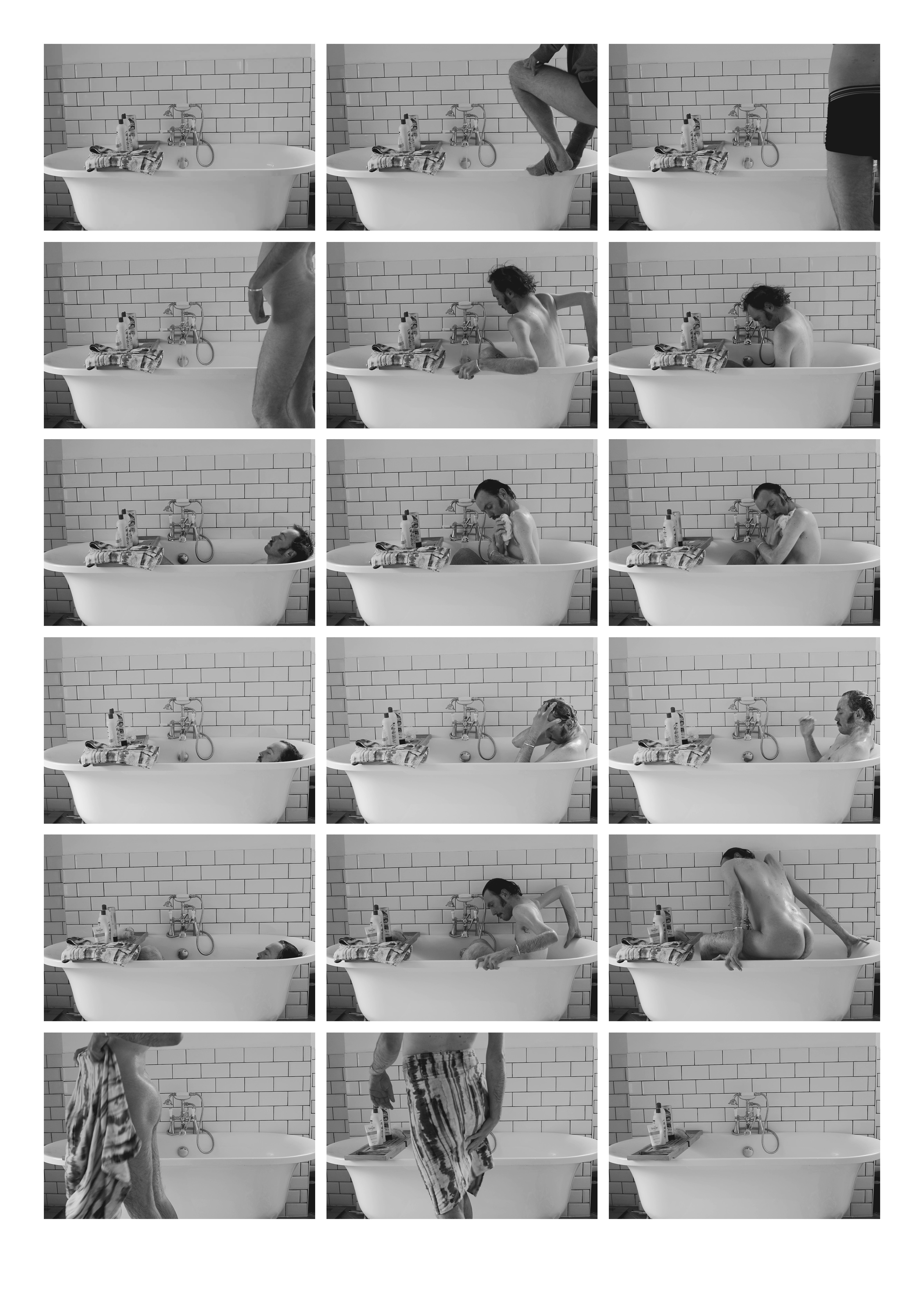
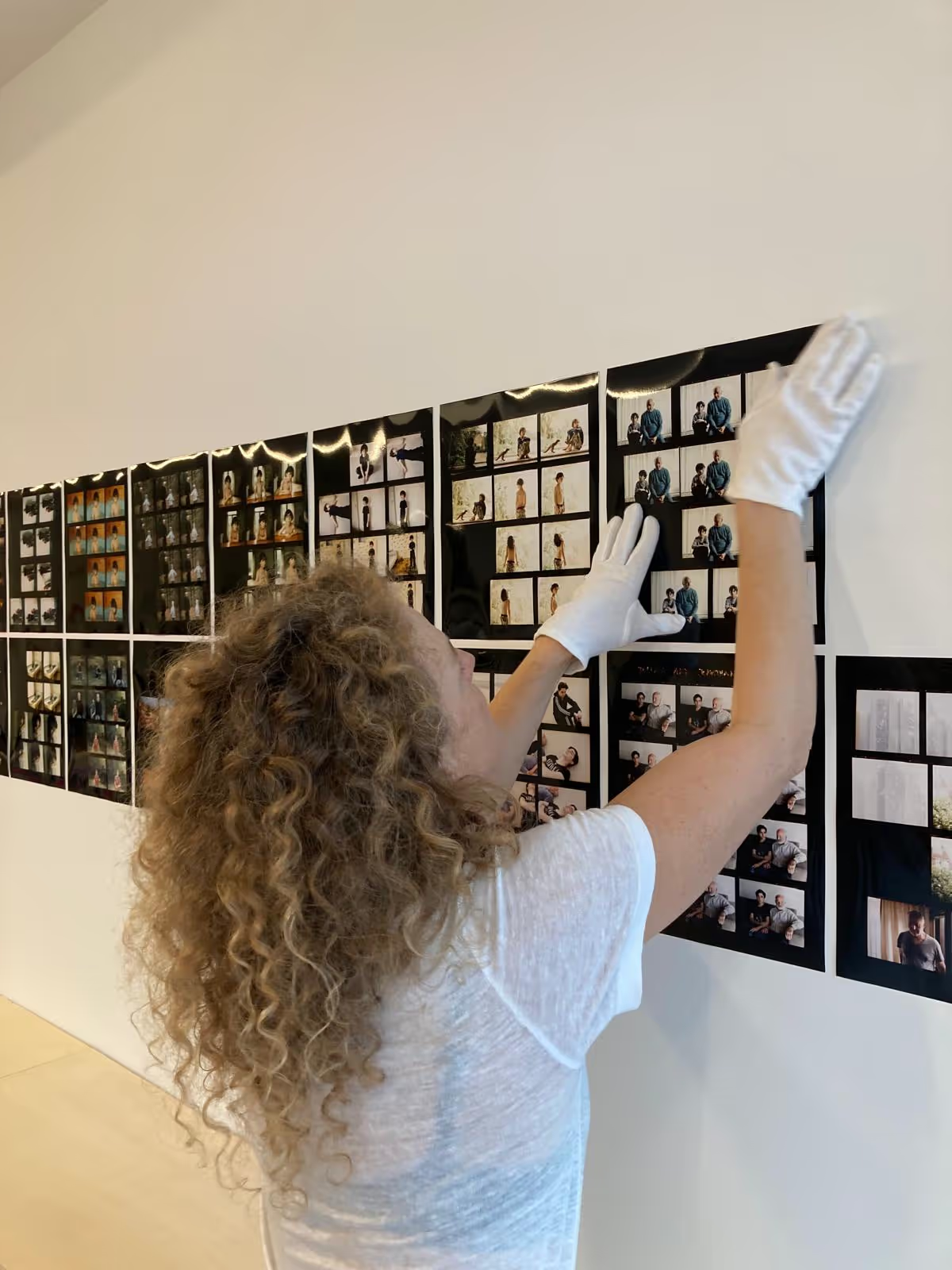
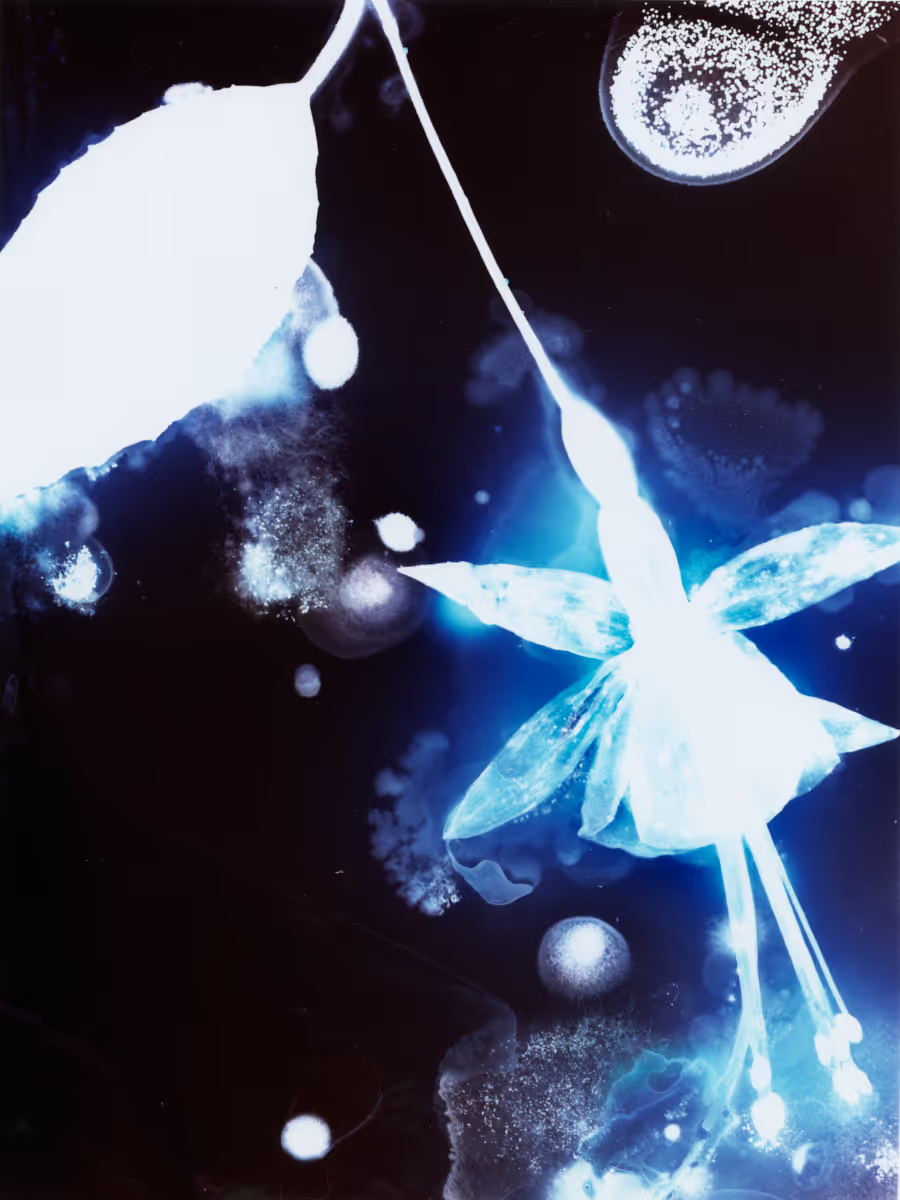
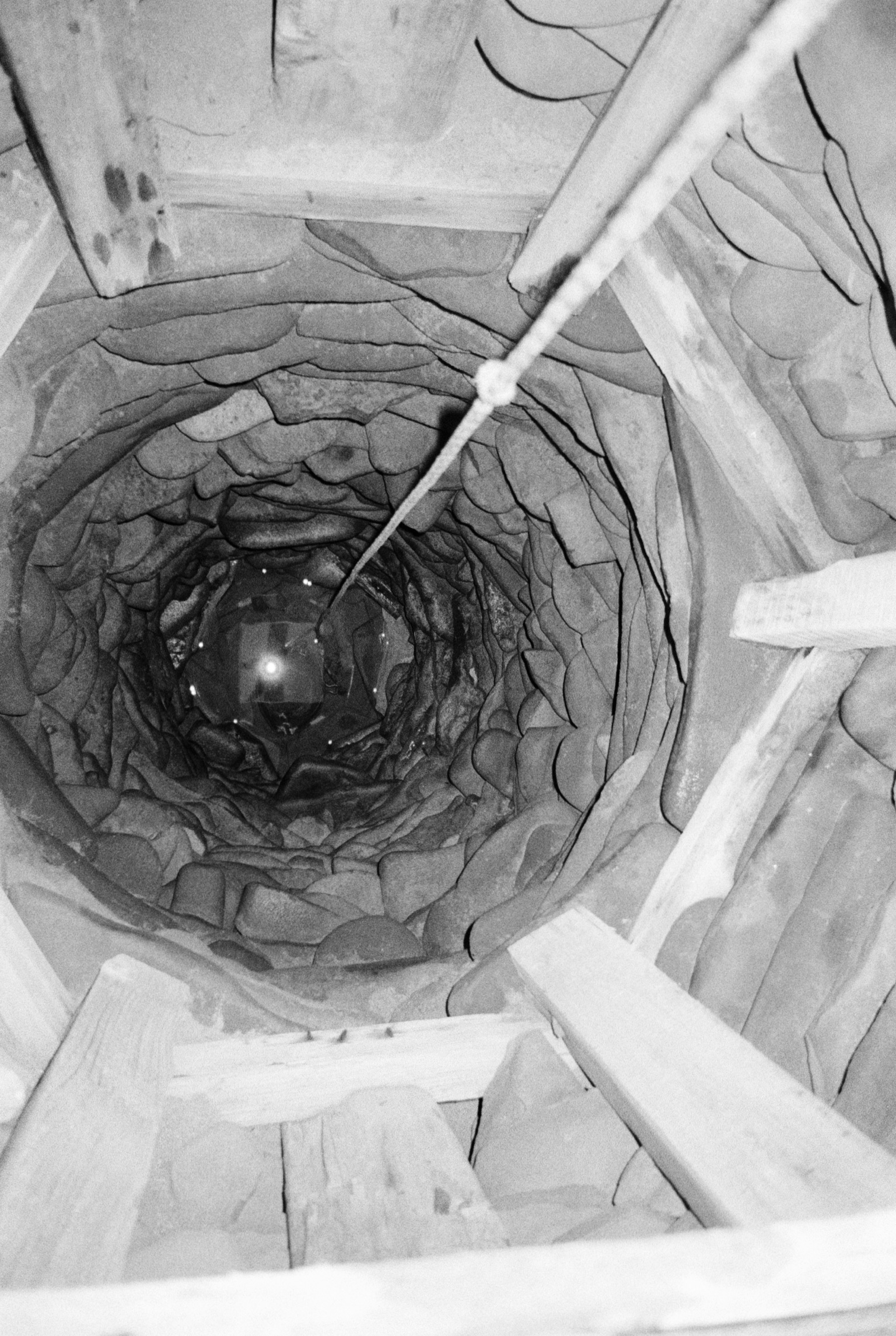
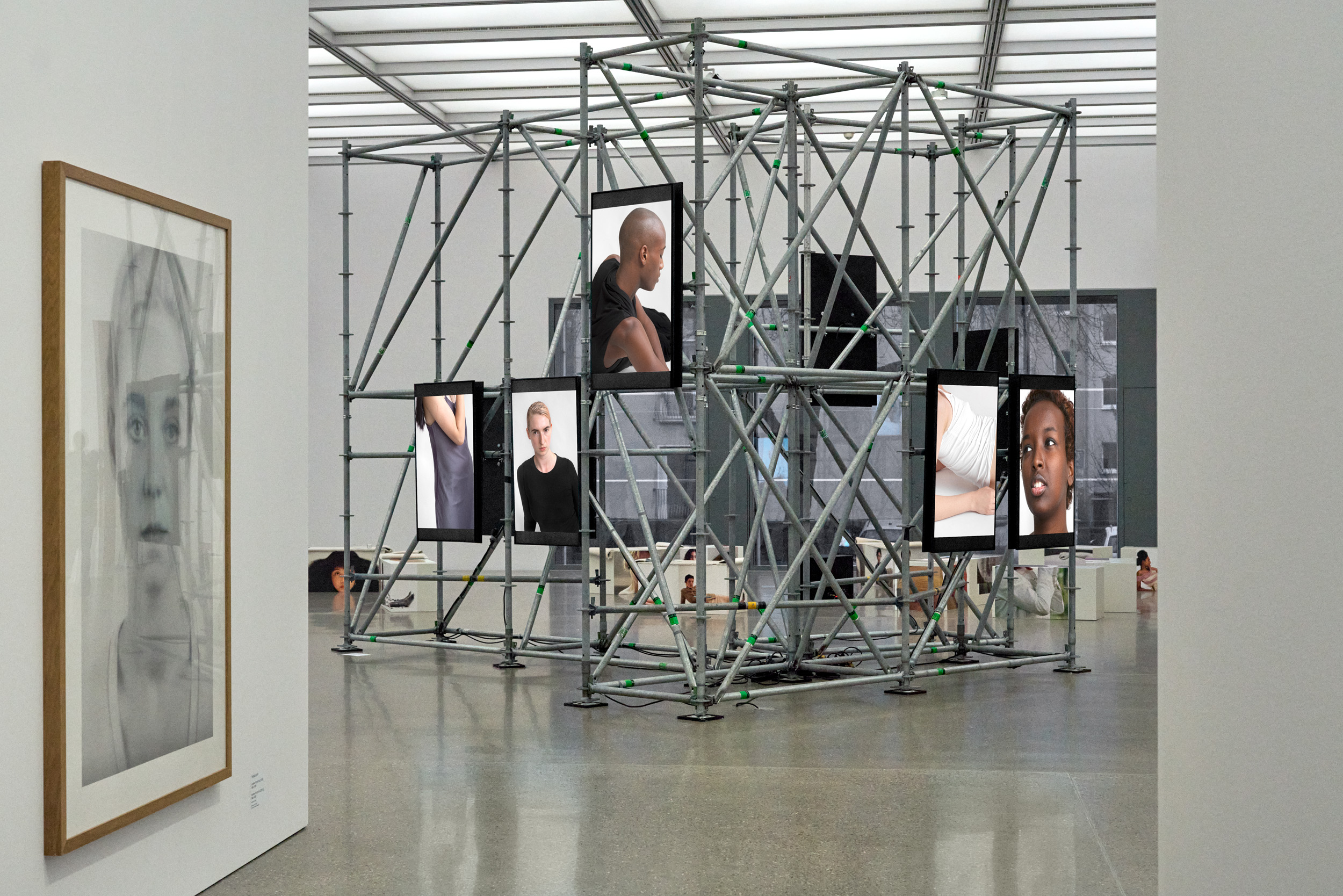
With Echo, I continue my long-standing inquiry into corporeality as a volatile terrain of political and aesthetic negotiation. Within photographic, performative and installation formats, my work deals with the body as a construct, material and representative within social orders. The work comprises a total often camera setups, which are to be installed as a 3-channel projection in the space as well as brought together in the form of a book. Since its invention, photography has not only depicted identities, but actively co produced them. Echo positions itself against the traditional notion of a clear photographic subject and makes the power structures of portraiture negotiable. As a trans* body, I find myself in a constant balancing act between internalised and projected politics of gazes. Photography is understood not only as a means of representation, but also as an active agent in the production of cultural meaning. On this basis, Echo examines the role of photography in the (de)construction of traditional identity categories in order to develop pluralistic perspectives on individual and collective identity. The project thus operates at the intersection of photography history, media theory and gender studies. A technical setup consisting of three synchronised cameras enables a critical reassessment of classical photo theory and connects it with contemporary discourses on the body, power, politics of visibility and self-determination. In the process of critical consciousnes(1), Echo allows the self-portrait to become a place where mechanisms of being seen are critically examined and transformed into self-determined, transformative practice(2). Instead of a linear operator-referent-spectator triangle, a simultaneous, plural and fluid image space emerges. The image does not show ‘who I am’ but rather makes visible the conditions under which an ‘I’ is produced and seen in the first place. Echo thus creates a diagram of relations as a visual metaphor for the fact that identity is always mediated by the media and visibility is a space of negotiation. ___ (1) Conscientização, Paulo Freire (2) "Self-attributions and external attributions go hand in hand here; however, the participants never fa" into the temptation of viewing the social game as natural and thereby fixing certain identities.“ Stiegler, 2024
2020

FIGURE, FORM

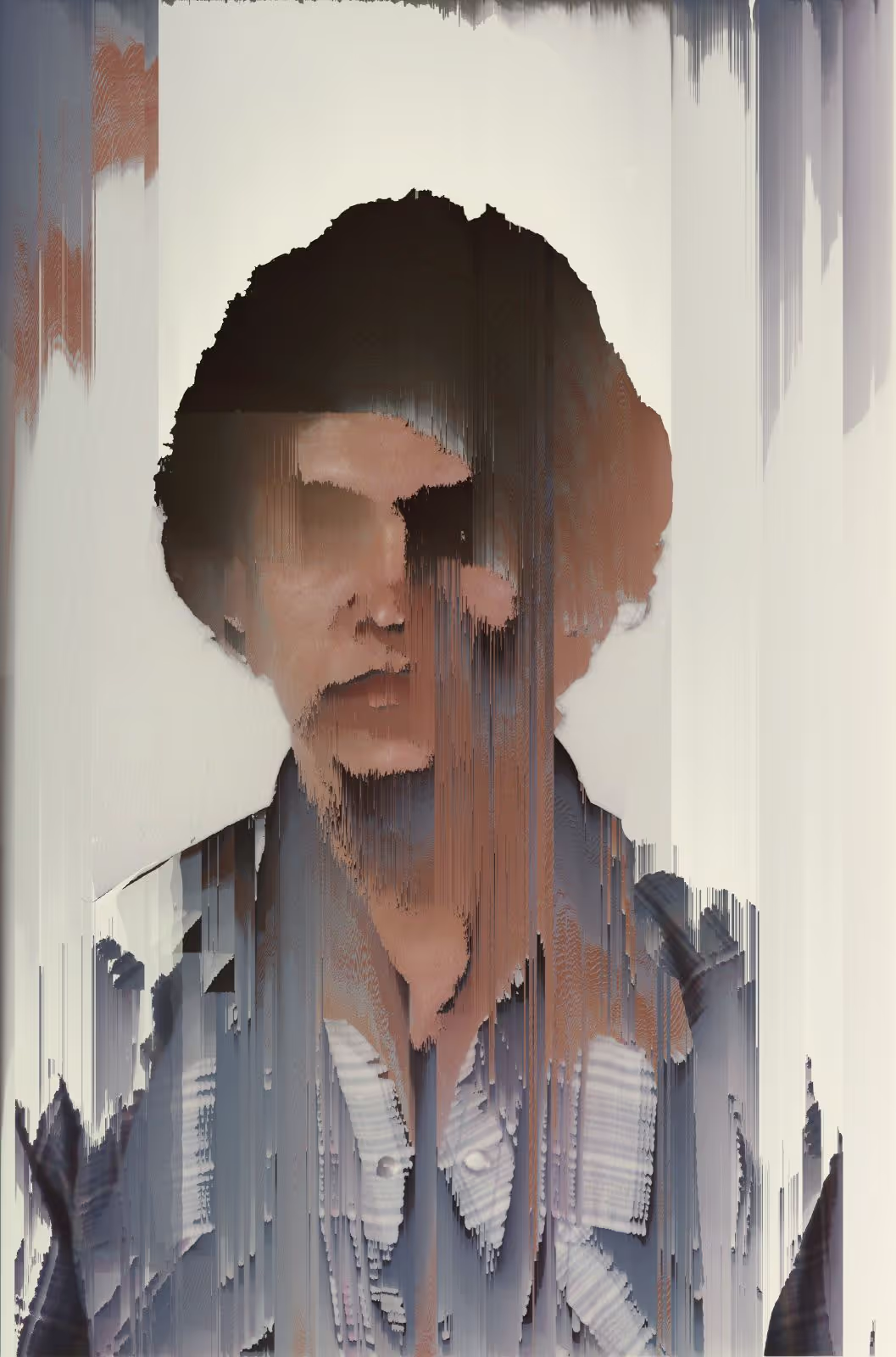
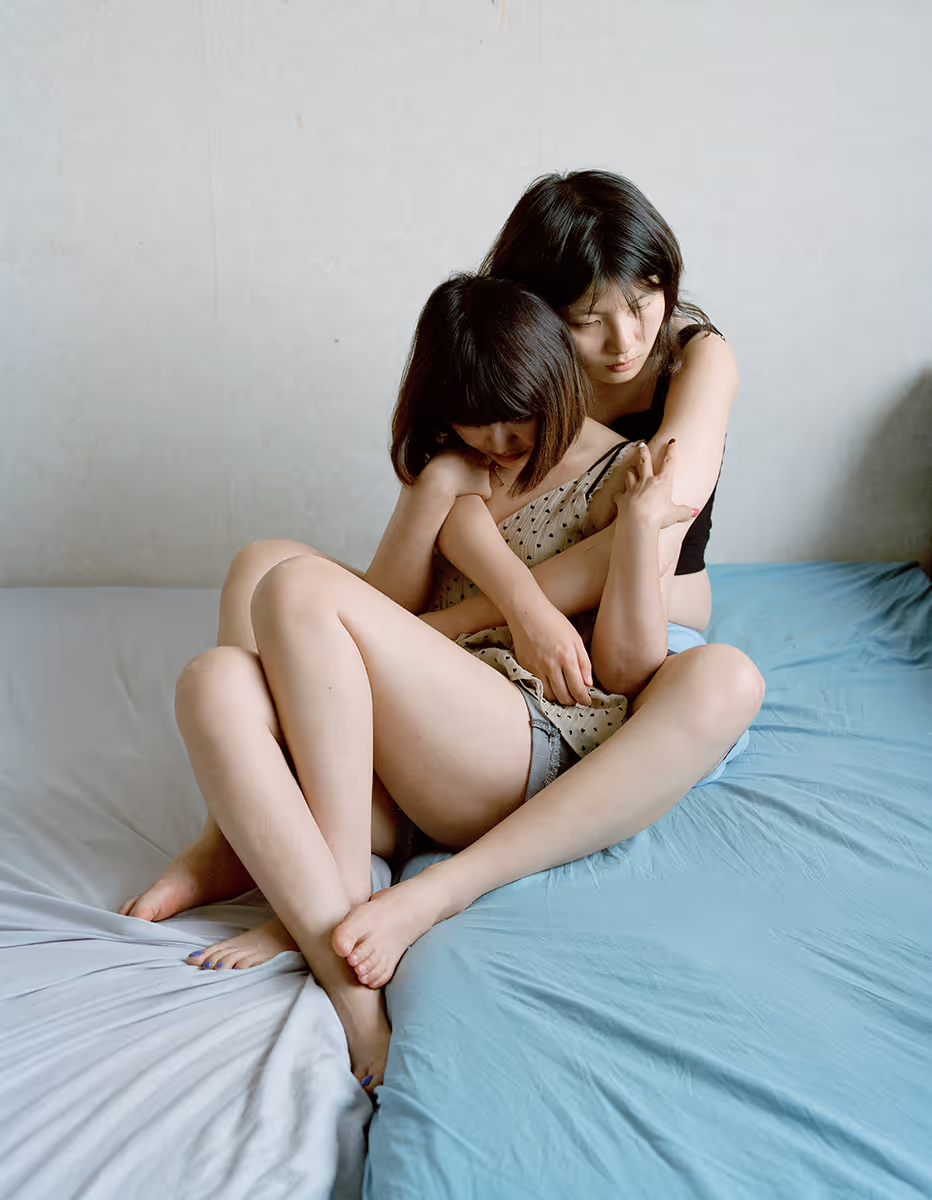
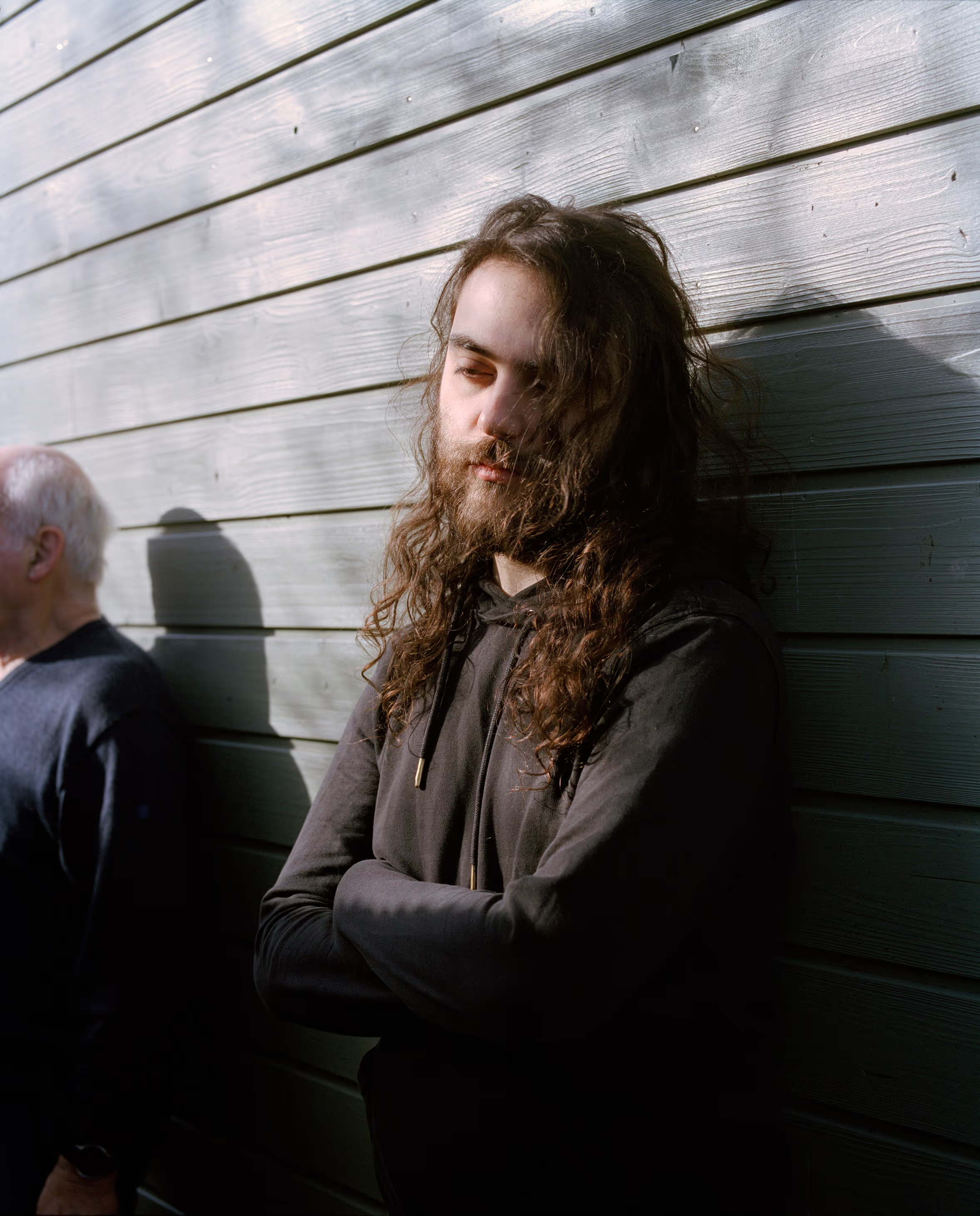
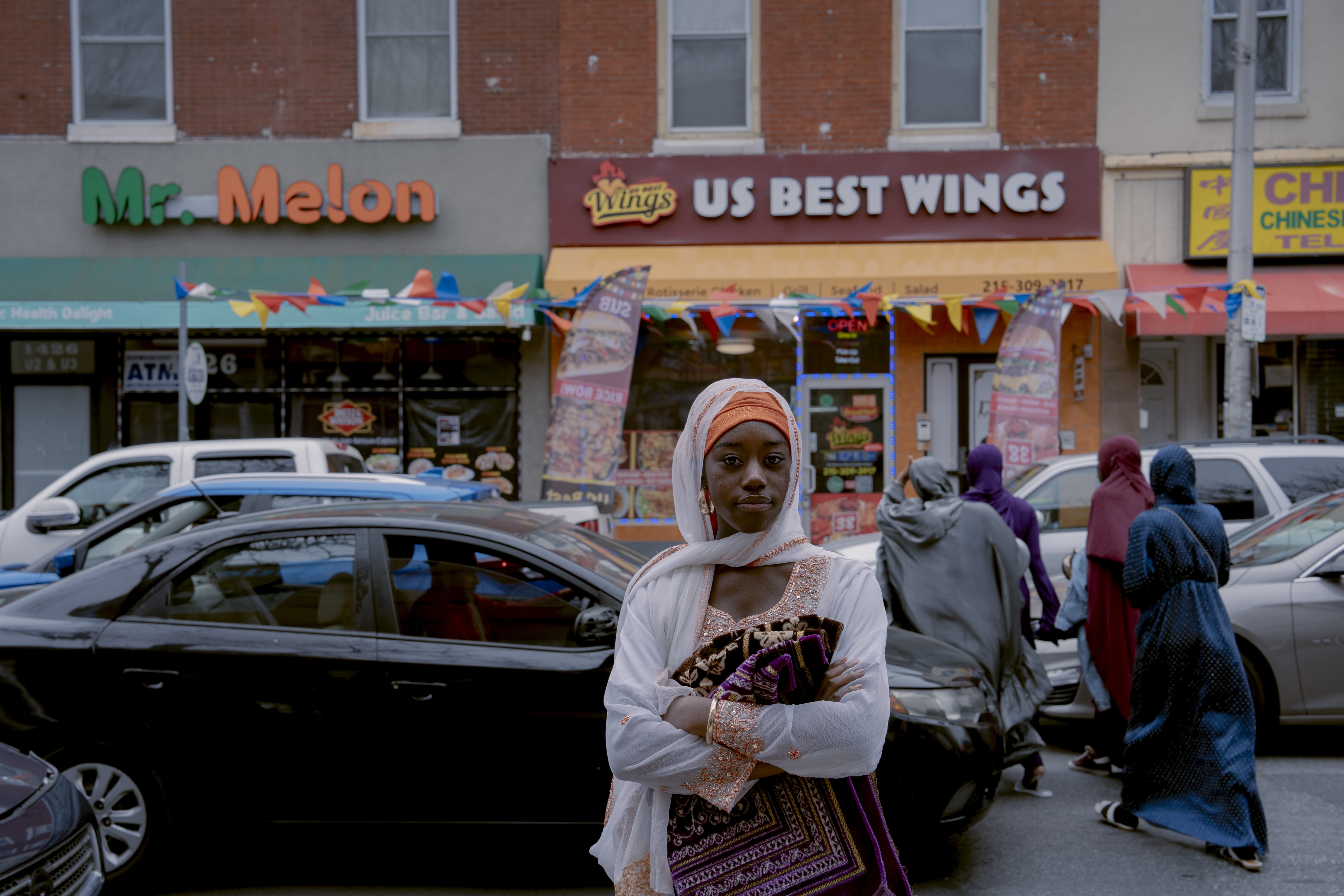
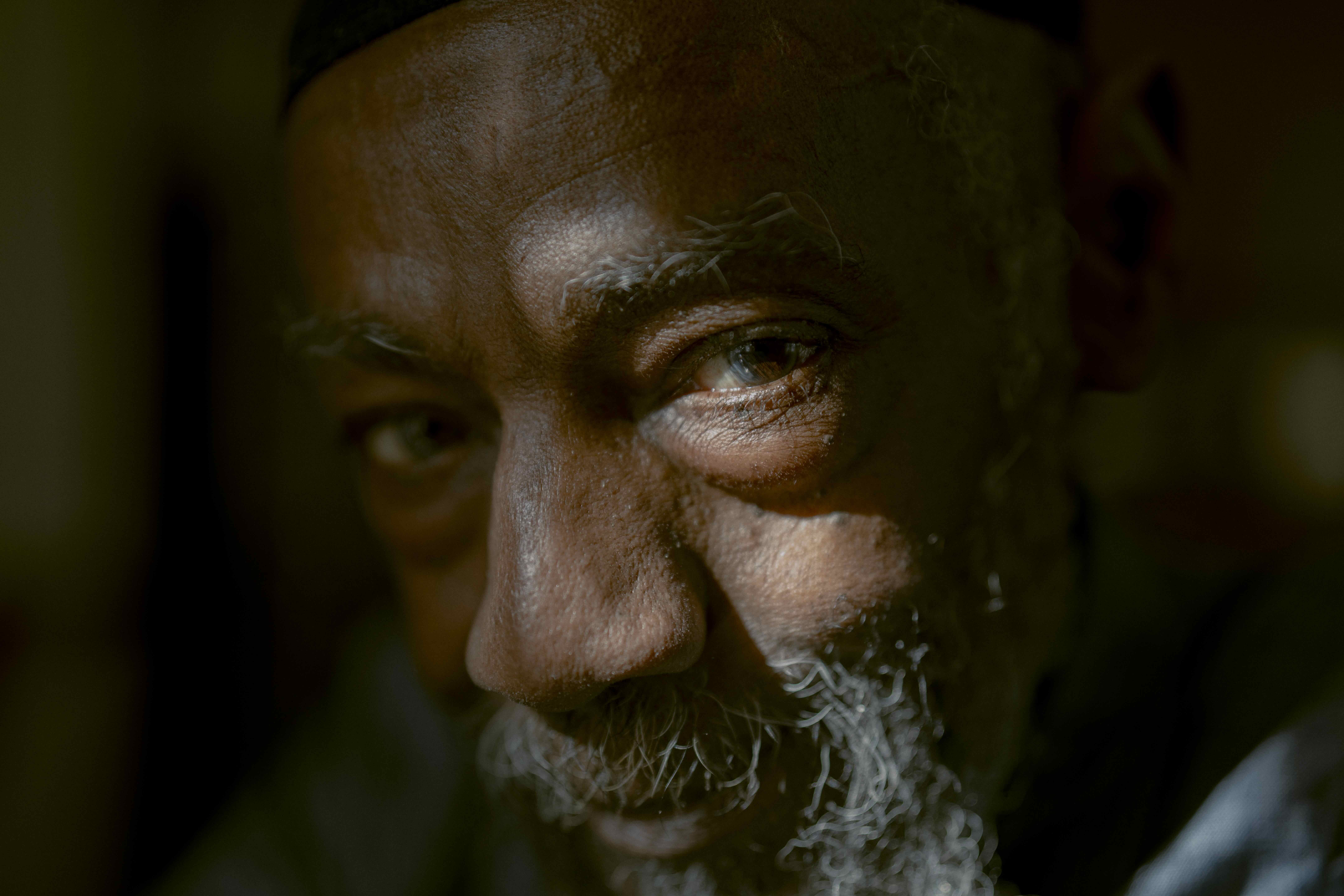
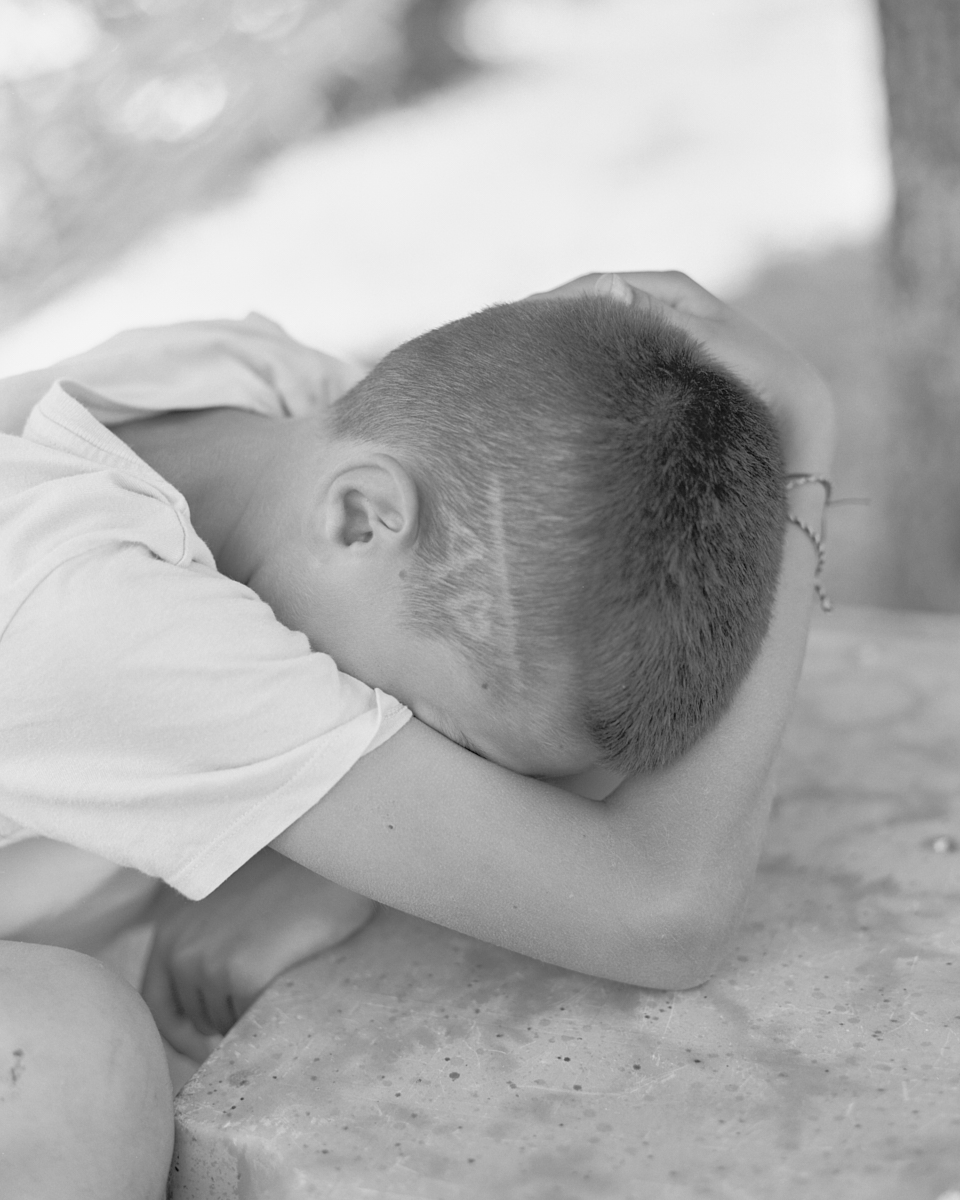
Figure, Form is a self-determined counterpart to both artistic as well as social political discourses and understandings of "canon" and sees itself as an ongoing collection of queer/trans excellence and intelligence. Besides a practice of critical rejection, visibility and a formation of community are among the most important goals of the work. Figure, Form treats physicality as a sovereign medium dedicated to self-realization. No distribution for the development of social gender is ascribed to the body per se, gender identity is understood as a performative practice. Thus Figure, Form tests bodily (re)conquests, inscriptions into, and queering of prevailing narratives as a point of reference for future comprehension. The project aims to understand the body as a fluid material and works for un-doings / subversion of hegemonic gazes and a reclaiming of self, body and visibility. On show at Haus der Photographie, Deichtorhallen from 20.02.25 — 17.08.25
Roxana Rios
was nominated by
Triennial of Photography | Deichtorhallen
in
2025
Show all projects
Each year every member of the FUTURES European Photography Platform nominates a set of artists and projects to become part of the FUTURES network.

Florian Gatzweiler offers a sensitive exploration of the invisible mechanisms of power and masculinity within the prison system. Created in collaborative dialogue with inmates, his work Räume, die challenges existing structures and opens new perspectives on social hierarchies and violence. With remarkable visual and conceptual clarity, the portrait series makes societal orders visible and fosters critical reflection on masculinity. After graduating from Ostkreuzschule für Fotografie in Berlin in 2024, this opportunity will reinforce Florian in taking the next step in his artistic journey and further develop his practice through the exchange with other experts and artists. (Cale Garrido, Curator 9th Triennial of Photography Hamburg) 

Julius Schien’s project Rechtes Land builds a comprehensive documentation of the devastating impact of right-wing violence across Germany. As the work grows, it becomes an urgent index and a mirror of race-based crime across the state, from which we must learn and reflect. His photographs, depicting the ordinary settings where these heinous acts occur, serve as a stark reminder of the disturbingly commonplace nature of murder when fueled by the normalization of racism in the national psyche. If photography has a vital role, it is indeed to make sure we remember all those whose lives are wrecked by intolerance, hatred, and violence. (Mark Sealy, Artistic Director 9th Triennial of Photography Hamburg) 

The intimate portraits and landscape shots of Ksenia Ivanova’s series Between the Trees of the South Caucasus convey a sense of time frozen in place – even beyond the moment of capture. Stunningly beautiful and profoundly clear, her pictures are at the same time highly relevant: the series concludes with images of people in Georgia protesting in the streets against the new pro-Russian government. Against the backdrop of the war in Ukraine, the series raises fundamental questions about the future of regions and the consequences for those who live there. It is precisely these parallels that make Ksenia Ivanova’s documentary photography so significant. (Stephanie Bunk, Curator, Freundeskreis des Hauses der Photographie) 

In My Fascist Grandpa, Laura Fiorio explores aphasia—the inability to speak about one’s own dark past—particularly in relation to colonial and imperial histories. By intertwining personal archive material with collected images from open calls and projecting them onto monumental heritage sites like Borgo Rizza, she bridges private, untold narratives with institutionalized history. Her work exposes violent pasts, challenges power structures, and brings hidden stories into the public realm. Through collaboration with communities, she fosters knowledge exchange between the powerful and the marginalized, making a vital contribution to contemporary and historical discourse. (Bettina Freimann, Project Director 9th Triennial of Photography Hamburg)

Roxana Rios explores gender identity as a performative act, in which bodily presence and photographic self-representation are shaped in non-conforming and subversive ways. Moving beyond binary roles and refusing objectifying gazes, the portrayed individuals in the ongoing portrait series FIGURE, FORM claim space to shape both themselves and their image on their own terms. Contributing to queer narratives within photographic historiography, the project seeks to reclaim selfhood, the body, and representation as acts of empowerment. The series serves as an invitation and a reference framework, envisioning bodily representations that exist outside societally and algorithmically conditioned visual regimes. (Nadine Isabelle Henrich, Curator House of Photography at Deichtorhallen Hamburg)

Selection committee:

Mark Sealy (Artistic Director 9th Triennial of Photography Hamburg 2026, Director Autograph BP)

Cale Garrido (Curator 9th Triennial of Photography Hamburg 2026)

Bettina Freimann (Project Director 9th Triennial of Photography Hamburg 2026)

Nadine Isabelle Henrich (Curator, House of Photography at Deichtorhallen Hamburg) 

Stephanie Bunk (Freundeskreis des Hauses der Photographie Hamburg)
Newsletter