Edit profile
The

Artist

Nominated in
2024
By
ISSP
Lives and Works in
Helsinki
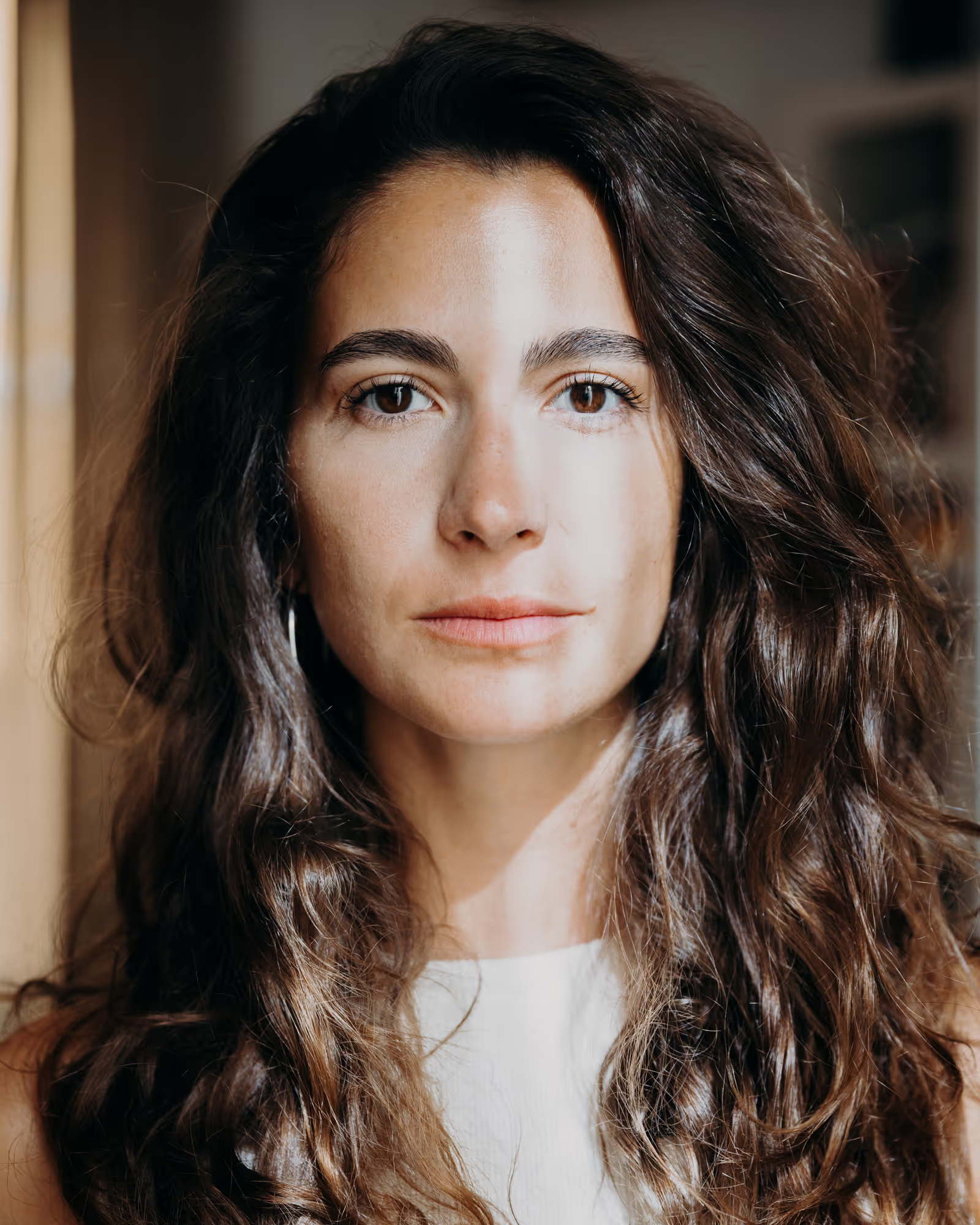
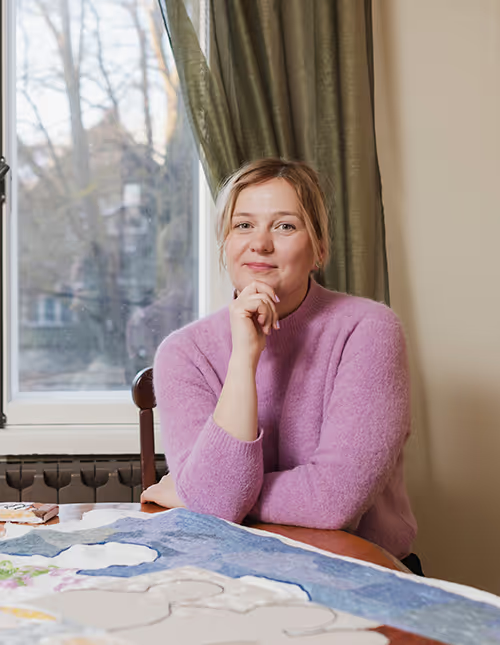
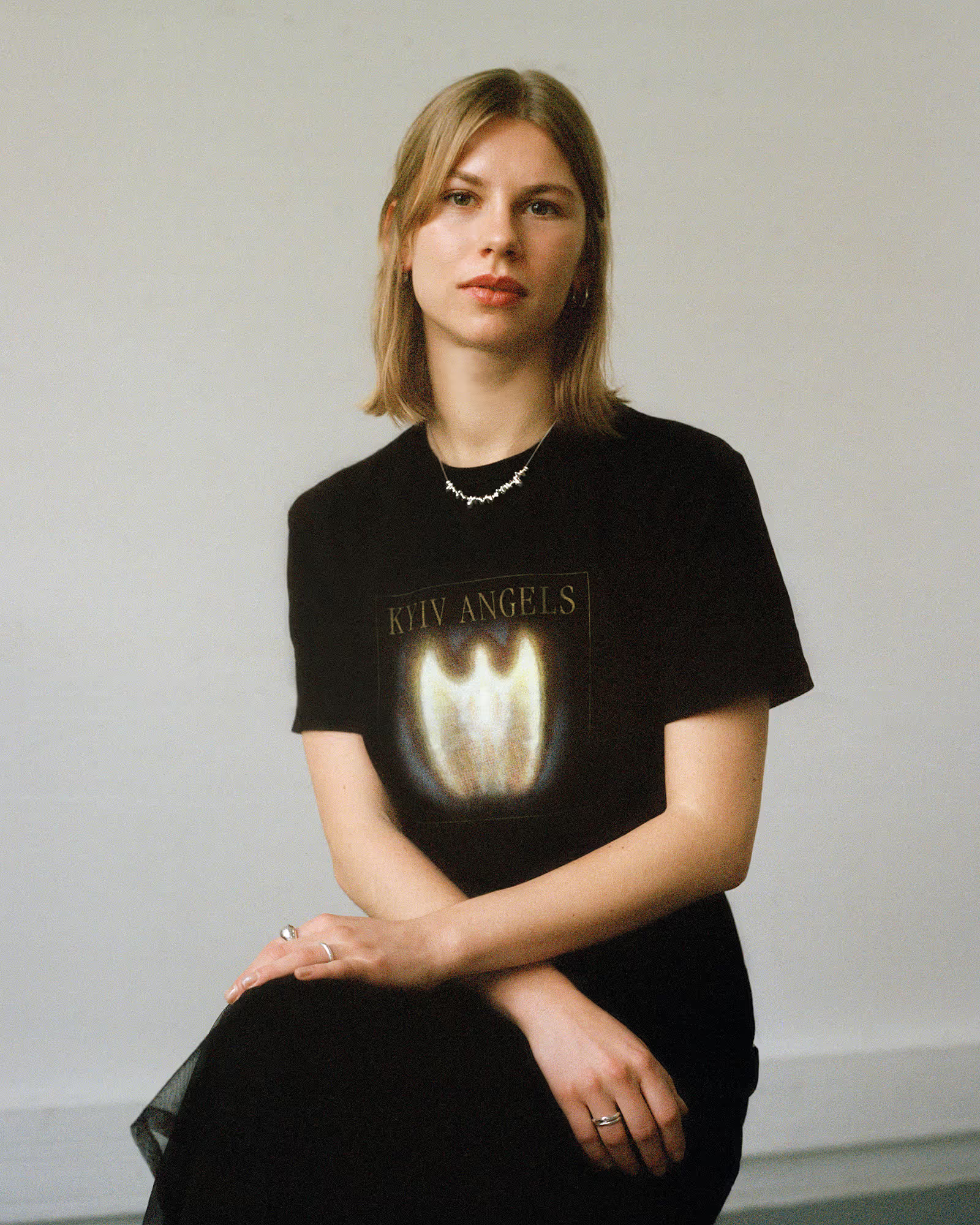
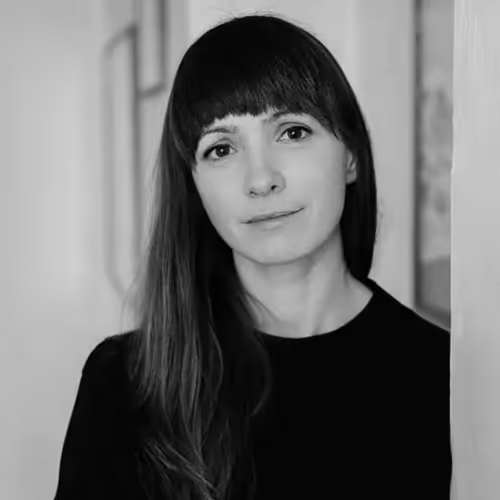
Katya Lesiv (b. 1993, Ukraine) is a visual artist and photographer from Ukraine. Currently living and working in Finland. She has graduated with a MA from National Academy of Fine Art and Architecture in Kyiv, 2017. Lesiv works with the topics of cyclicality, physicality, emotional and sensitive experience, and motherhood. Her artistic practice explores the sense of presence through materiality of a variety of disciplines and media, including photography, art book, installation, object, text, graphics and moving image. Performative method, often rooted in routine rituals, is a way to encapsulate and share intimate experiences while safeguarding personal space. In her practice, Lesiv works with the body of the book, which often serves as the final form of her work. Lesiv's works have been exhibited in several solo exhibitions in Ukraine, Finland and Netherlands and in curated group exhibitions worldwide. Her artbook “Lullaby 1” belongs to the top 100 photobooks of “How We See: Photobooks by Women” according to 10×10 Photobooks. Her artbook “I love you” was shortlisted by Aperture PhotoBook Awards in 2022. ‍
Projects
2024

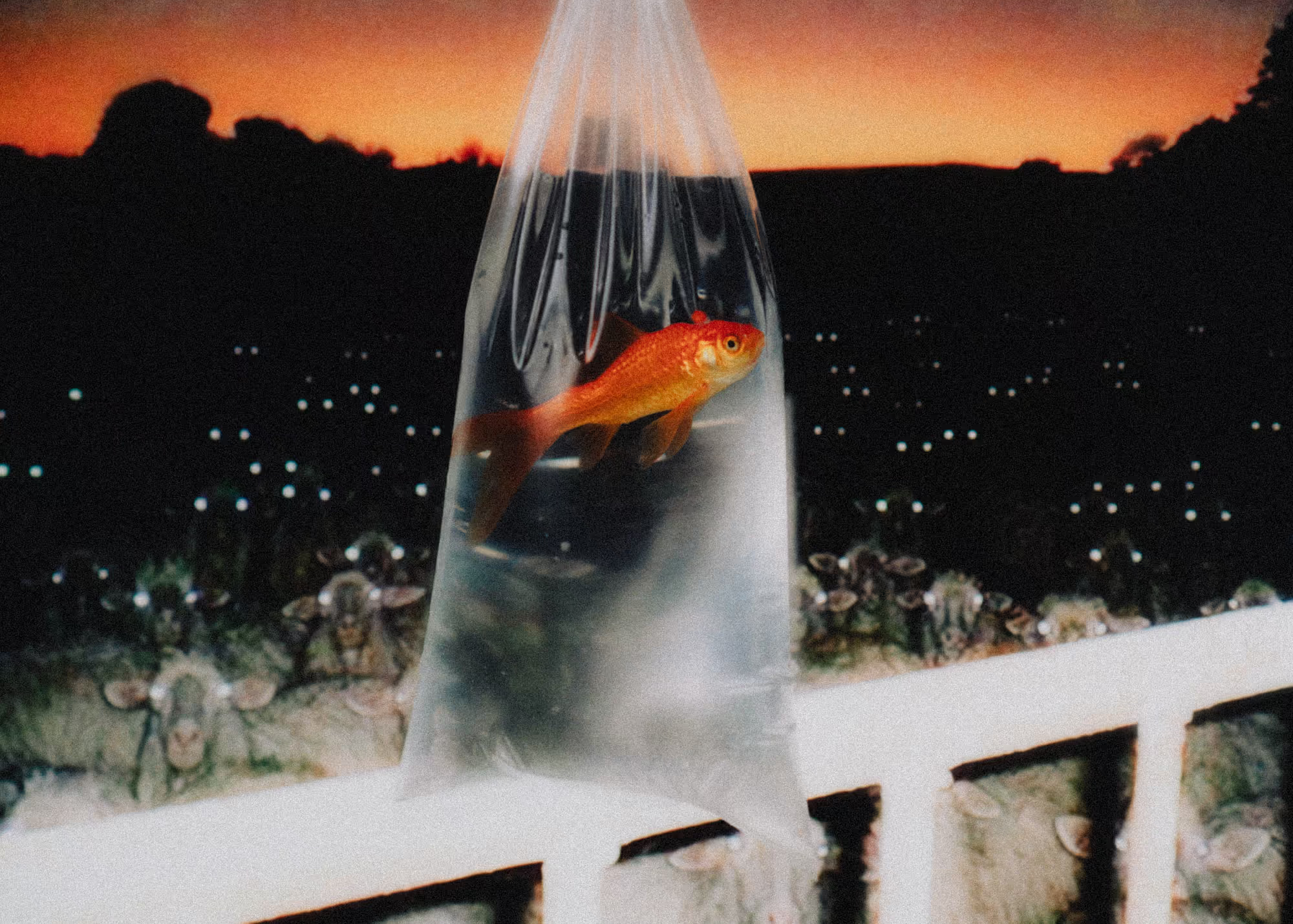
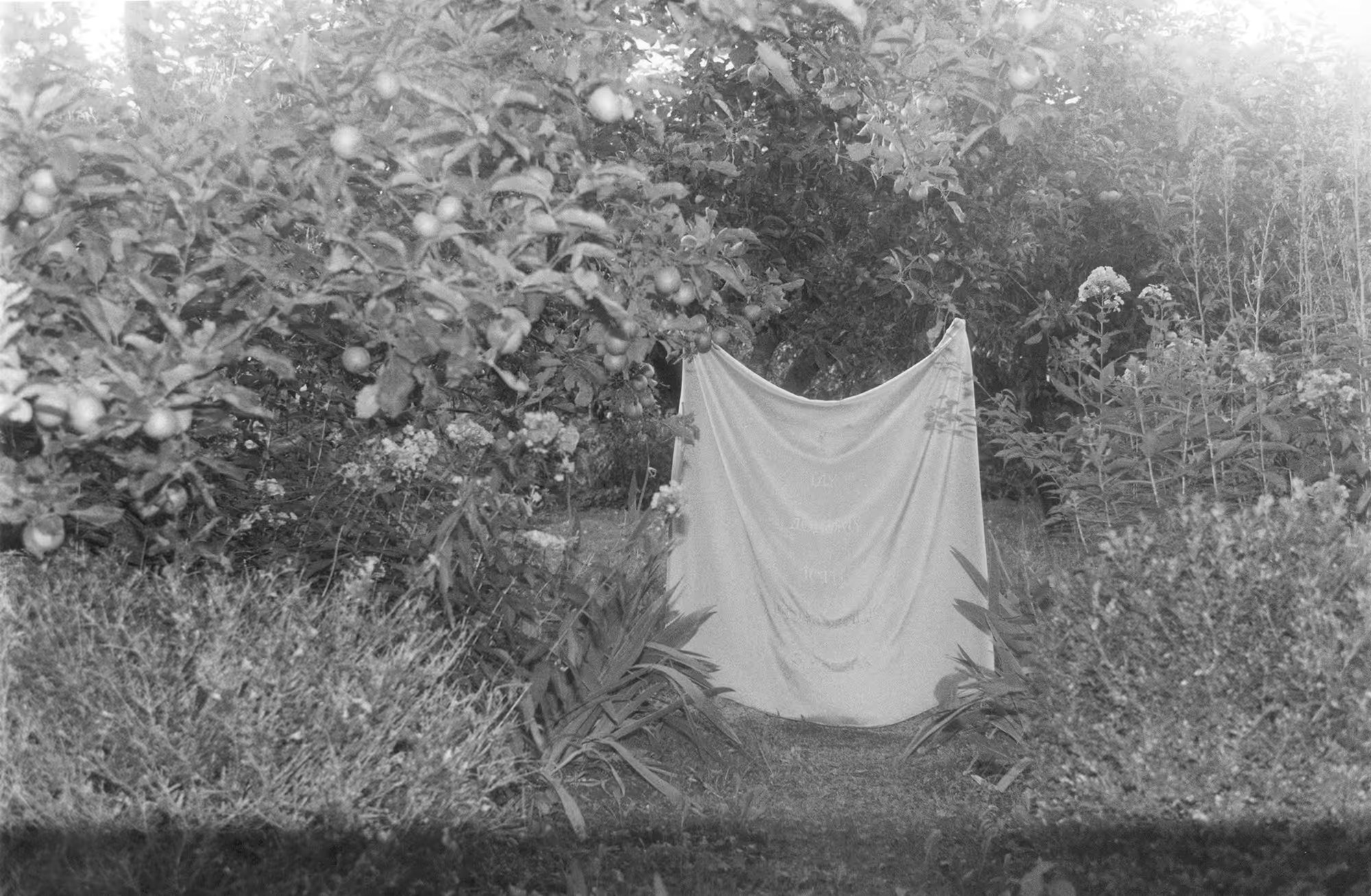
I am going home to eat mulberries from the tree

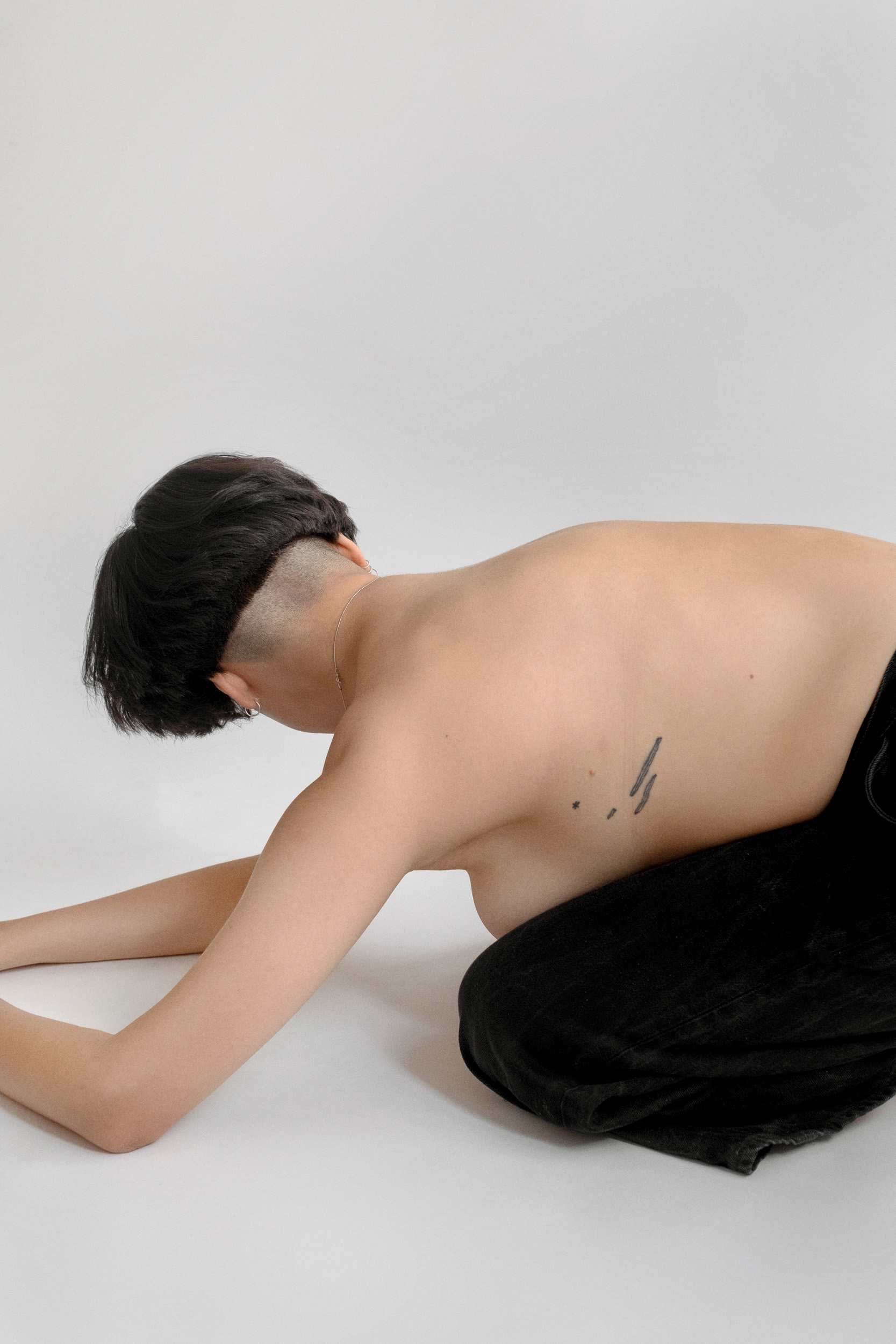
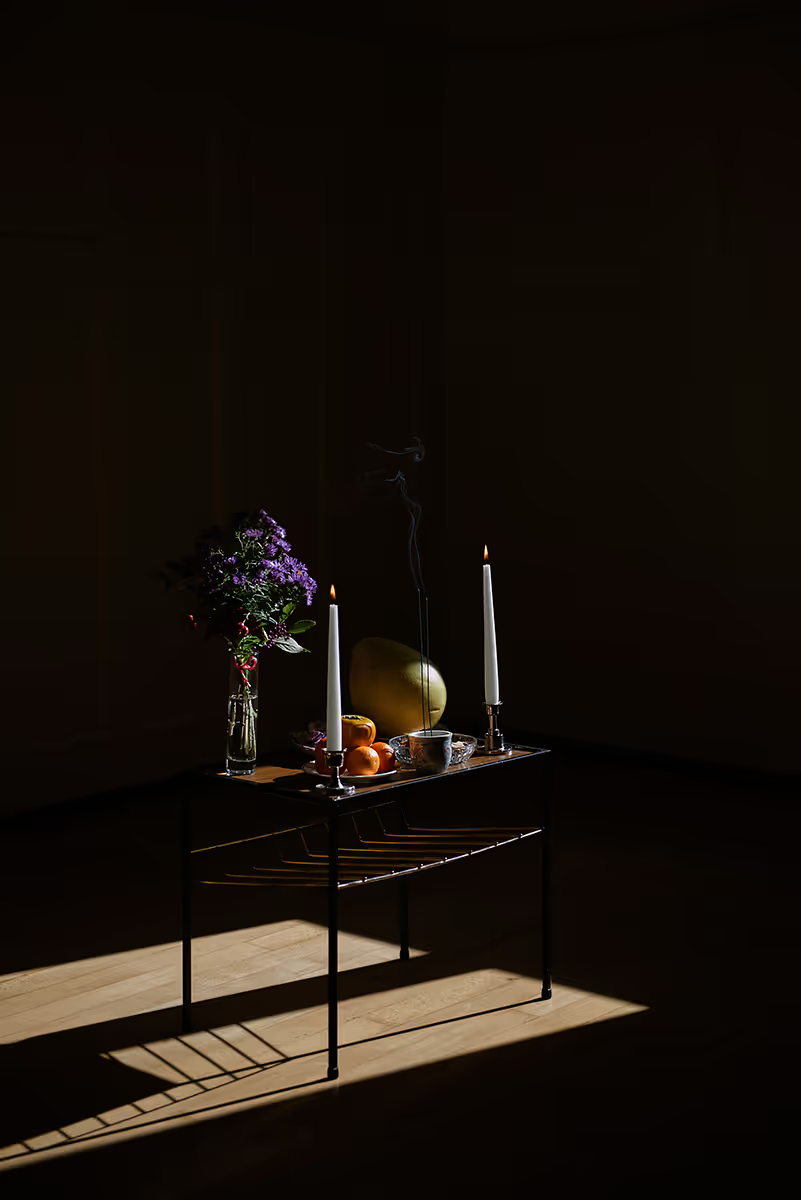
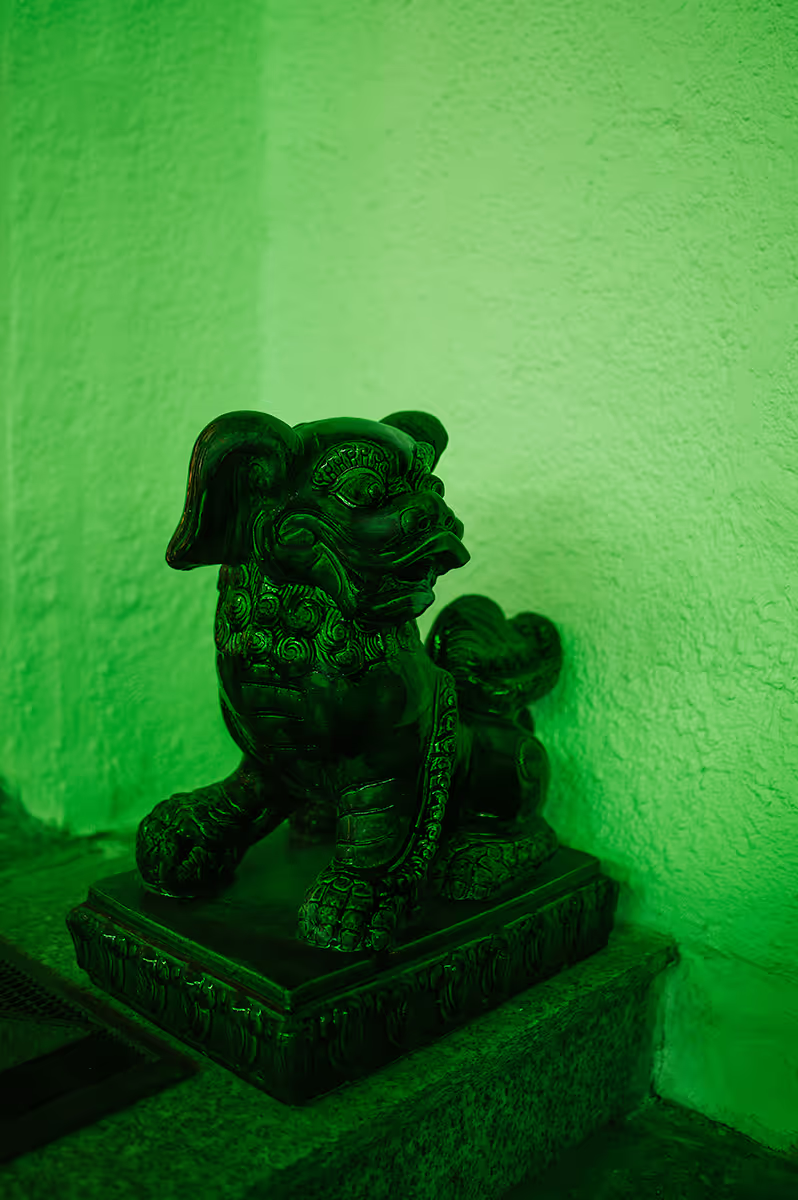
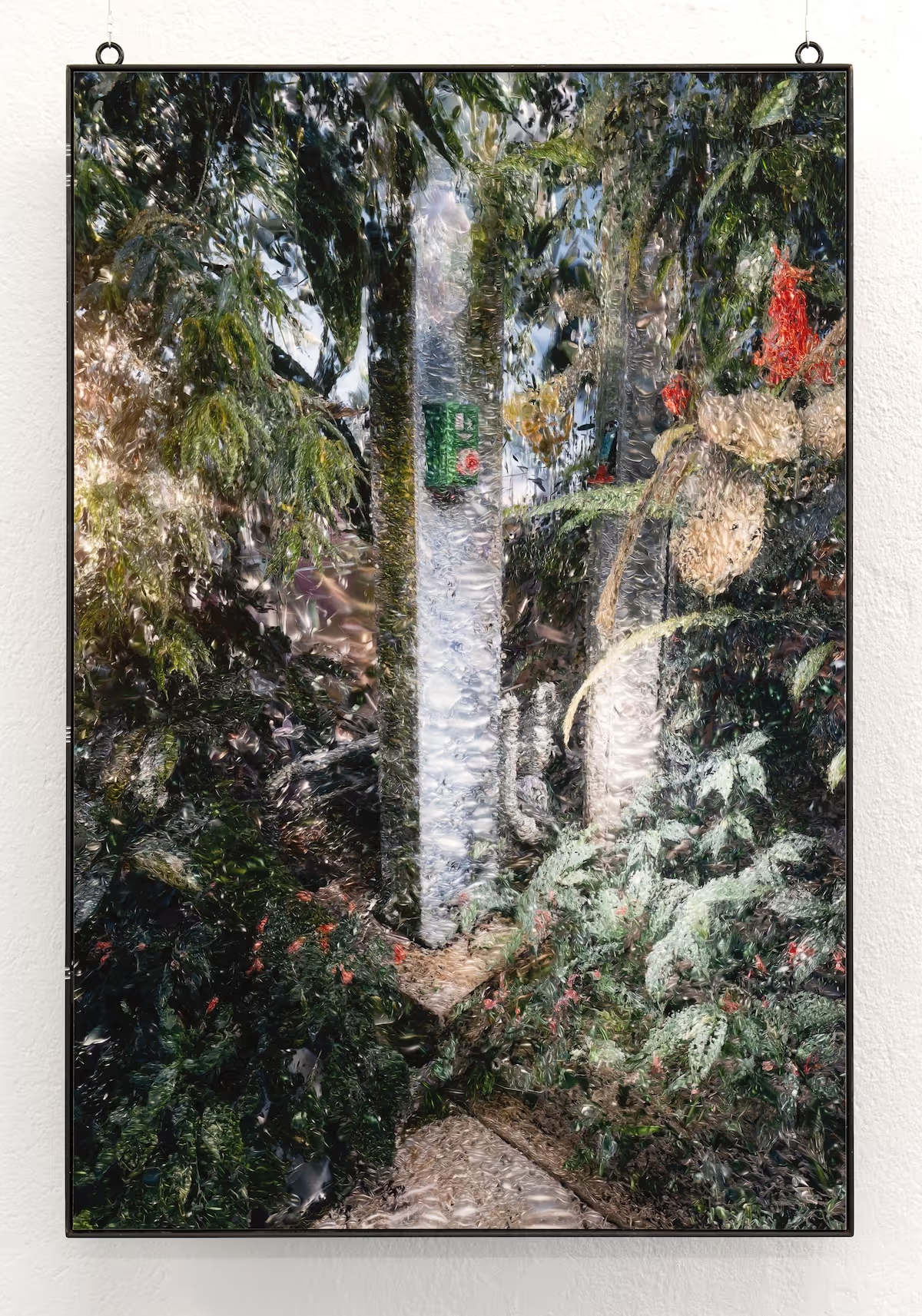
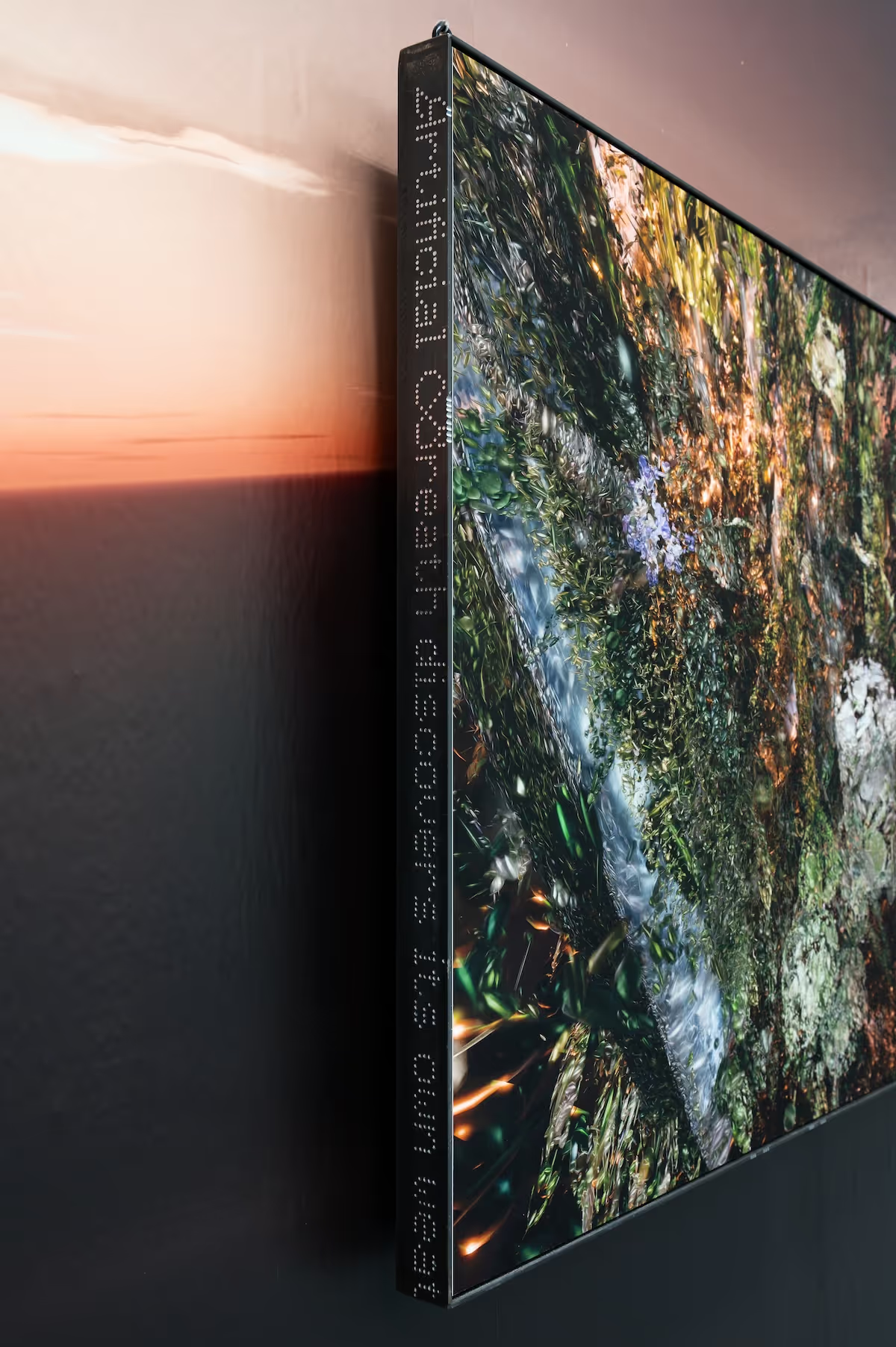
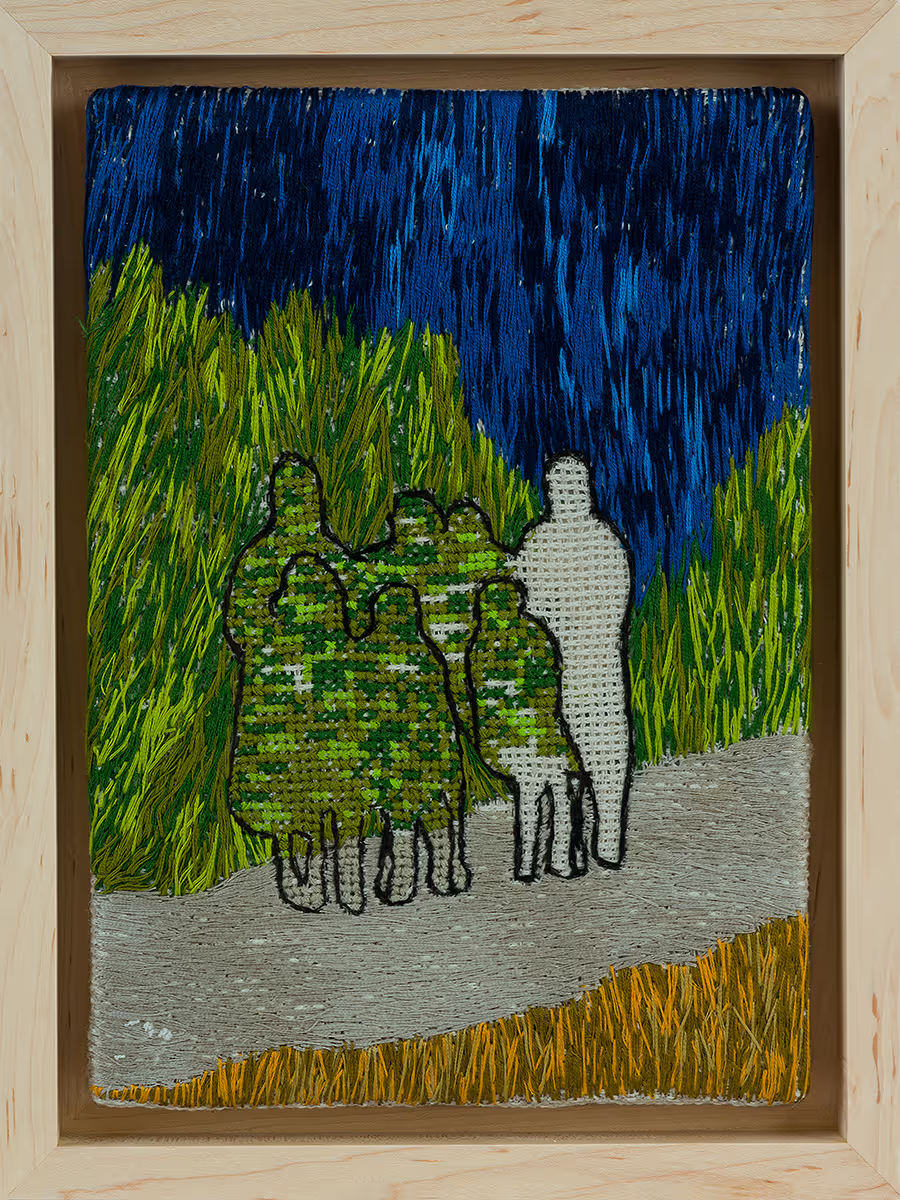
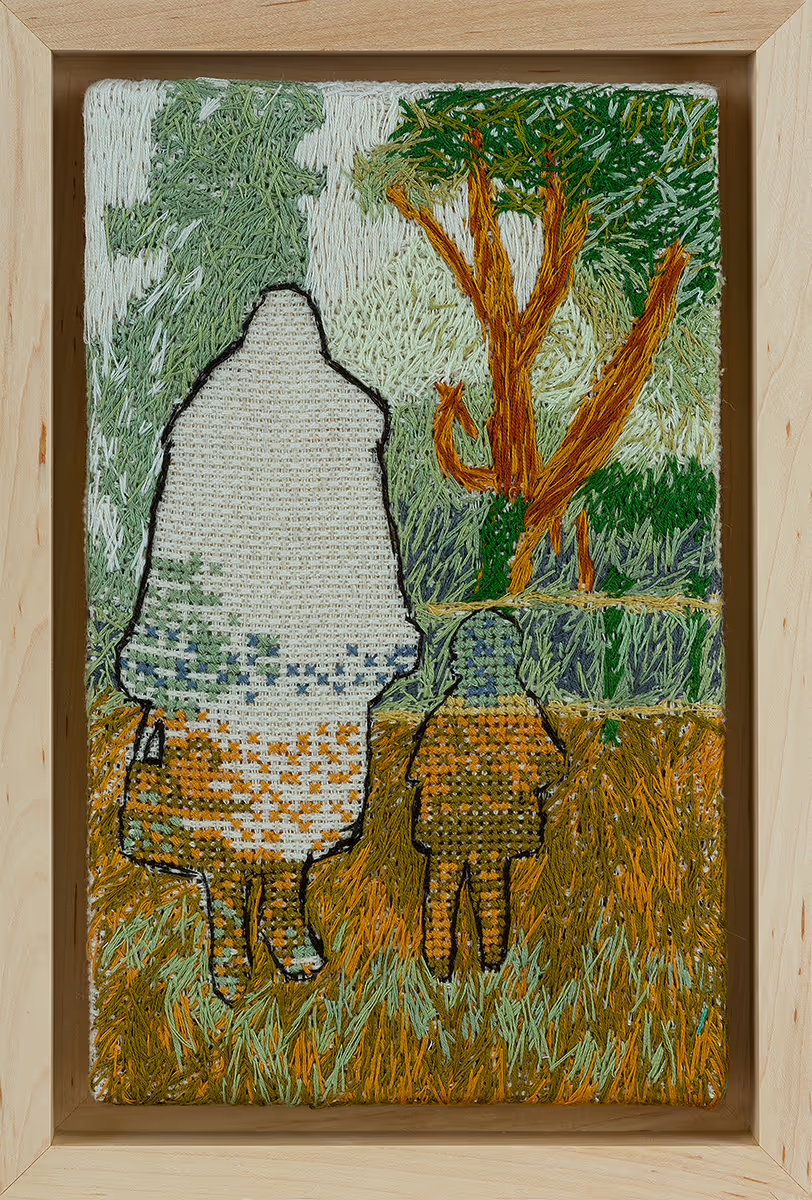
Each winter, I think: it’s impossible that the trees will bear leaves, flowers, fruit. Fruit is fantasy, utopia, impossibility. For half of each year, bare stakes stand in the cold. You cannot surprise me; I know spring will come. Yet still, how unexpected that it arrives. Where is the place of memory that survives winter, that laughs at death? I am the place of memory—of safety, of sun, of pleasure. I am intention’s moving object. The intention is to return to such a place again and again. “I am going home to eat mulberries from the tree” is a poetic manifesto of intention. It begins with a simple act—eating berries from a tree or a bush in a home garden. A warm body becomes the vessel of this intention. It acknowledges it, gives it attention, and moves toward it. Even when the intended point cannot be reached—because of seasons, deaths, births, or wars—the intention remains in the body as warmth: patient, quiet, and focused. The project weaves sensory recollection, mythic language, and bodily gestures to explore the space between intention and decision, ritual and everyday life. The mulberry becomes both symbol and companion, embodying two archetypes: Morus mater—the motherberry, wide and milky; and Morus moros—the deathberry, slipping from one’s fingers. Their names stretch across breath and vowels, pronounced as if pressed to the chest, whispered rather than spoken. Rooted in the experience of war and displacement, the work turns toward intimate gestures and cyclical time as a means of survival. When the external world collapses into uncertainty, the act of returning—to the tree, to the mother, to the body—becomes a quiet resistance. Through photography, installation, and performative practices, the project reflects on sensual and spiritual continuity, on the body as a flexible monument—one that matures, remembers, and remains connected.
2024

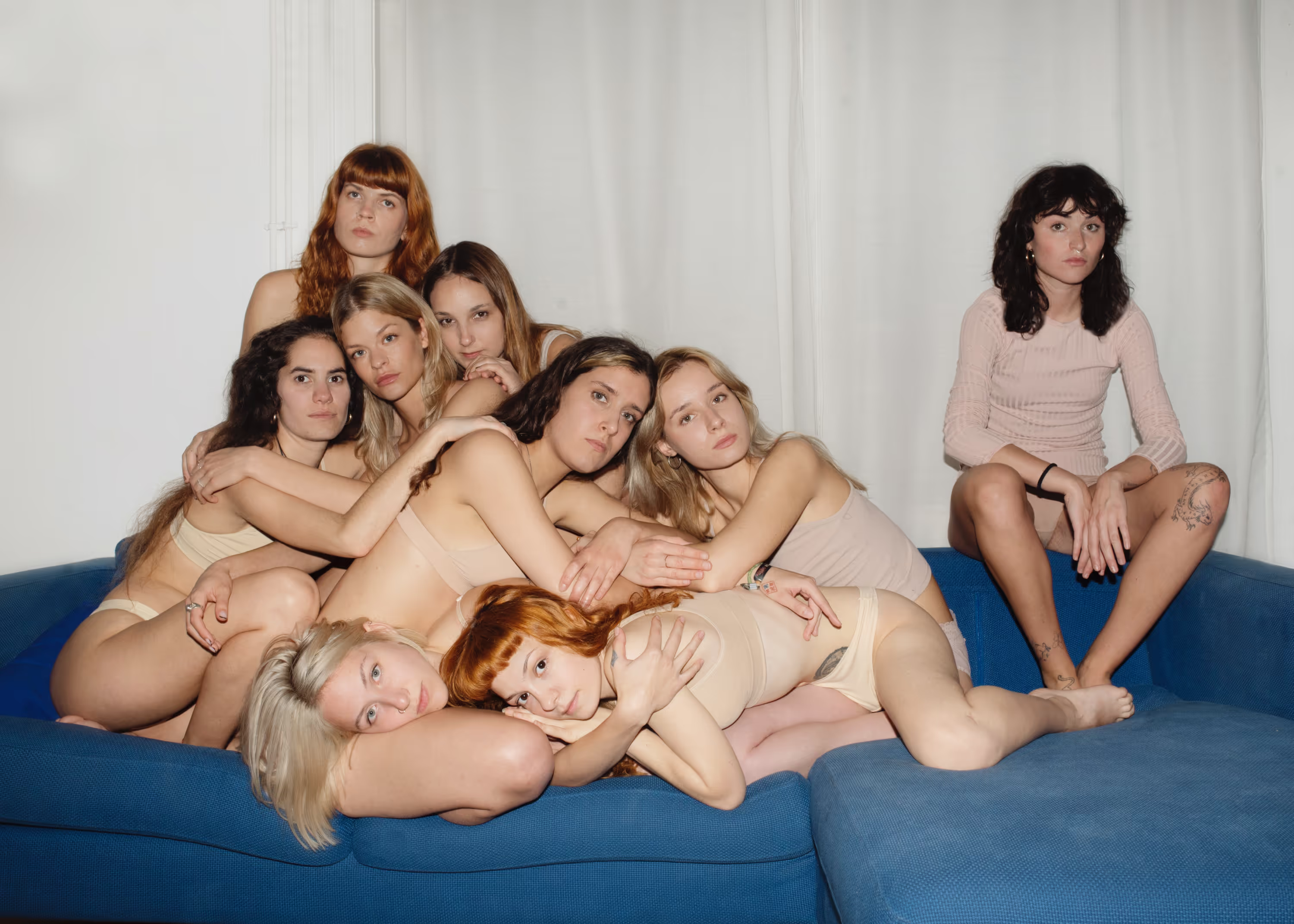
I am. Rada

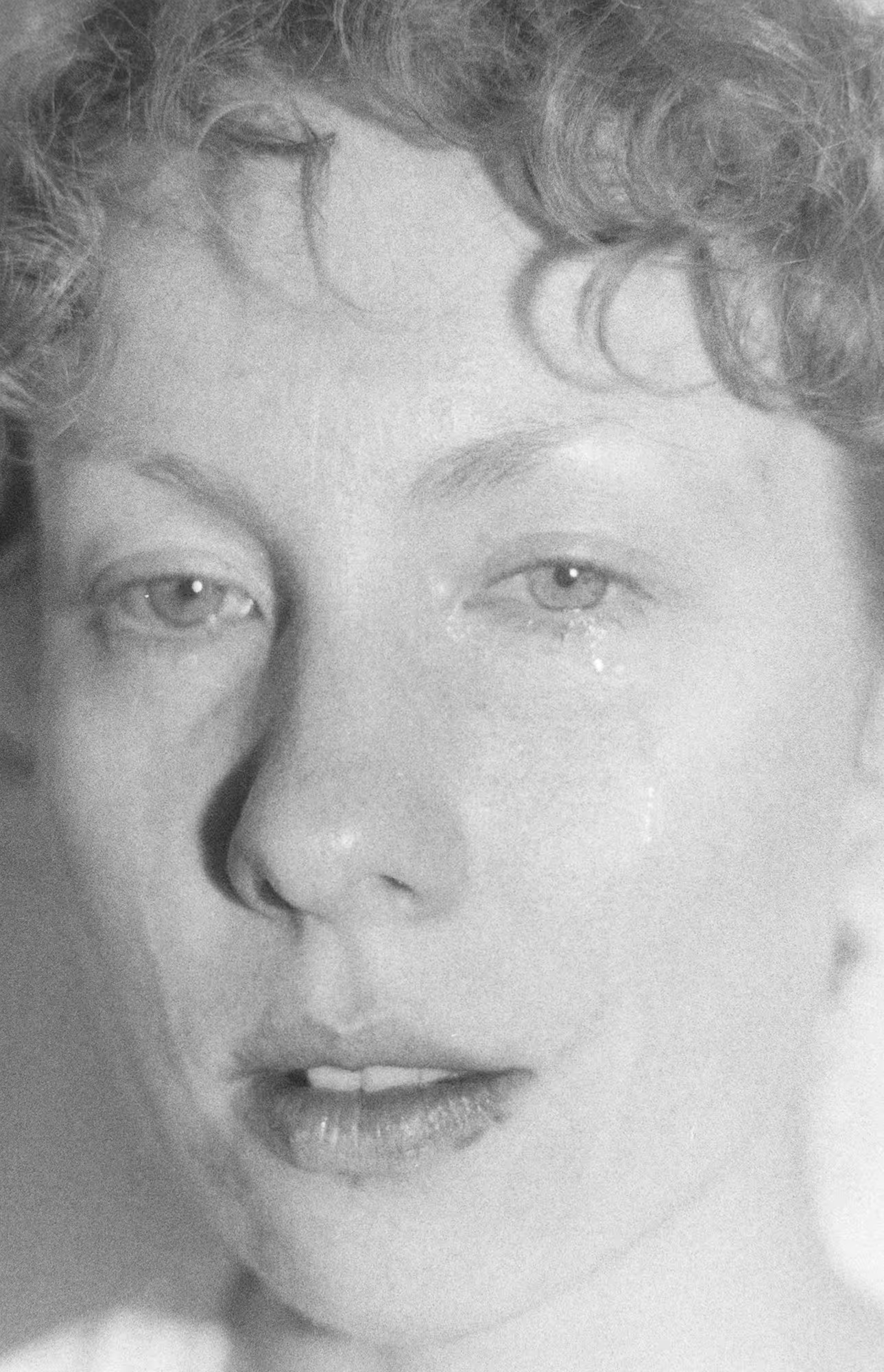
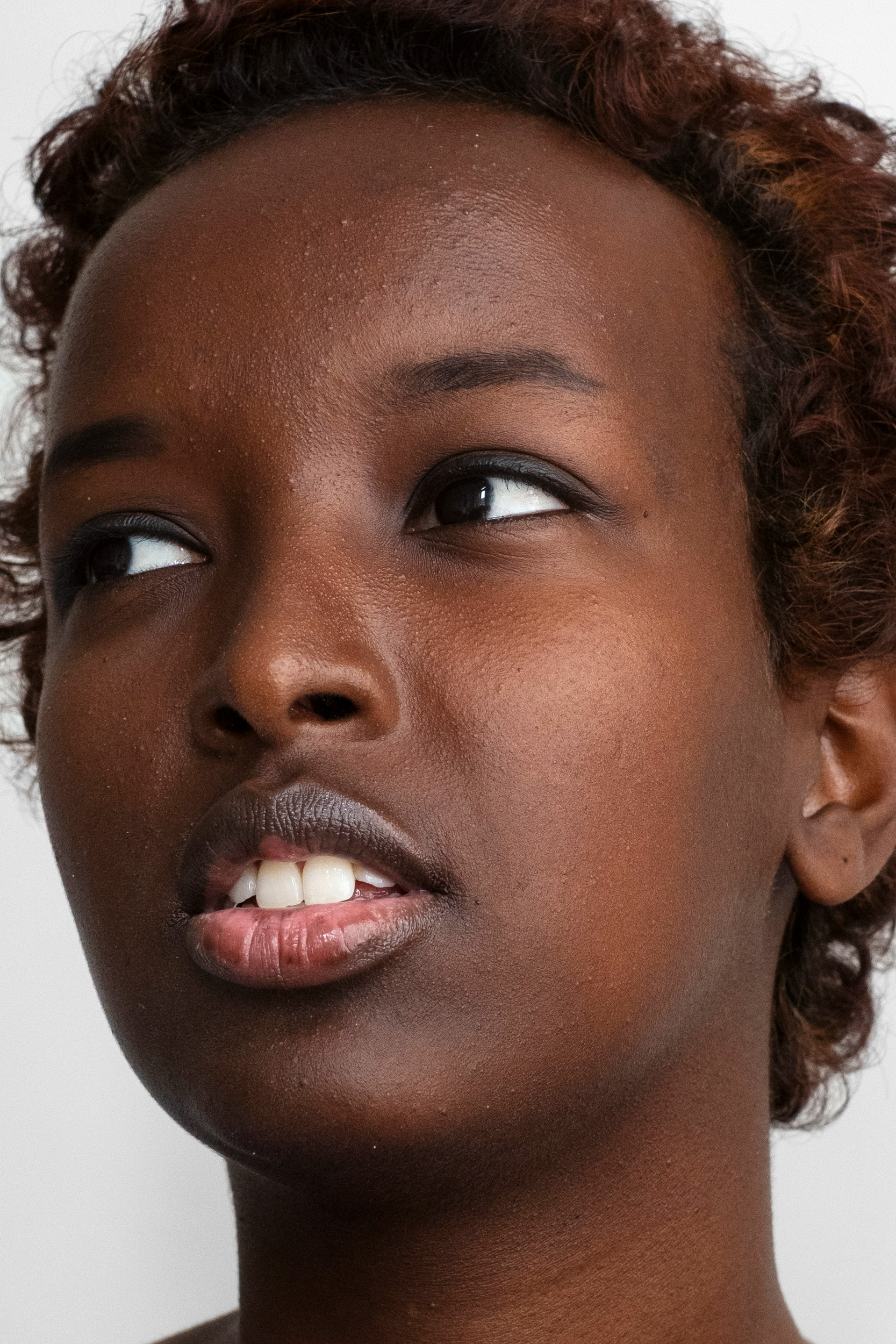
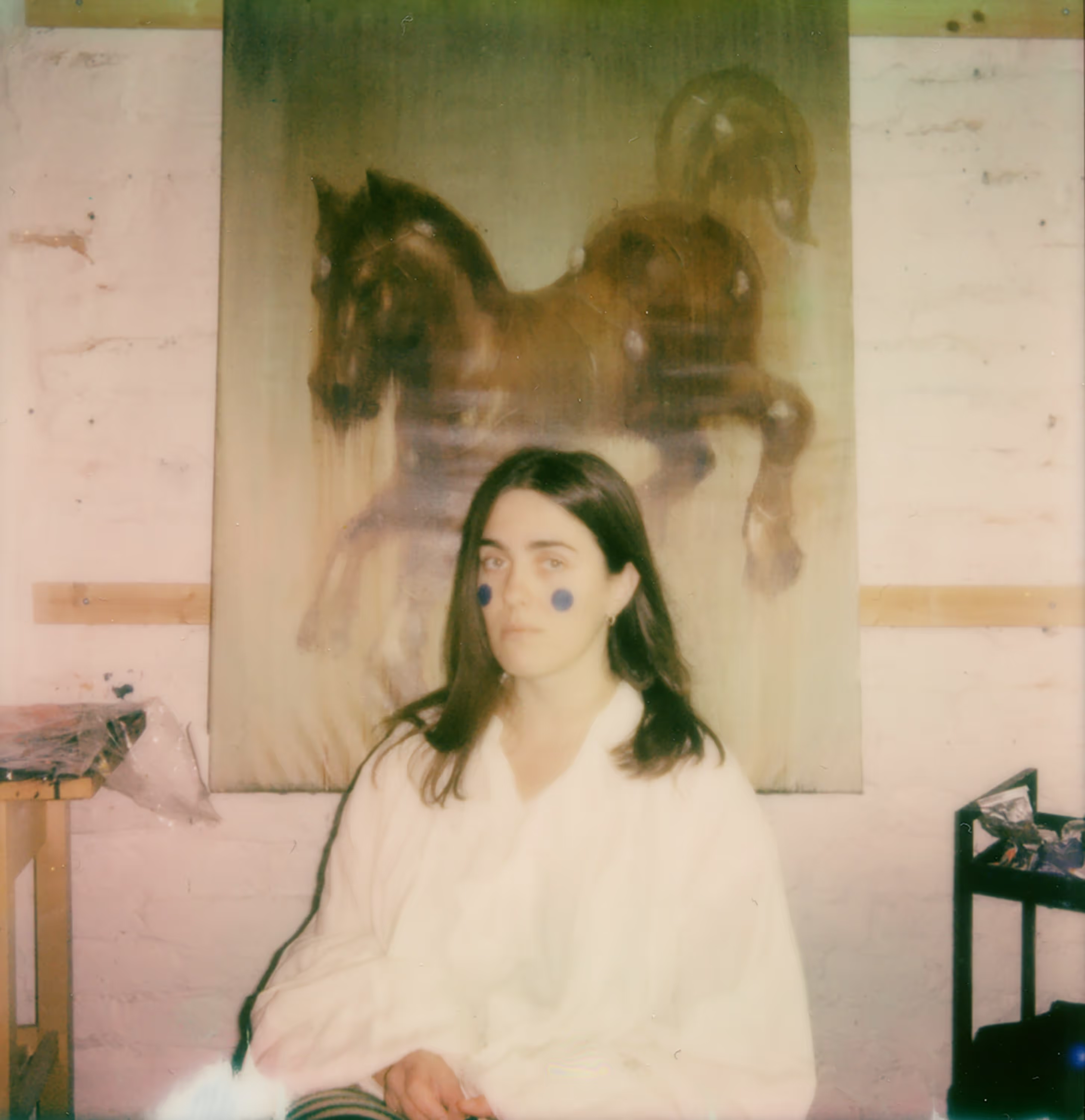
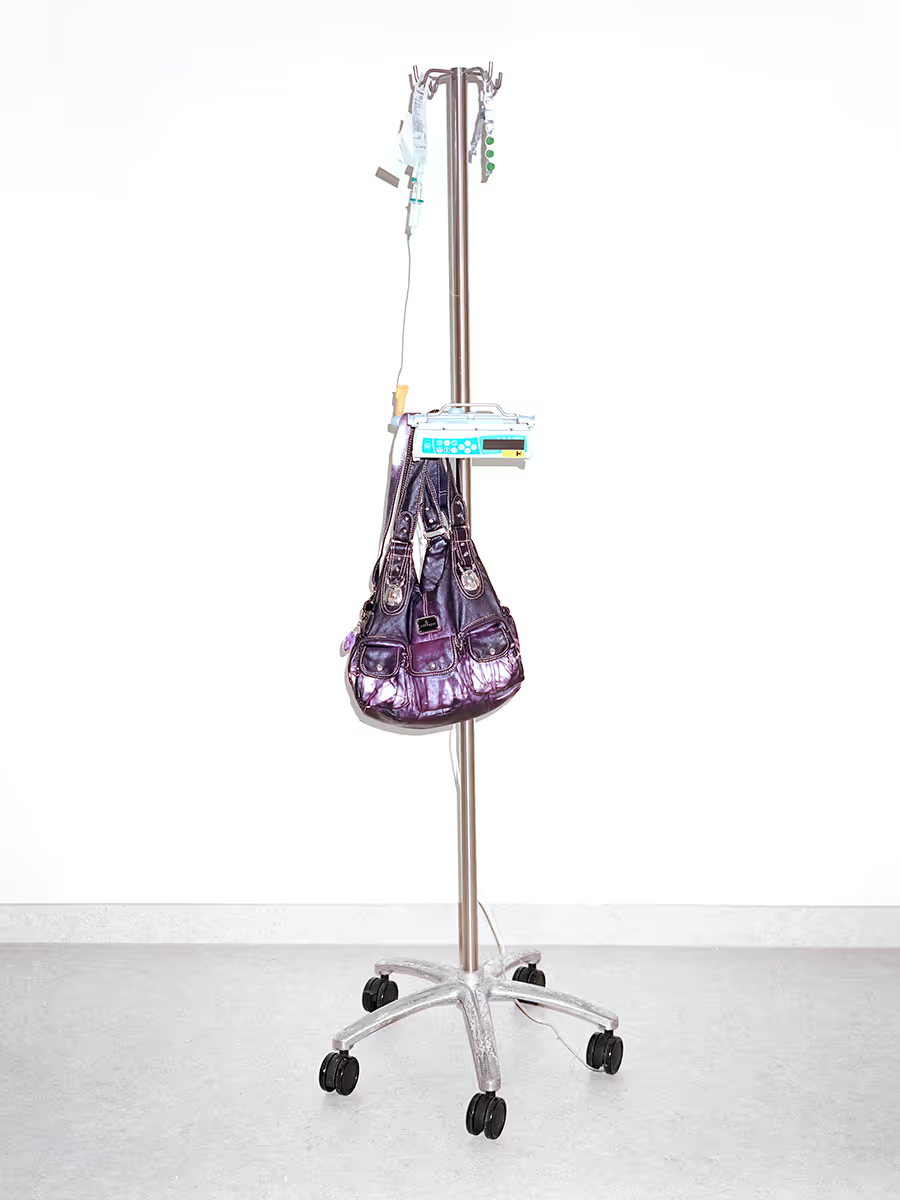
Rada is the name of my daughter. Rada in Ukrainian means “happy” “satisfied”. A photographic series “I am. Rada” is a way of witnessing presence, body, state. Starting from my pregnancy I’ve felt an intuitive, physical need for documenting the present state at a certain point in time. The distance created by the act of photography has also given a stable feeling of I AM, relief.
2024

I am. Rada

Rada is the name of my daughter. Rada in Ukrainian means “happy” “satisfied”. A photographic series “I am. Rada” is a way of witnessing presence, body, state. Starting from my pregnancy I’ve felt an intuitive, physical need for documenting the present state at a certain point in time. The distance created by the act of photography has also given a stable feeling of I AM, relief.
Katya Lesiv
was nominated by
ISSP
in
2024
Show all projects
Each year every member of the FUTURES European Photography Platform nominates a set of artists and projects to become part of the FUTURES network.

The materiality of the medium and its relation to the digital realm are themes present in work by Agate Tūna, Gedvile Tamosinaite and Ruudu Ulas. Another trajectory – artistic explorations as an inner resilience towards forces of power and war – are the main focus in the documentary photo series of both Klaus Leo Richter and Katya Lesiv. The social, economical and ecological aspects of today's reality place artists in a challenging position and the projects we have selected this year mirror these concerns and reflections, mining both the rise of digital realities and the context of war against which many of their lives unfold. We believe these five artists will contribute positively to the FUTURES artistic community with the diversity of their approaches, demonstrating the role of the artist in a changing and challenging world.

Newsletter