Edit profile
The

Artist

Lives and Works in
Ghent
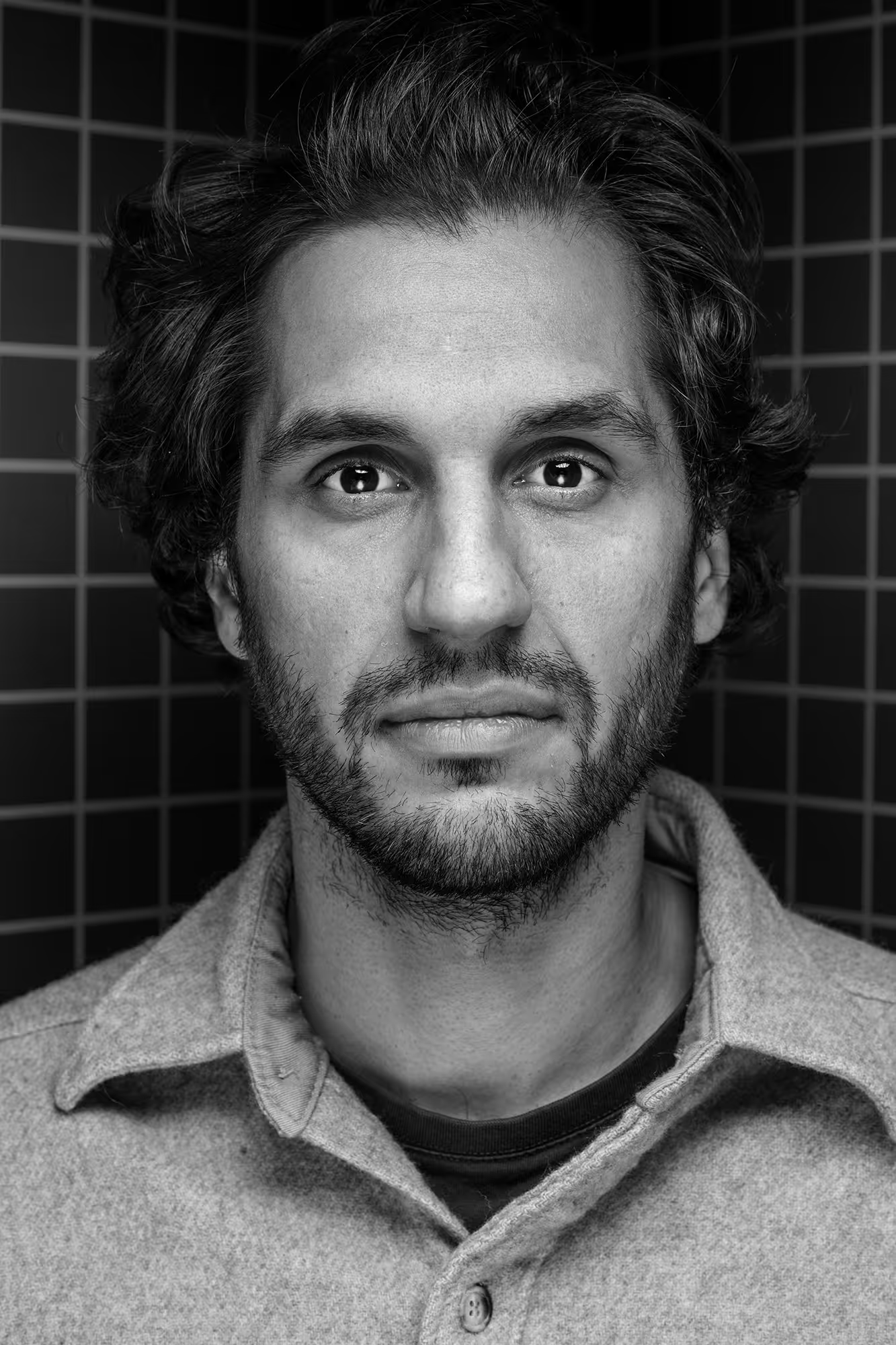
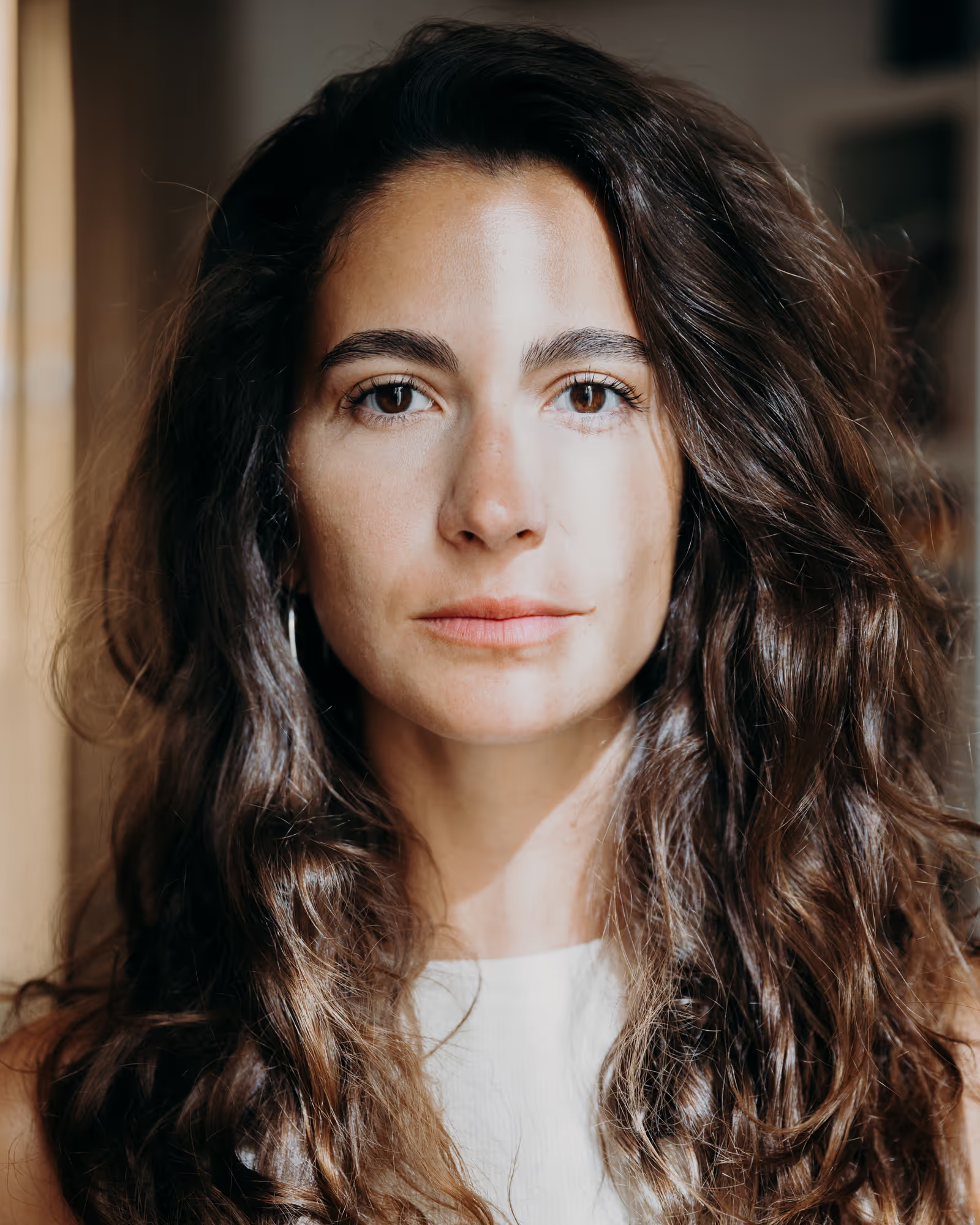
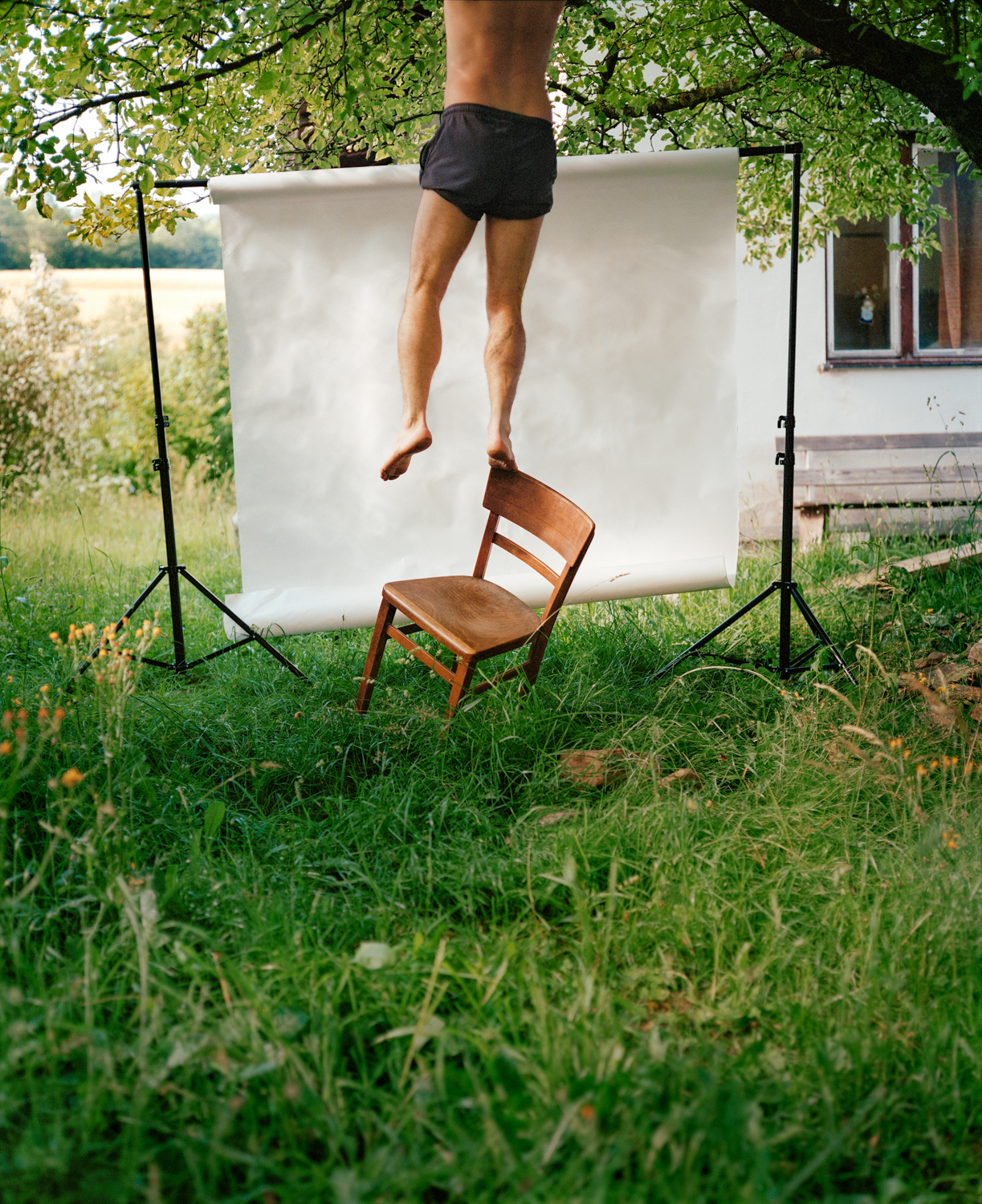
Davide Degano is a visual artist whose practice explores how images shape memory, identity, and collective imagination. Rejecting photography as neutral documentation, he approaches it as a site of tension between reality and fiction, visibility and erasure, questioning what is remembered and what is silenced. His work challenges conventional documentary practice through a multidisciplinary approach that combines classical image-making with experimental strategies, opening space for counter-narratives. He holds a BA in Visual Arts from the Royal Academy of Art (KABK), The Hague, where he received an honourable mention for the Paul Schuitema Award, and an MA in Photography from KASK – Royal Academy of Fine Arts, Ghent, where his graduation project was awarded the Fonds Roger De Conynck Prize.
Projects
2026

Romanzo Meticcio

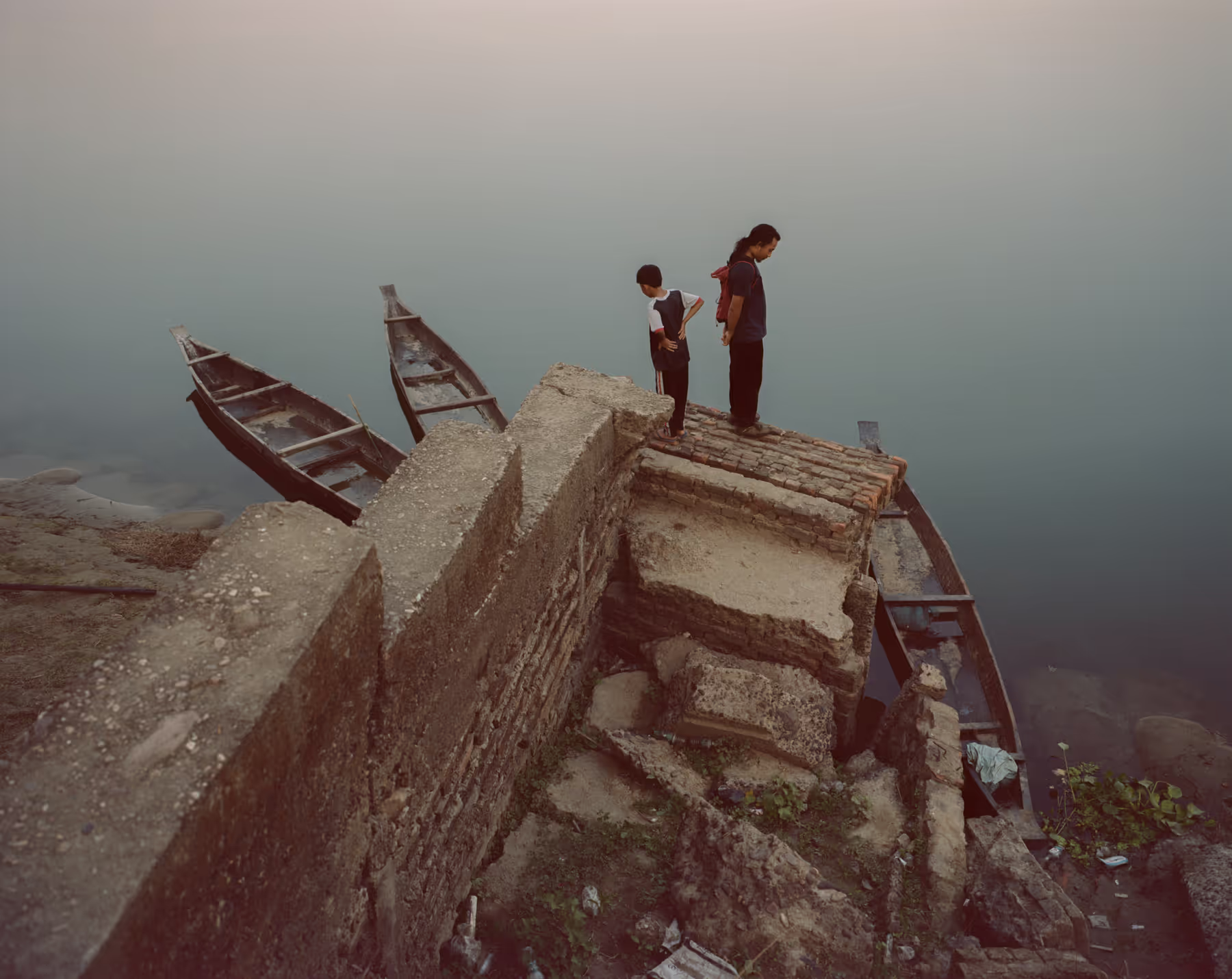
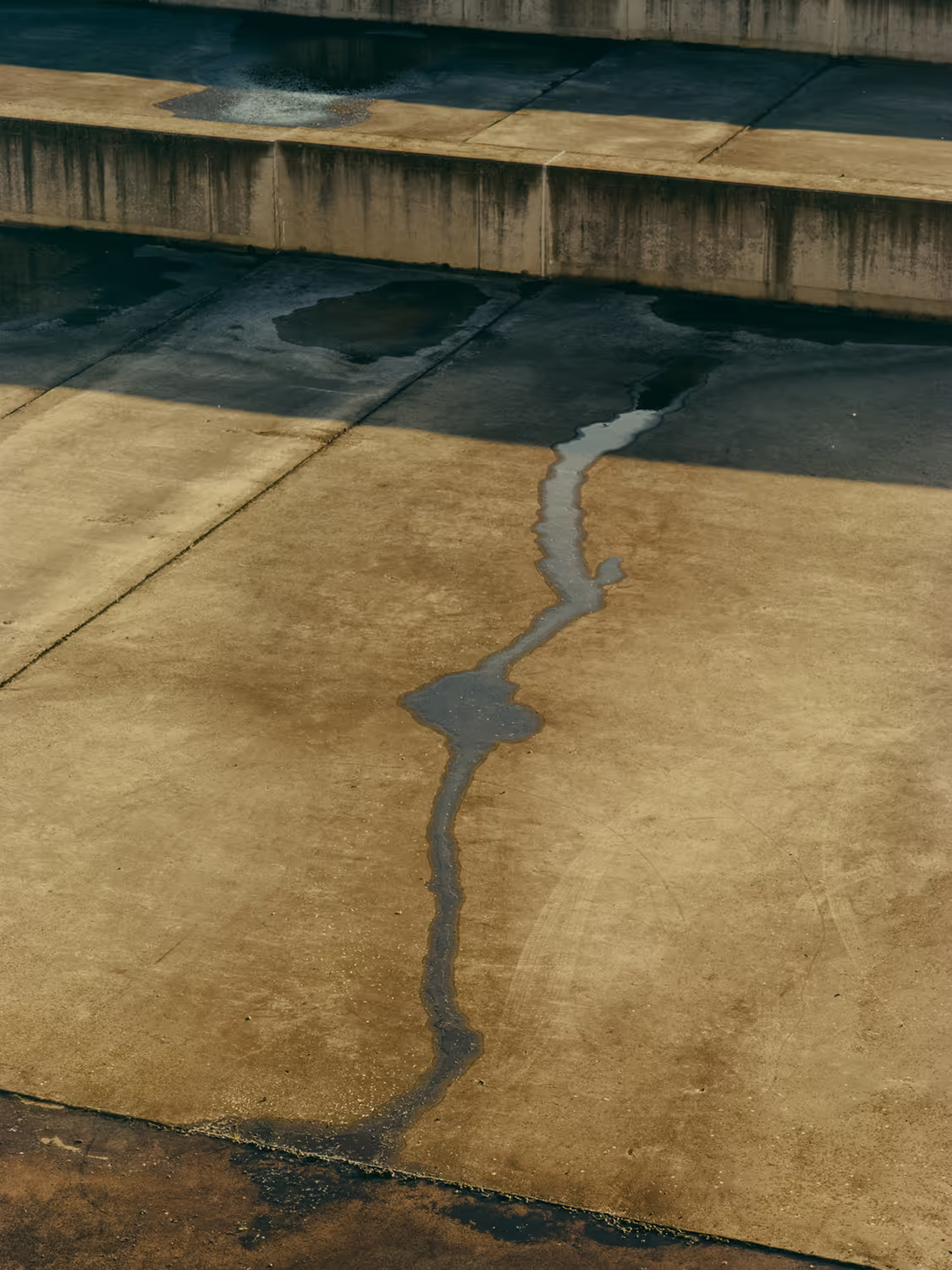
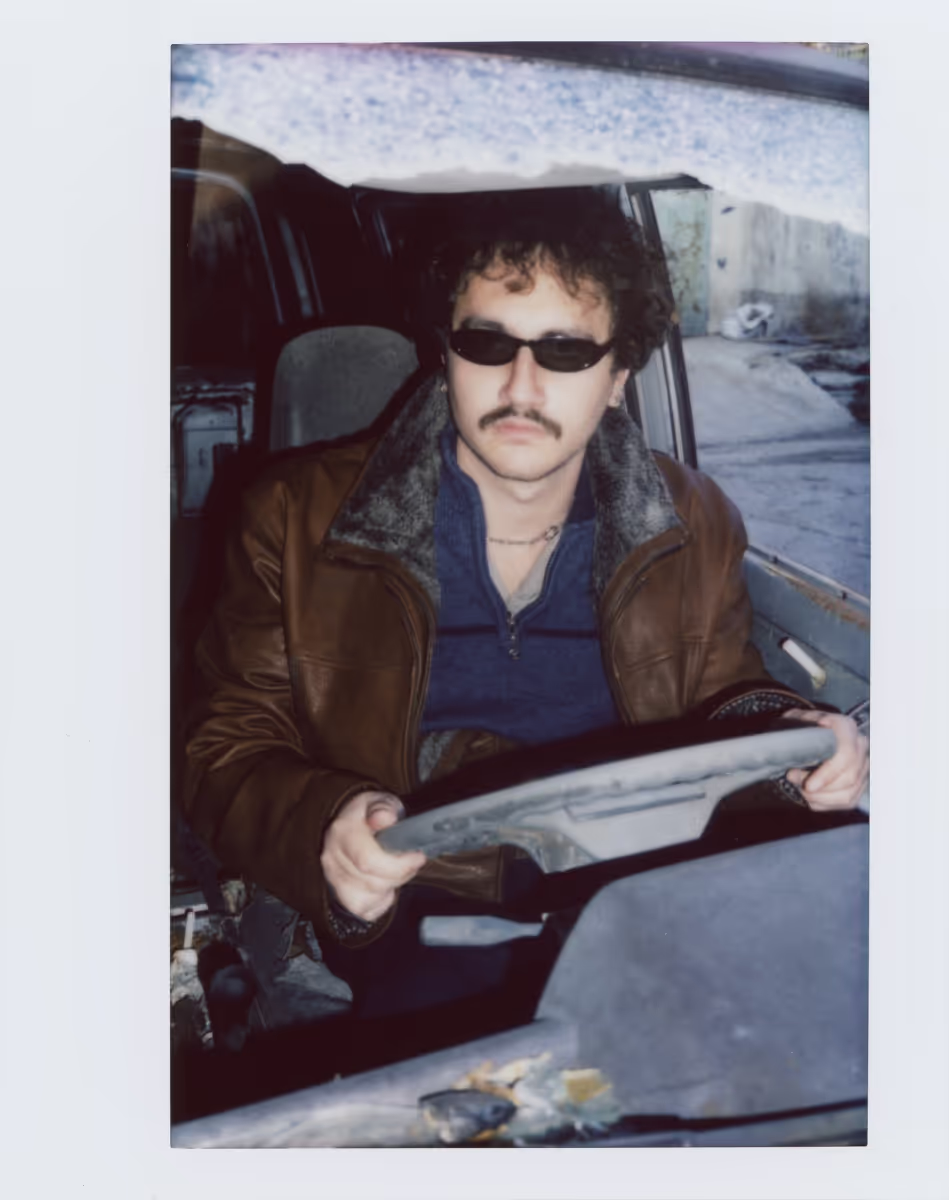
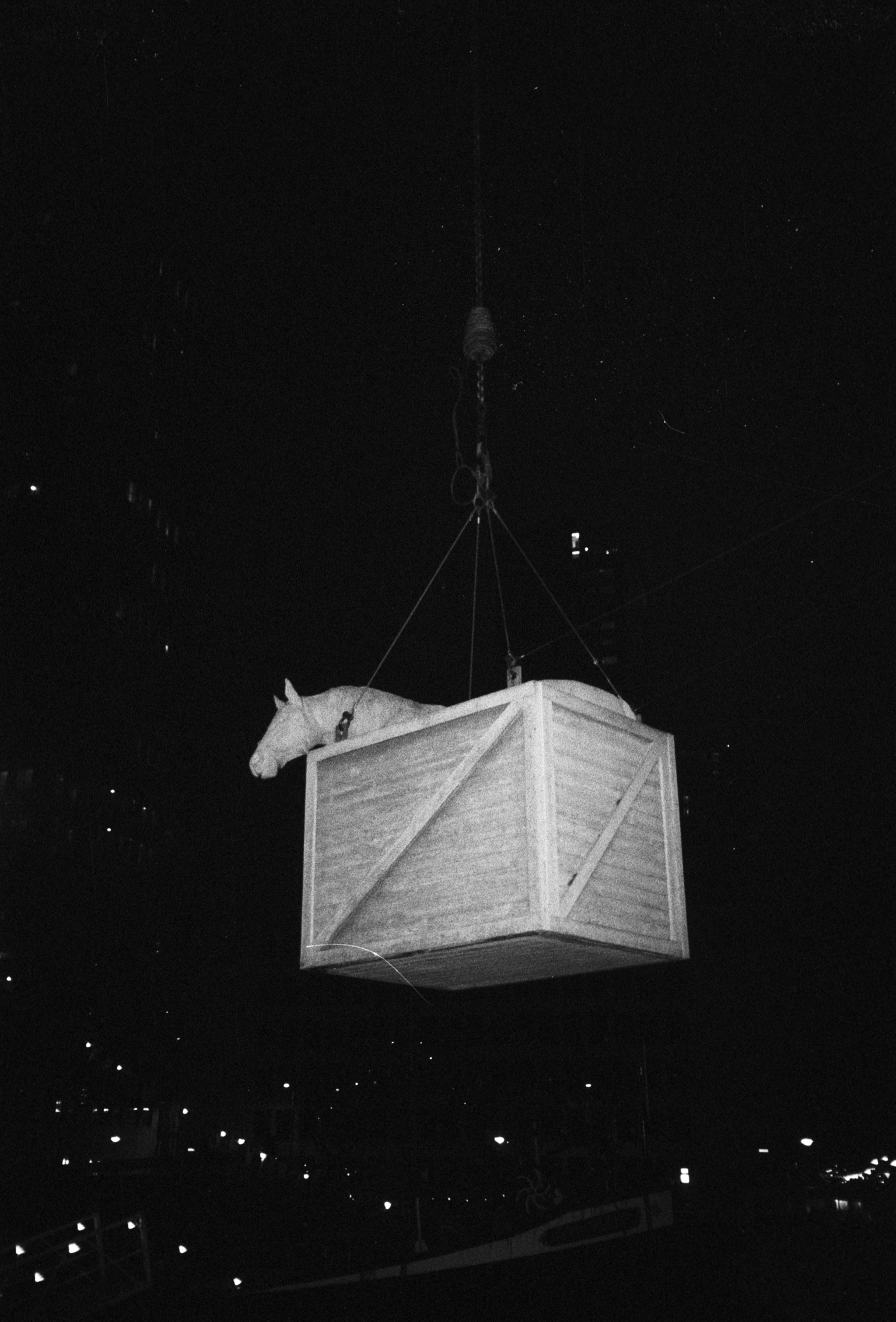
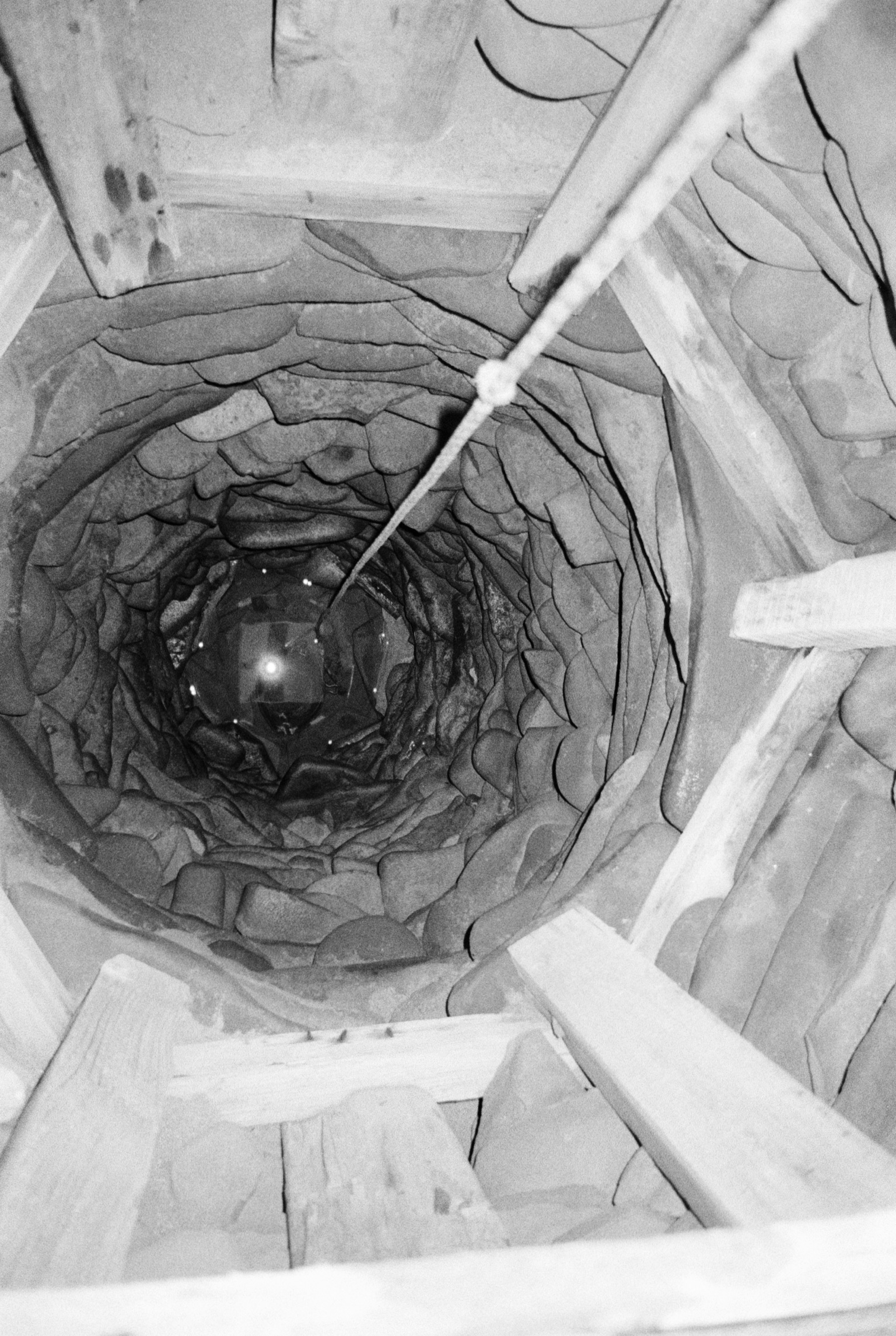
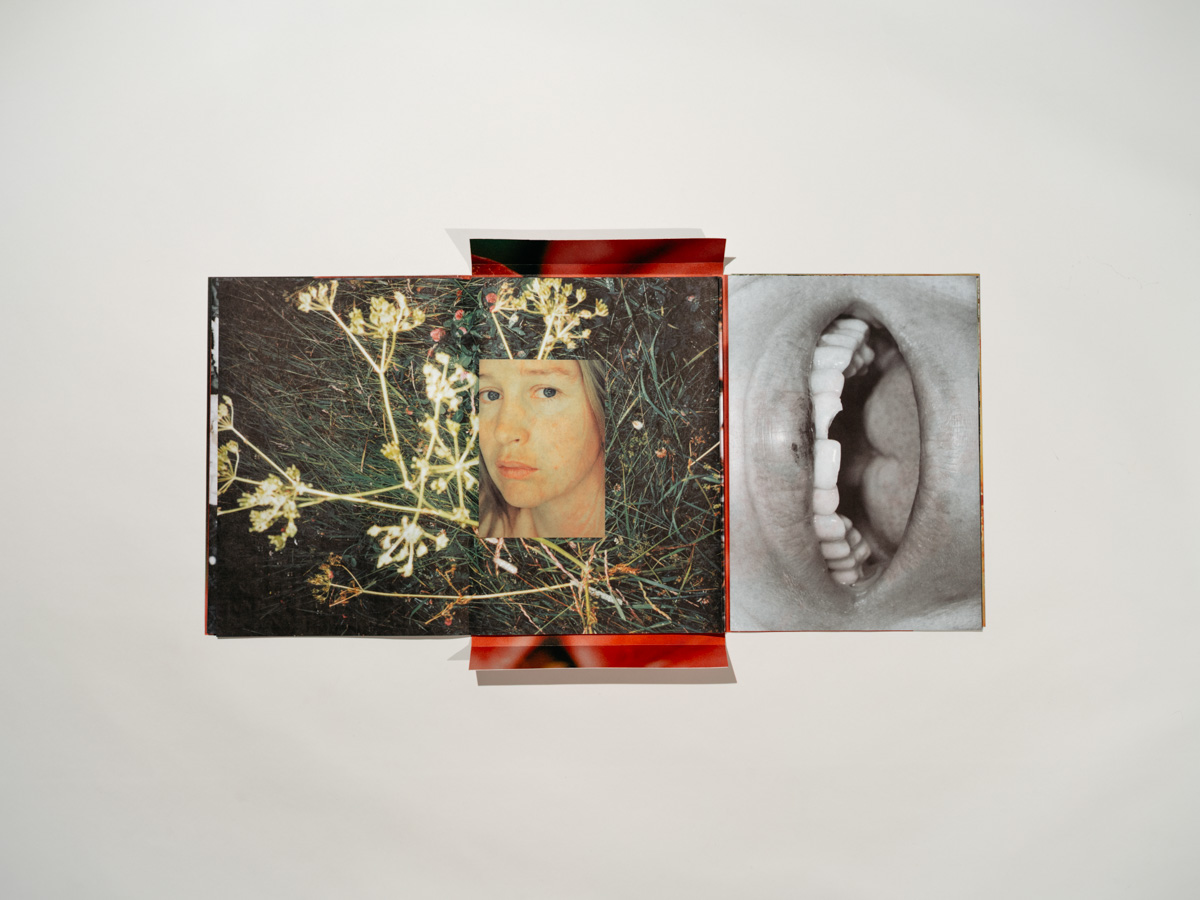
Romanzo Meticcio interrogates Italy’s ongoing difficulty in accepting itself as a multicultural nation. Through my photographs in dialogue with archival materials, the work investigates how the present is shaped by Italy’s colonial past and by the layered histories of both internal and international migration. Rather than offering a linear account, it scrutinizes how events have been framed, remembered, and circulated across generations. Within this broader picture, Italy’s trajectory remains comparatively underexamined. Colonialism was entangled with national unification and the internal conquest of the South, yet public discourse has long minimized these legacies. Their visual and ideological residues persist, sustaining narratives that relegate the South, minorities, and peripheral identities to the margins. To navigate these layers, my approach is interdisciplinary and grounded in intersectionality, acknowledging the co-presence of different systems of marginalization. Drawing on Achille Mbembe’s understanding of the archive as a structure of power, I treat historical photographs not as fixed records but as contested documents to be reactivated and reframed. In 1930s Italy, photography helped legitimize segregation and colonial rule; in my practice, it becomes a site of resistance, challenging the visual logics that produced exclusion. Romanzo Meticcio operates as a form of practice-based research, where image-making becomes a method of inquiry rather than illustration.
Davide Degano
was nominated by
CAMERA Centro Italiano per la Fotografia
in
2026
Show all projects
Each year every member of the FUTURES European Photography Platform nominates a set of artists and projects to become part of the FUTURES network.

At a time in history when images are overproduced and overconsumed, these artists share the ability to slow down the gaze, construct complex narratives, and redefine the relationship between document and imagination.

Filippo Barbero's practice is part of a tradition of investigating subjectivity using photography as a device for knowledge. His attention to detail in bodies and the environment highlights a constant emotional tension where the everyday becomes political and the smallest gesture acquires collective resonance. 

Davide Degano offers a radical reflection on the representation of Italian identity: his photographs deconstruct the environmental, social, and cultural heritage—as well as the colonial legacy—and, through the filter of the younger generations, convey the complexity of the evolution of the boot-shaped country.

Giulia Gatti's work explores the theme of femininity in the communities inhabiting the Isthmus of Tehuantepec in Mexico, a place known through stereotypical depictions in travel literature from the last century. The narrative of everyday life as a symbolic experience shows an alliance between human and non-human bodies, spaces, and customs, thus deconstructing the invention of tradition.

Sofia Gastaldo's sociological view of customs and traditions in urban centers goes beyond the logic of traditional documentary, transforming the image into a space for collaboration and conscious staging. Her subjects emerge from the darkness, while the strong visual impact of color contrasts reveals the sculptural character of bodies and objects in the definition of forms. 

Federica Sasso's visual research addresses a narrative dimension that intertwines documentary photography with algorithmic recognition programs, video, and installation. Her investigation of social dynamics in the technological age enhances the quality of photography as a tool for research, critical revelation, and public activation. 

Together, these artists construct a landscape in which photography is no longer just representation, but process, research, relationship, and responsibility. Their selection does not respond to generational or geographical criteria, but to a common tension towards linguistic innovation and ethical commitment.

List of curators:

Giangavino Pazzola – Curator of contemporary and research programs at CAMERA

François Hebel – Director at CAMERA

Nominators:

Daniele De Luigi – curator Fondazione AGO Modena

Giuseppe Oliverio – director PHMuseum Bologna
Newsletter