Edit profile
The

Artist

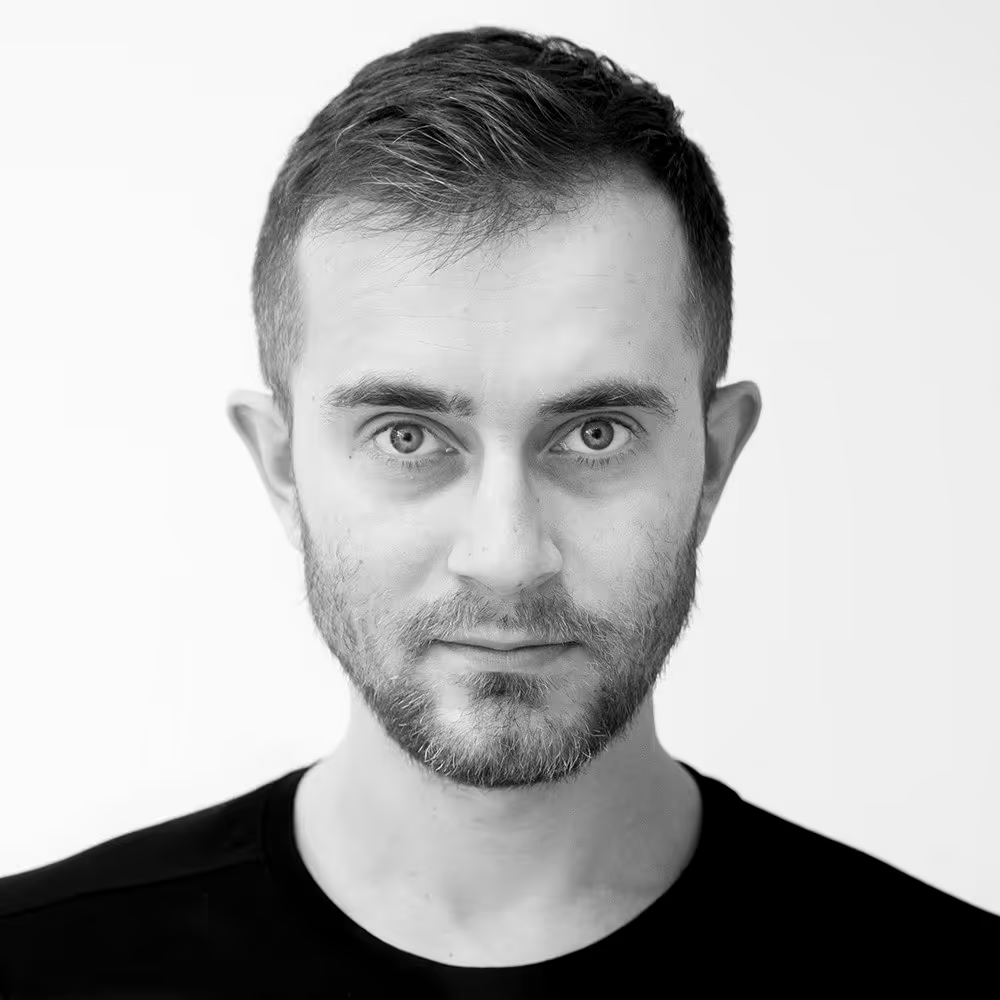
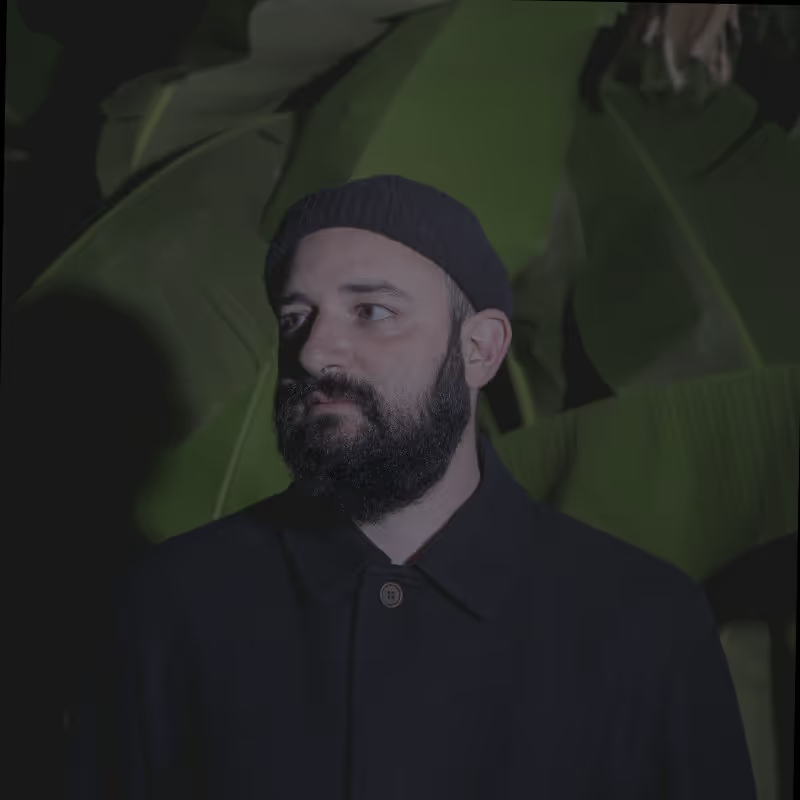
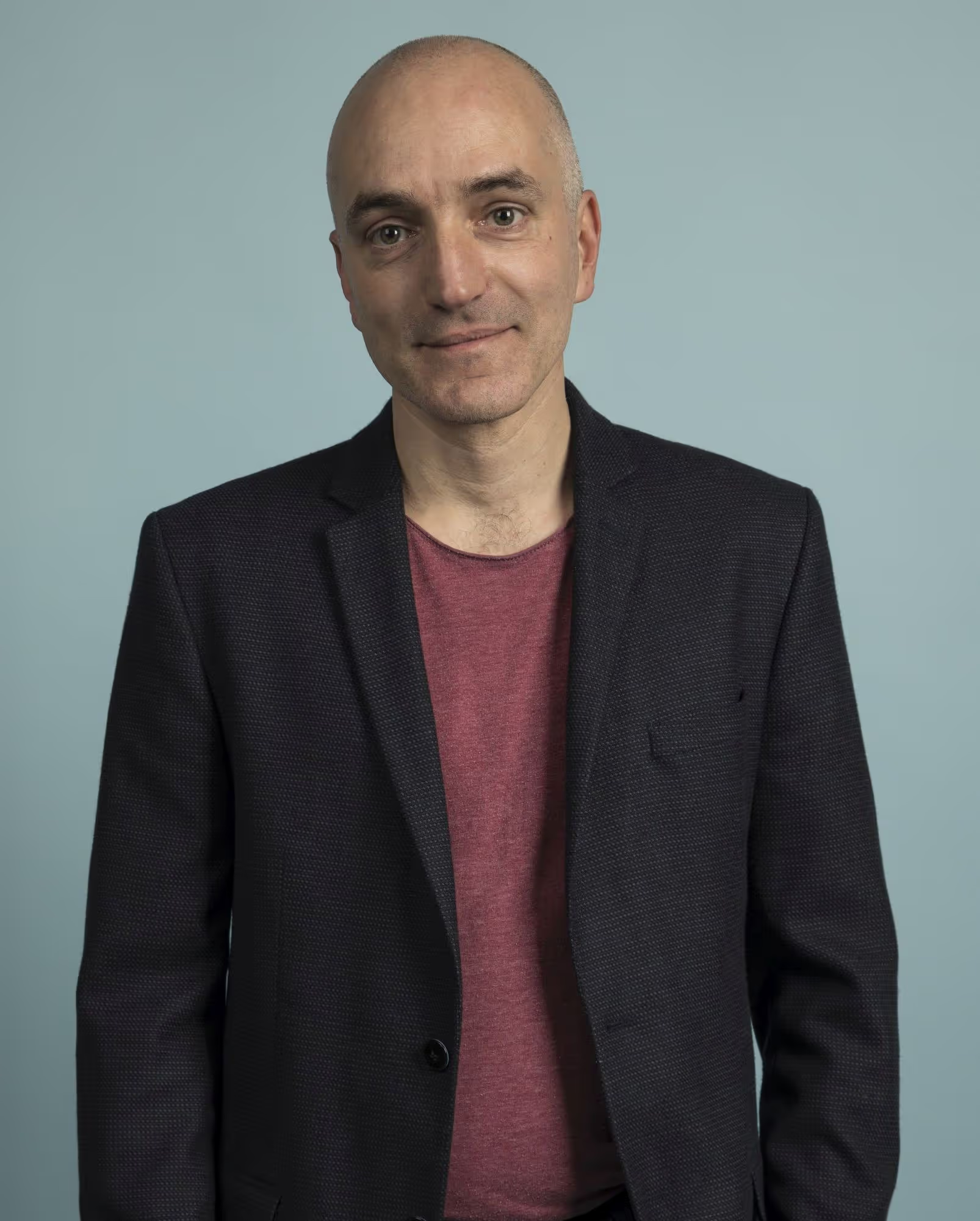
Valentin Valette

Lives and Works in
Paris, Maghreb, Pyrénées
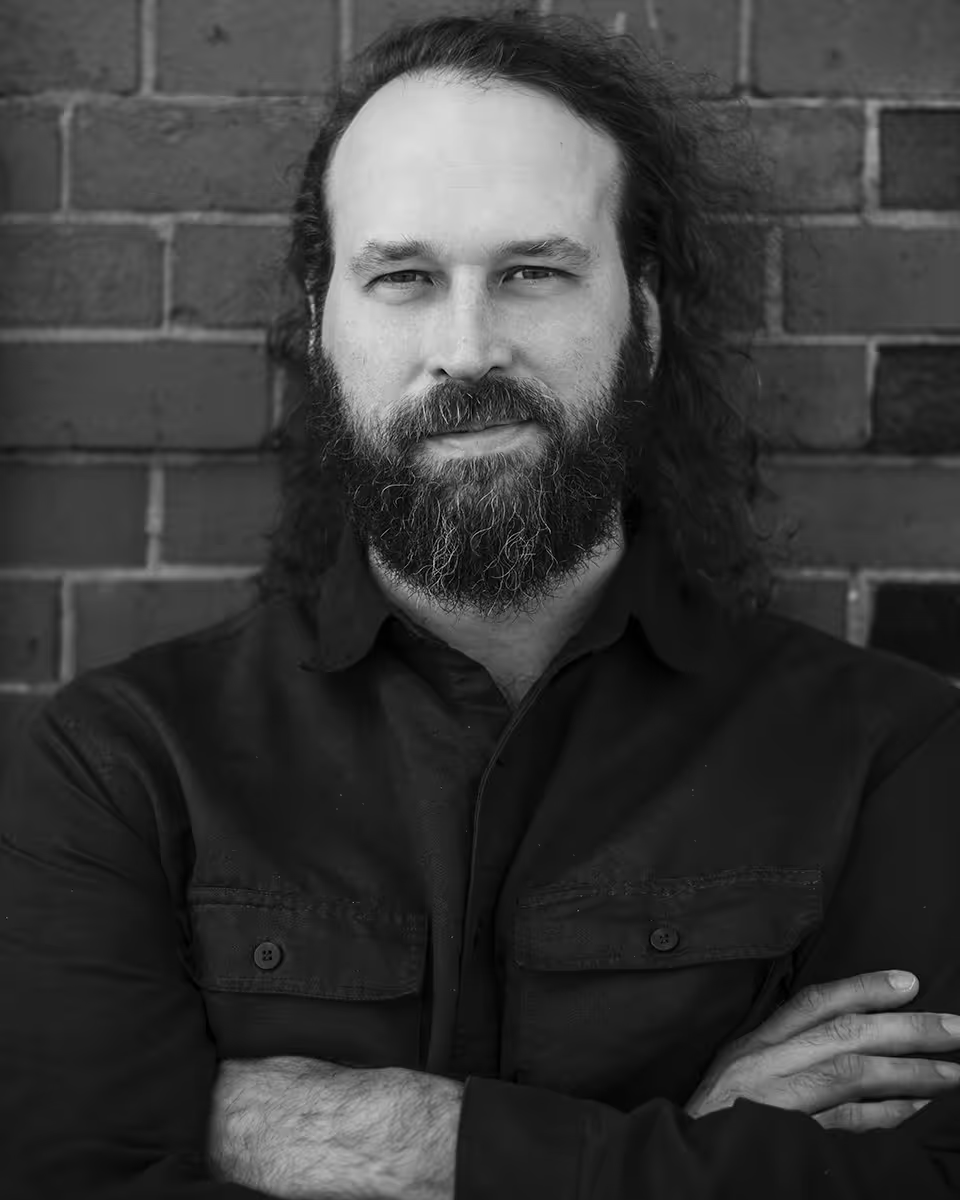
Valentin Valette is a Franco-Algerian visual artist, photographer, and researcher in visual anthropology, based between the Gulf, the Maghreb, Paris, and the Pyrenees. Bridging artistic creation and research in the social sciences and humanities, Valentin Valette focuses on environmental transformations and the social, political, and economic dynamics that influence local practices and experiences. His work also examines processes of movement, whether voluntary or forced, and their impact on community ties, individual and collective memory, and the construction of territories. Valentin Valette employs various to explore these complex situations and reveal the temporalities shaping these spaces. His approach combines research and creation, remaining attentive to human stories and the contexts in which they unfold. Born in 1994 in Pau (France), he holds a Research Master’s in International Relations – North Africa and the Mediterranean (CIFE) and a Master’s in Political Science – Political Dynamics and Societal Transformations (Sciences Po).
Projects
2024

Ashes of the Arabian’s Pearl

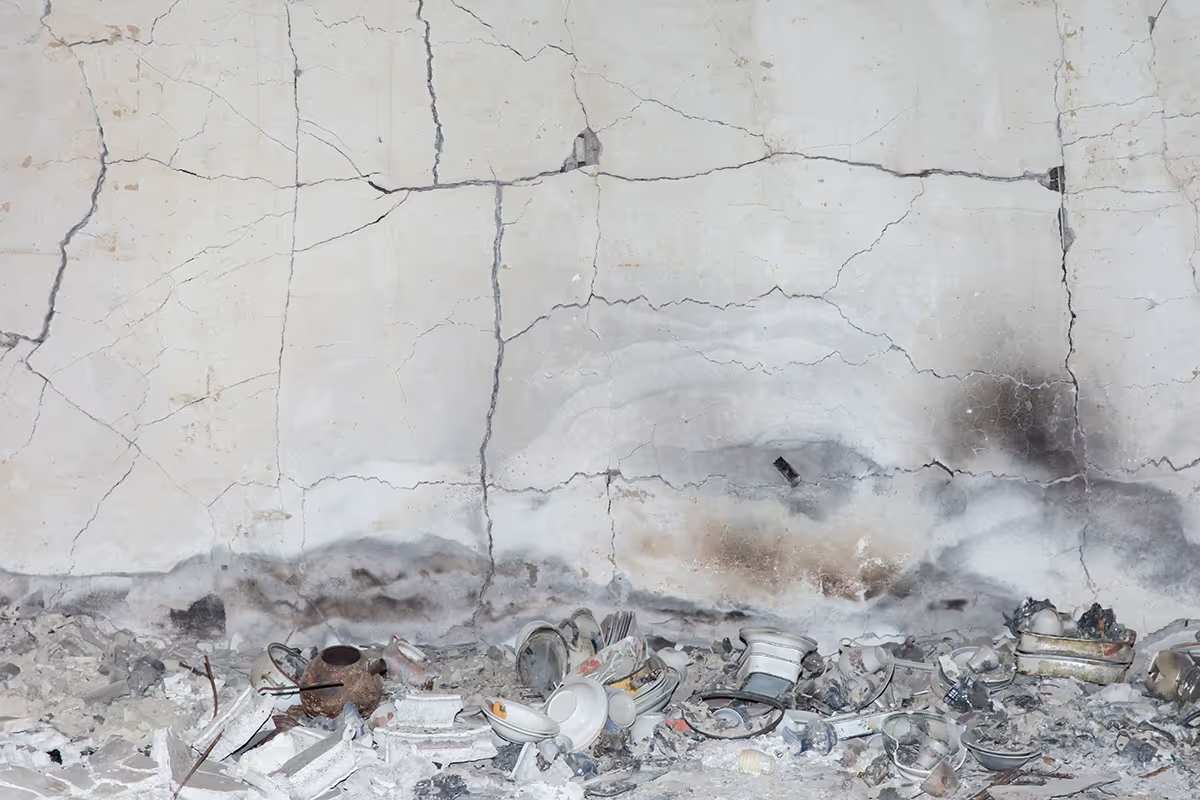
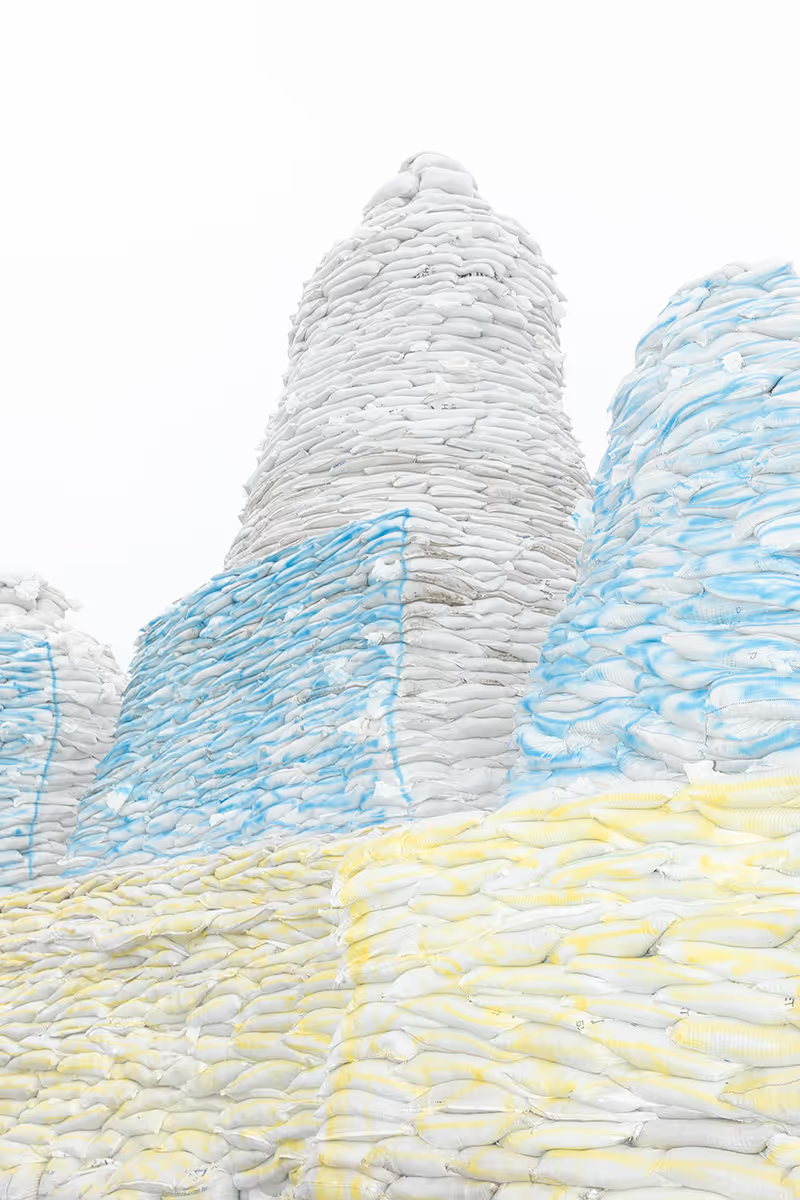
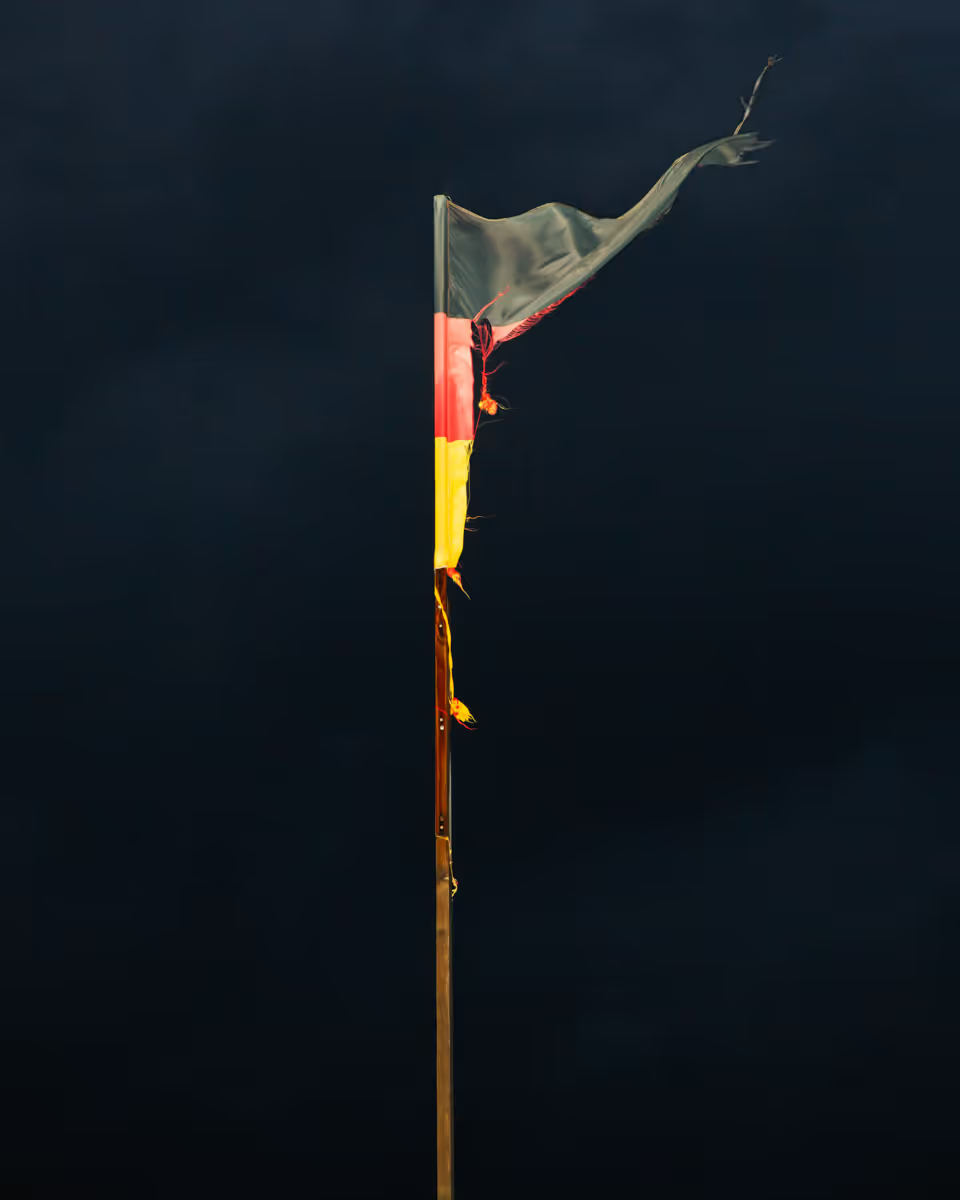
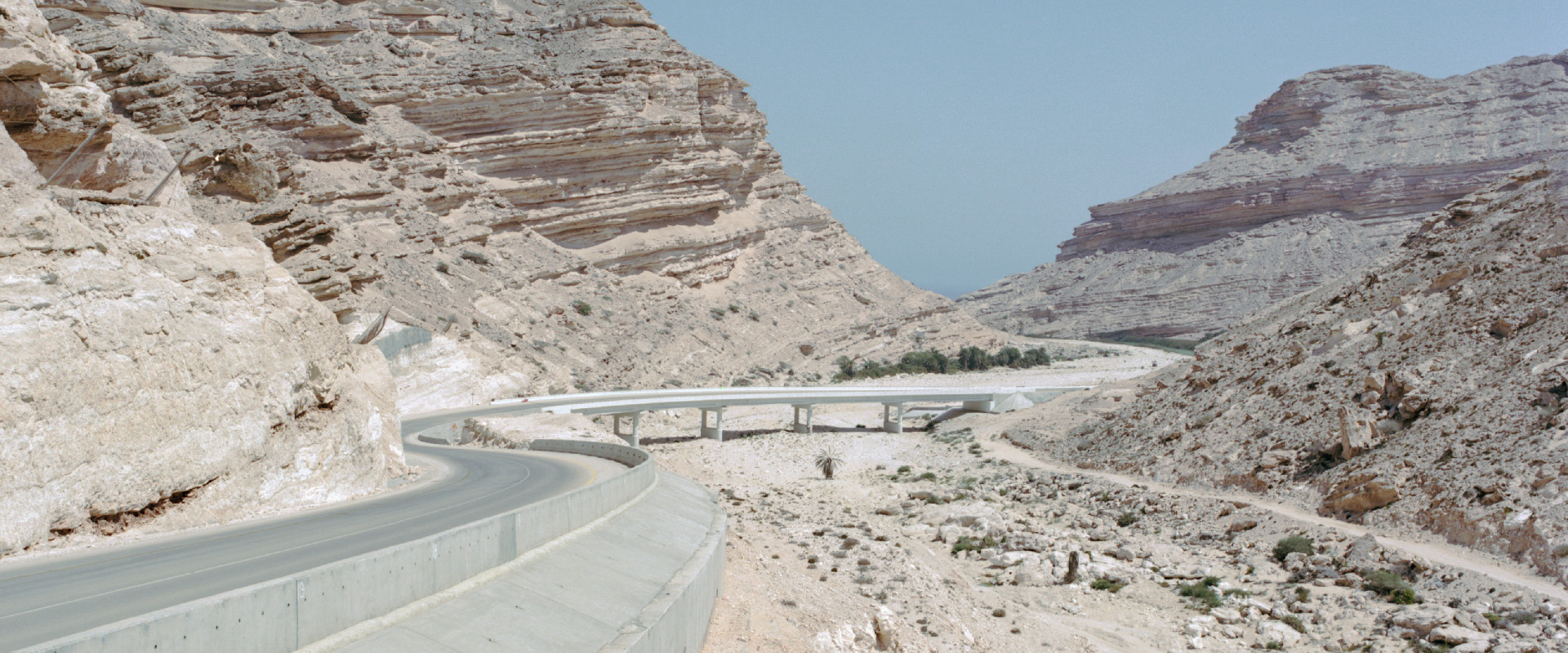
On January 10, 2020, the Sultanate of Oman mourned the death of Qābūs Bin Sa‘īd Āl-Būsa‘īdī, a beloved and cherished monarch whose fifty-year reign was marked by longevity, an absolute record in the Arab world. Throughout these years, Sultan Qābūs had shaped himself into a founding figure of modern Oman, dedicated to rapidly developing the country through oil wealth and inspired by the myth of the « nahda » or « renaissance ». Now, it falls upon his cousin, the current Sultan Haitham Bin Tariq, to carry on the development policy, « Oman Vision 2040, » initiated by Qābūs before his death. Between the end of a successful reign for Sultan Qābūs and the commencement of Haitham's era, « Ashes of the Arabian's Pearl » embarks on an odyssey through a realm of intertwined destinies. This project explores a period of interconnection, a chrysalis of monarchic transition, and the pressing need for economic diversification as the oil and gas resources dwindle. From 2020 to 2023, this documentary project was born of a desire to closely observe the dynamics of economic development and the subjective future of this Gulf monarchy. In that spirit, "Ashes of the Arabian's Pearl" cultivates a metaphorical conversation between two distinct demographics: those in positions of employment and those who serve in such roles. The documentary illustrates the lifestyles of numerous men, specifically the skilled artisans who craft the dreams of the nation, largely hailing from India, Pakistan, and Bangladesh while contrasting their experiences with those from Omani entrepreneurial families. This photographic research summons the whispers of the past - the imprint left by Qābūs - by mobilizing a concept from urban geography, « the tomason, » as a scientific tool to designate a unique category of objects, spaces, and buildings that intrigue us because they seem out of place, known to be remnants of the past, forgotten, sometimes broken. But what past? Why are they there? What were they used for? How long will they remain? These memorative signs refer to the connection between space - that of territorial development - and time - that of Qābūs' glorious reign - in nostalgic and memorial processes. These vestiges seeped in memory, underlining the tapestry of Qābūs' radiant reign, etched in the folds of reminiscence. Much like the Sultanate of Oman itself, this project resides at the crossroads of dual temporalities, serving as a poignant bridge between the past and the present.
Valentin Valette
was nominated by
Centre photographique Rouen Normandie
in
2026
Show all projects
Each year every member of the FUTURES European Photography Platform nominates a set of artists and projects to become part of the FUTURES network.

While each artist has their own specific approach, they all address the question of the document and the photographic image as a place of memory or even belief.

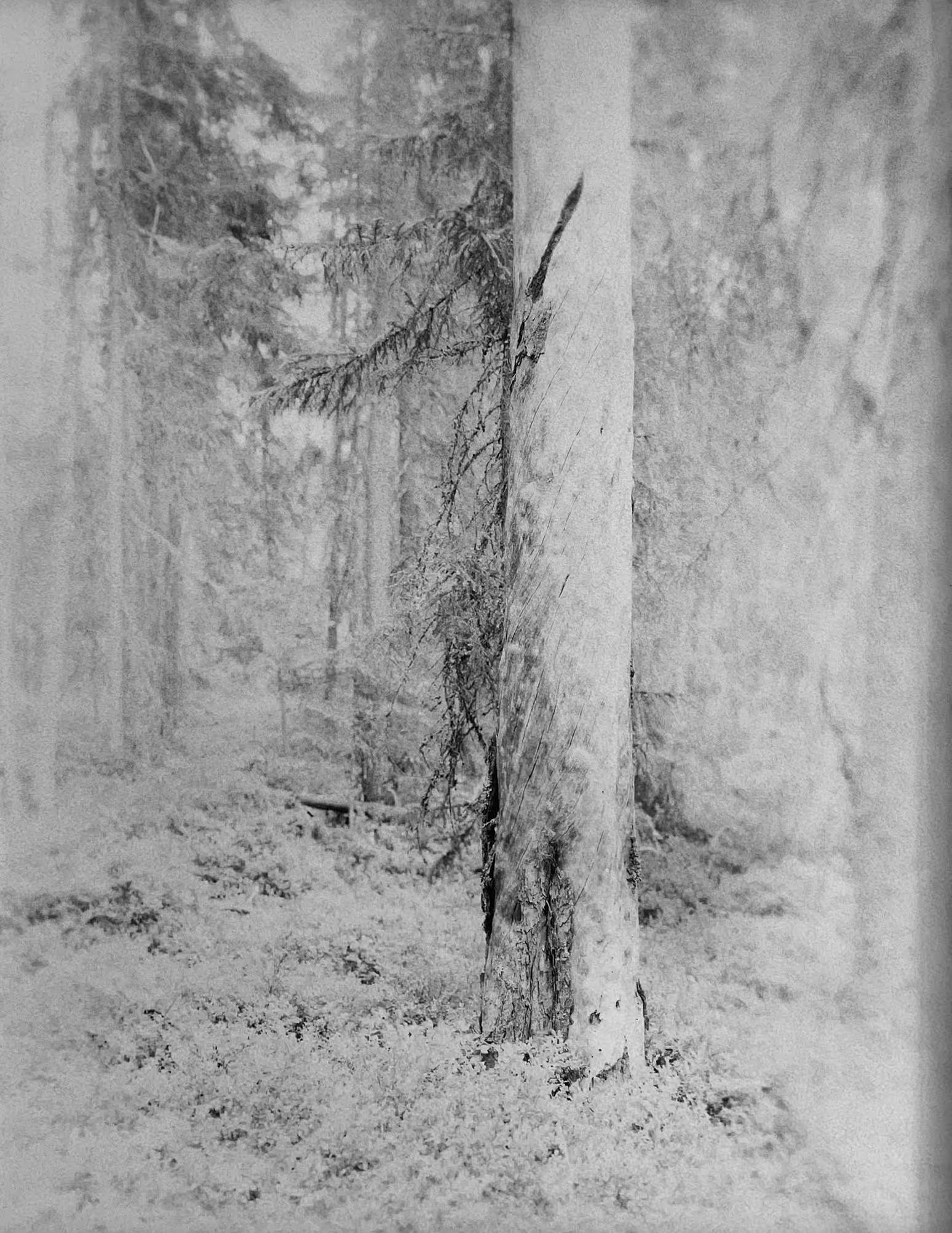
With Gaëlle Delort, it is the landscape of the Causses, where she lives, that is revealed through a long-term exploration using a view camera. Combining speleology with her photography practice, she captures the geomorphology of the region in striking underground landscapes. Venturing into places beneath the ground we walk on, she methodically probes and records the other side of the world, where the archives of the earth lie.

It is the memory of human beings and their artefacts that Lívia Melzi seeks to highlight. Starting with the archives of the National Museum of Rio de Janeiro, destroyed by fire in 2018, she is also pursuing a long and extensive project of gathering material from the reserves of ethnographic museums. Based on these traces of the past, the Franco-Brazilian artist questions the future of their photographic collections.

Sediments of beliefs, the photographic image gains a range of forms borrowed from the field of popular Mediterranean tradition in Emma Tholot's work. Her installations blend theatrical elements from religion, carnival and the circus. Migrating onto fabric, embellished with ribbons, bells, wax ex-votos, cushions and satin, the photographic image is the crucible of a collective memory with a baroque accent.

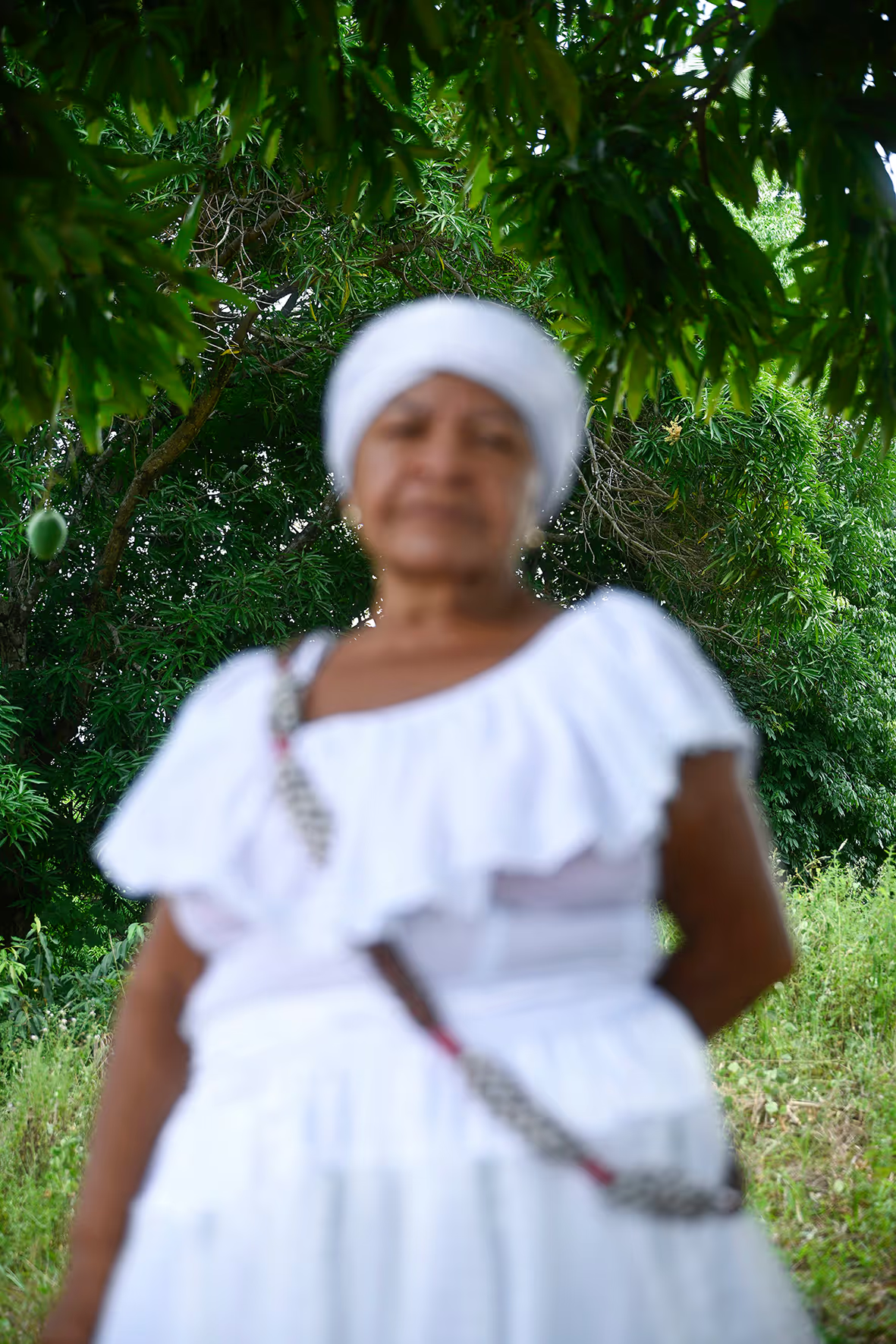
Finally, the photographic document as deployed by Valentin Valette is shaped by his background in visual anthropology. The Franco-Algerian artist carries out photographic projects in the Gulf countries and is particularly interested in present-day Oman. In a large fresco combining documents, sound and photographs, he portrays migrant builders and entrepreneurs, and, isolated in vast desert landscapes, architectures that could be from the distant past or far-off future. Capturing faces and traces, he depicts a territory in transition, criss-crossed by migrations whose embodied lives are often erased, and patiently builds an archive of the time that once existed beneath these infrastructures of concrete and solar panels.

The members of the jury:

Marie Magnier, Director of Filles du Calvaire gallery

Valérie Cazin, Director of Binome gallery

David Benassayag, Co-director of Le Point du jour art center

Fannie Escoulen, Independent curator, co-founder of Le Bal, Paris

Nathalie Giraudeau, Director of Centre Photographique d’Ile-de-France

Claire Tangy, President of Centre photographique Rouen Normandie
Newsletter