
Artist
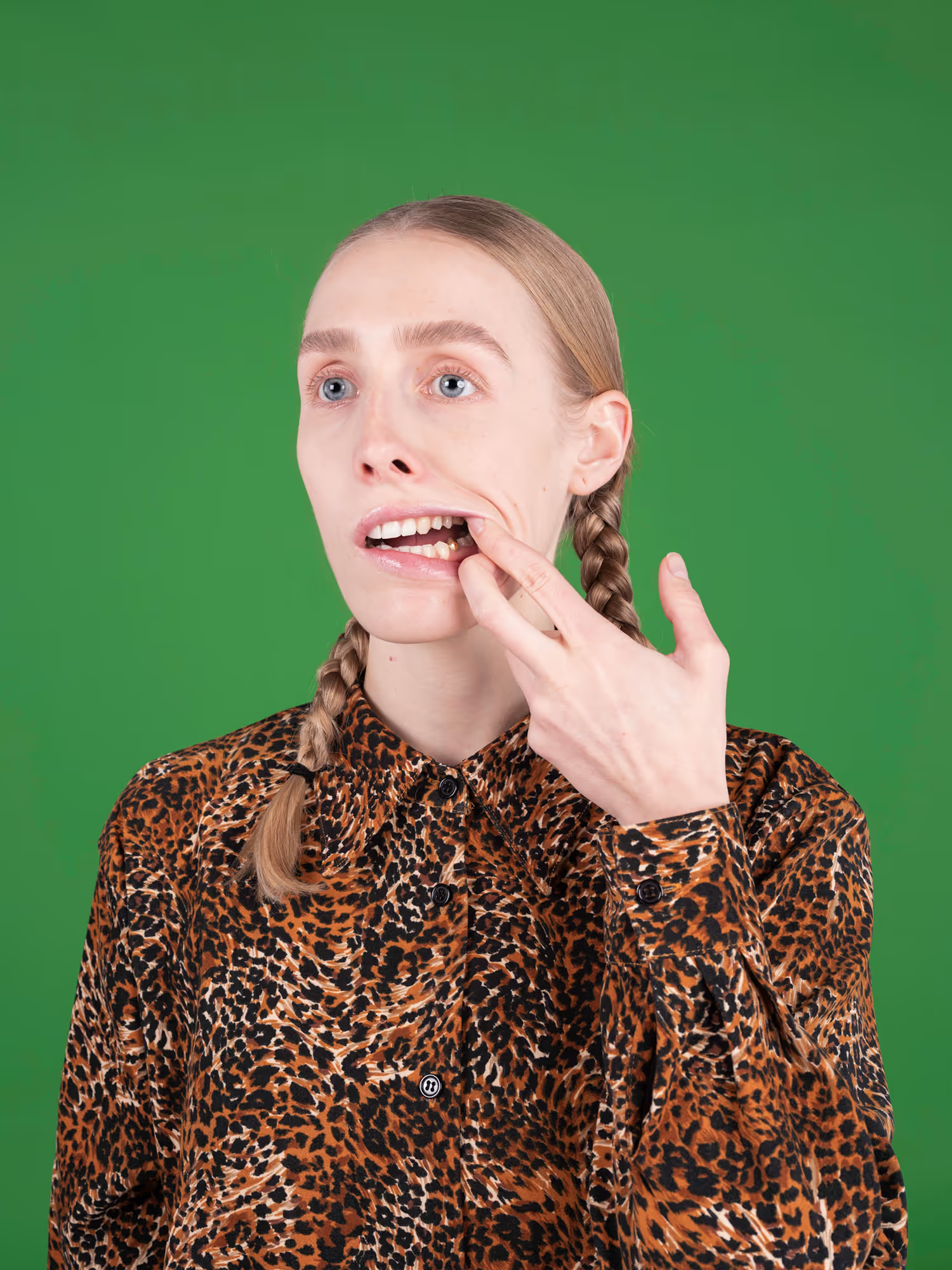
Lucija Rosc
Organ Vida’s FUTURES selection for 2024 is based on a group of photographers and visual artists working in the broader regional context of former Yugoslavia. Their artistic practices cover a variety of visual approaches which document, but also speculate about, everyday life and the different possibilities of intimate storytelling. For Eva Bevec, everyday is captured in the homely setting full of absurdity and curiosity. David Bakarić Mihaljević documents his personal, everyday life narrated as a generational perspective on growing up in the imaginary space where digital and fictional worlds collide. In Lucija Rosc’s practice, everyday family life is fictionalised, further questioning the role of memory through the playful staging of reality. Petra Slobodnjak is a participant-observer of the communal living experience which translates the spontaneity of shared everyday life situations. And Pavle Banović offers a diary format of everyday life spent in New York, where their camera gaze intertwines with other protagonists they encounter along the way.
like to explore
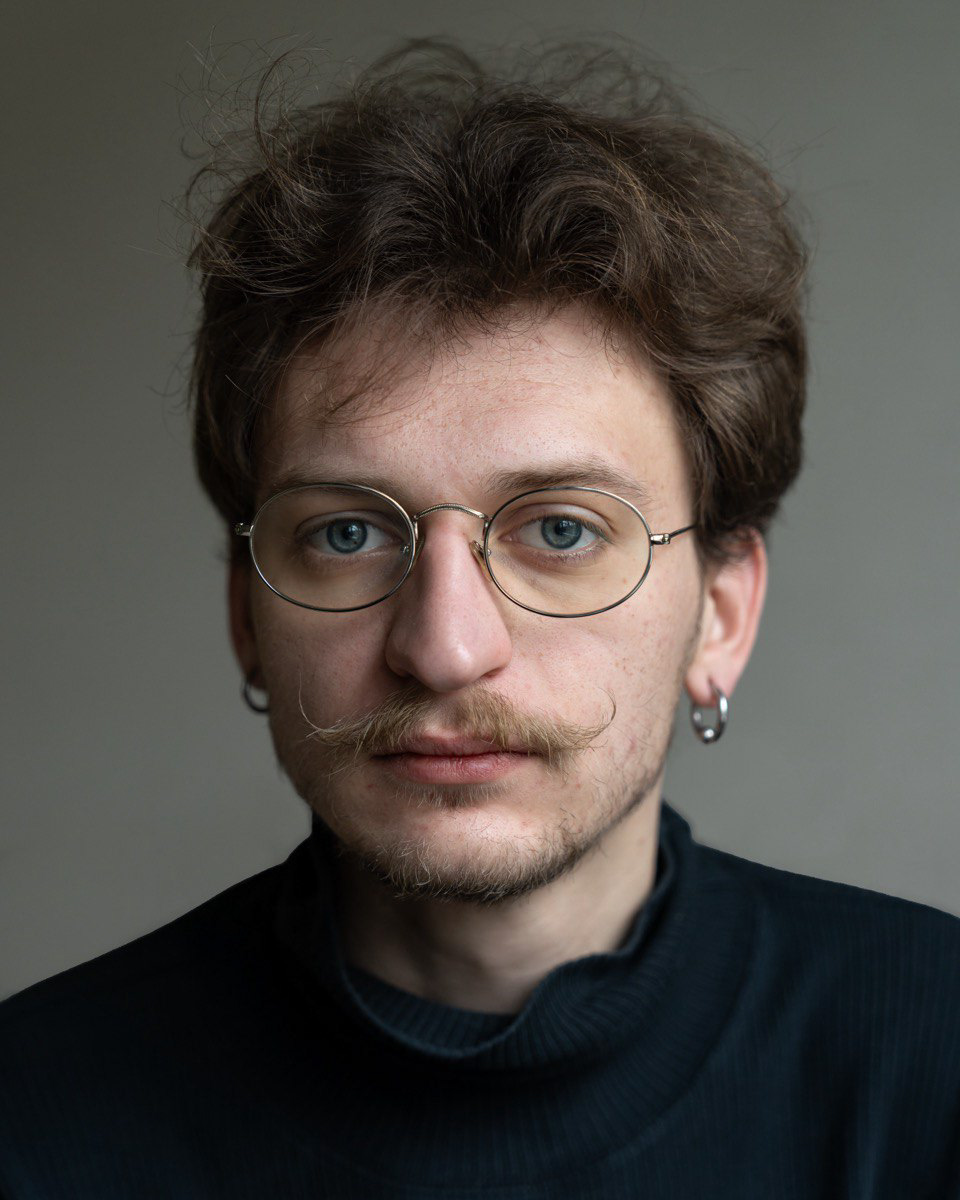
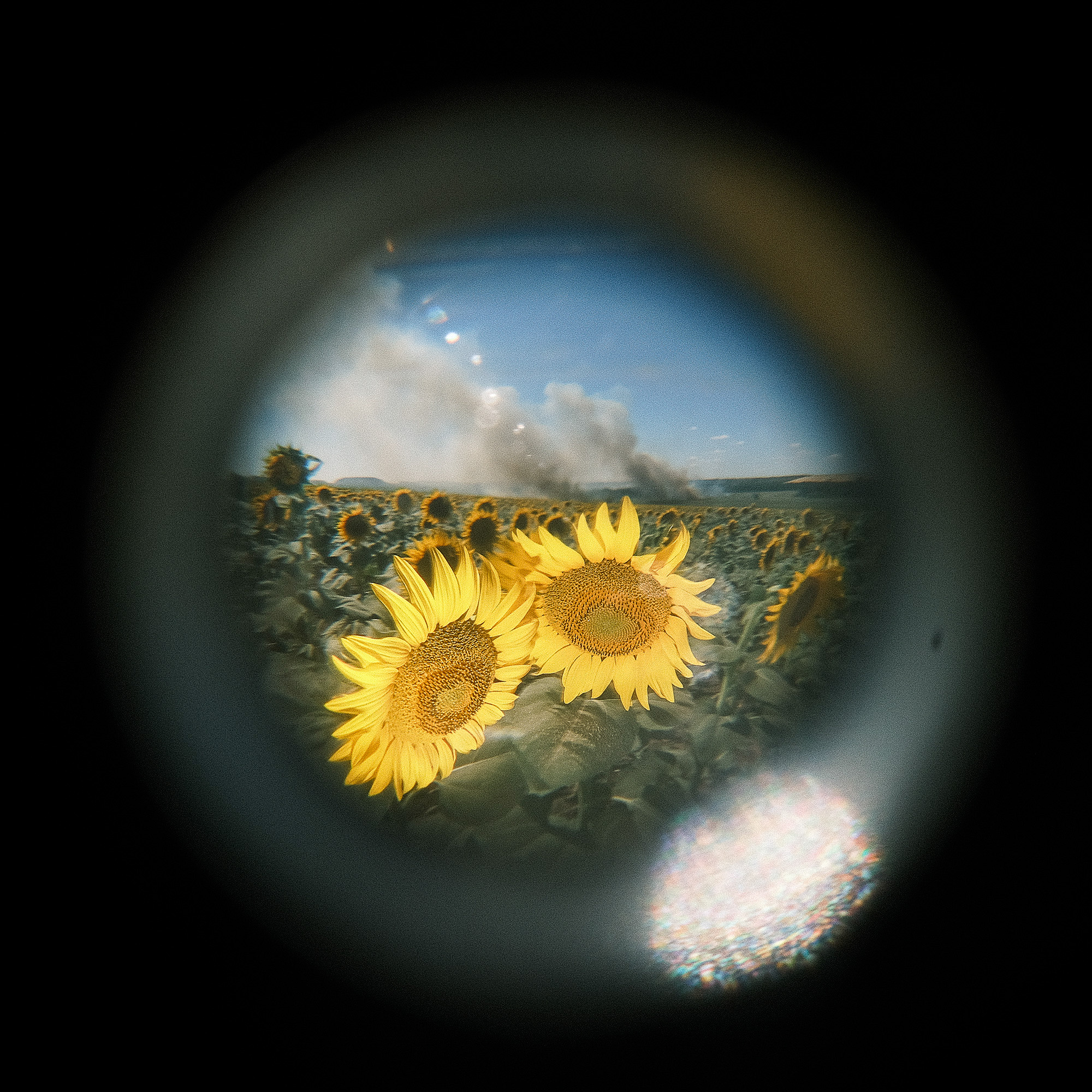
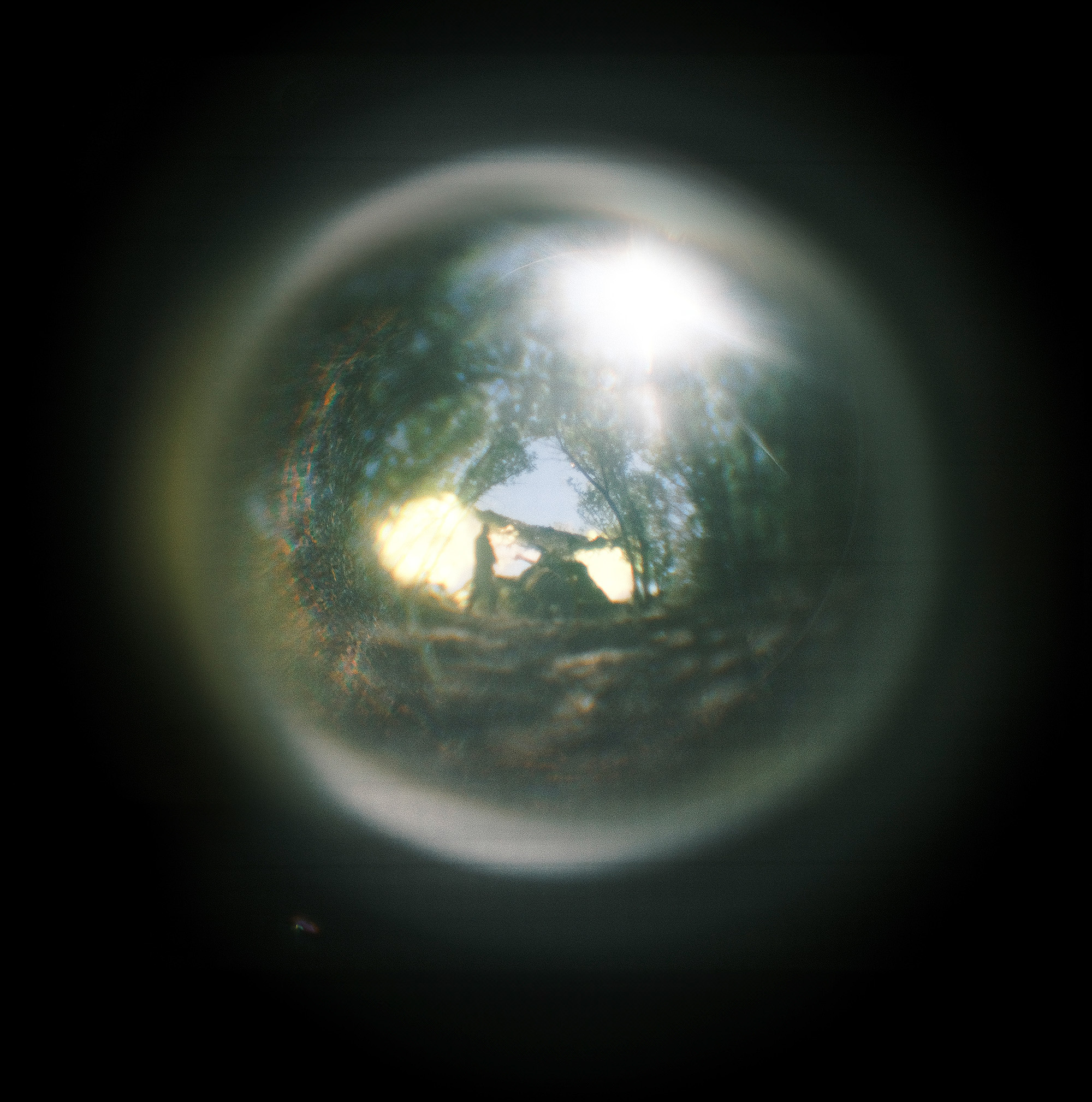


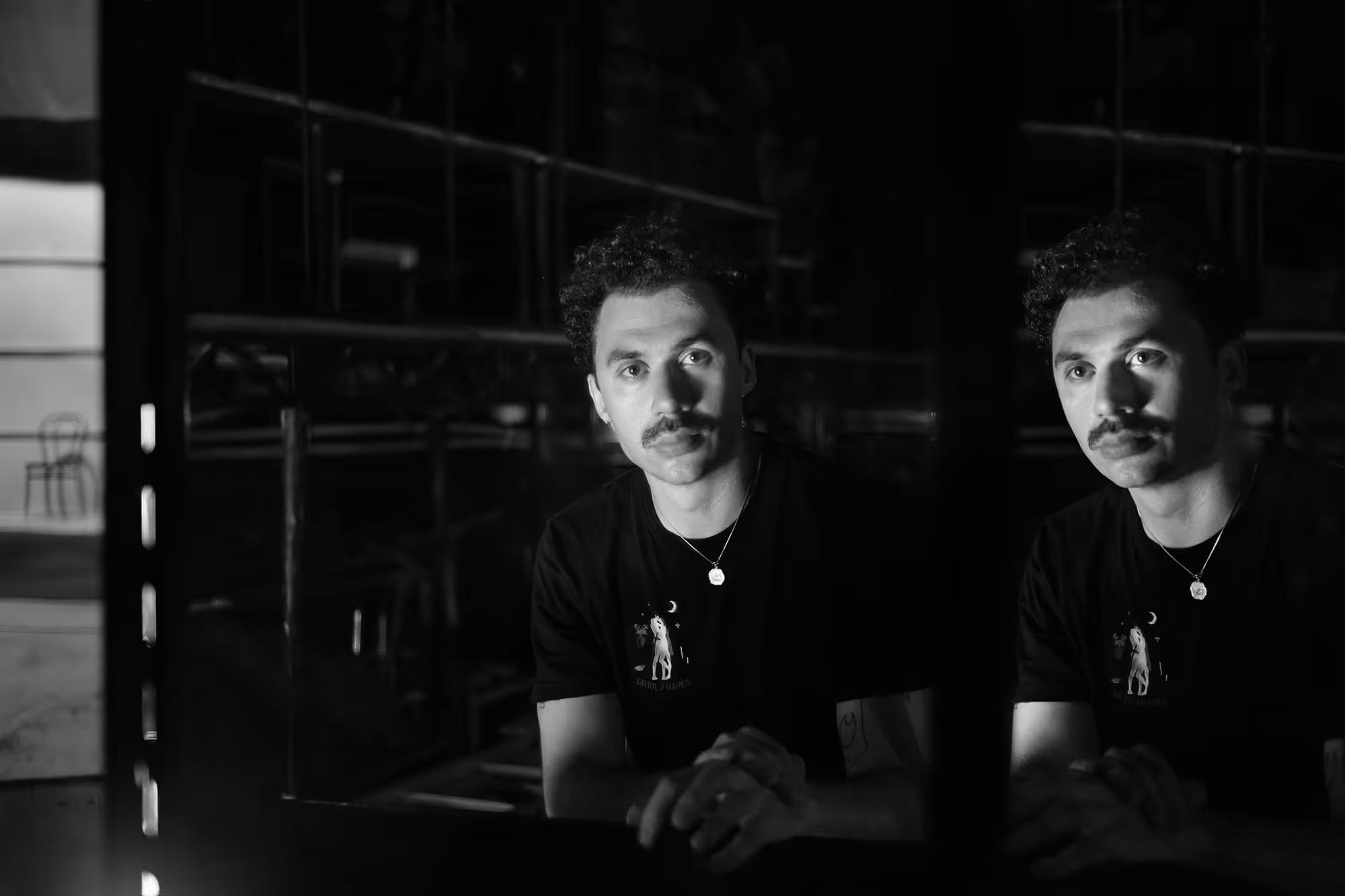
Adi Tudose (b. 1987, Bucharest) is an artist-photographer based in Budapest. After completing his studies at The National University of Theatre and Film, he further expanded his artistic vision through experiences in Milano. He is pursuing an MA in Photography at Moholy-Nagy University of Art and Design, where his practice continues evolving. For him, the camera is far more than a tool—it is a medium through which he connects with the world around him. The streets become dynamic, ever-changing spaces where unpredictable encounters unfold. Immersing himself fully in these environments, Tudose approaches his subjects with empathy and sensitivity, capturing their lives with care and revealing emotional depth and vulnerability.
Tudose can transform fleeting, transient moments into cohesive compositions, bringing order and harmony to the everyday. Through this process, he taps into the subconscious, offering viewers a sense of unity within the chaos. His seamless blending of form and content sets him apart, creating simple yet mysterious representations. His work is characterized by cohesive framing, a rich interplay of diverse elements, and tuned figure-to-ground relationships. Tudose’s work offers an invitation to reflect on what photography can reveal about the human condition. Each frame carries layers of emotional and sociological insight, capturing the essence of his subjects while creating space for the viewer to connect with them on a personal level. Each photograph becomes more than a visual representation; it transforms into a deeply felt emotional experience.
Empathy and vulnerability lie at the core of Tudose’s creative process, enabling him to form deeper connections with his subjects and uncover meaningful relationships that might otherwise remain hidden. His work seeks to evoke genuine emotions, delving into themes of social and gender representation while fostering a sense of belonging. In doing so, he transforms emotional disconnection into moments of peace and truth.
As an artist, Tudose is committed to long-term projects that tell meaningful stories, ones that challenge him to confront fear, embrace vulnerability, and transform his personal experiences into shared human truths. His photography doesn’t just document—it transcends, offering symbols of connection and hope in a chaotic world.
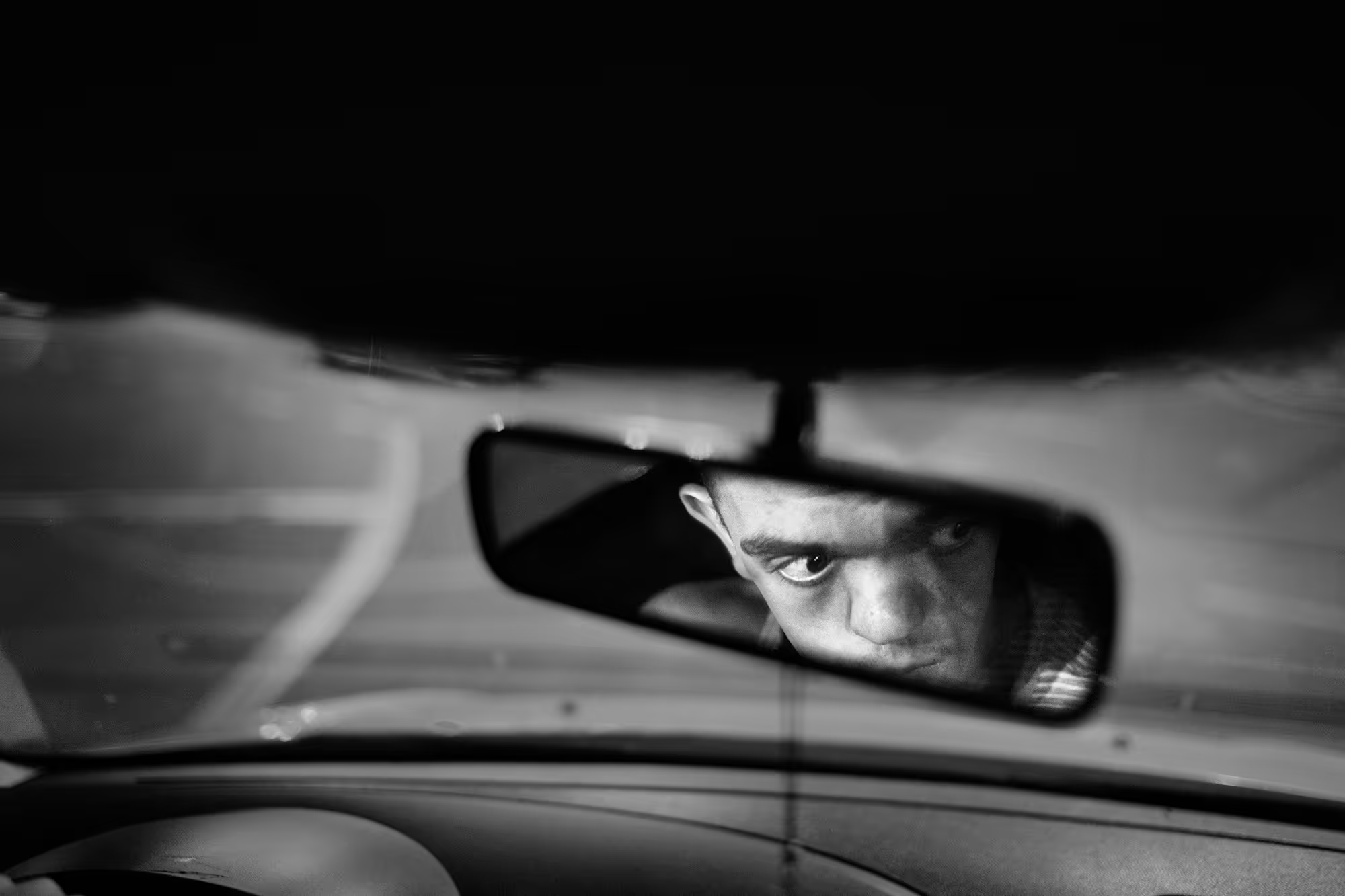
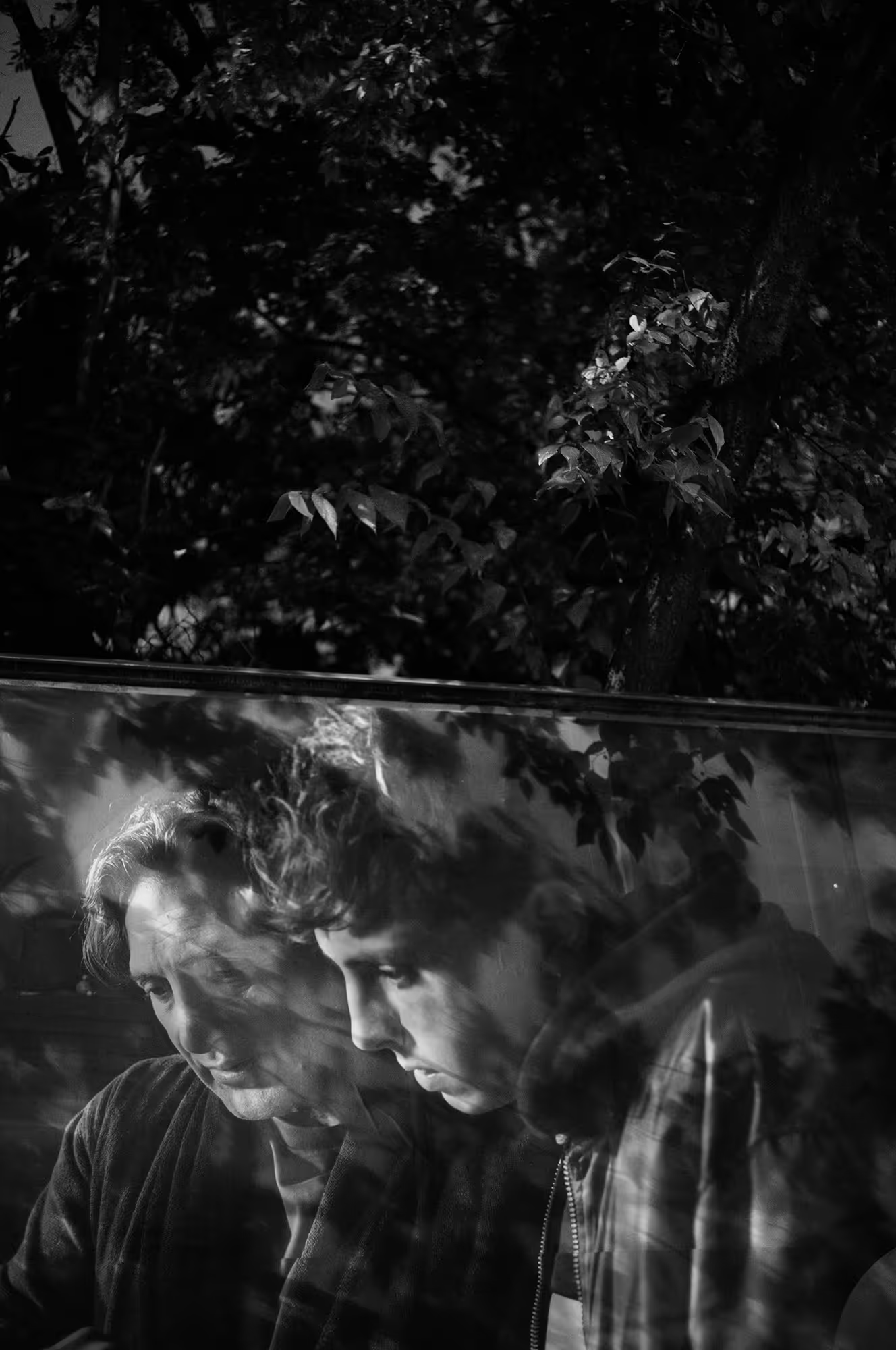
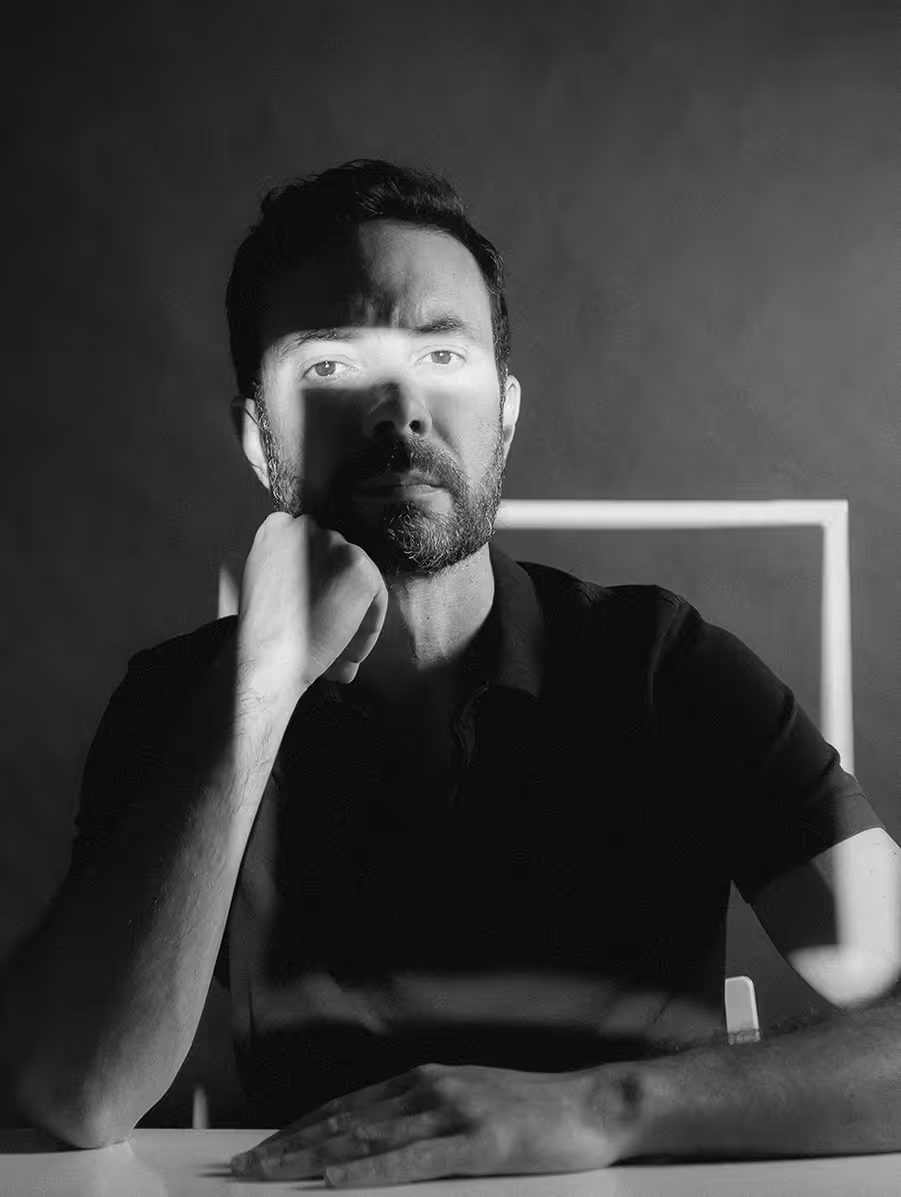
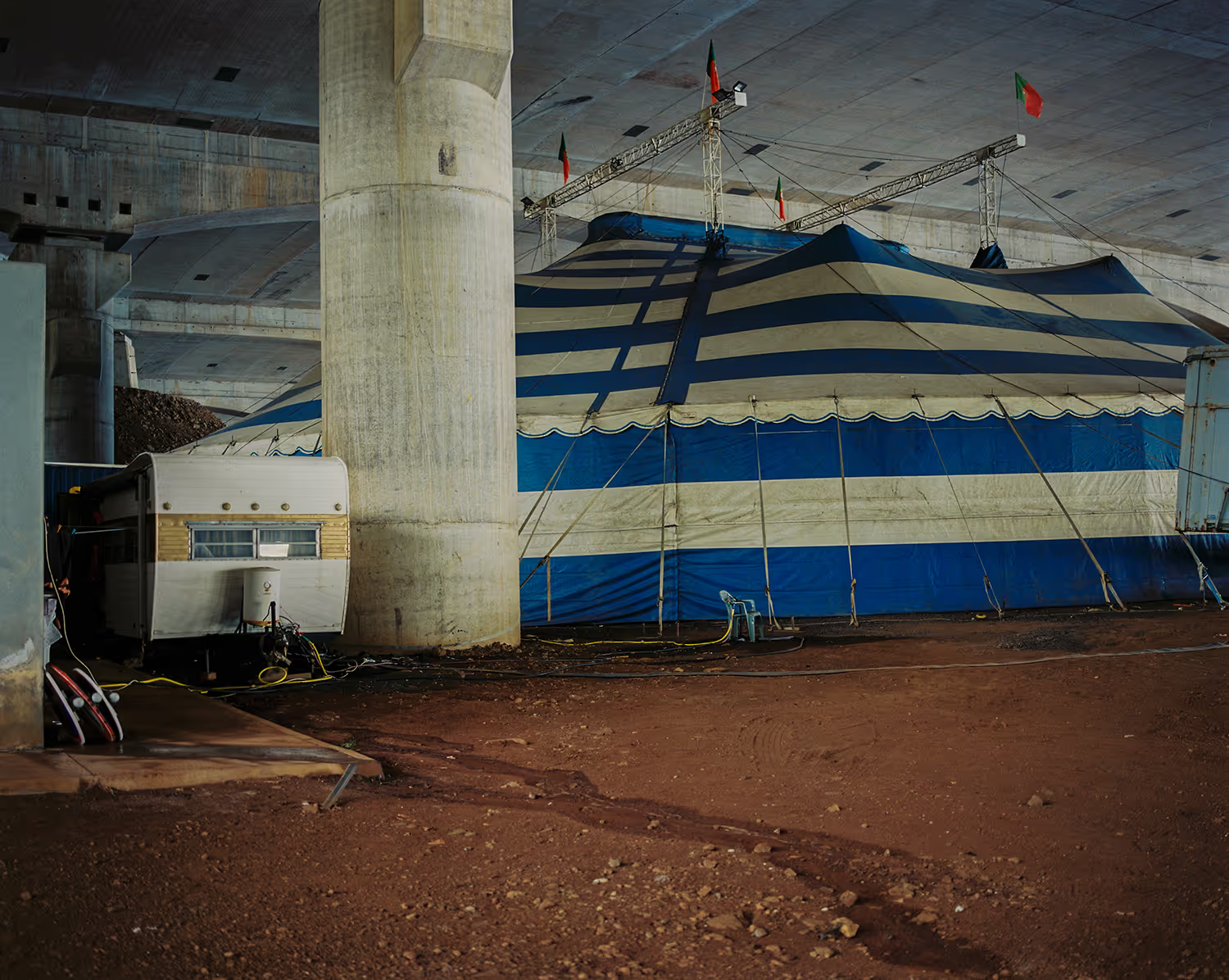
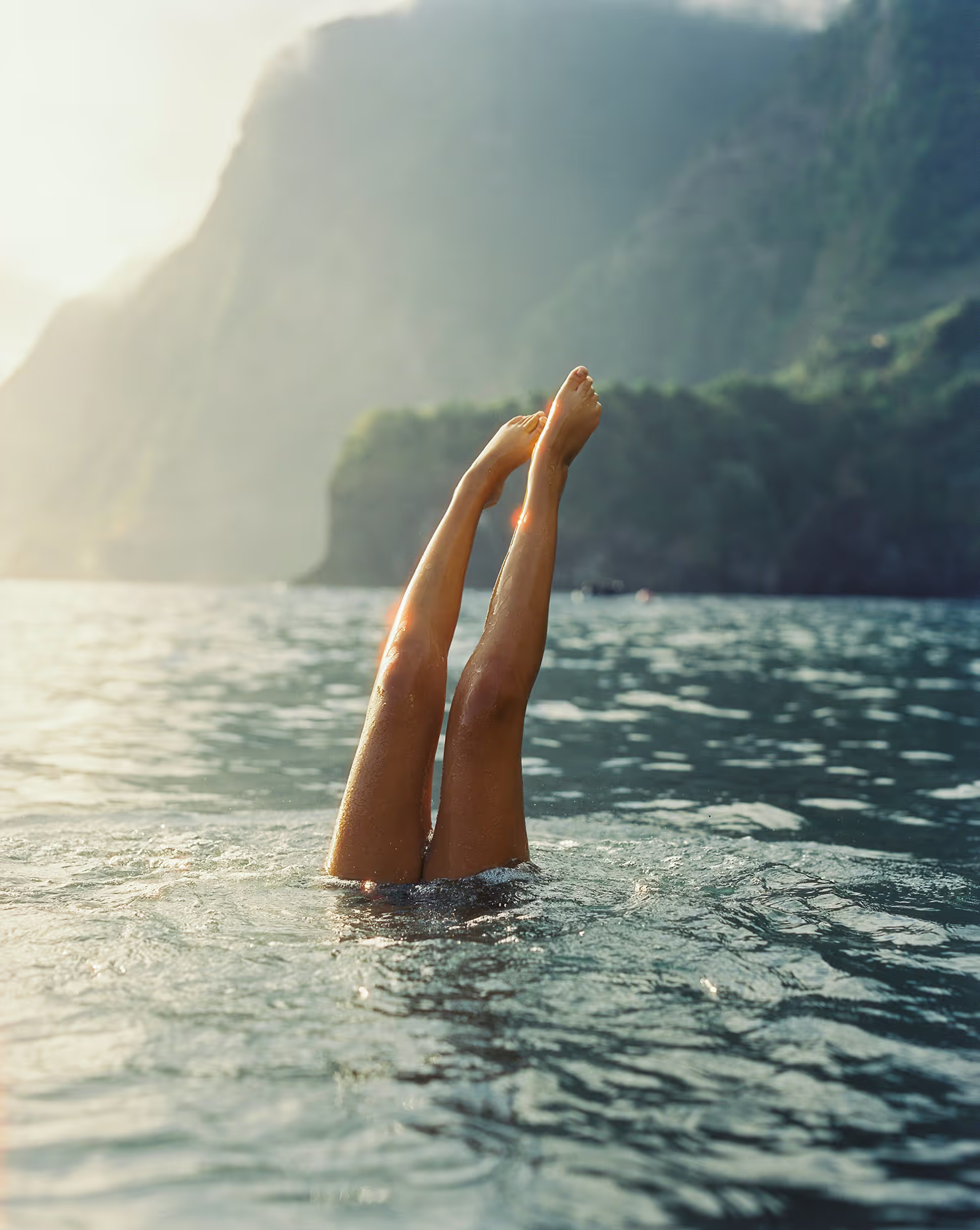
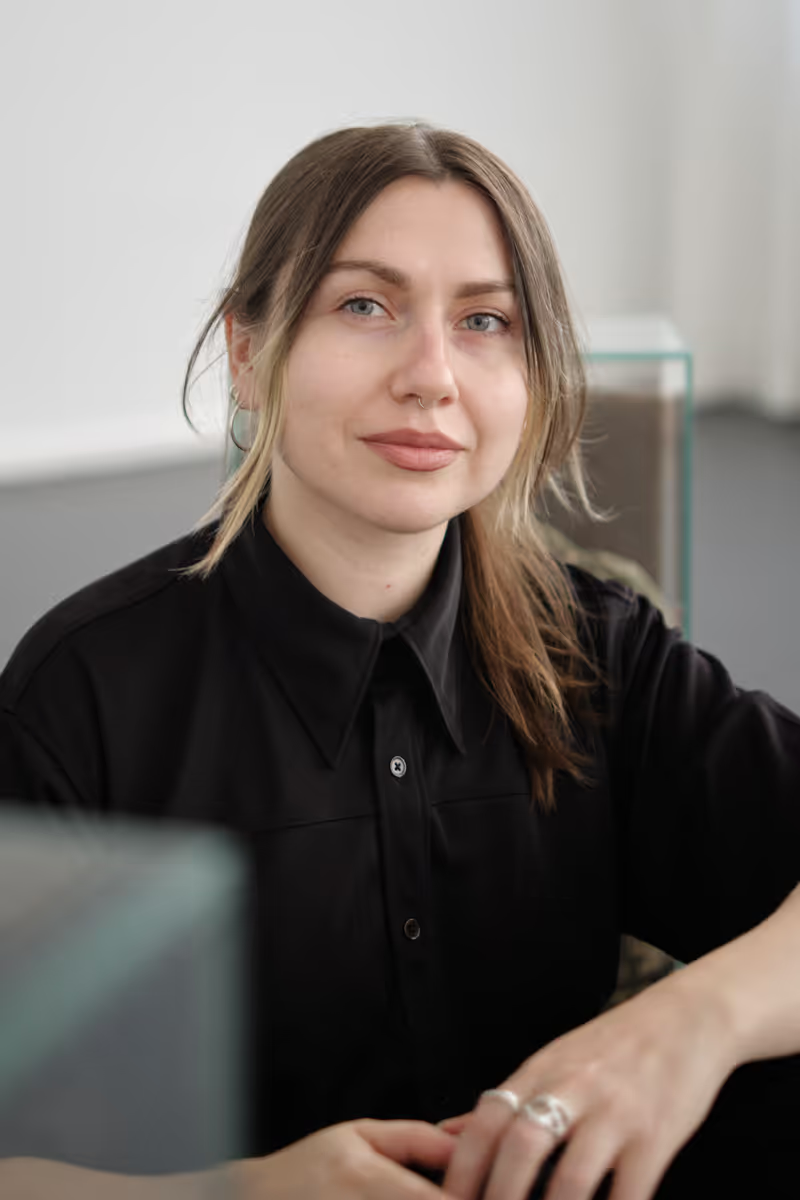


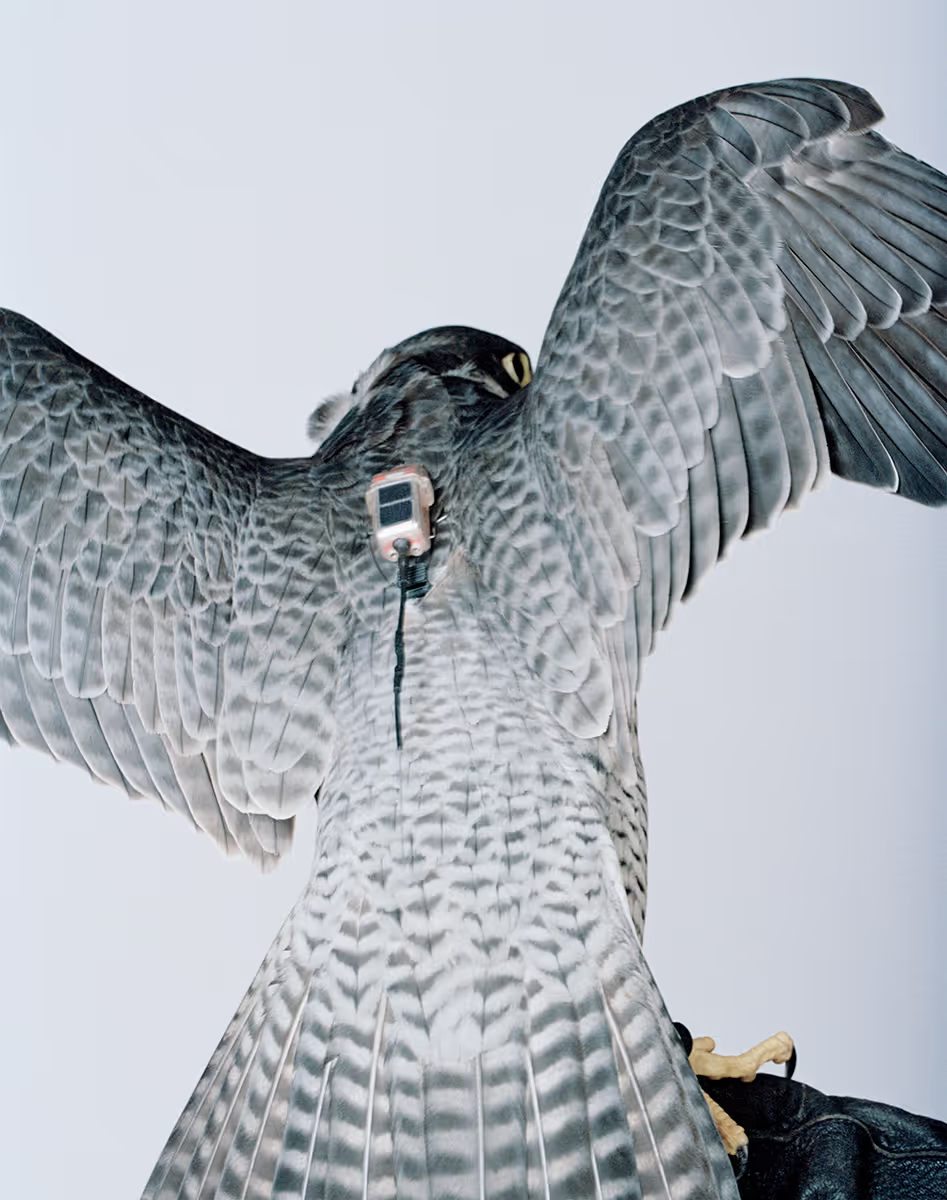
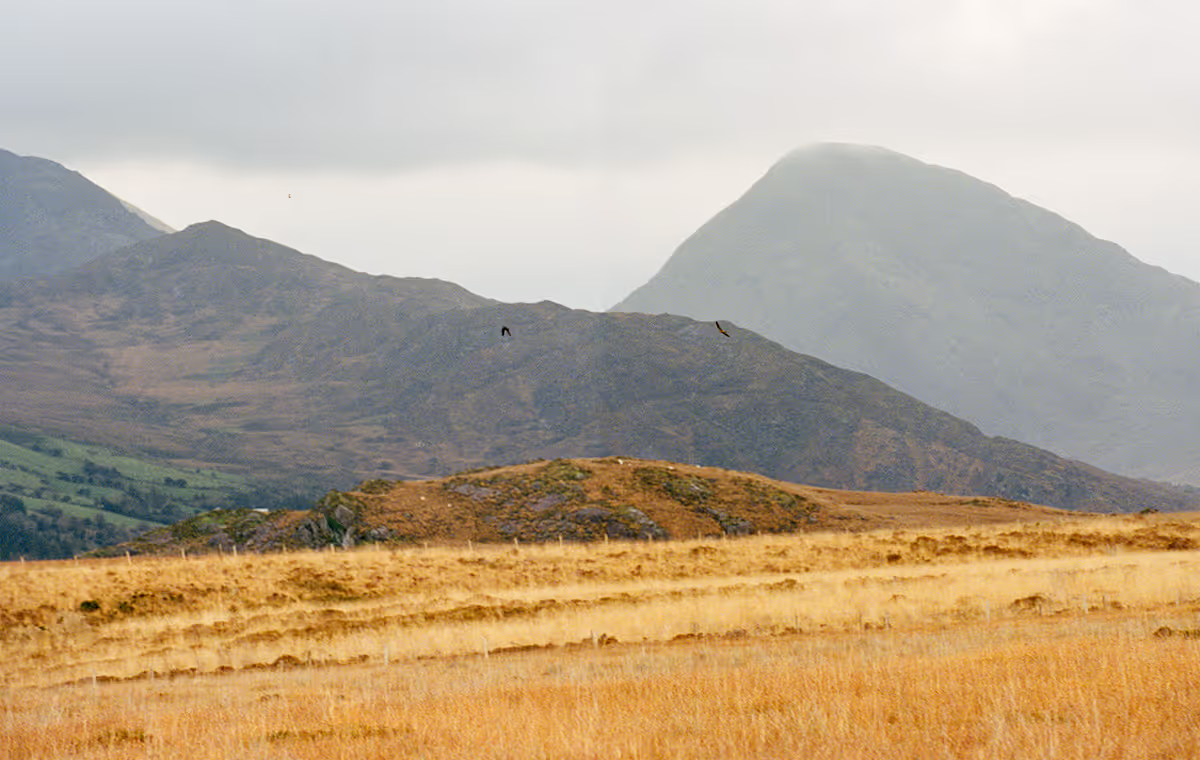
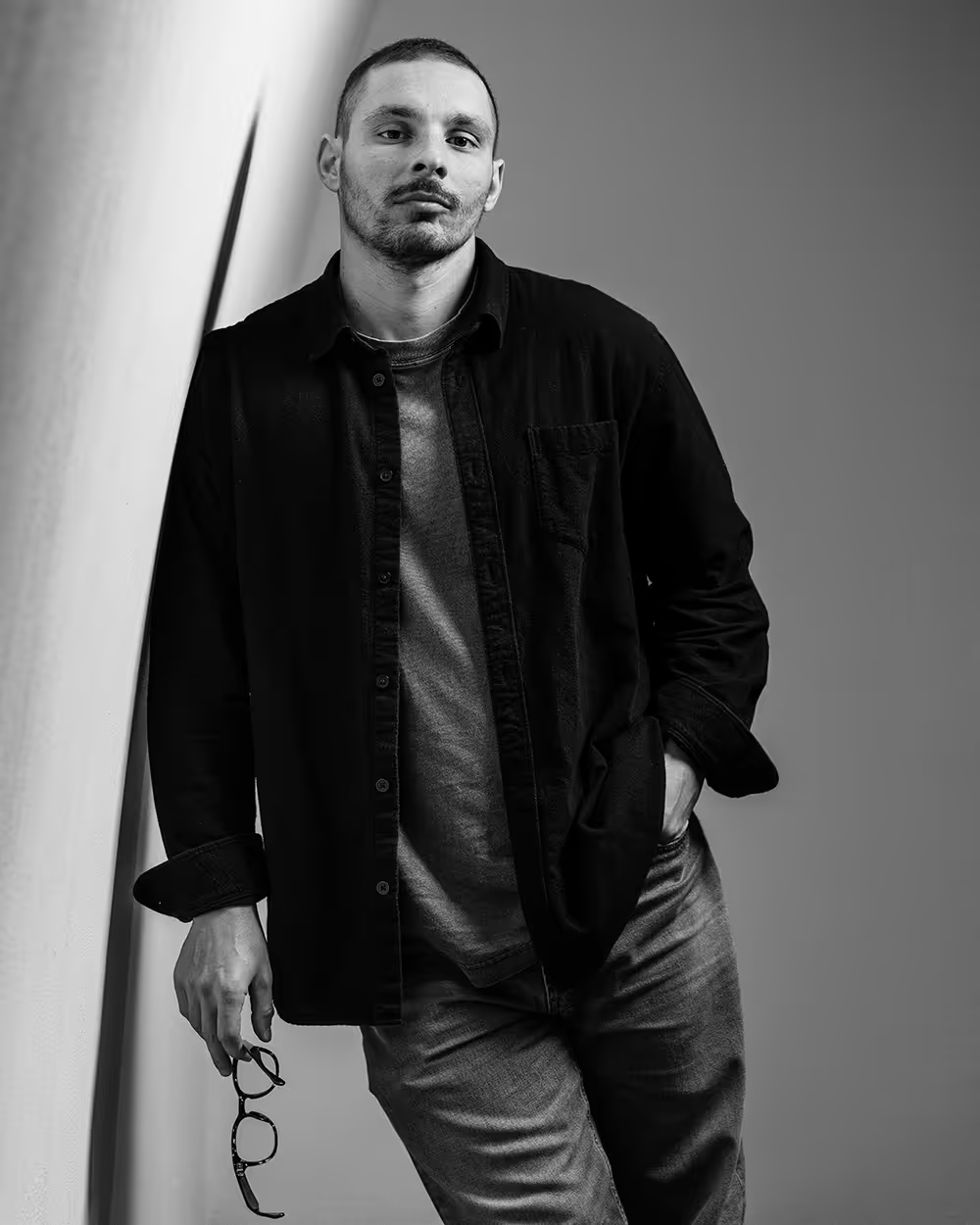
Born in Taranto (Italy) in 1994 and his approach to photography came unexpectedly in 2016 with the discovery of some disused cameras belonging to his father. This prompted him the following year to deepen his knowledge by beginning a three-year degree program in Photography and Visual Arts at IED (Istituto Europeo di Design) Rome, graduating with honors in 2019.
In 2023 he completed his studies by earning a master's degree at lSIA (Istituti Superiori per le Industrie Artistiche) in Urbino in Photography for publishing and cultural heritage.
His work has been published in several magazines and has found space in various group and solo exhibitions in Italy and around the world, including Thailand, England and Germany (some of the latest “Accepting the Void” at the Fondazione Sandretto Re Rebaudengo in Turin, and “L'altro Deserto Rosso” at the Italian Cultural Institute of Montreal in Canada).
In 2020, he published “Abisso”, his first photography book with DITO Publishing.
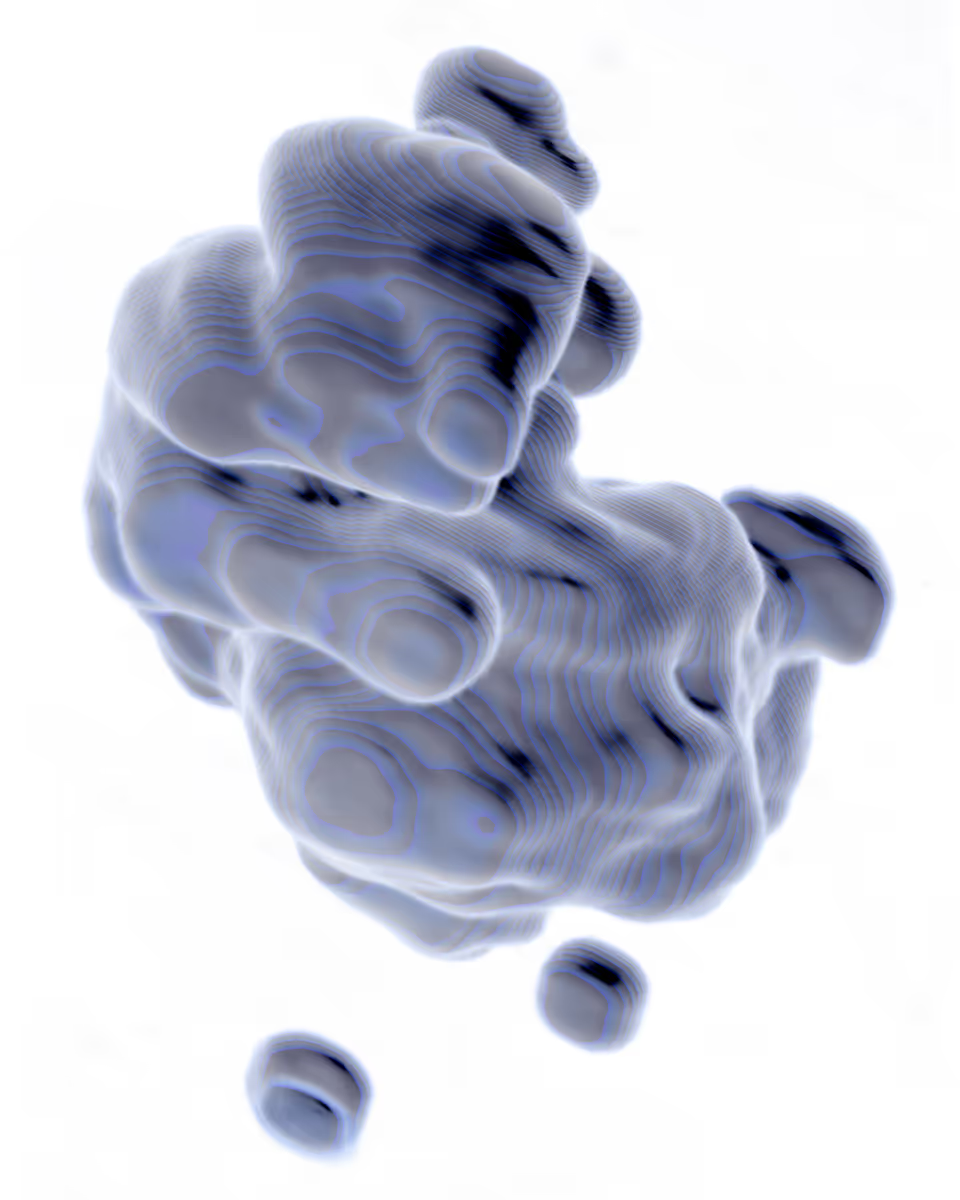
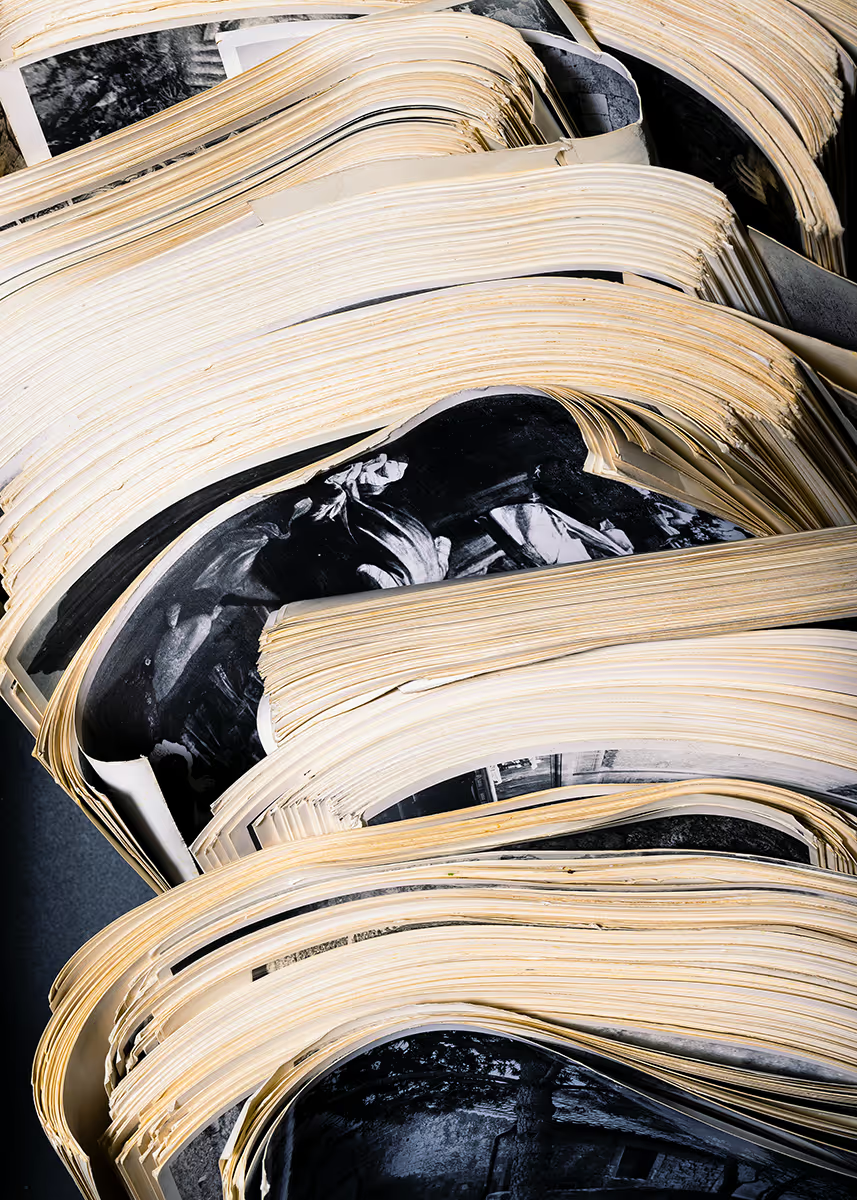

I'm a Norwegian-Vietnamese designer and artist based between Oslo and Berlin. Born in the Bidong refugee camp in Malaysia and raised on Norway's west coast, my background drives my research into migration, diaspora stories, and multicultural identity.
Much of Vietnamese refugee history remains clouded in post-war trauma and politically charged narratives. My work seeks to make sense of our position as displaced individuals in the Western world and examines diasporic existence beyond simply digesting the past. I wish to envision what our identity looks like in the future.
Through field and archival research interpreted with a poetic lens, I create what I call poetic essays: exhibitions and projects that seamlessly intertwine poetry, photography, sound, video, and installation. My asymmetrical approach allows elements to inspire each other non-hierarchically. The work explores contradictions between perception and reality, truth and staging, filling historical and memory voids by creating plausible simulacra.
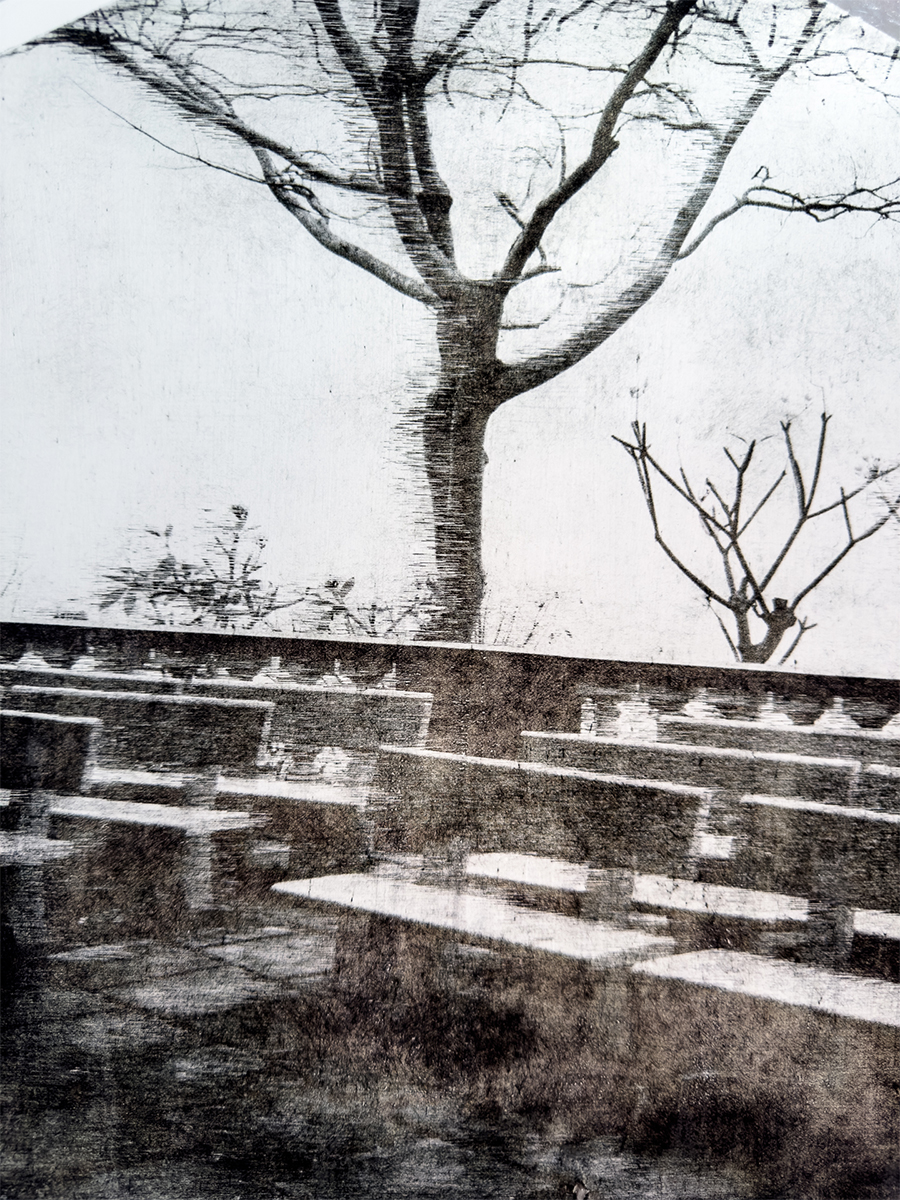
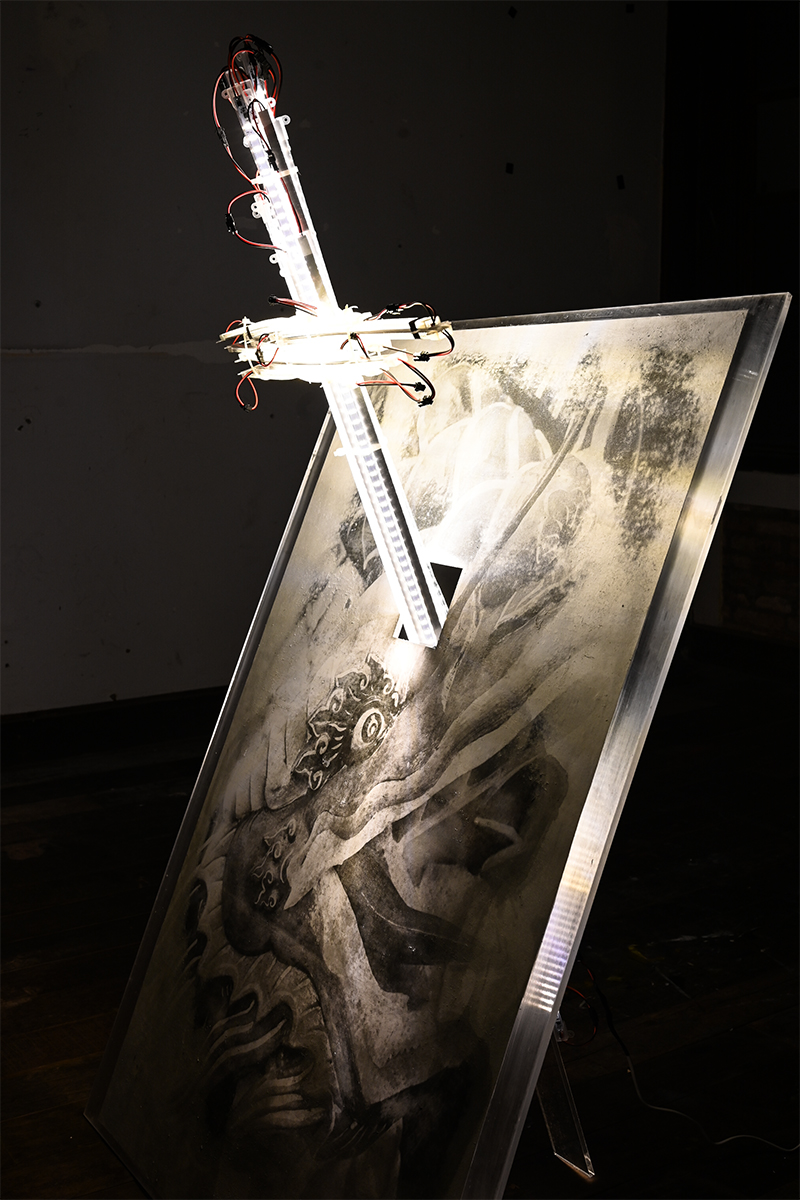
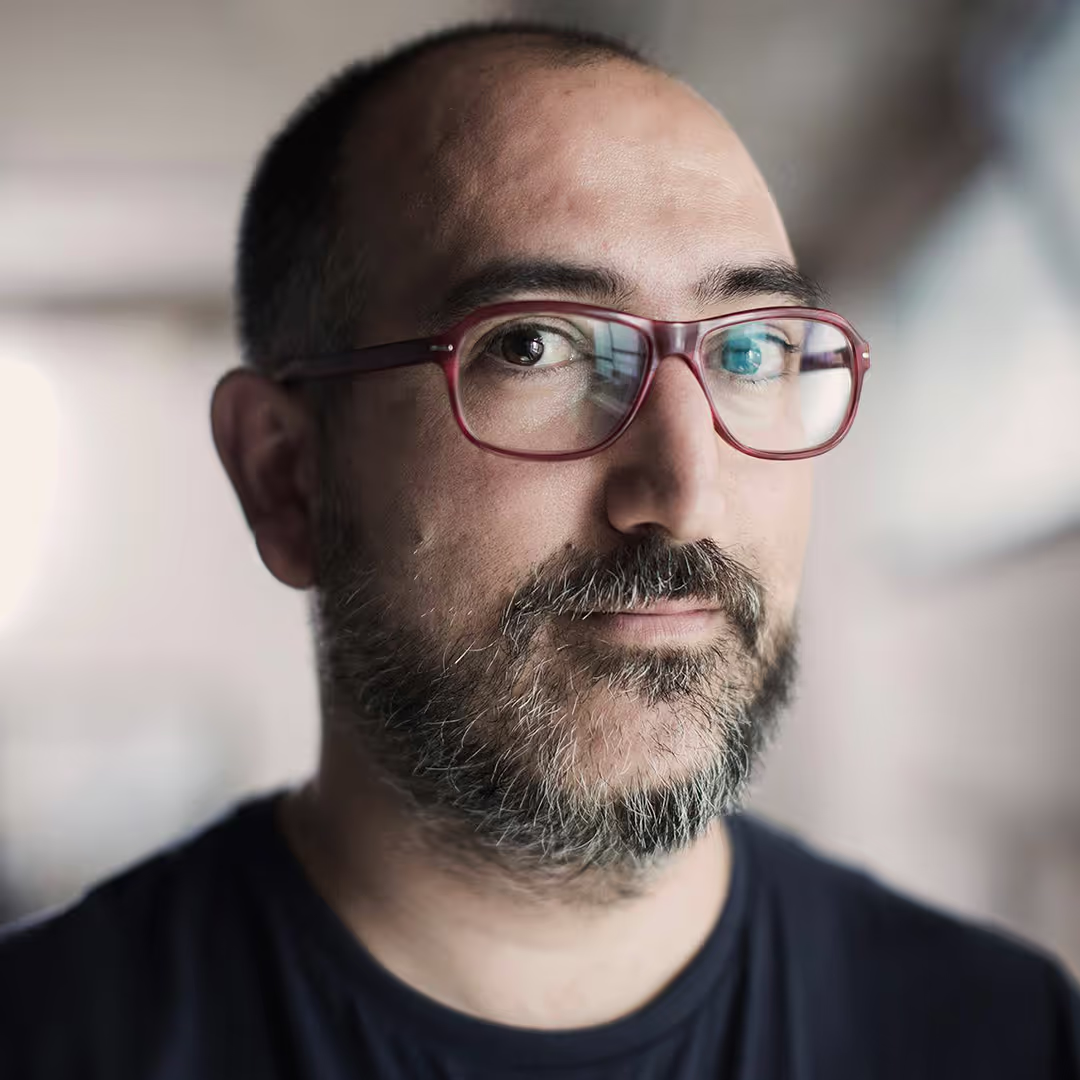
Ángel Luis González Fernández is a designer, artist, and curator supporting engaging visual arts practices, winner of Business to Arts David Manley Emerging Entrepreneur Awards 2011.
His work manifests through PhotoIreland, which he founded in 2010 to stimulate a critical dialogue on Photography. He devises curatorial projects placing conversations in the public realm around visual culture, critical thinking. These include events (PhotoIreland Festival, Halftone Print Fair, arts residency How to Flatten a Mountain, and New Irish Works), a cultural hub (The Library Project: Ireland’s Art bookshop, host to a unique resource library of photobooks and a productive arts programme), publishing projects that distribute inexpensive access to local practices, research projects (Critical Academy: examining contemporary art practices). He works collaboratively with a growing network of organisations, noticeably through ambitious Creative Europe partnerships.
During the Summer 2020 lockdown he launched the critical publication OVER Journal, now distributed globally. He received the Arts Council of Ireland’s Visual Arts Bursary to deepen research on the broad historical and specific artistic context of Photography in Ireland, to curate an ambitious survey exhibition in PhotoIreland Festival 2022 and to publish a series of publications on the matter. He regularly contributes to publications such as the forthcoming The Routledge Companion to Global Photographies, edited by Lucy Soutter, Duncan Wooldridge.
See some of his Graphic and Web Design work in the 100 Design Archive.
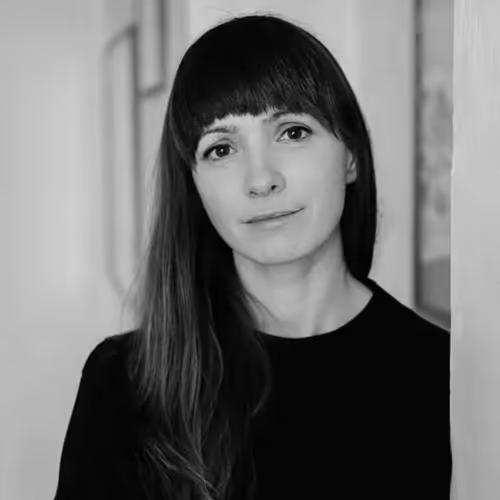
Iveta Gabaliņa (1979) is a curator, artist and educator. She has studied photography at the studio of Andrejs Grants, at Bournemouth Art Institute, and in the MA programme at Alto University in Helsinki. Her work has been exhibited in Latvia and internationally, including at C/O (Berlin, Germany), GESTE (Paris), and Williams Tower Gallery (Houston, USA). Gabaliņa has participated in photography festivals in Singapore, Hanover, and elsewhere. Her work is included in the collections of the Victoria & Albert Museum, Geste Paris, and the Deutsche Börse Art Collection.
Since 2008 she has been part of ISSP team, responsible for numerous educational and curatorial projects. In 2018 she founded ISSP Gallery - an exhibition space dedicated to contemporary photography.
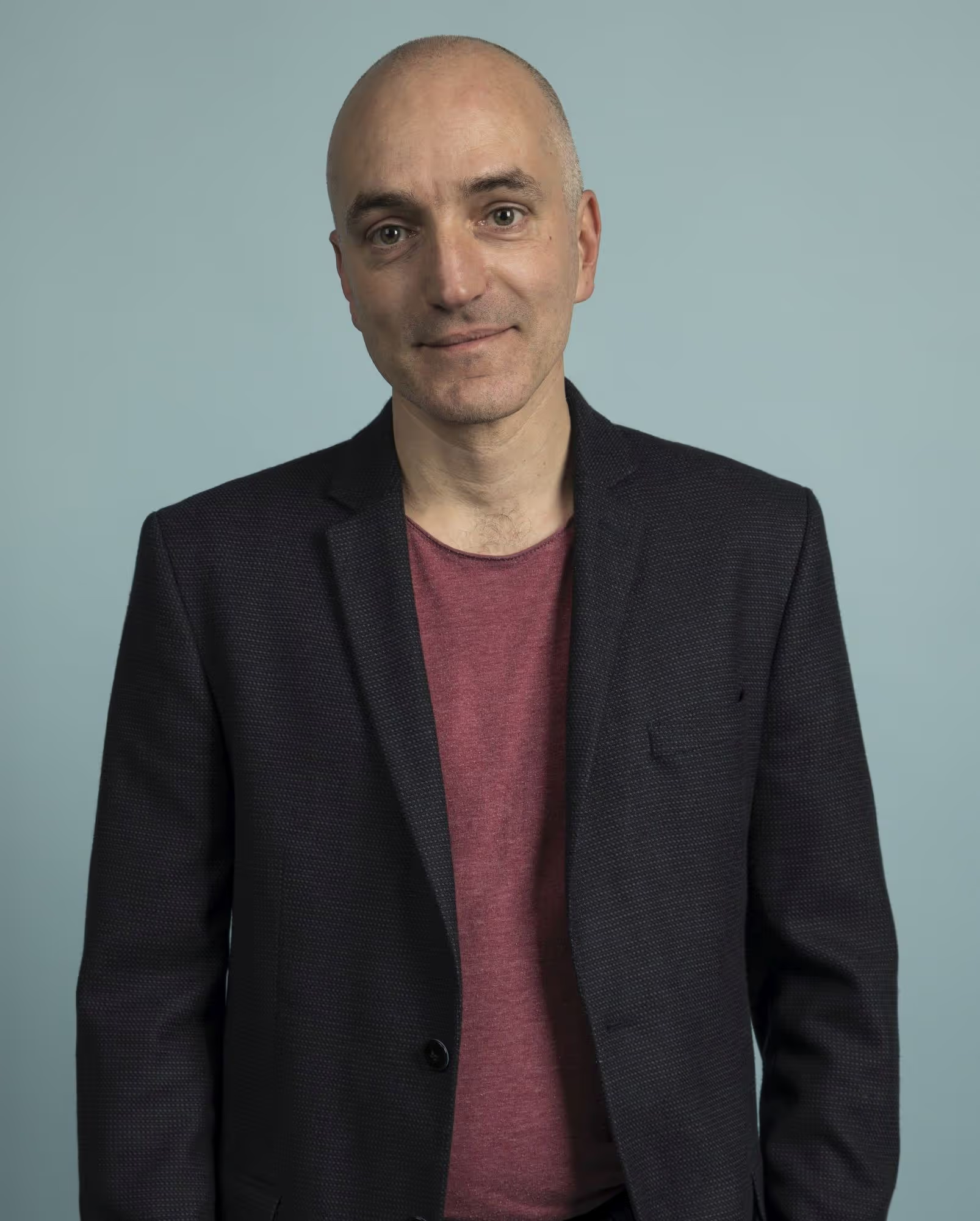
I’ve always loved photography, even if it sounds like a cliche. The first photos I took, I did without knowing how to do that, without paying any attention to framing, subject or composition. After a while, I began to understand what is happening in the space between me as a photographer and the subject I was photographing. And many years later, I also understood why I love to photograph. To communicate. A message, a concept, an emotion.
By signing up, you'll join our community of artists and professionals committed to contemporary photography.