Artist

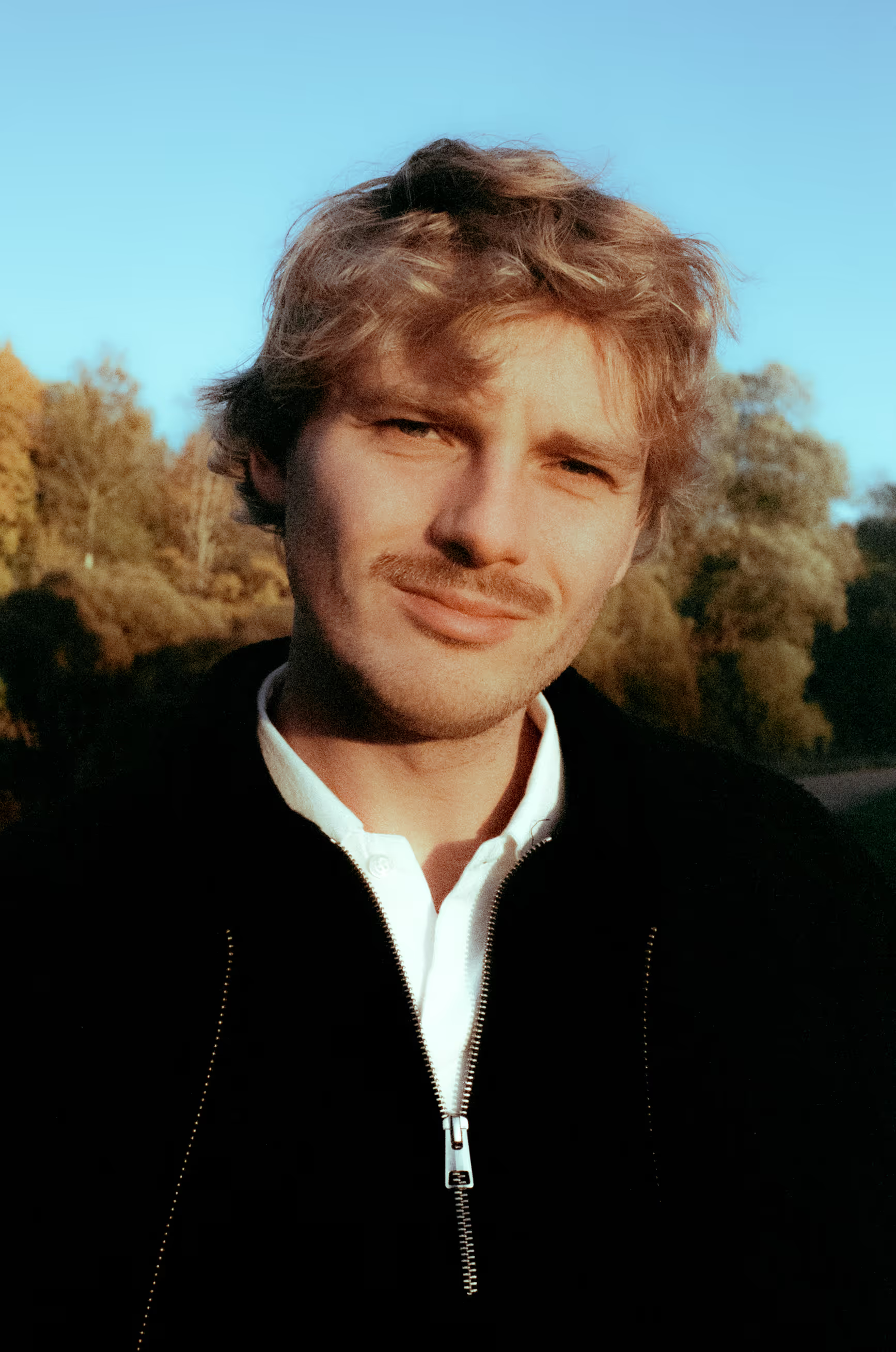
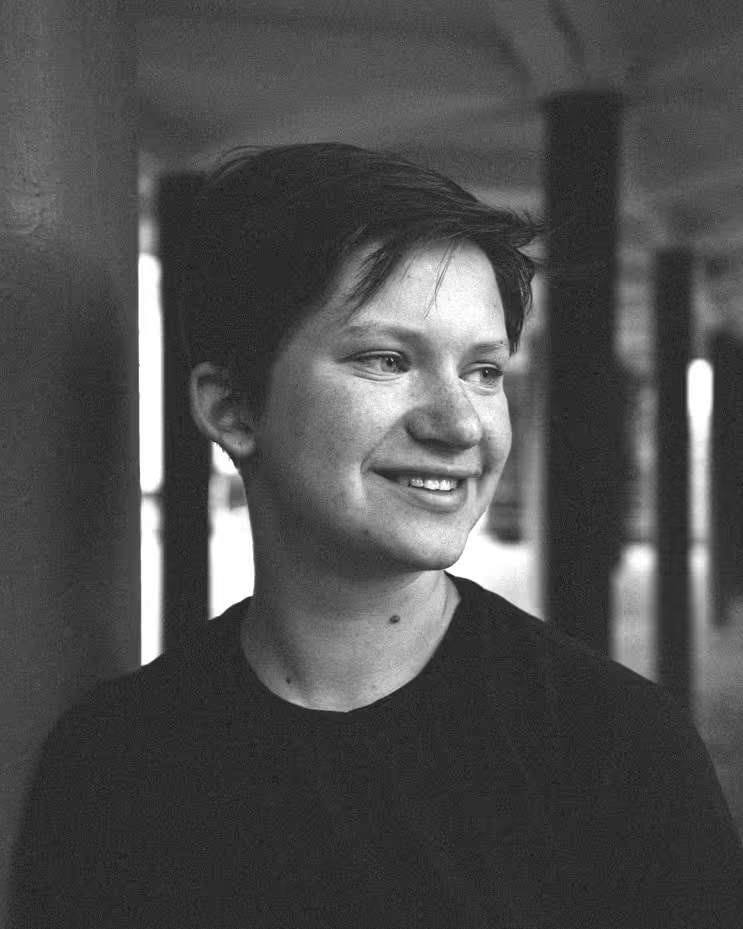
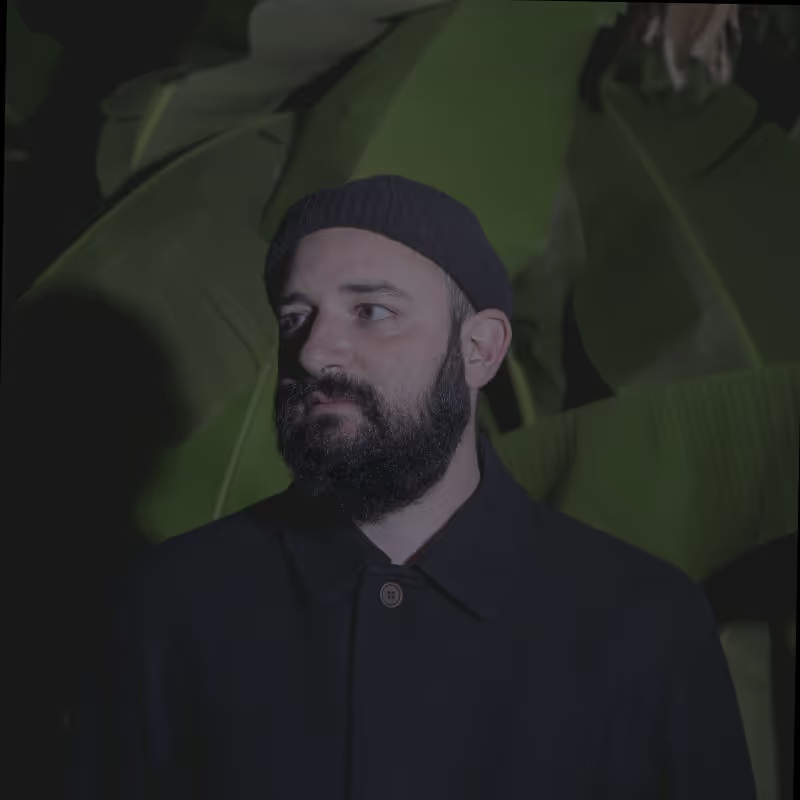
Filippo Barbero
Borderland
At a time in history when images are overproduced and overconsumed, these artists share the ability to slow down the gaze, construct complex narratives, and redefine the relationship between document and imagination.
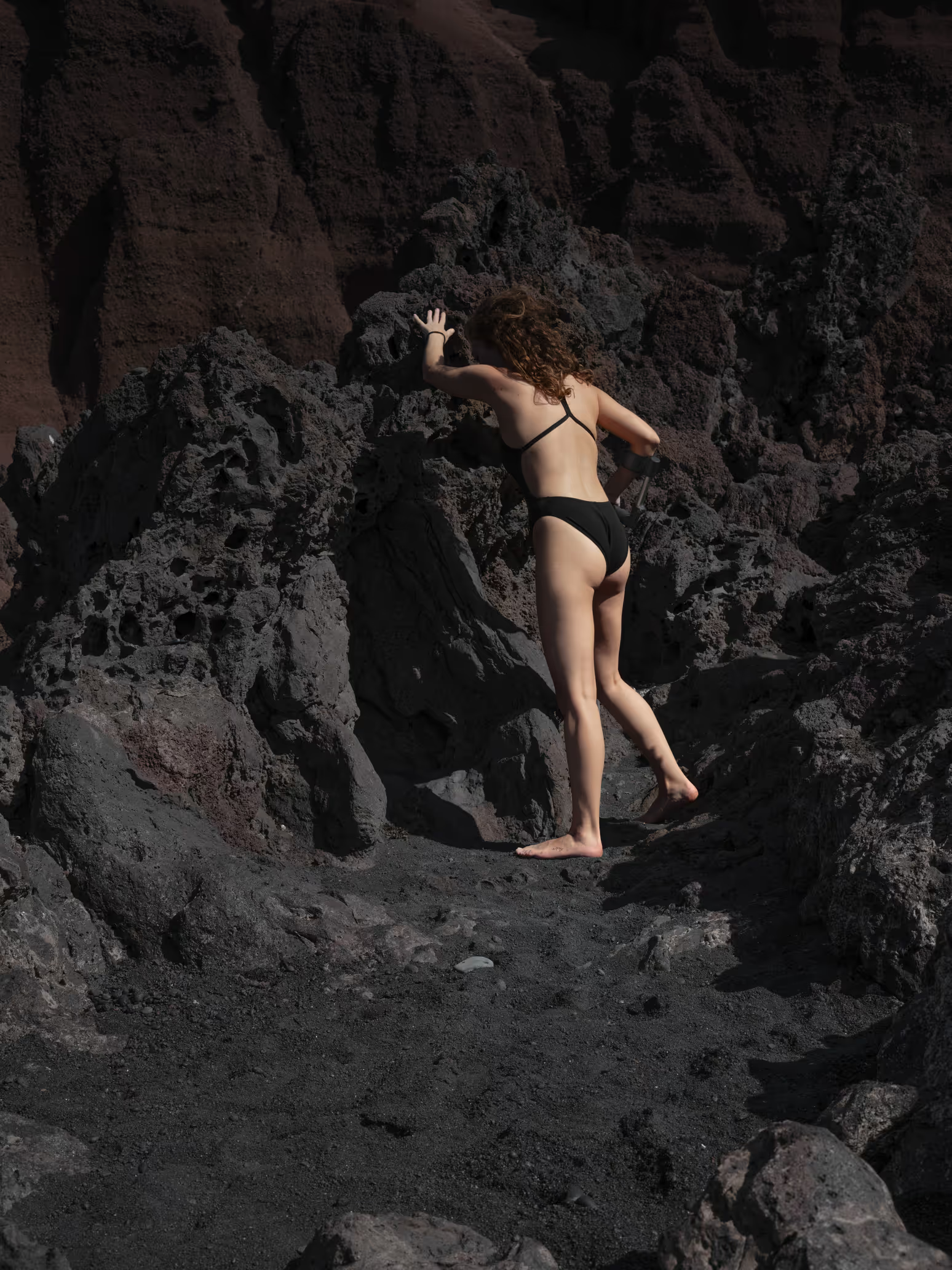
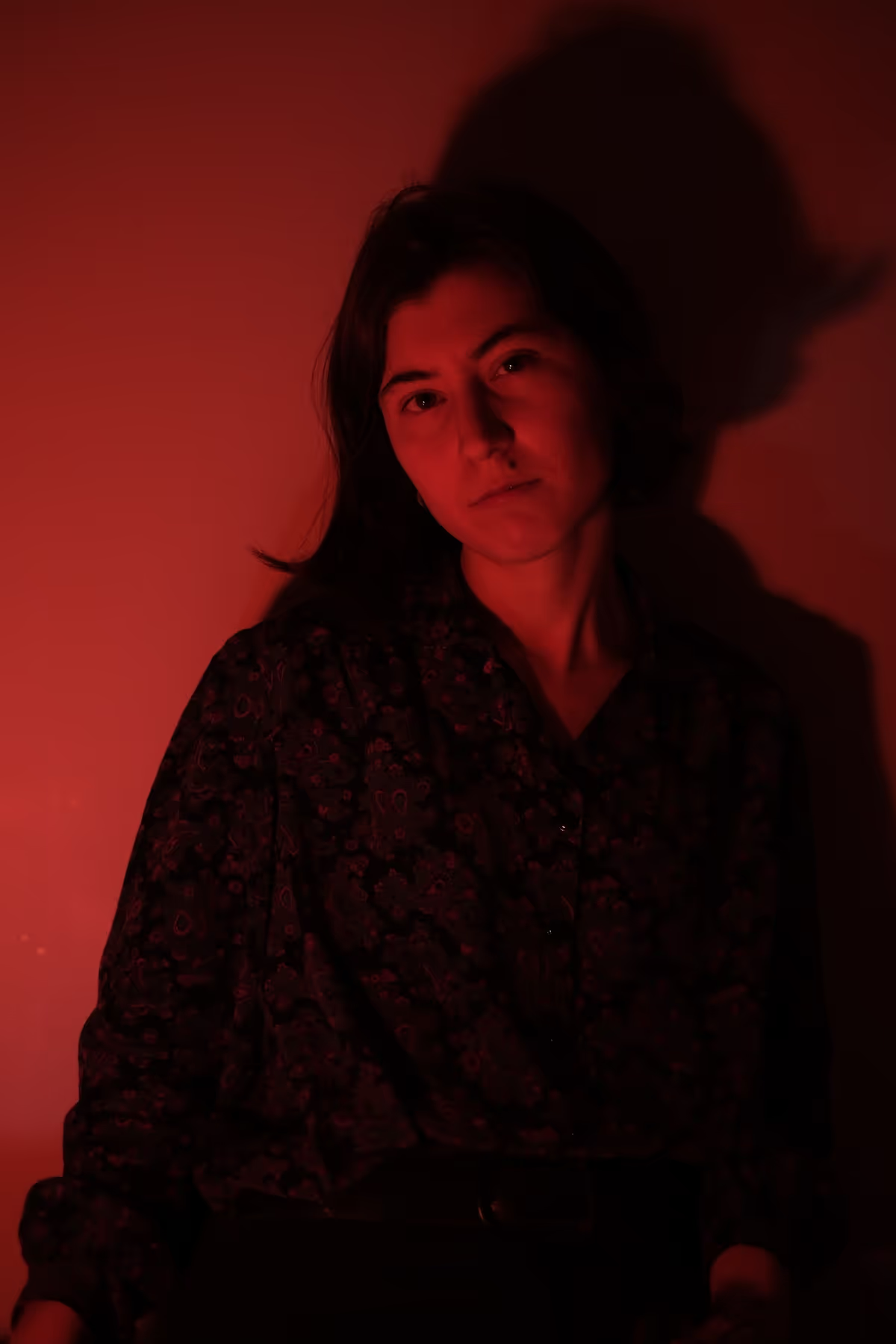
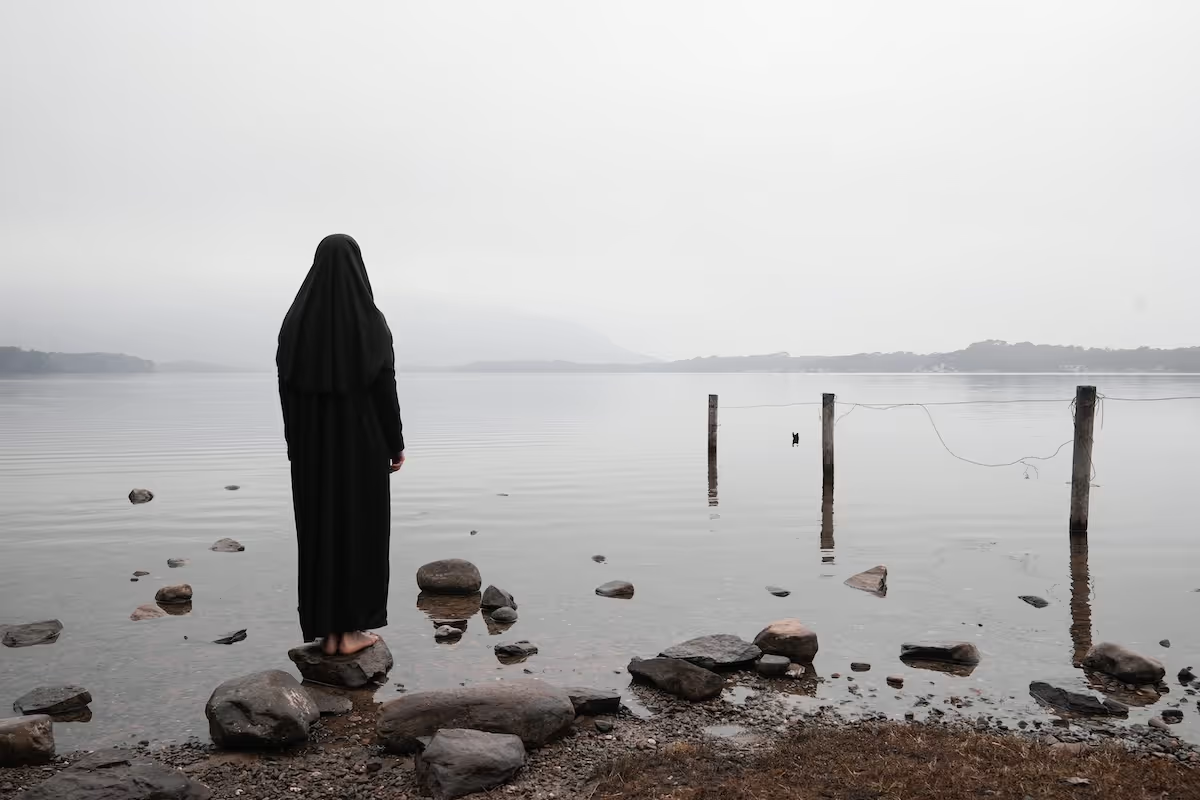
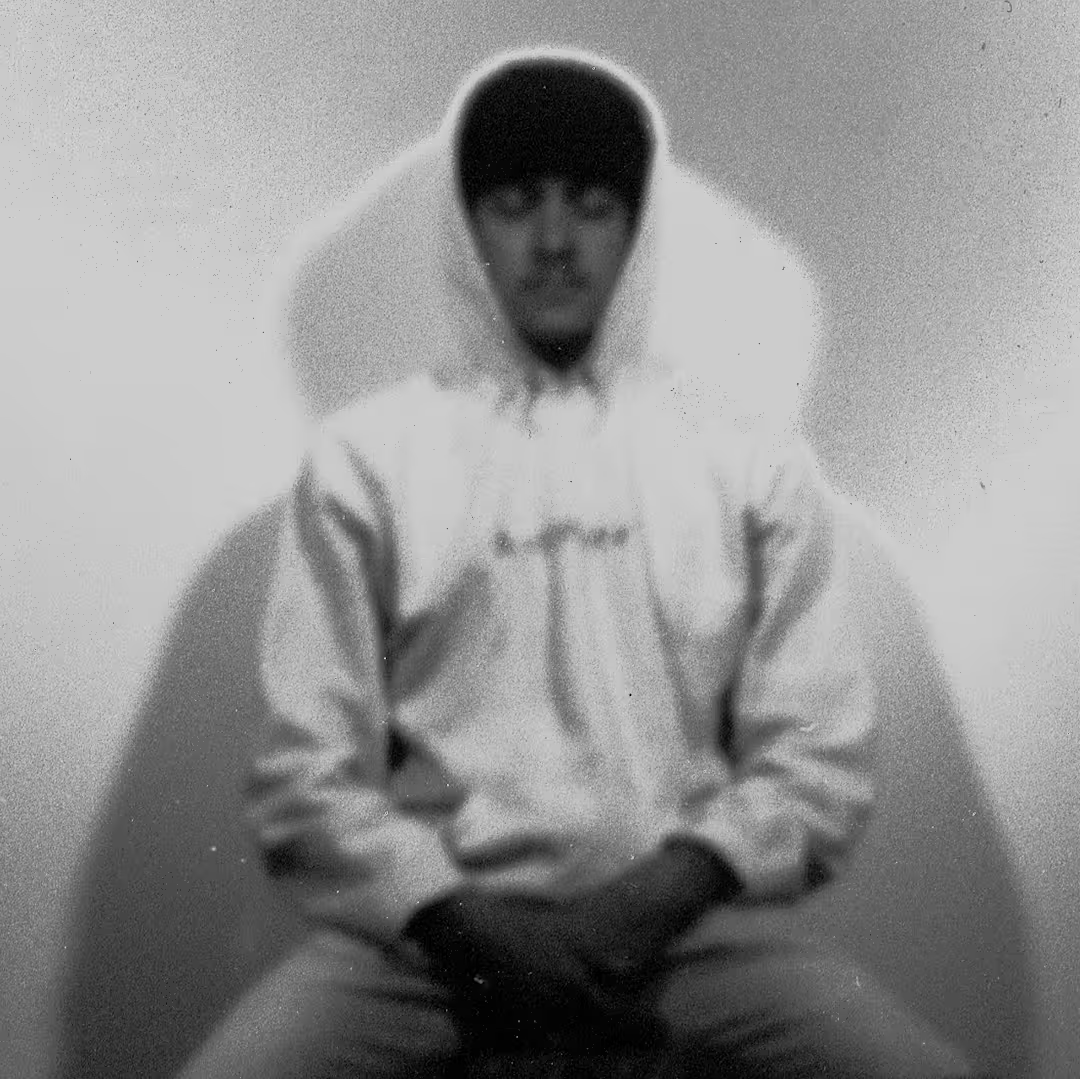
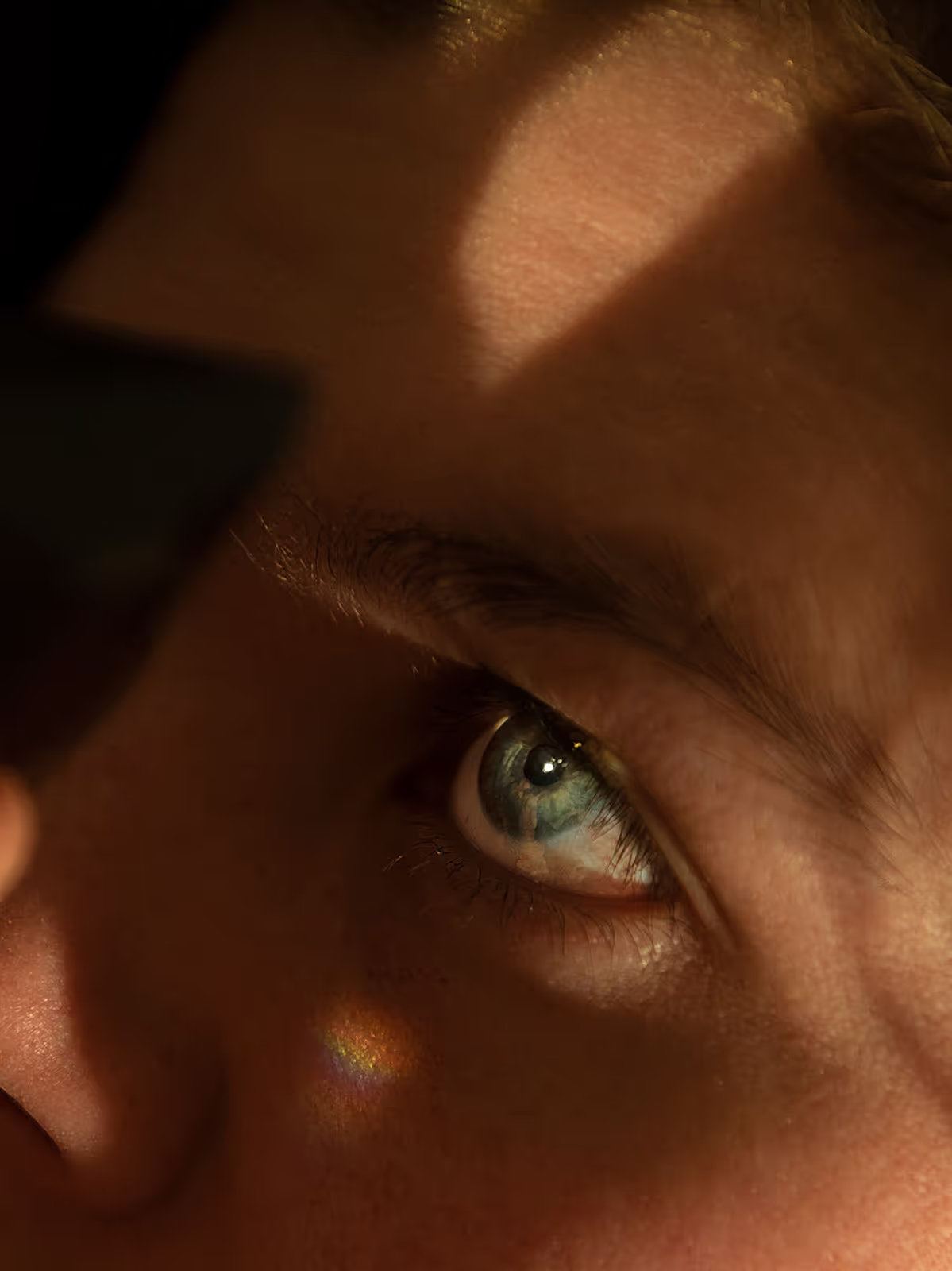
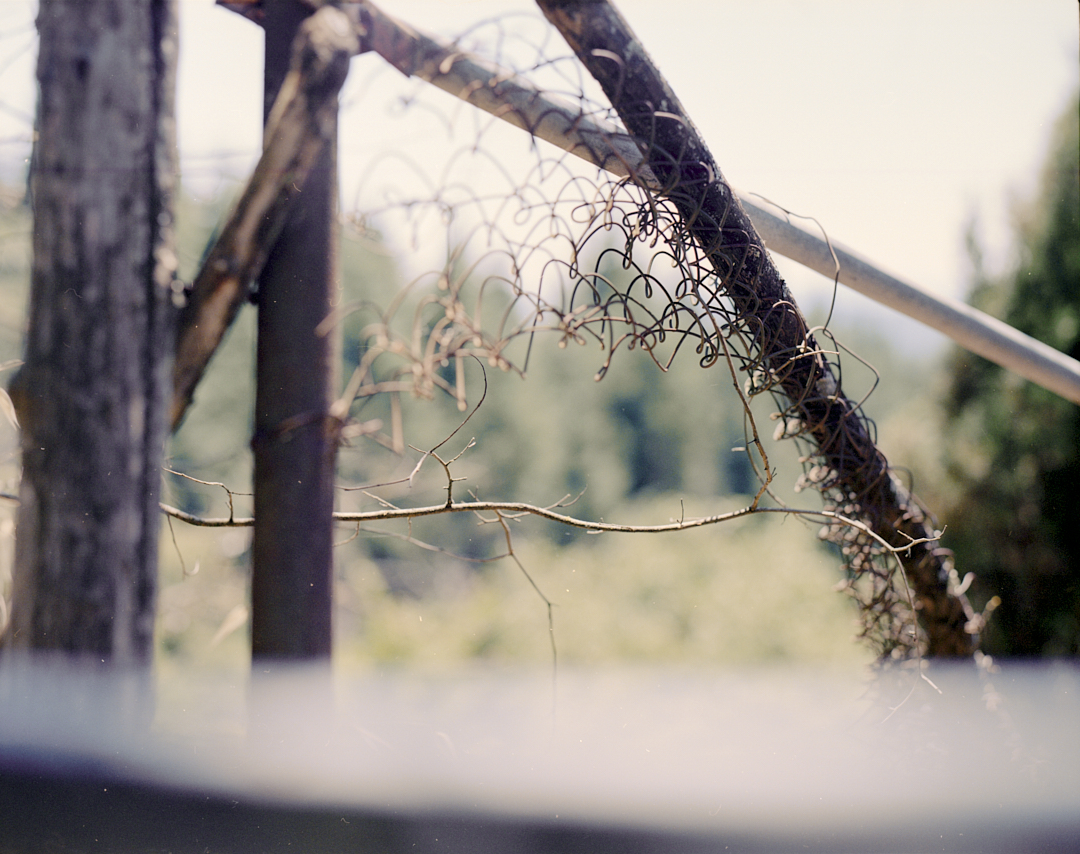
Filippo Barbero's practice is part of a tradition of investigating subjectivity using photography as a device for knowledge. His attention to detail in bodies and the environment highlights a constant emotional tension where the everyday becomes political and the smallest gesture acquires collective resonance.
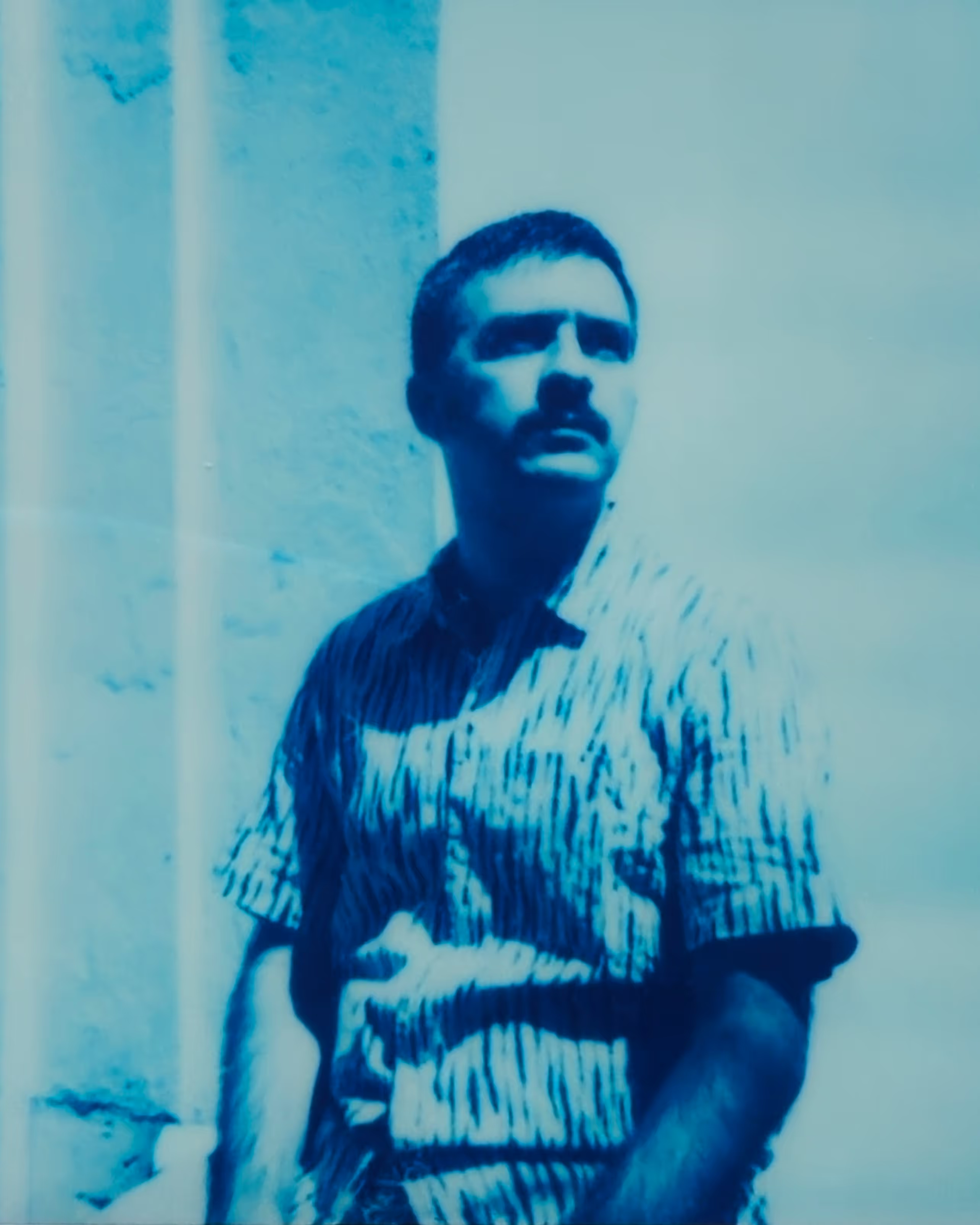
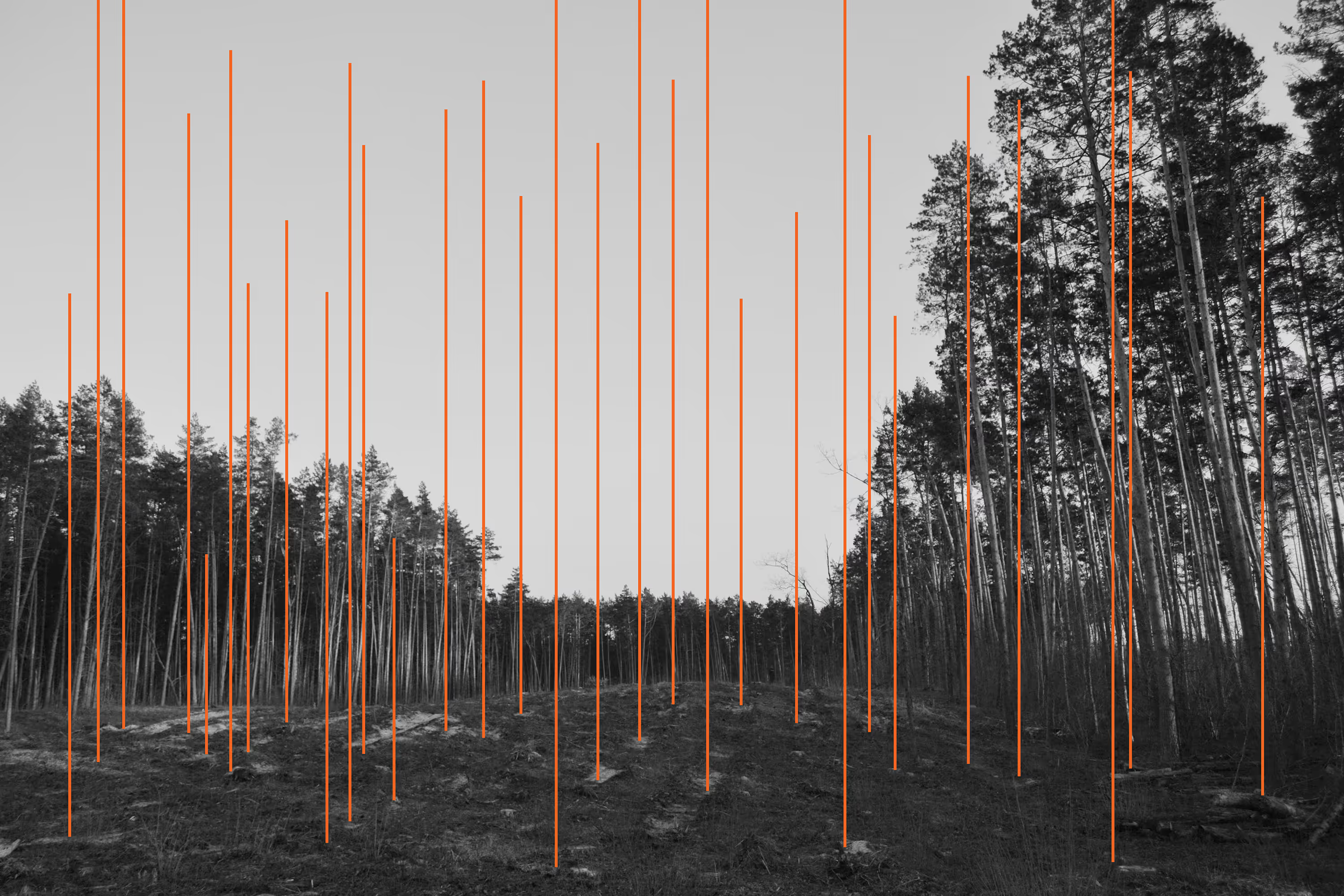
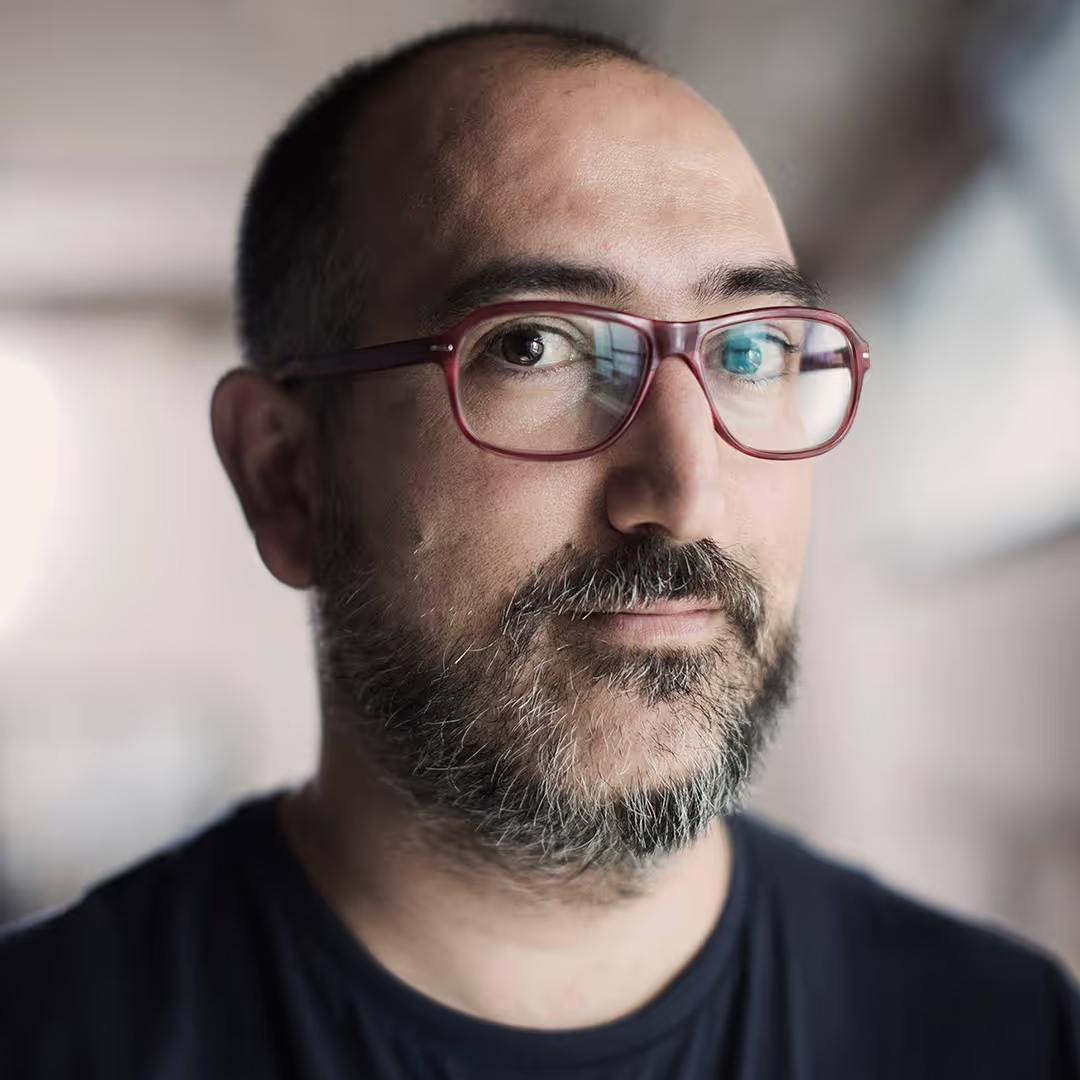
Davide Degano offers a radical reflection on the representation of Italian identity: his photographs deconstruct the environmental, social, and cultural heritage—as well as the colonial legacy—and, through the filter of the younger generations, convey the complexity of the evolution of the boot-shaped country.
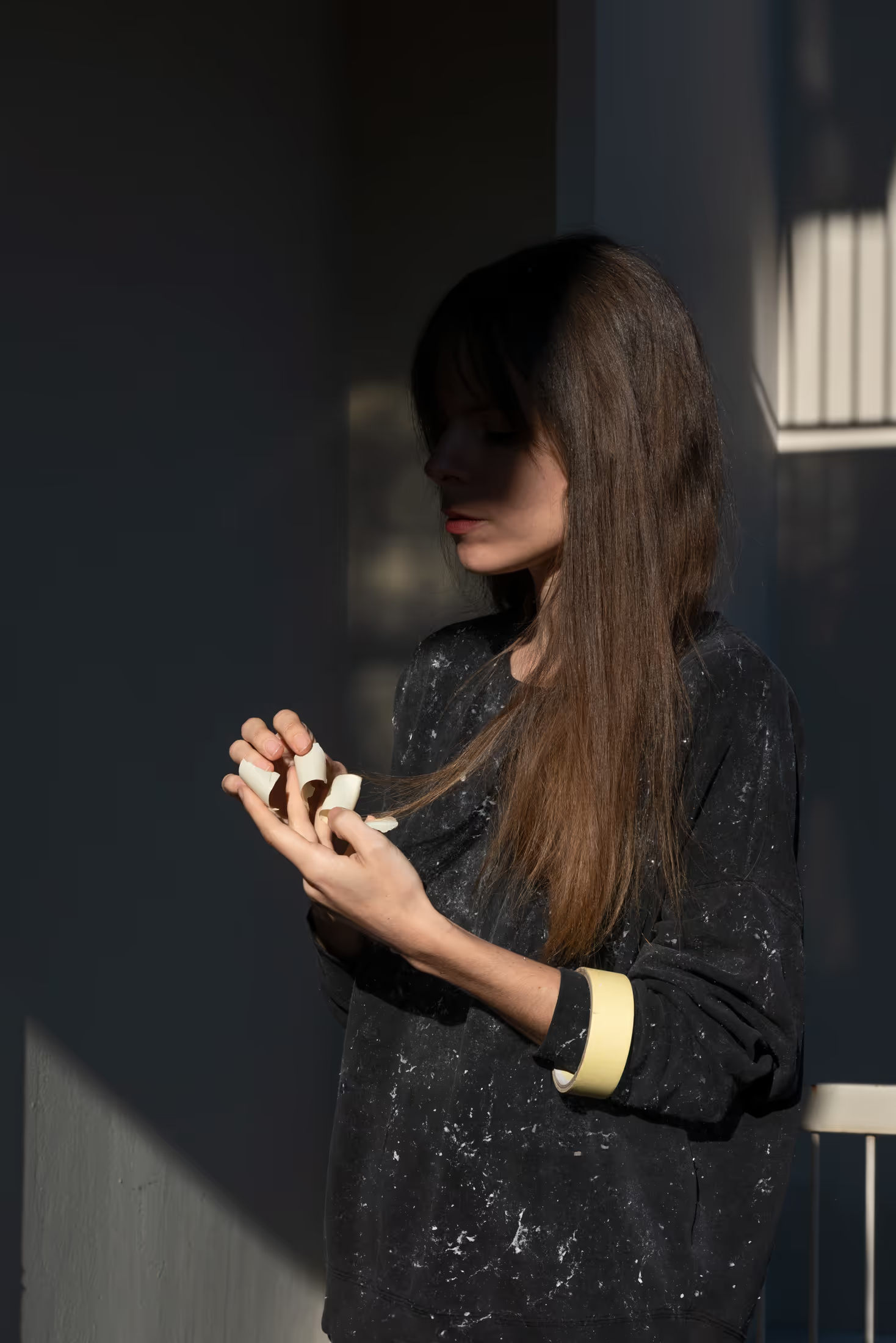
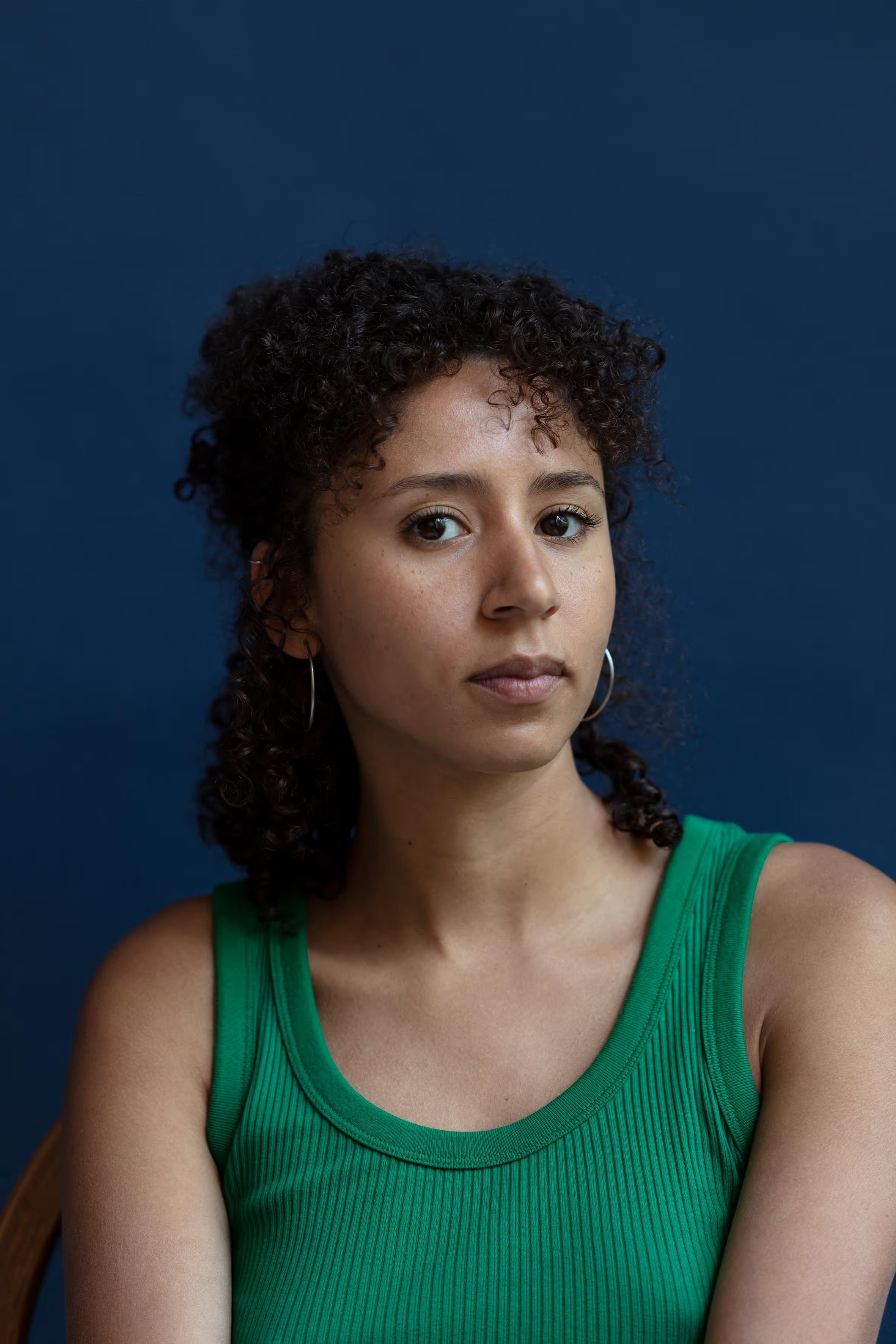
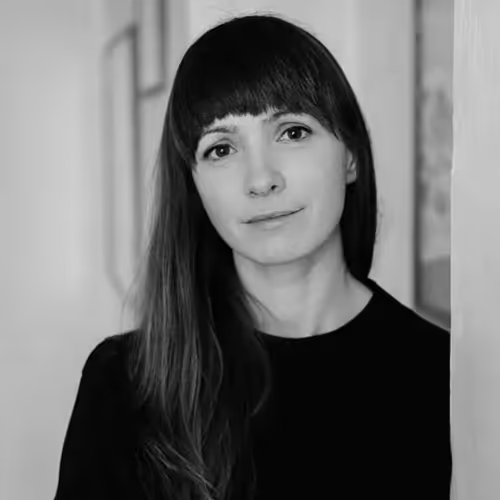
Giulia Gatti's work explores the theme of femininity in the communities inhabiting the Isthmus of Tehuantepec in Mexico, a place known through stereotypical depictions in travel literature from the last century. The narrative of everyday life as a symbolic experience shows an alliance between human and non-human bodies, spaces, and customs, thus deconstructing the invention of tradition.
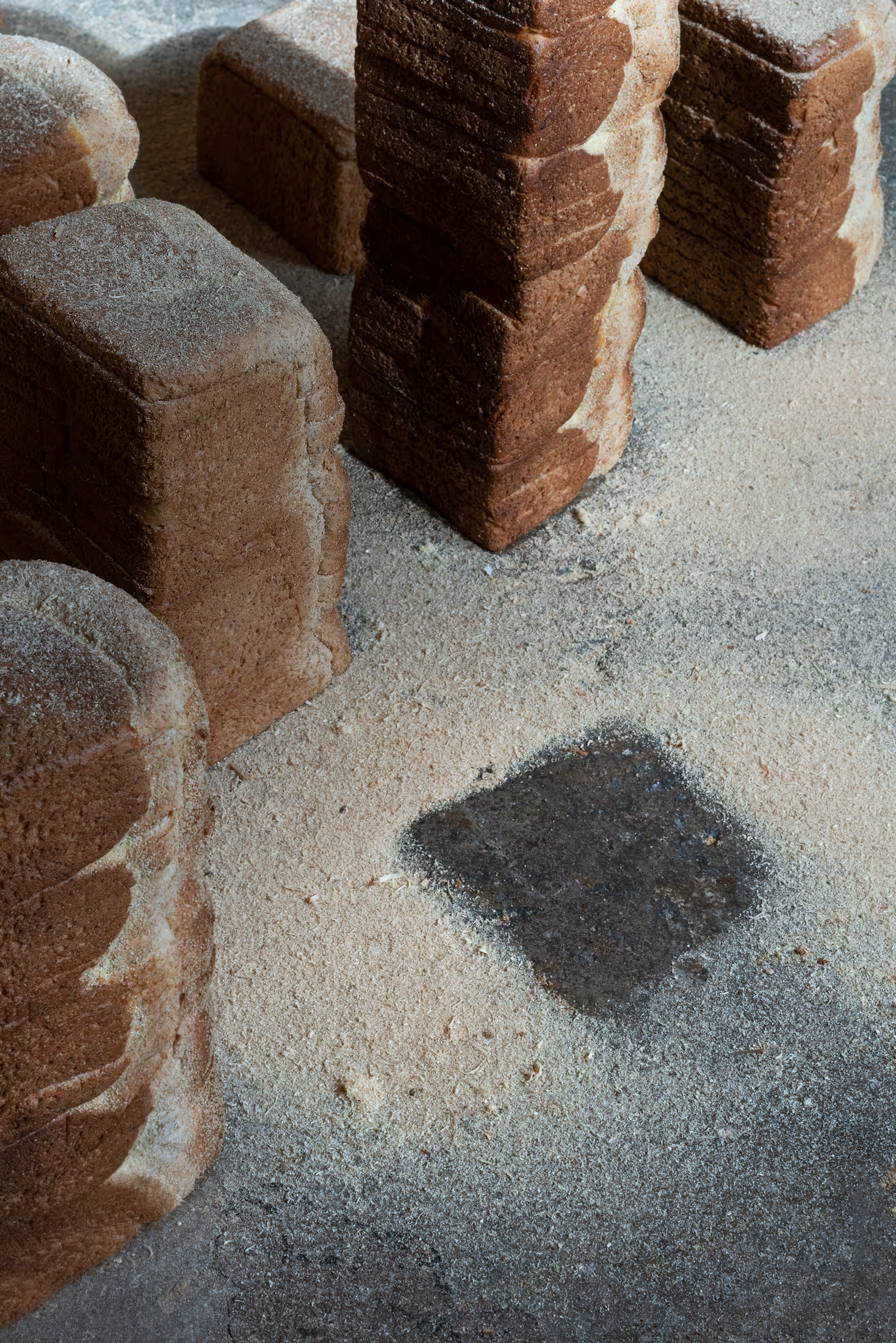
Sofia Gastaldo's sociological view of customs and traditions in urban centers goes beyond the logic of traditional documentary, transforming the image into a space for collaboration and conscious staging. Her subjects emerge from the darkness, while the strong visual impact of color contrasts reveals the sculptural character of bodies and objects in the definition of forms.
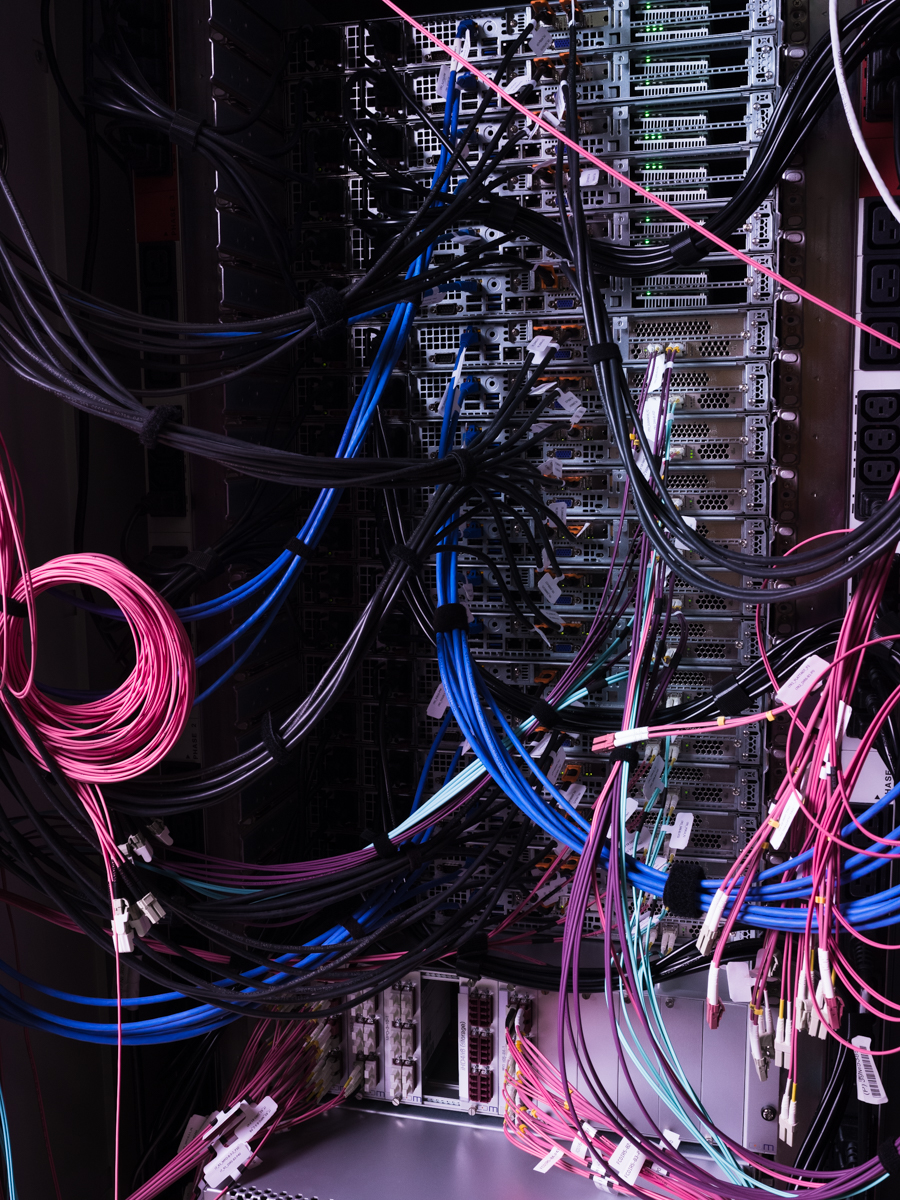
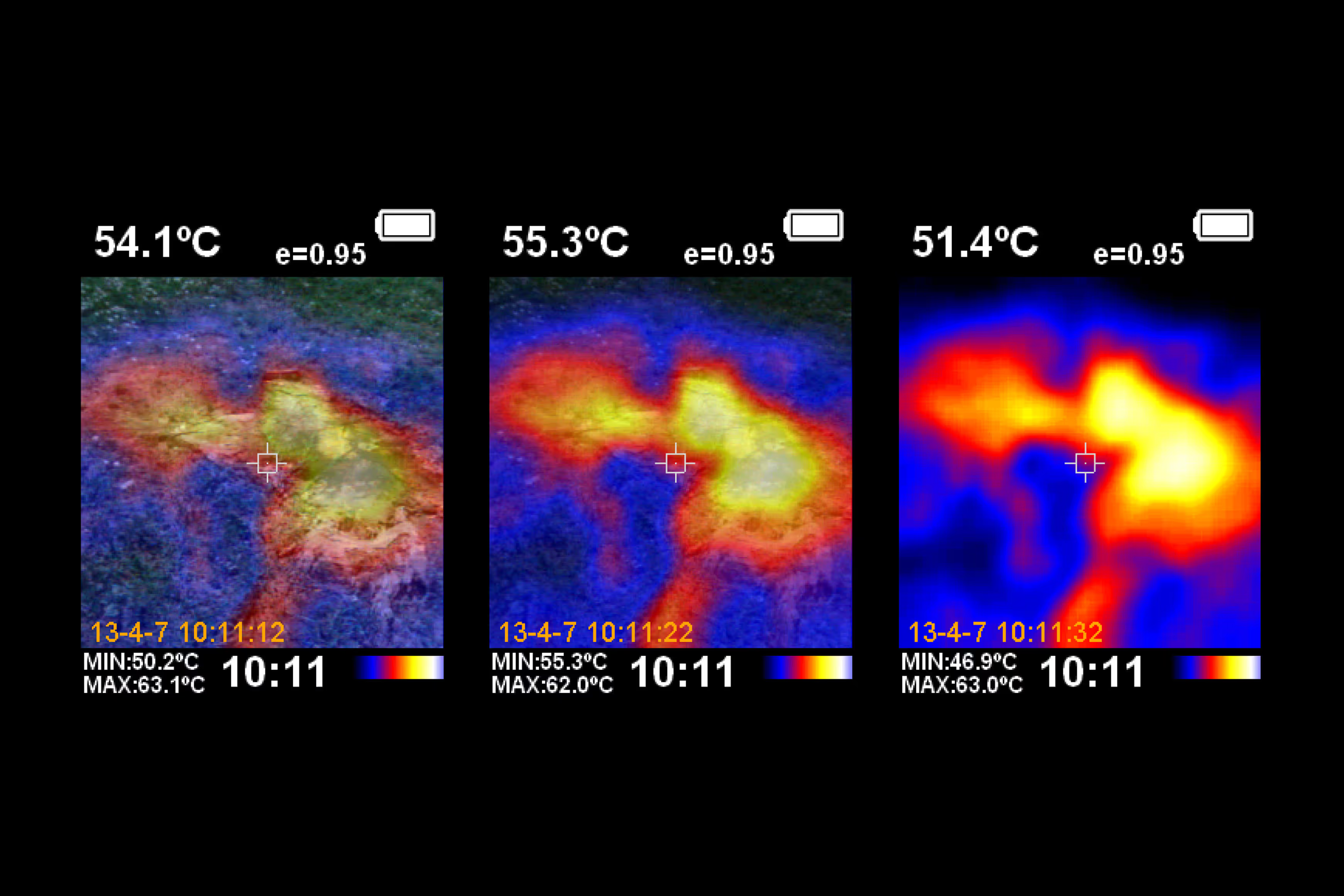
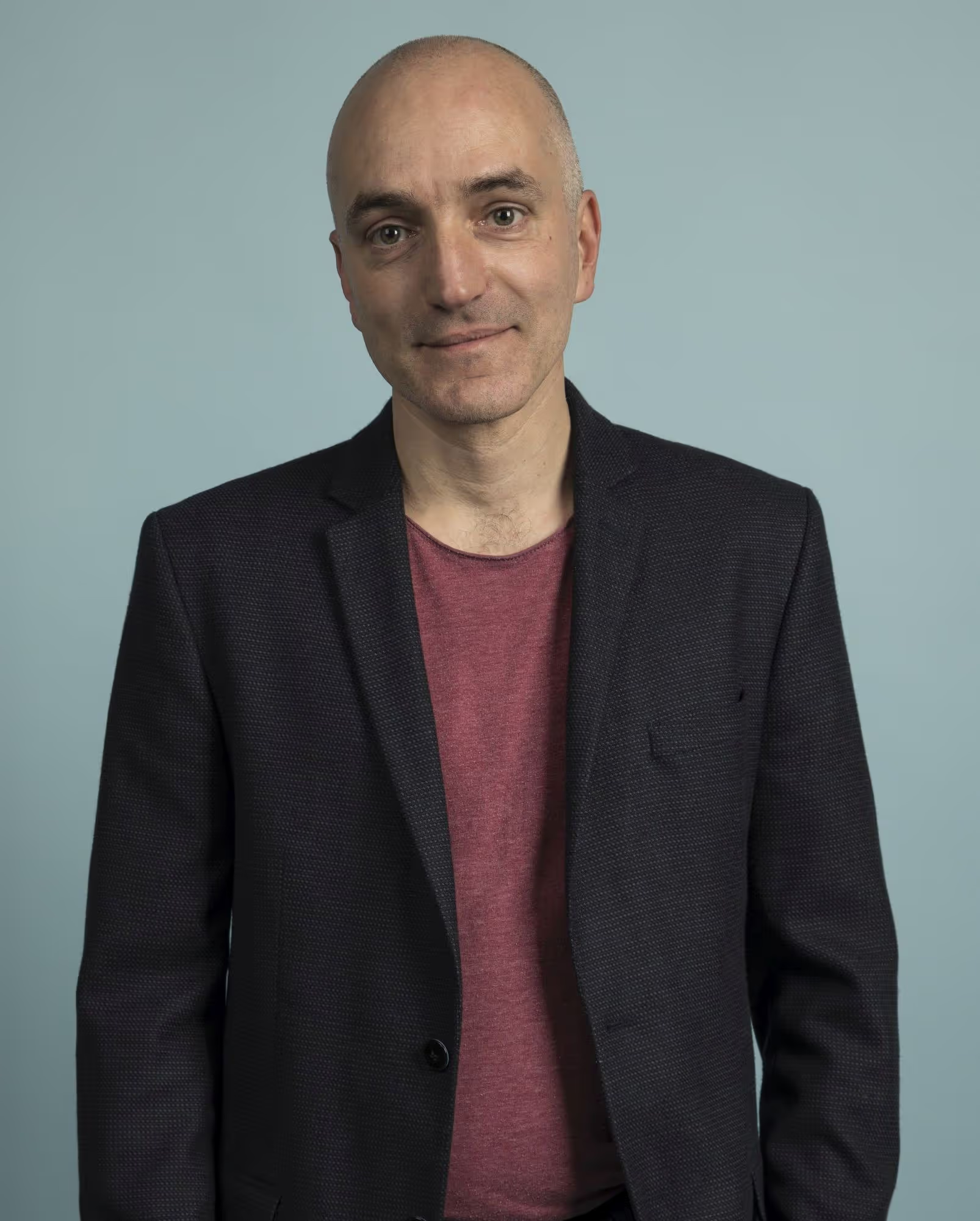
Federica Sasso's visual research addresses a narrative dimension that intertwines documentary photography with algorithmic recognition programs, video, and installation. Her investigation of social dynamics in the technological age enhances the quality of photography as a tool for research, critical revelation, and public activation.
Together, these artists construct a landscape in which photography is no longer just representation, but process, research, relationship, and responsibility. Their selection does not respond to generational or geographical criteria, but to a common tension towards linguistic innovation and ethical commitment.
List of curators:
Giangavino Pazzola – Curator of contemporary and research programs at CAMERA
François Hebel – Director at CAMERA
Nominators:
Daniele De Luigi – curator Fondazione AGO Modena
Giuseppe Oliverio – director PHMuseum Bologna