Os Encantados
Romane Iskaria
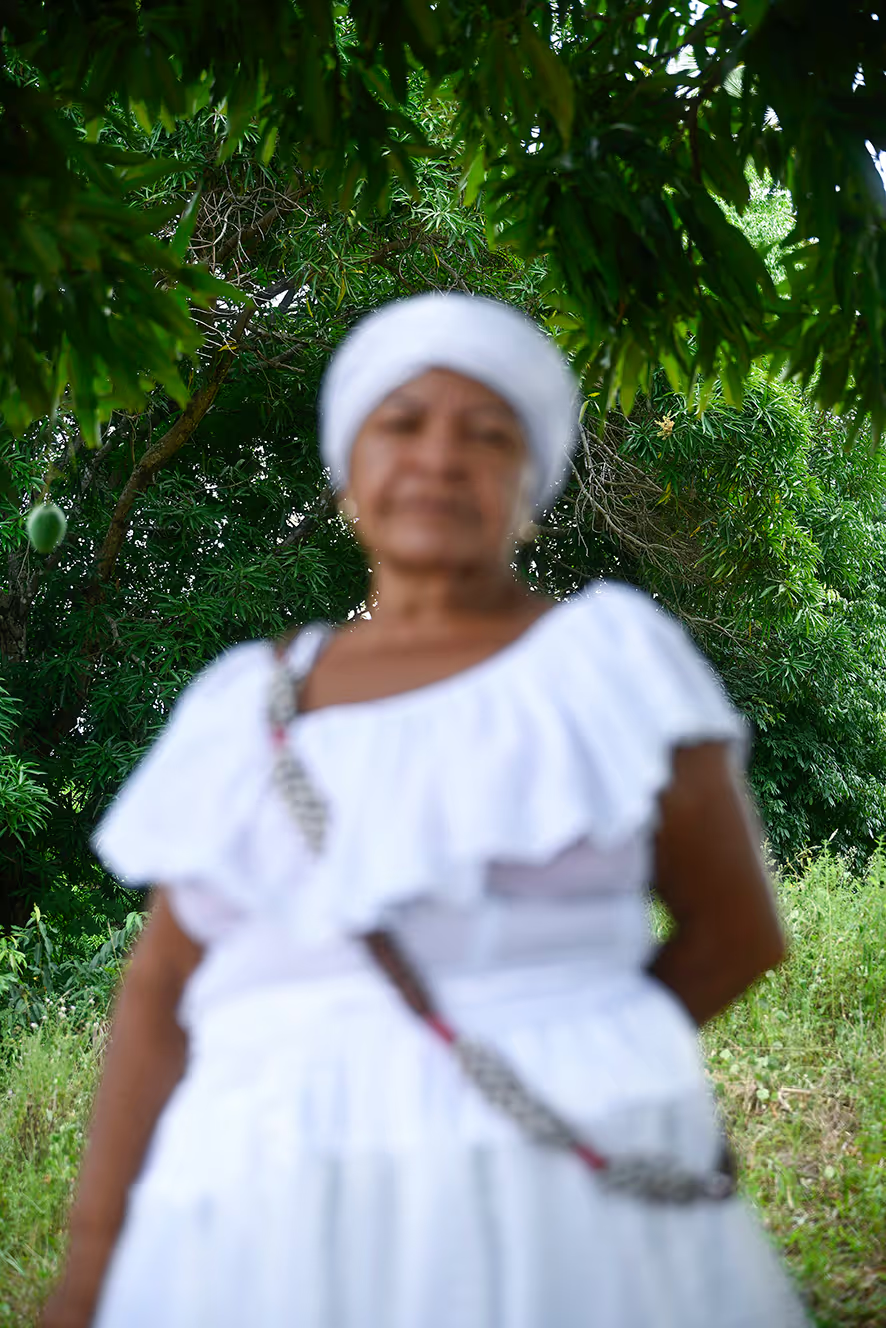
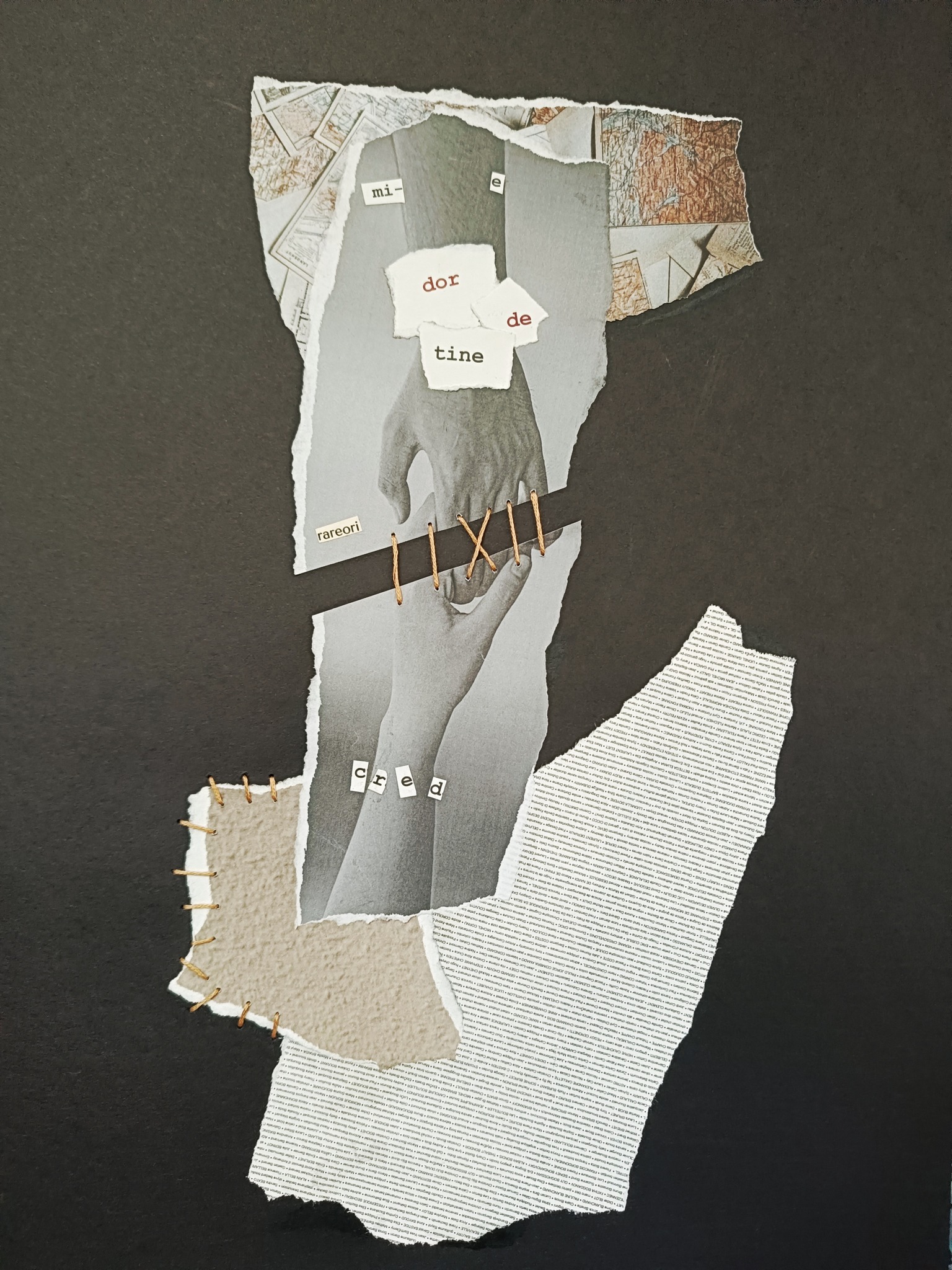
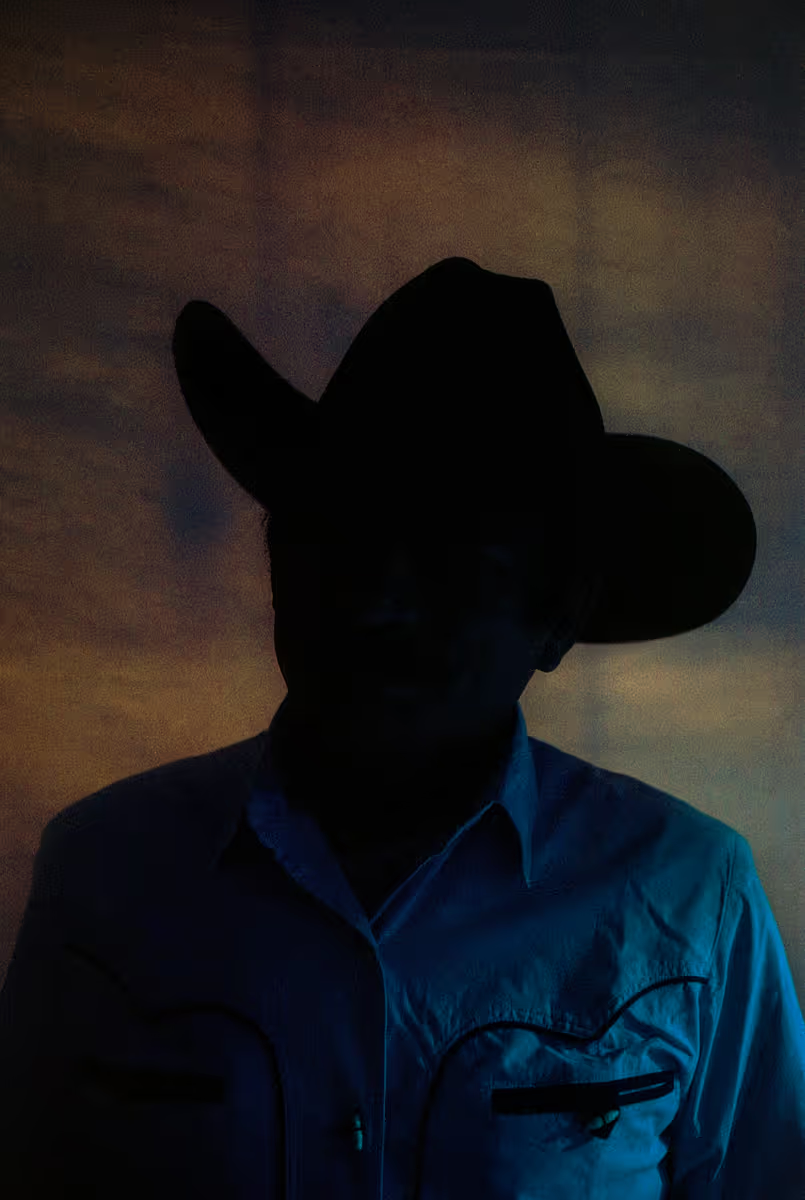
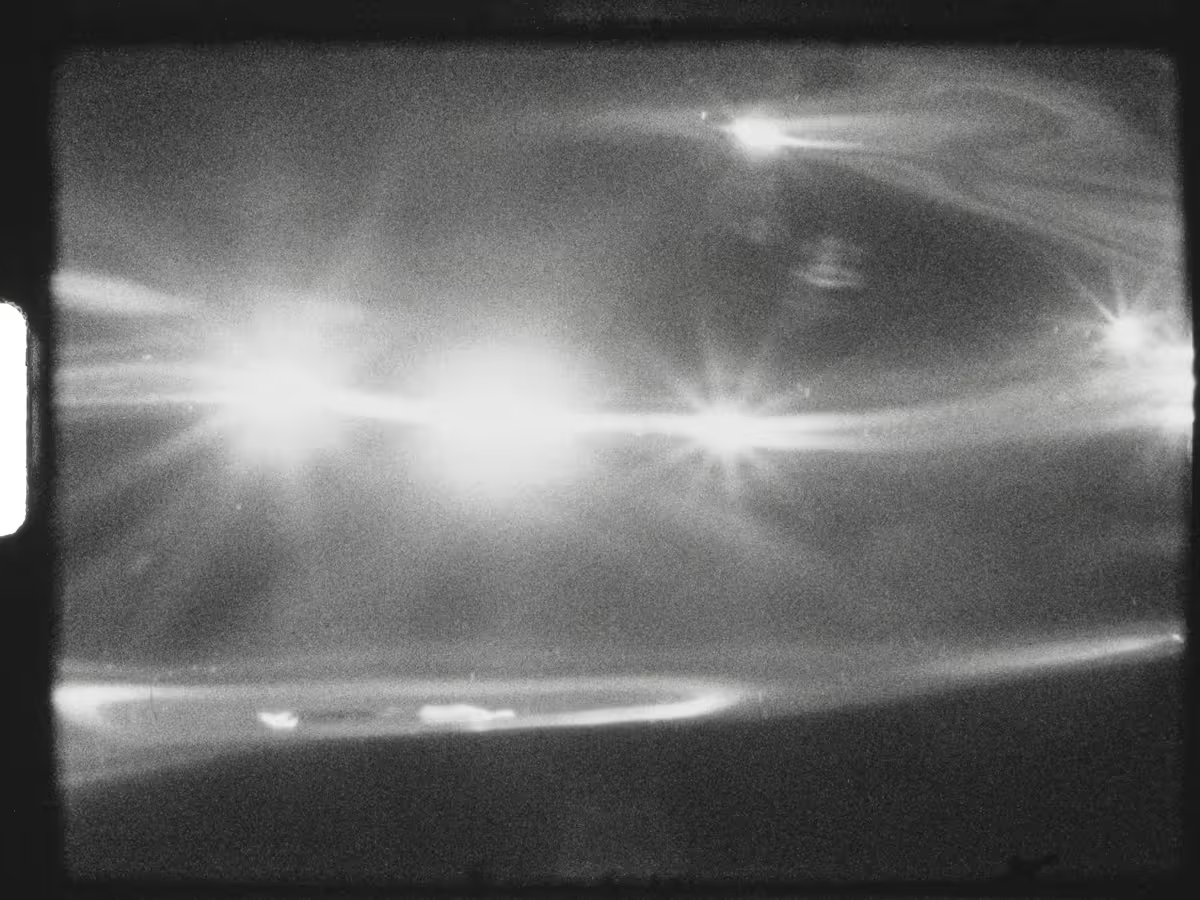
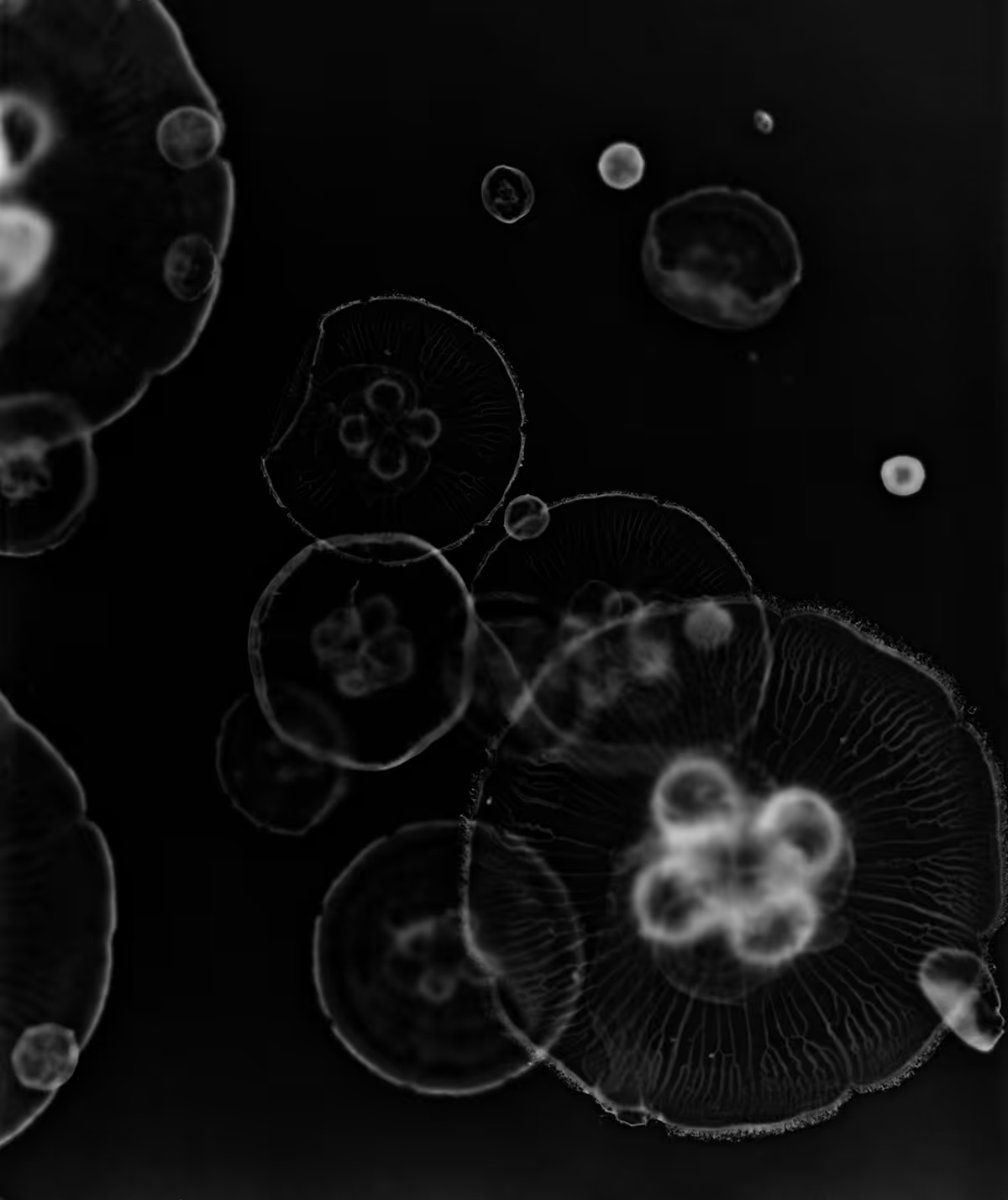
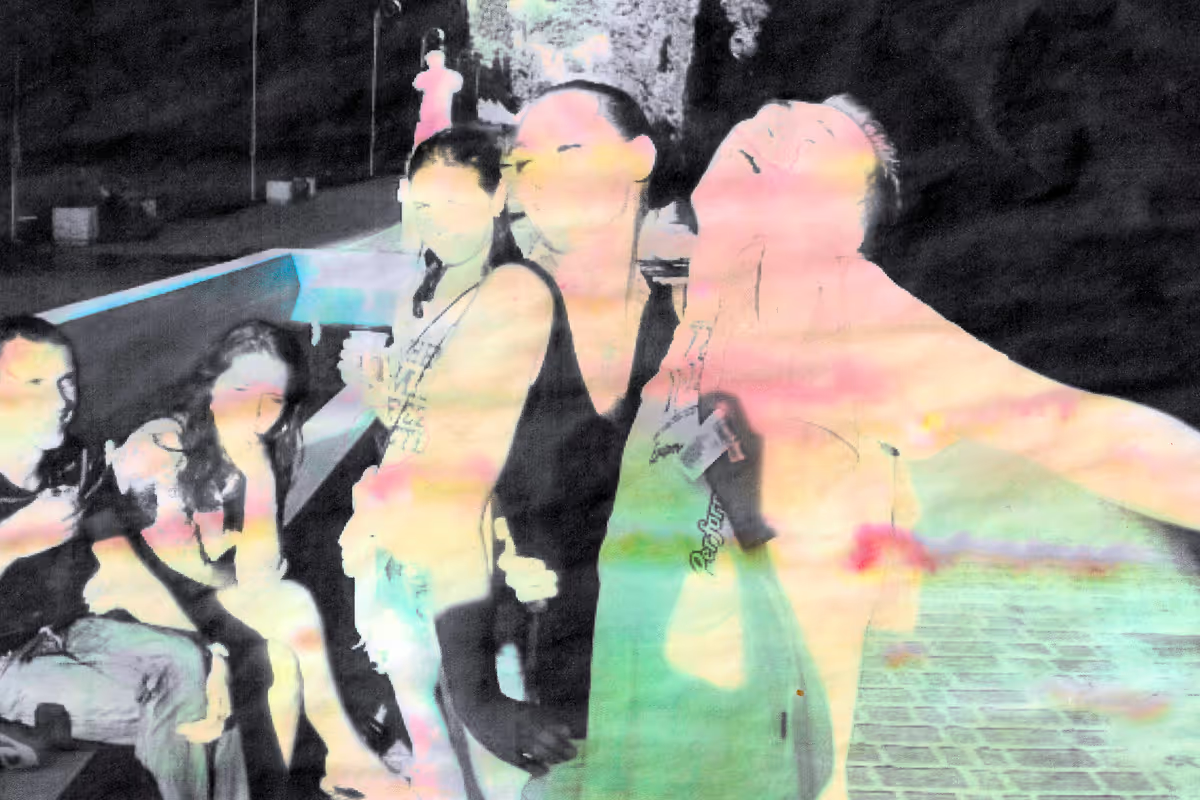
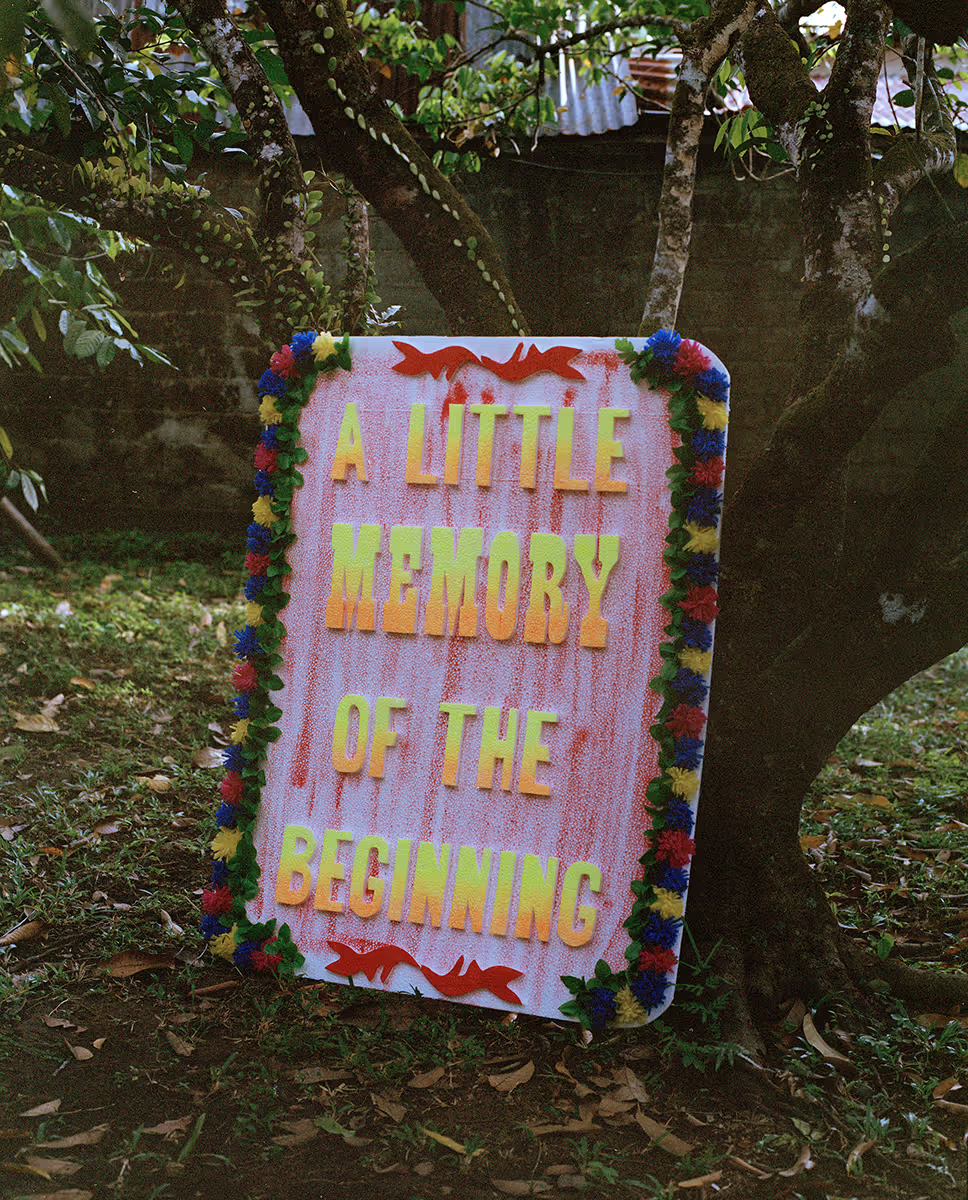
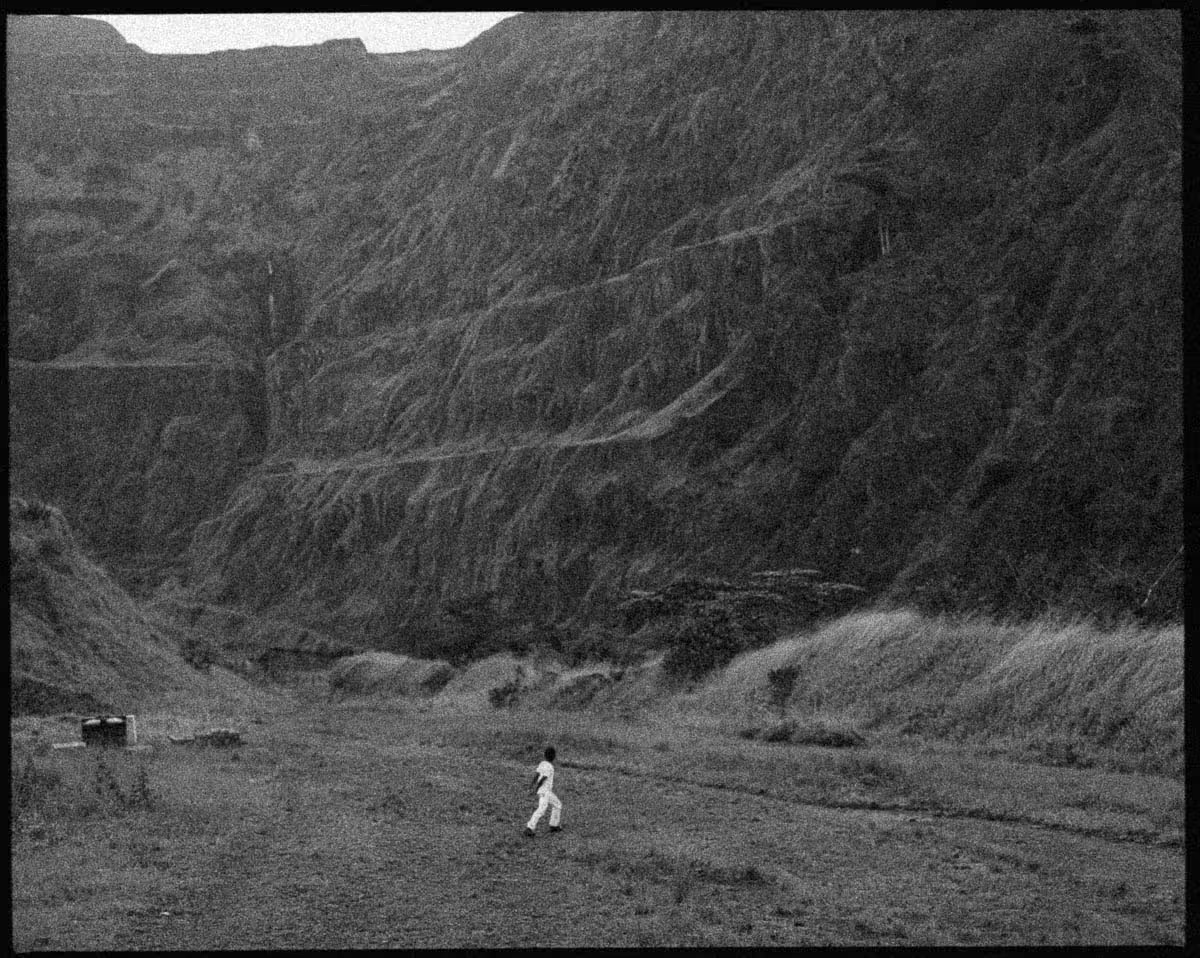
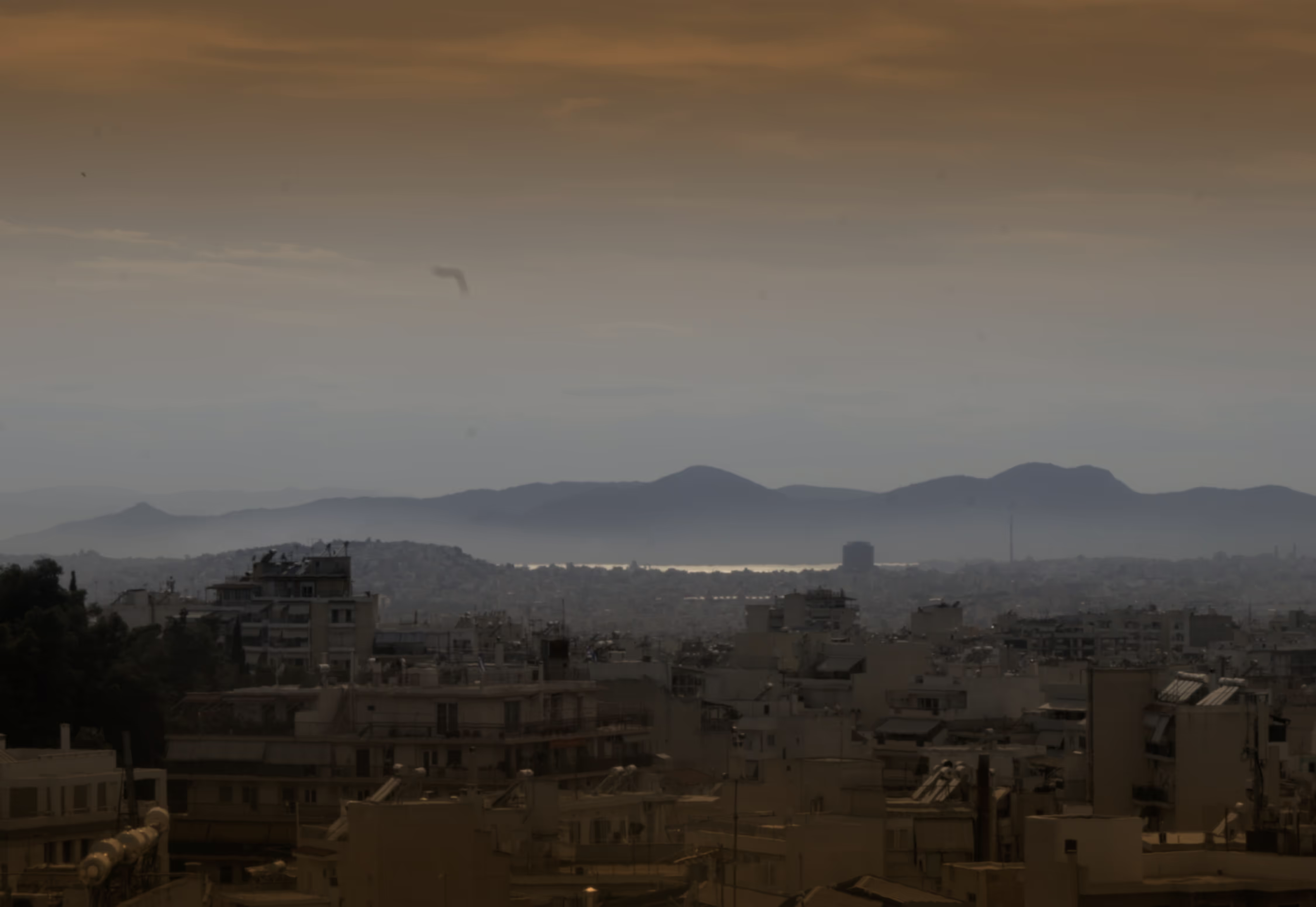
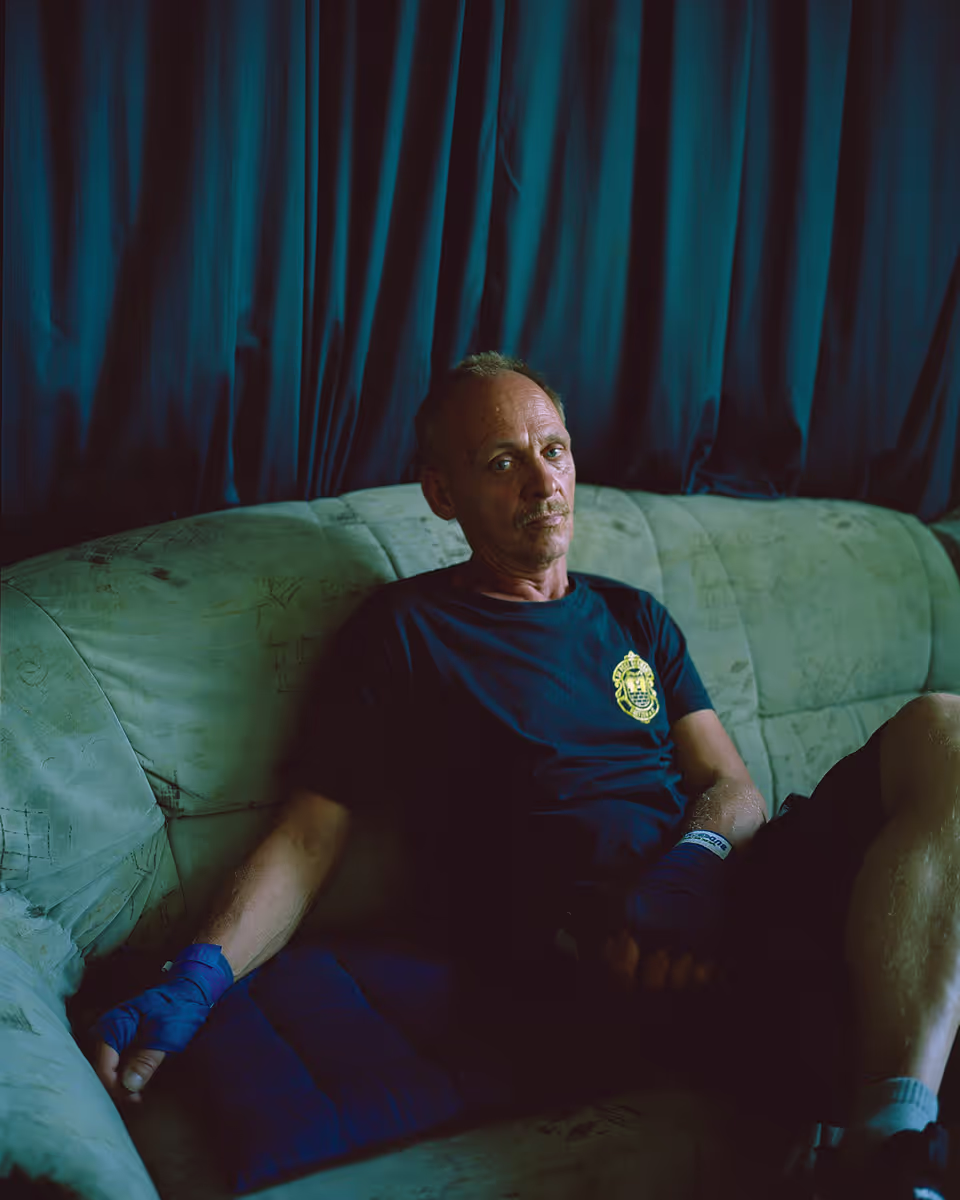
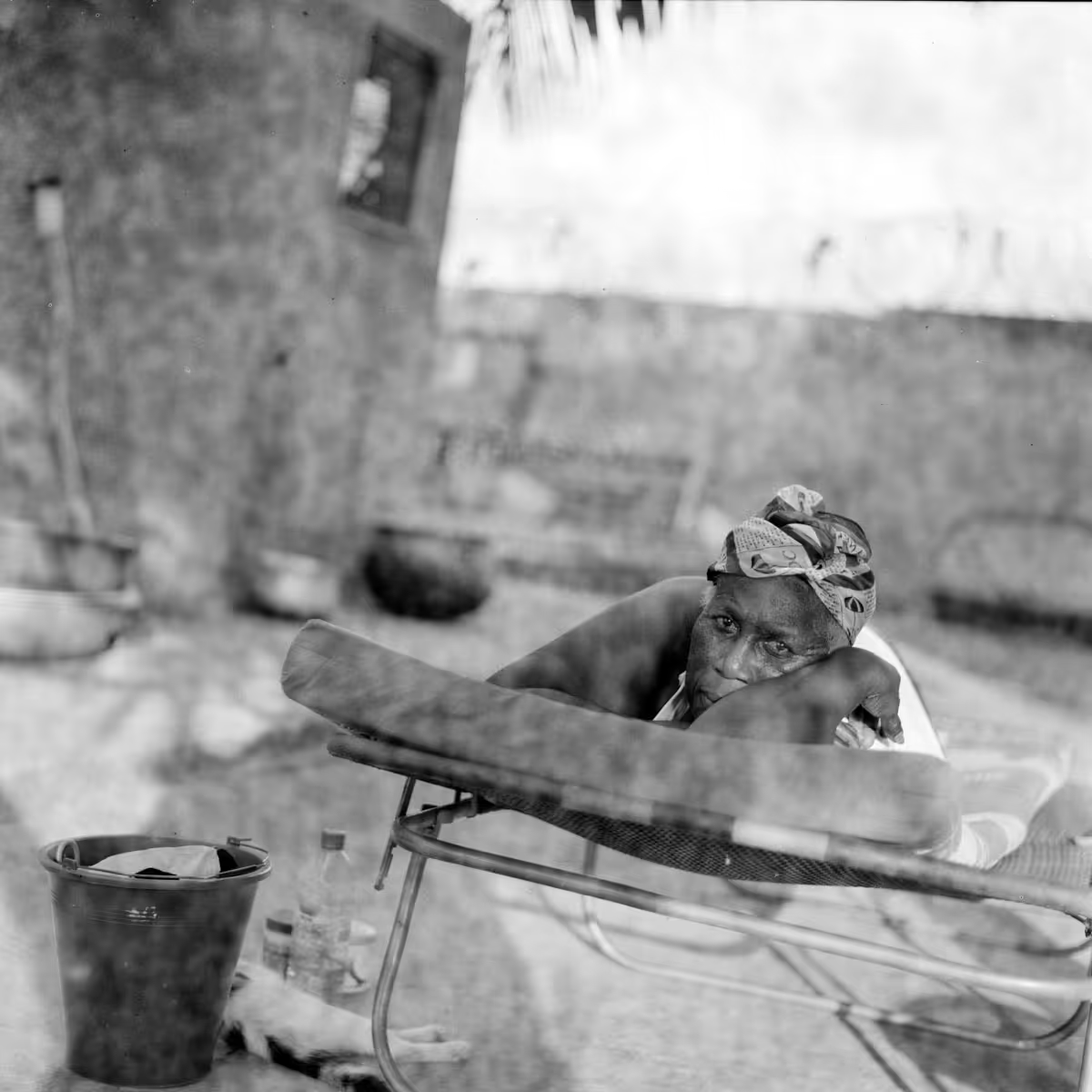
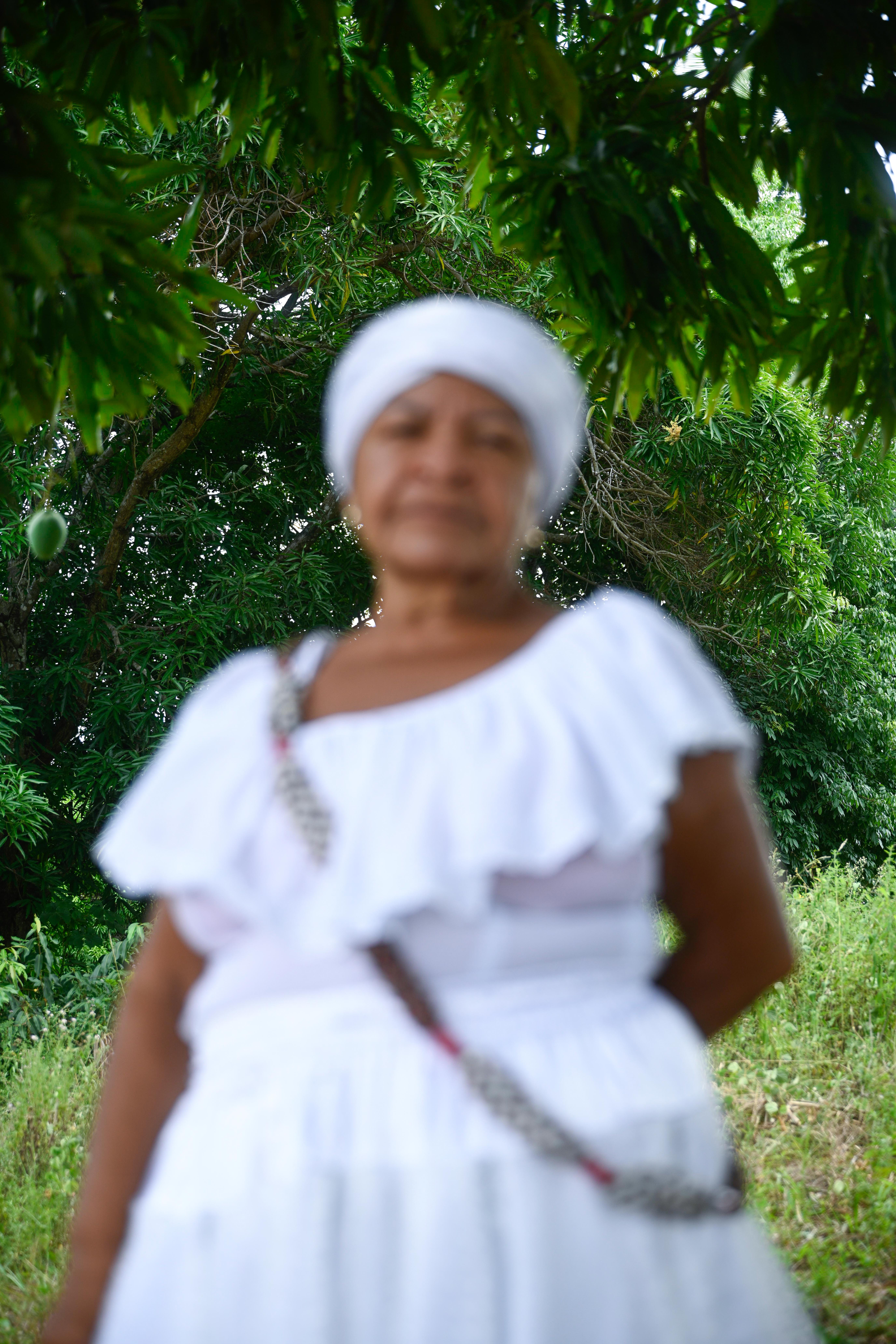
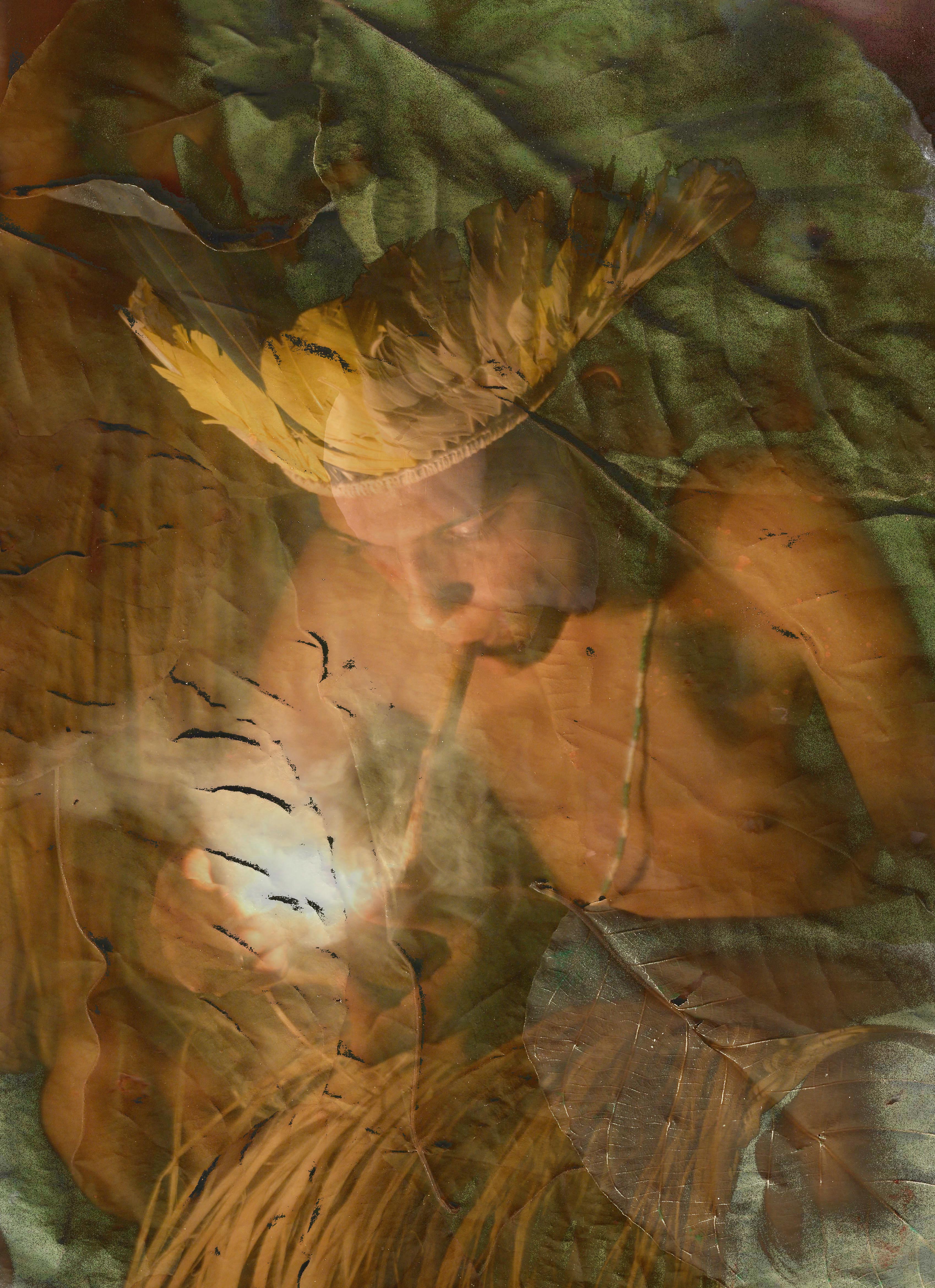
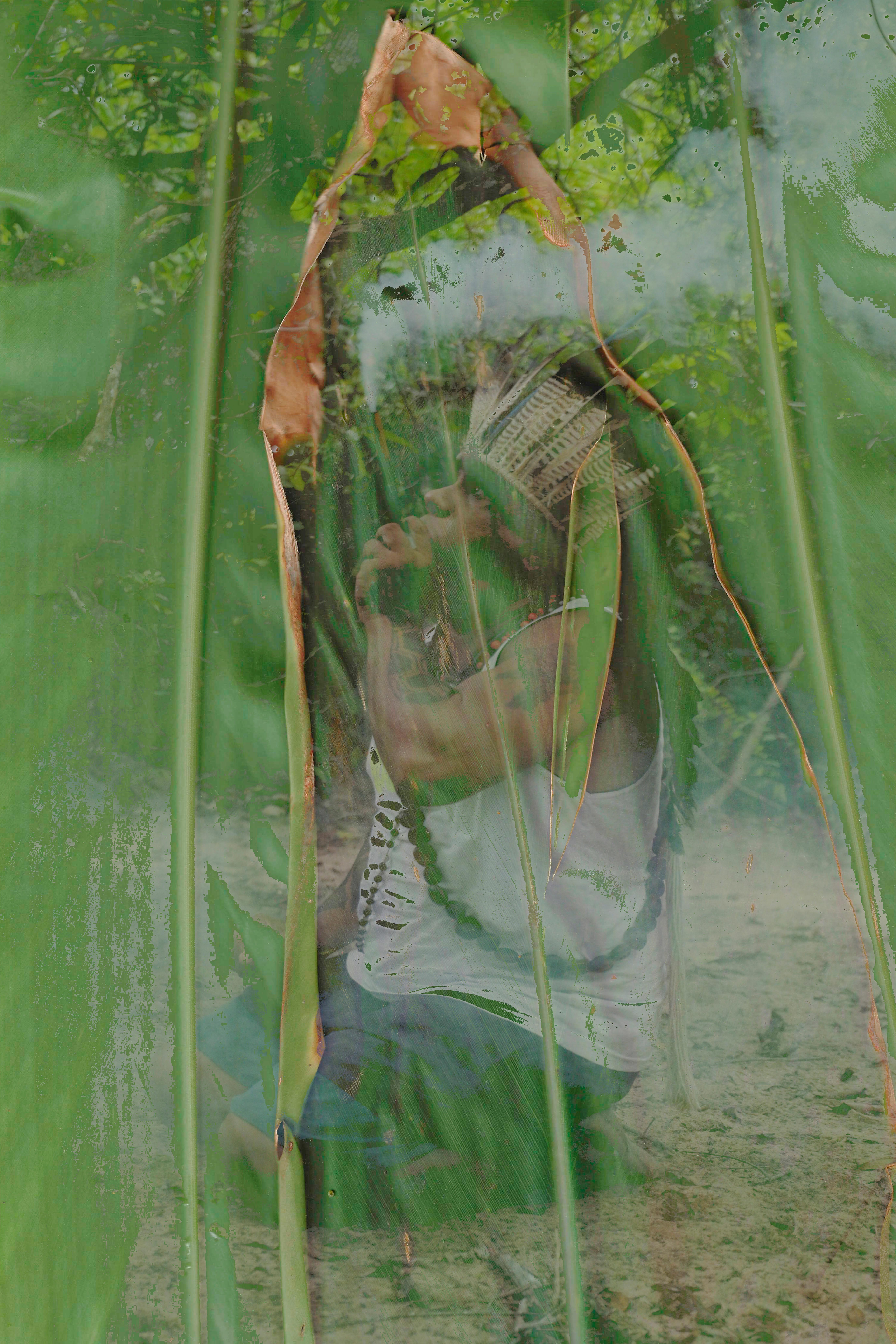
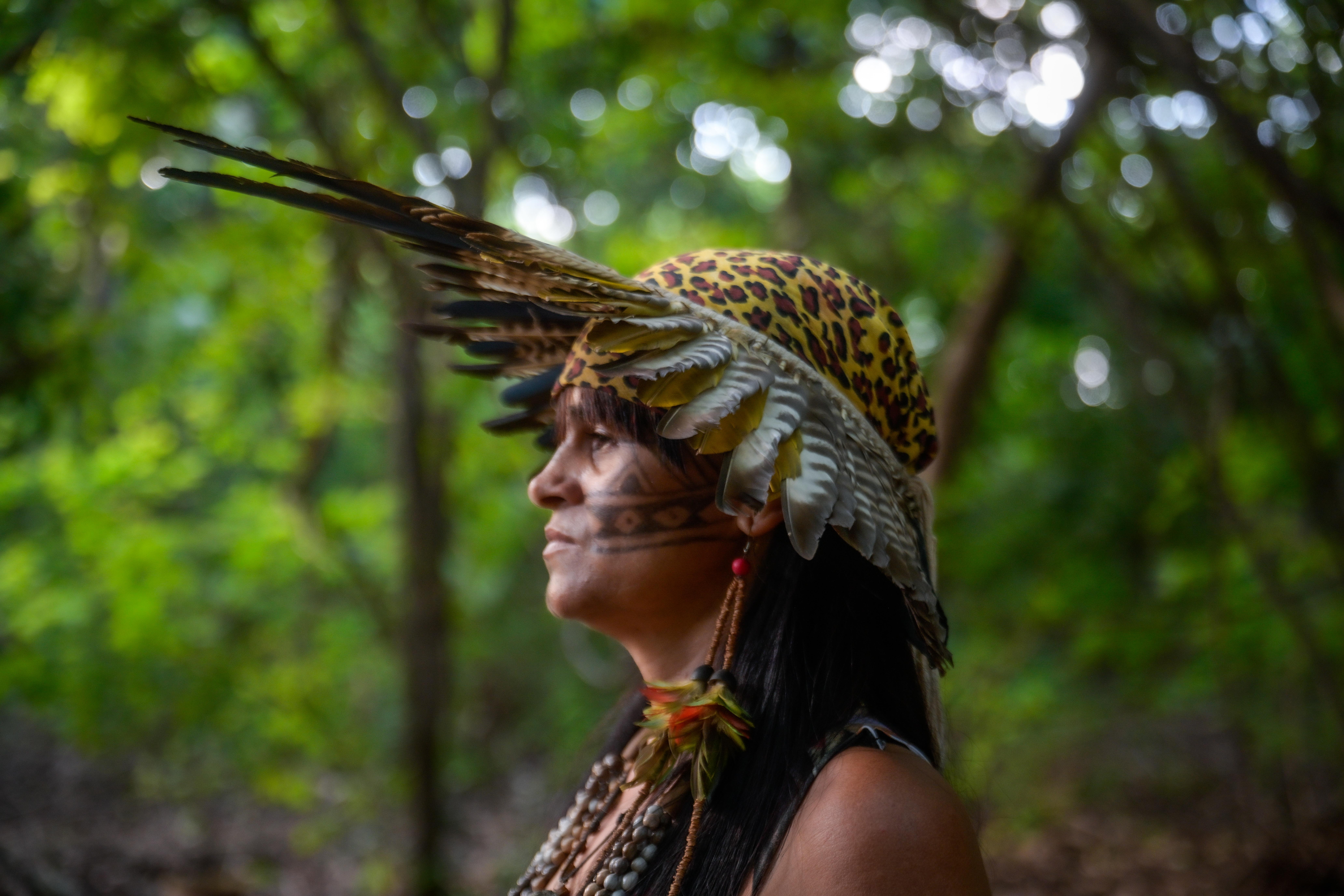
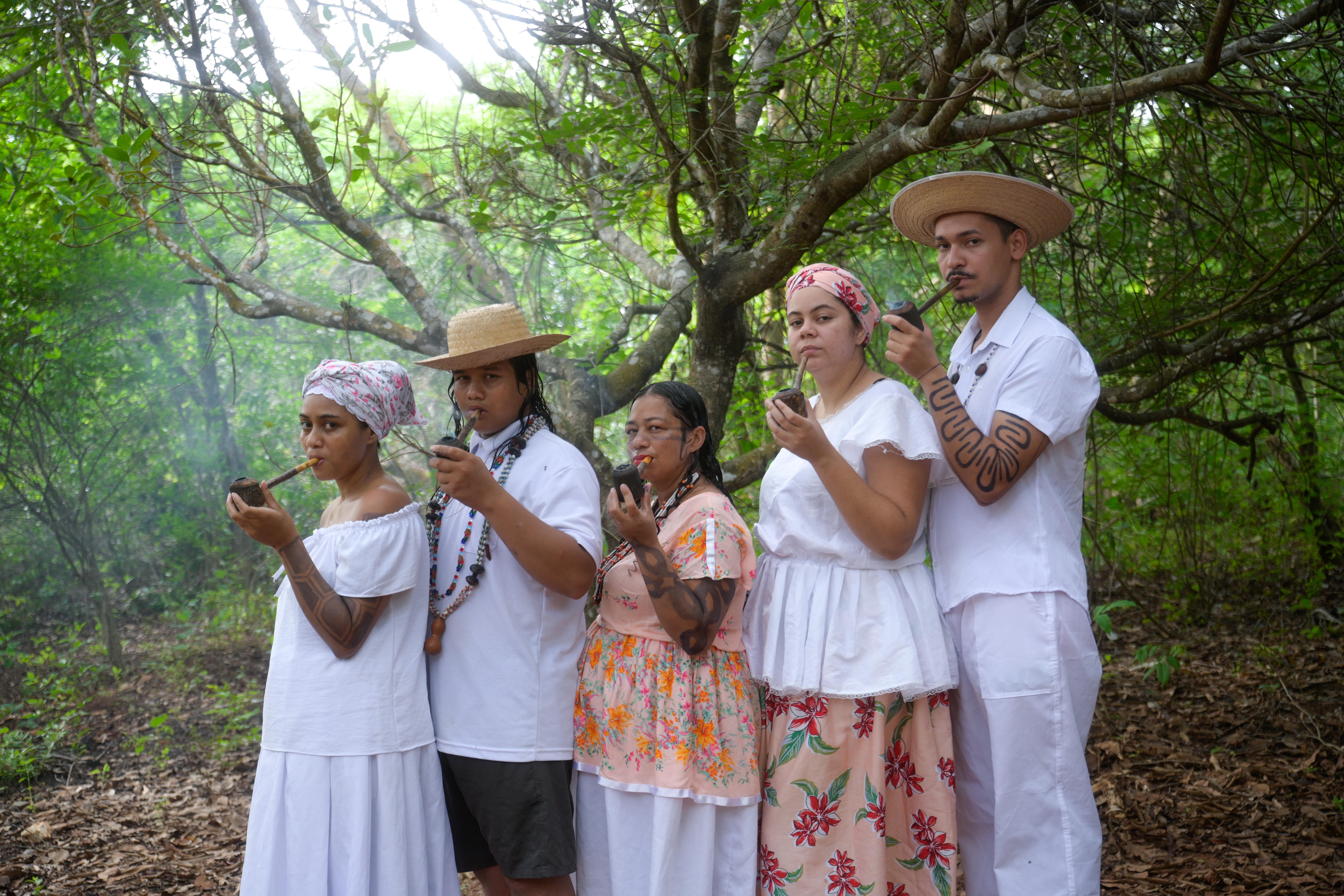
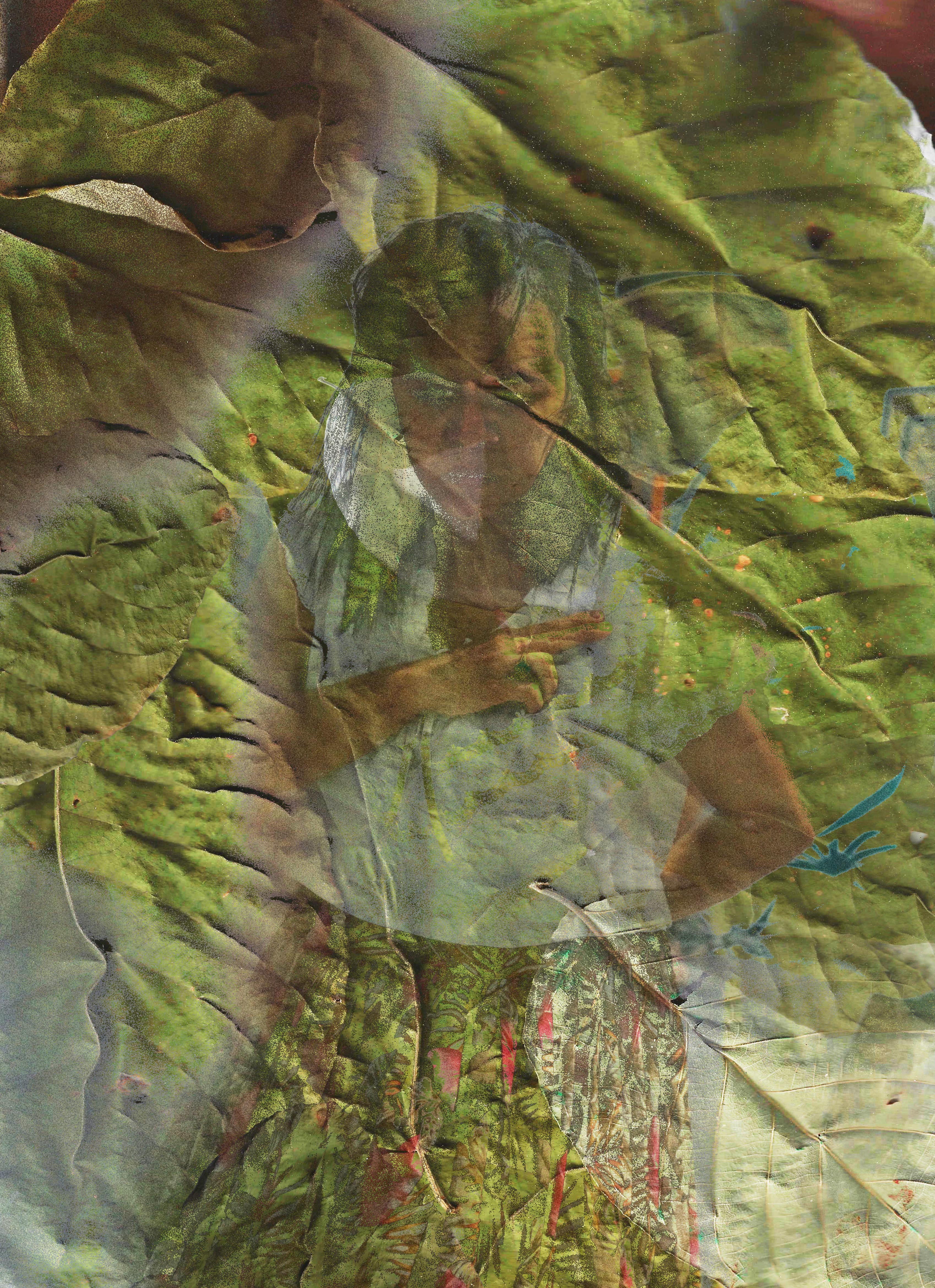
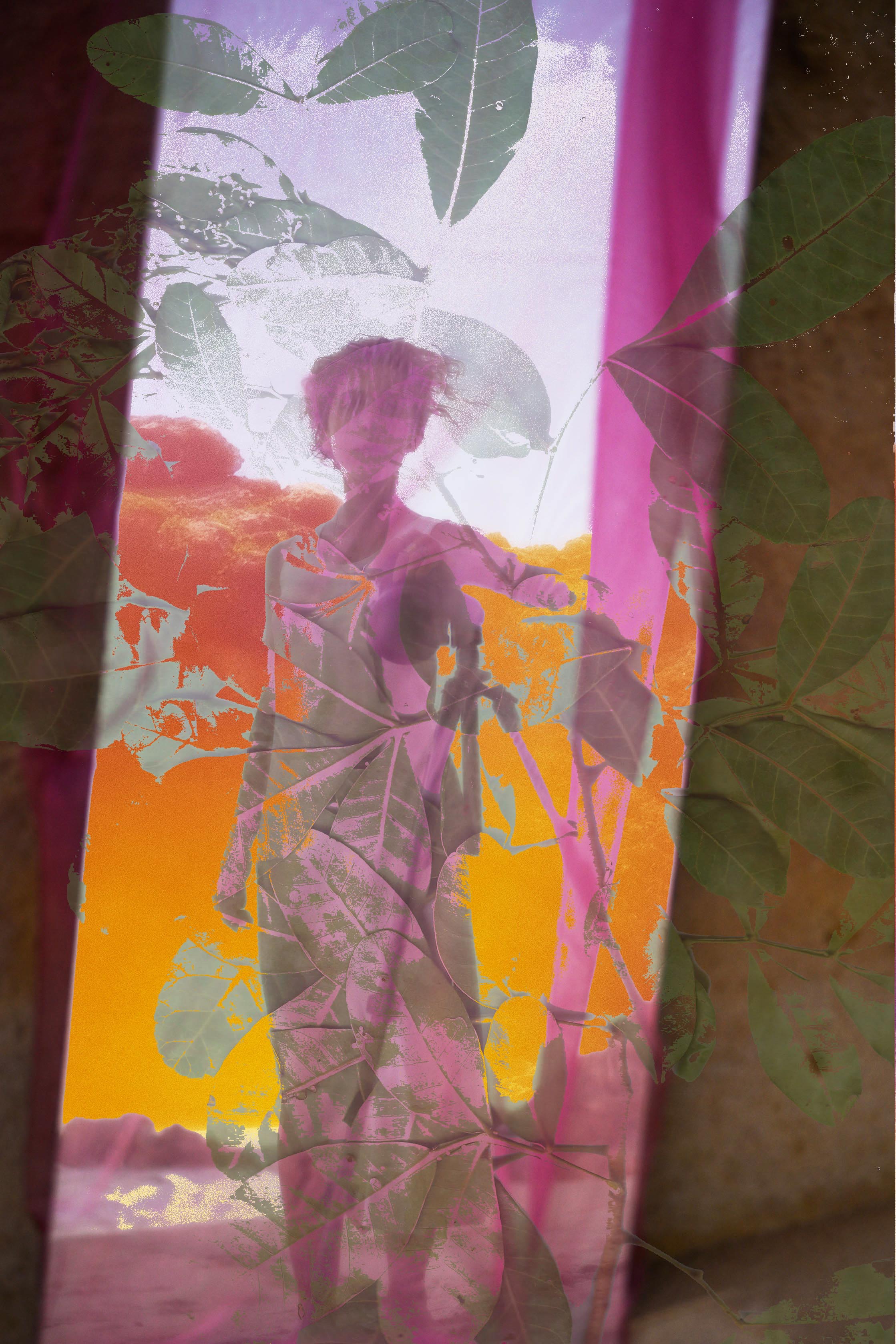
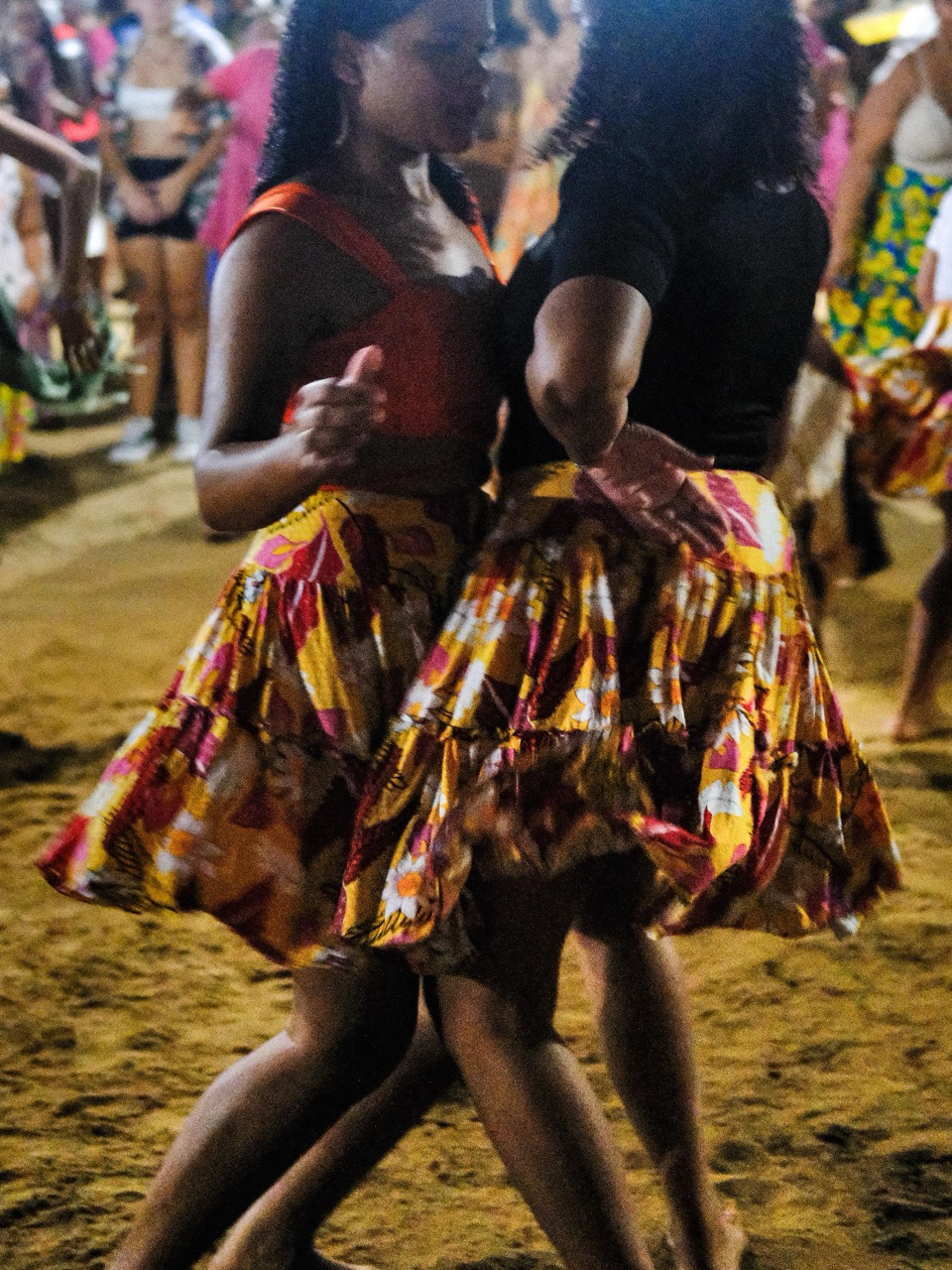
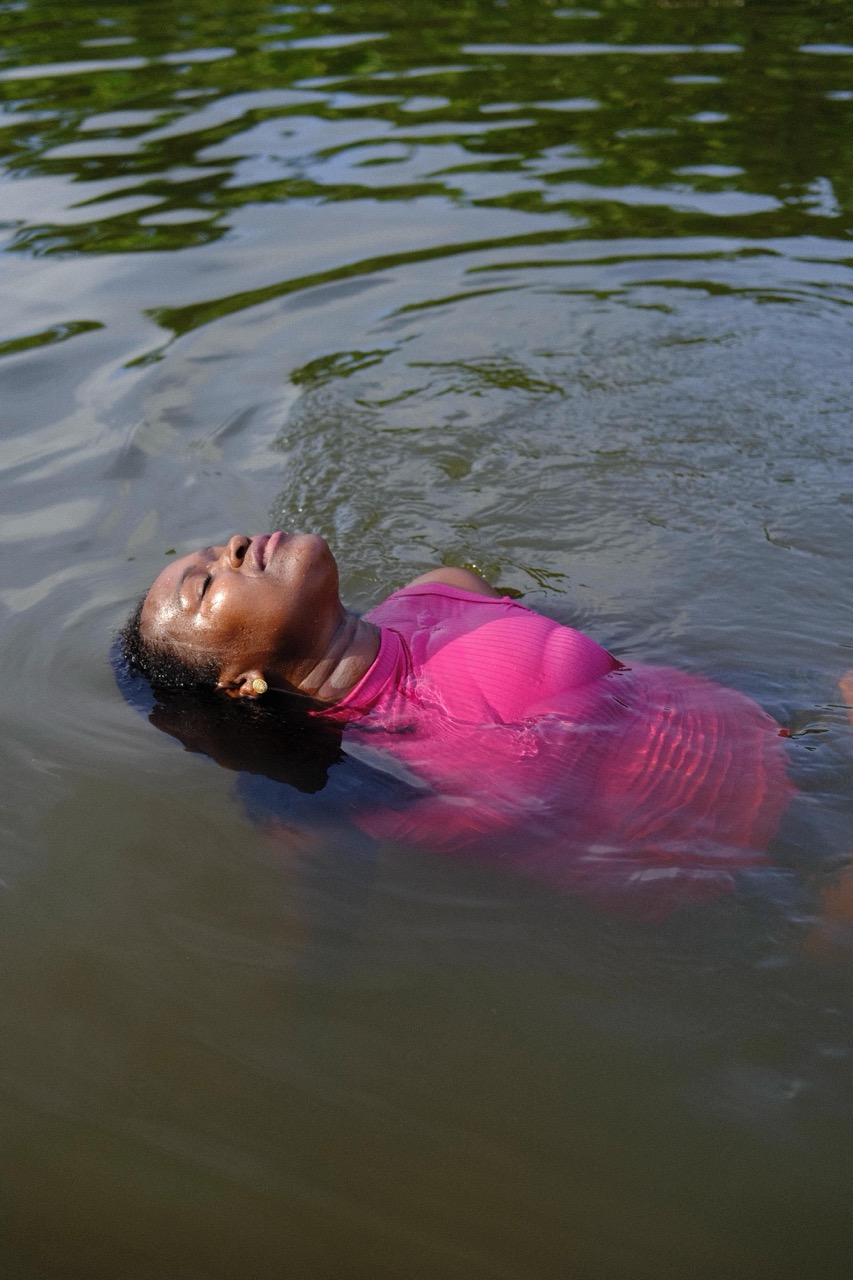
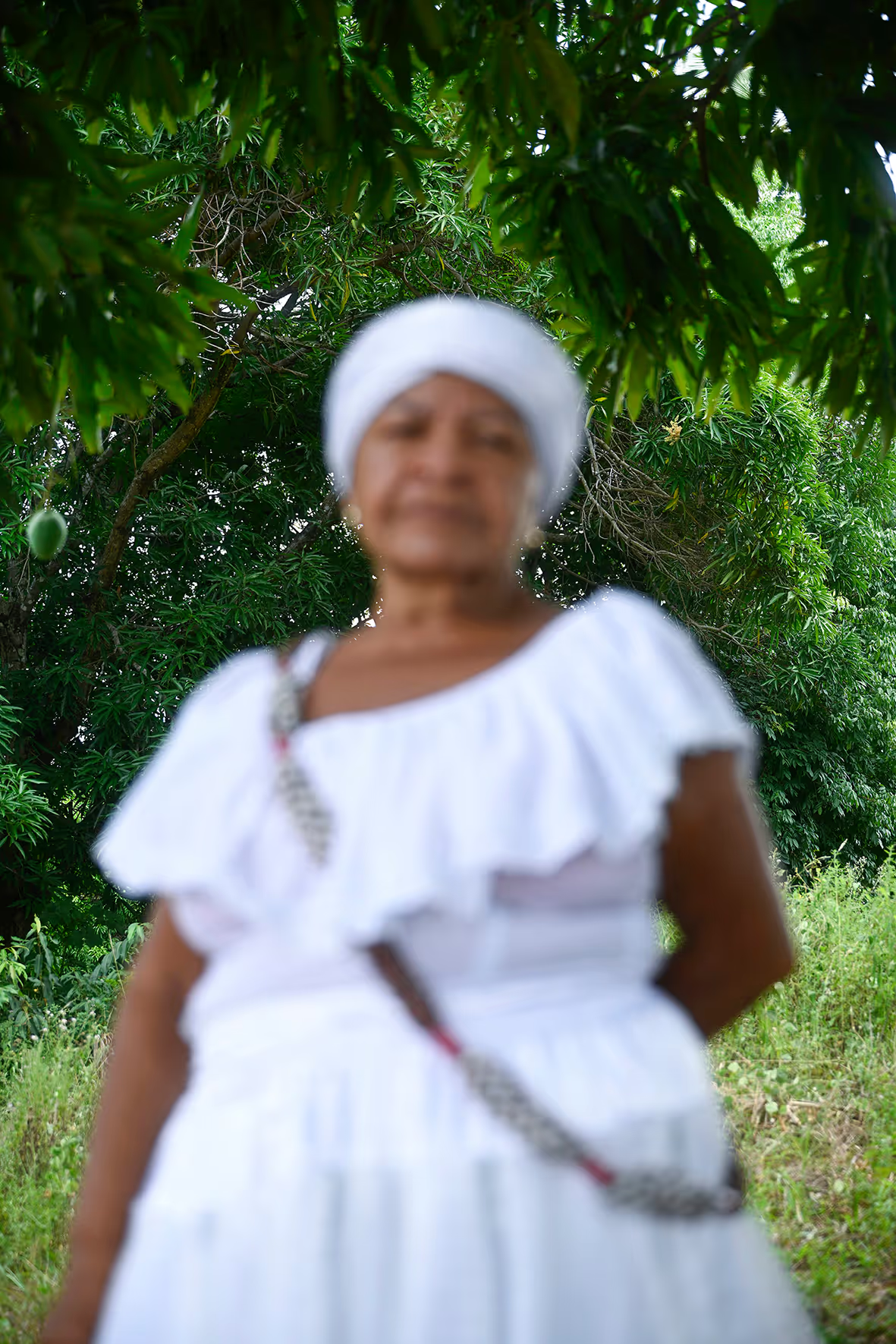
Os Encantados – The Enchanted Ones is a documentary inquiry by artist and photographer Romane Iskaria, bringing together photography, documentary film, archival materials, and narratives drawn from field research. Developed as a long-term project, the work emerged from an immersion in Northeastern Brazil, within communities whose spiritual, botanical, and territorial knowledge remains deeply threatened yet profoundly alive.
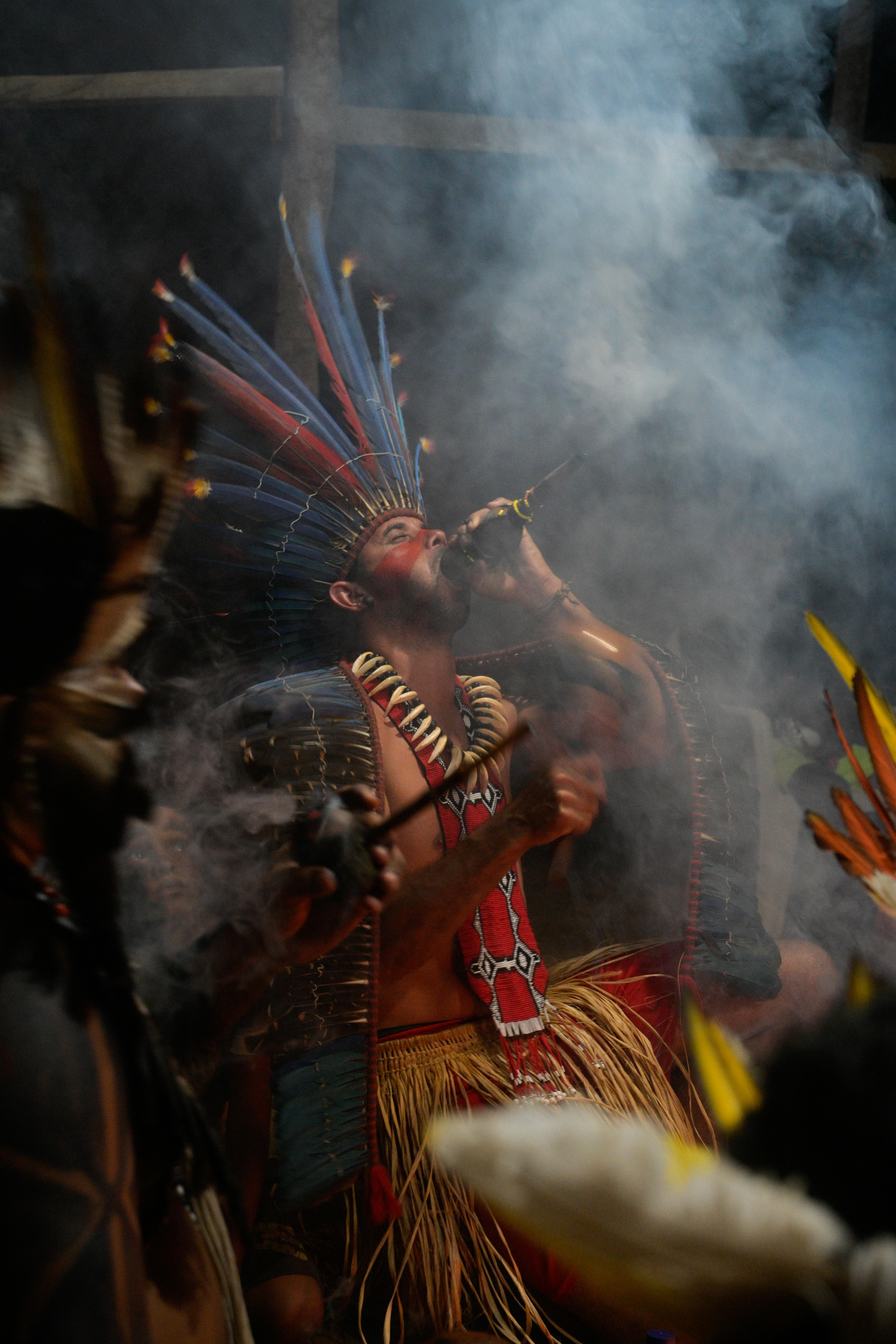
The project originates in the quilombola communities of Ipiranga, in Conde, before expanding into a broader investigation of Jurema Sagrada, a spiritual tradition rooted in Indigenous matrices and shaped by Afro-Brazilian heritages. Through an approach grounded in long-term engagement, listening, and relational practice, Romane Iskaria explores the connections between memory, spirituality, territory, and transmission.
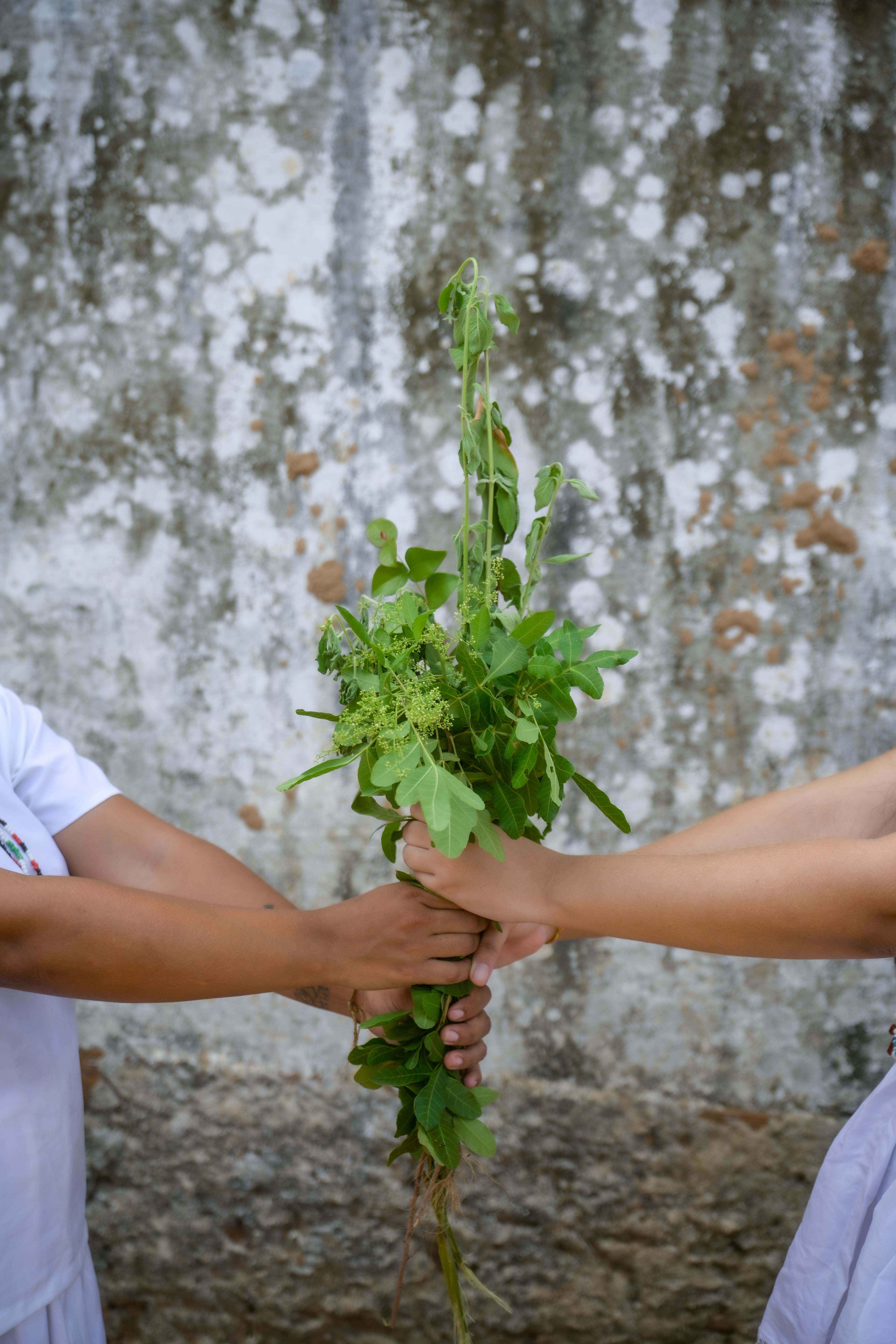
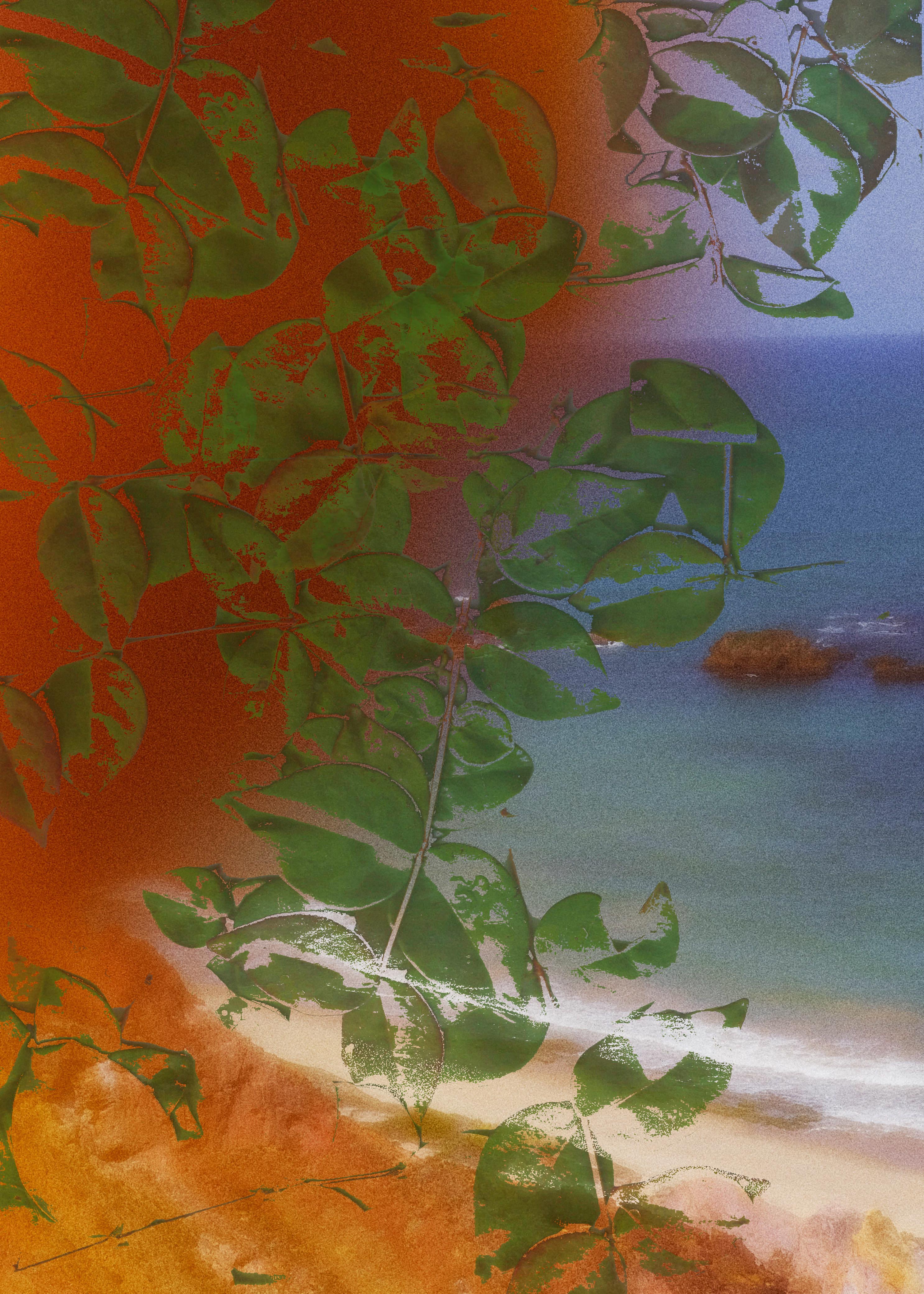
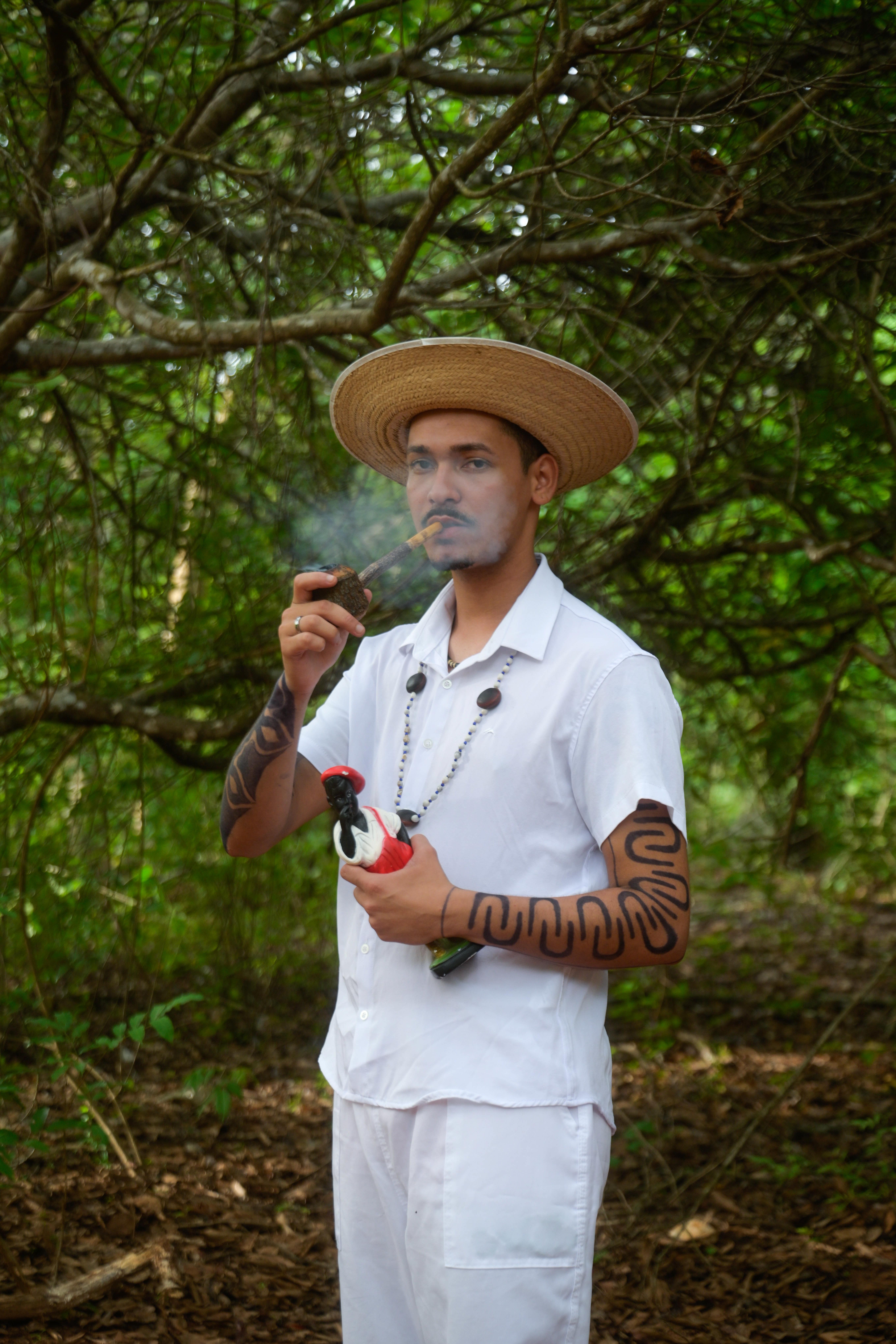
At the center of this research lies Jurema, a sacred plant (Mimosa hostilis Benth) used in ritual practices and associated with the Encantados, spiritual entities present within Indigenous and Afro-Brazilian cosmologies. Jurema embodies a living memory of the land, a link between visible and invisible worlds, but also a form of resistance against historical, cultural, and environmental erasure.
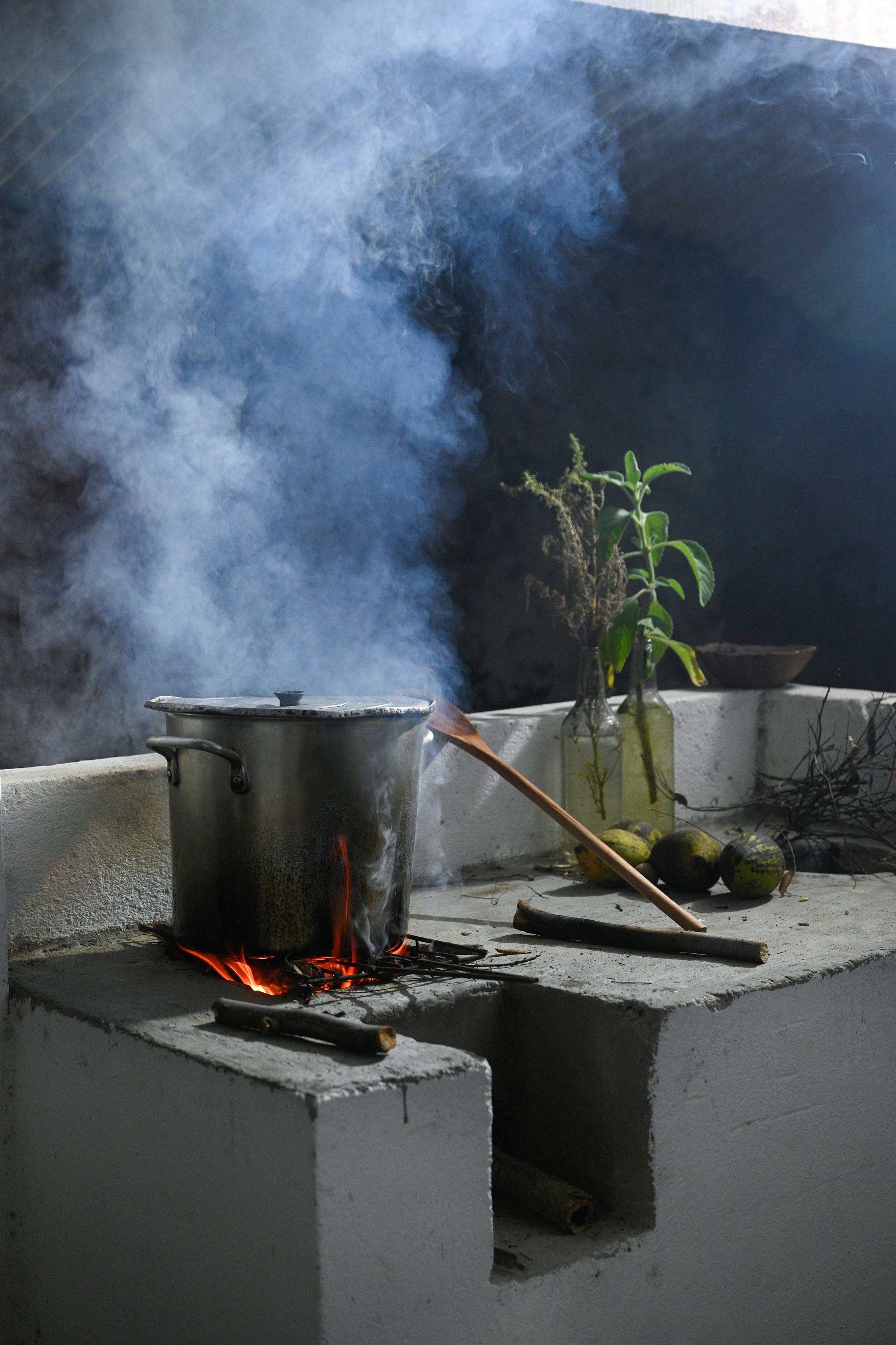
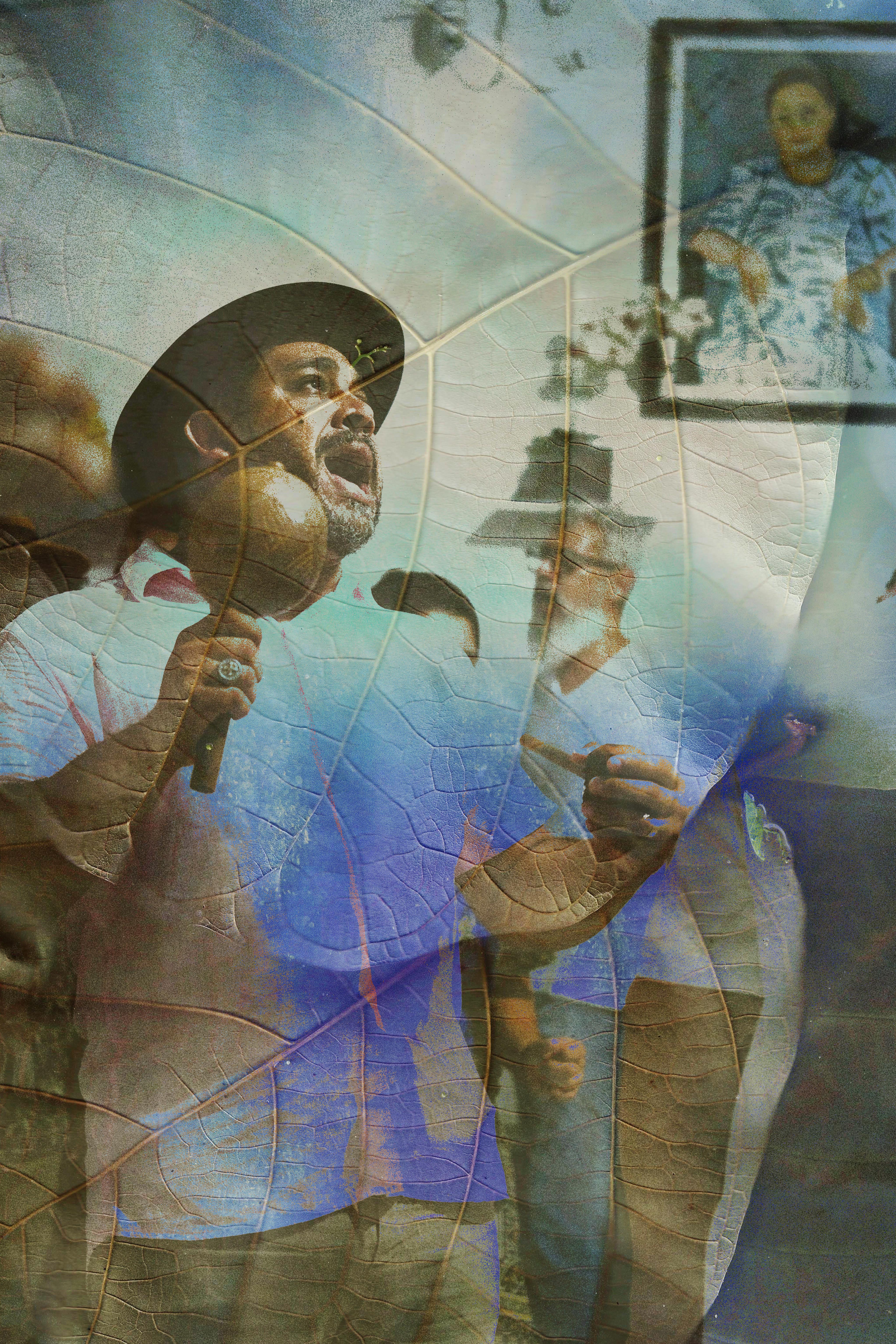
Many Mestres and Mestras of Jurema also perpetuate healing practices rooted in sacred plants and vernacular knowledge systems. This dimension has led to the development of several photographic series and lines of inquiry focused on gestures of healing, oral transmission, and the relationships between body, nature, and spirituality.
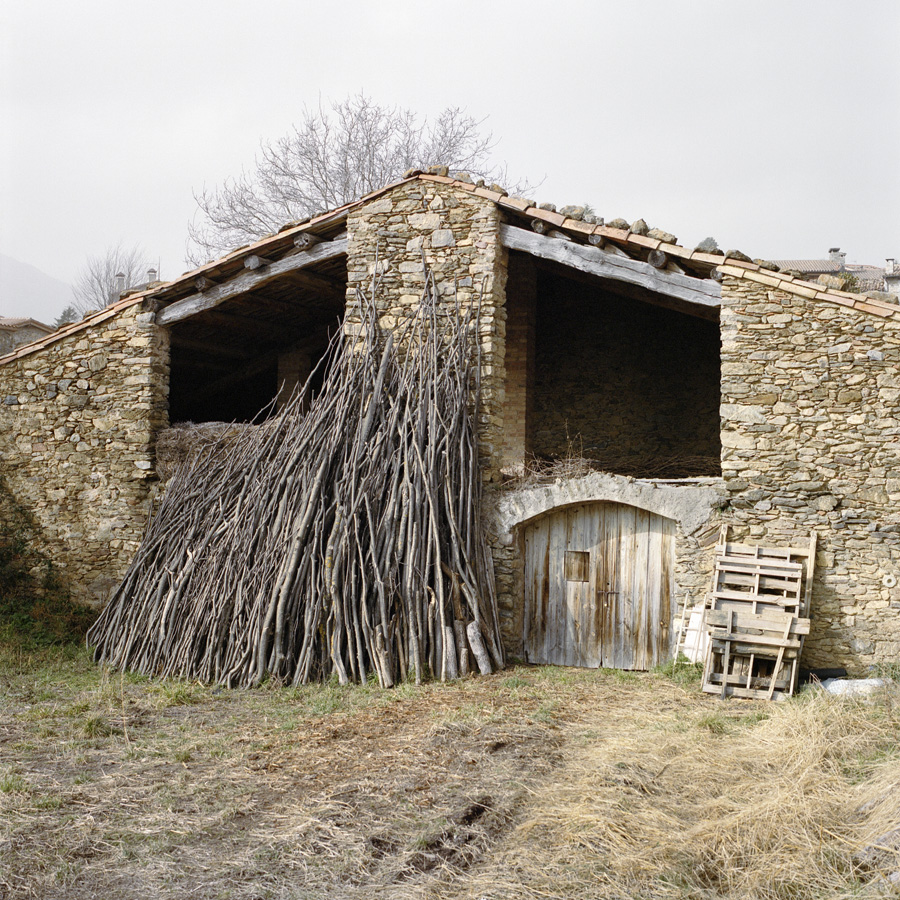
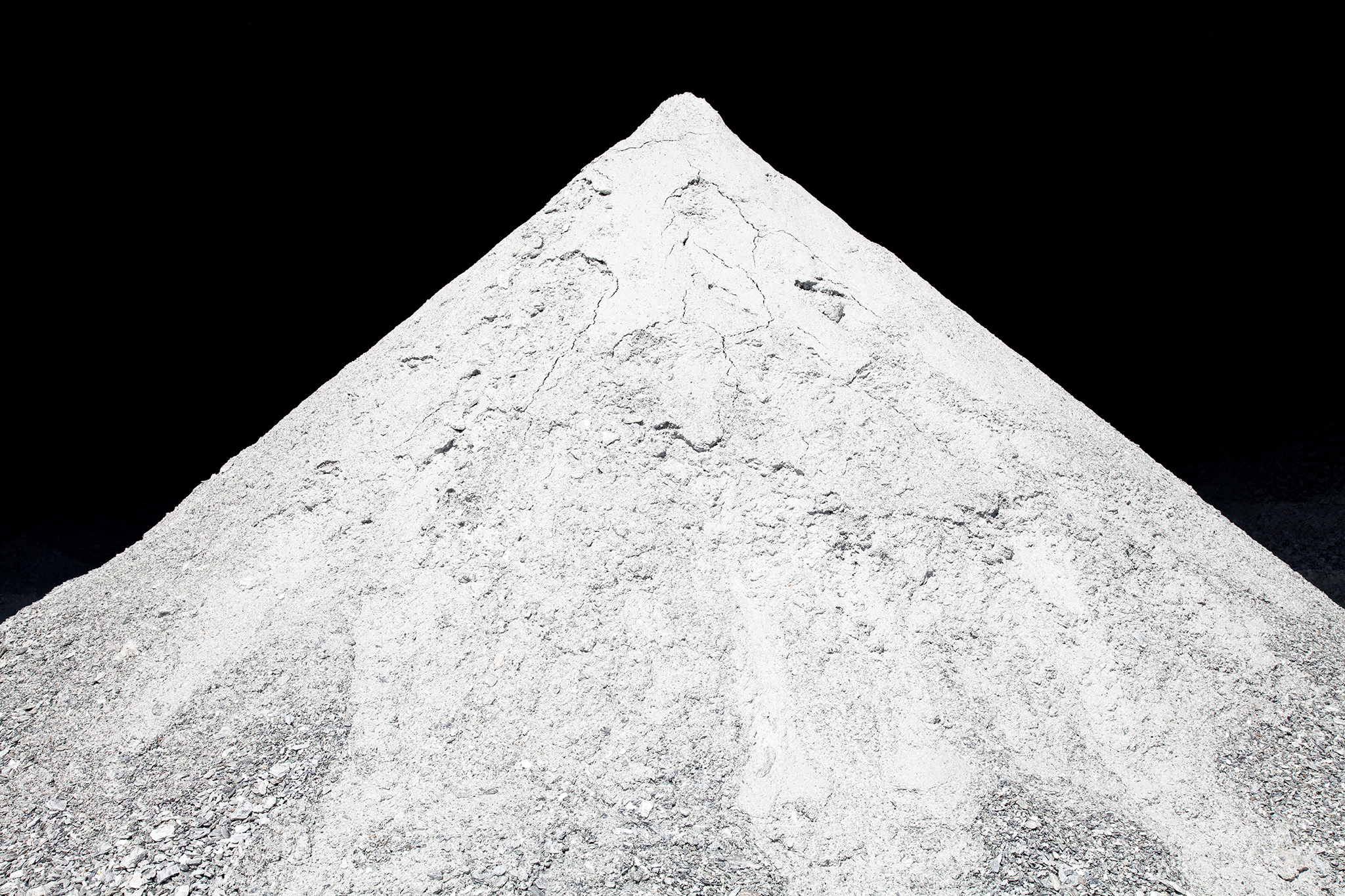
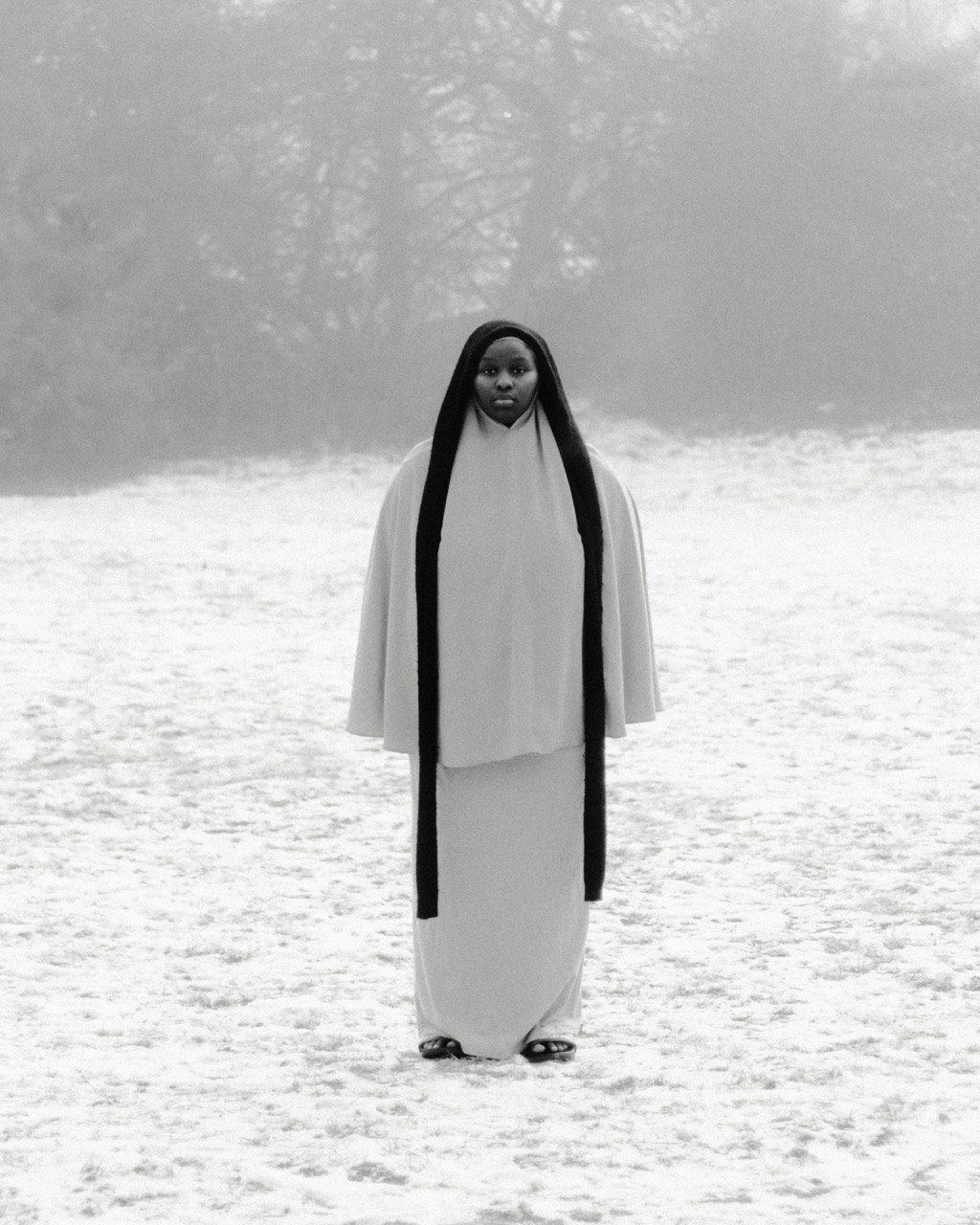
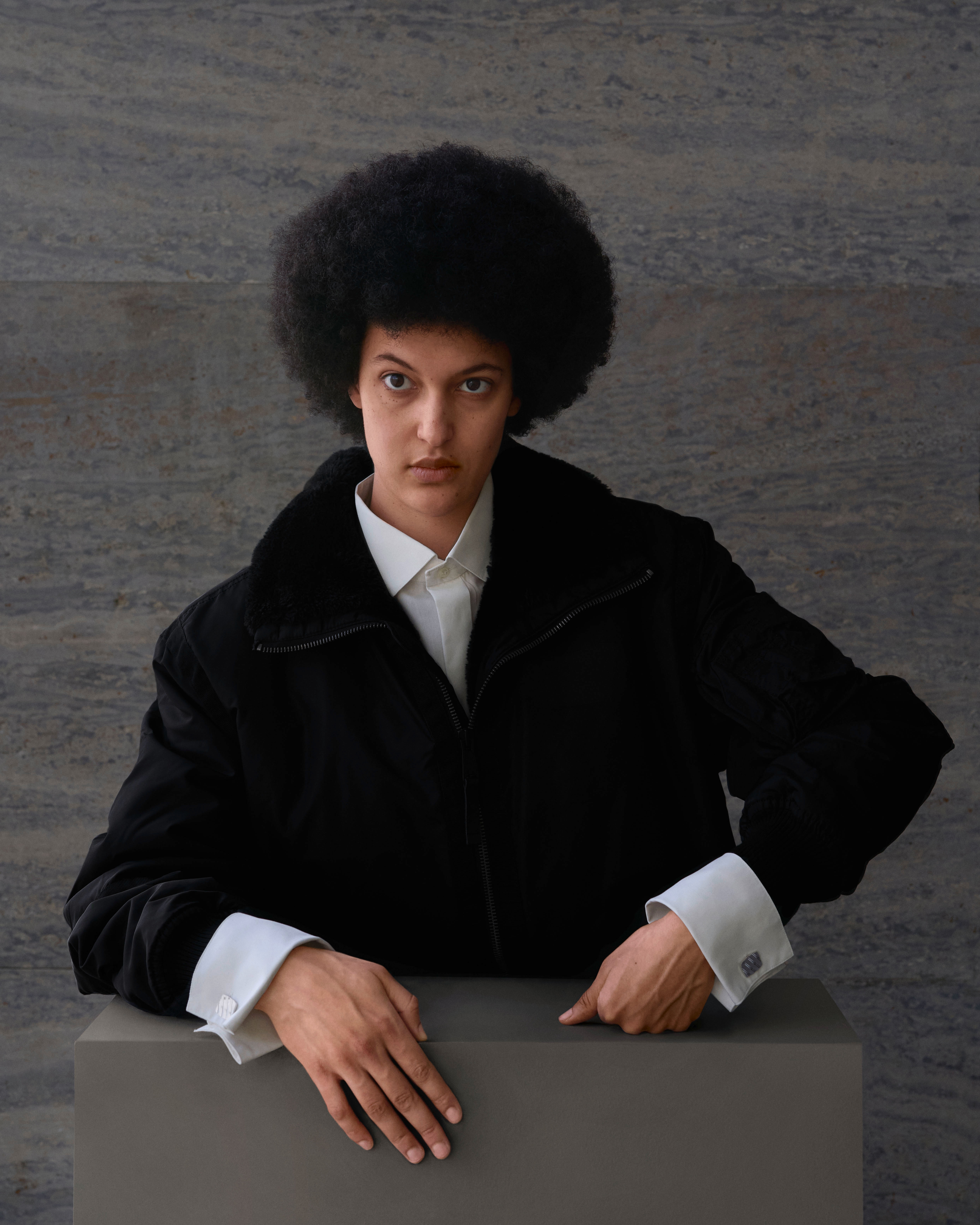
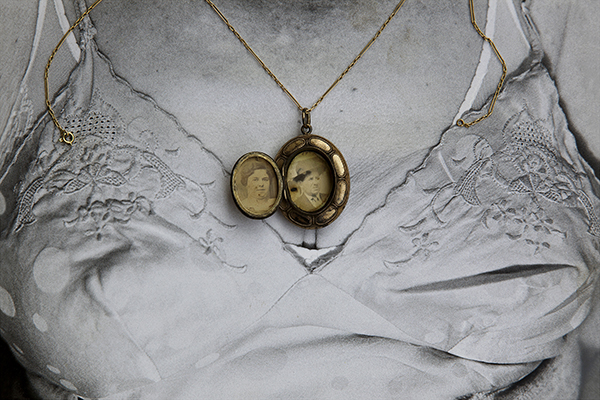
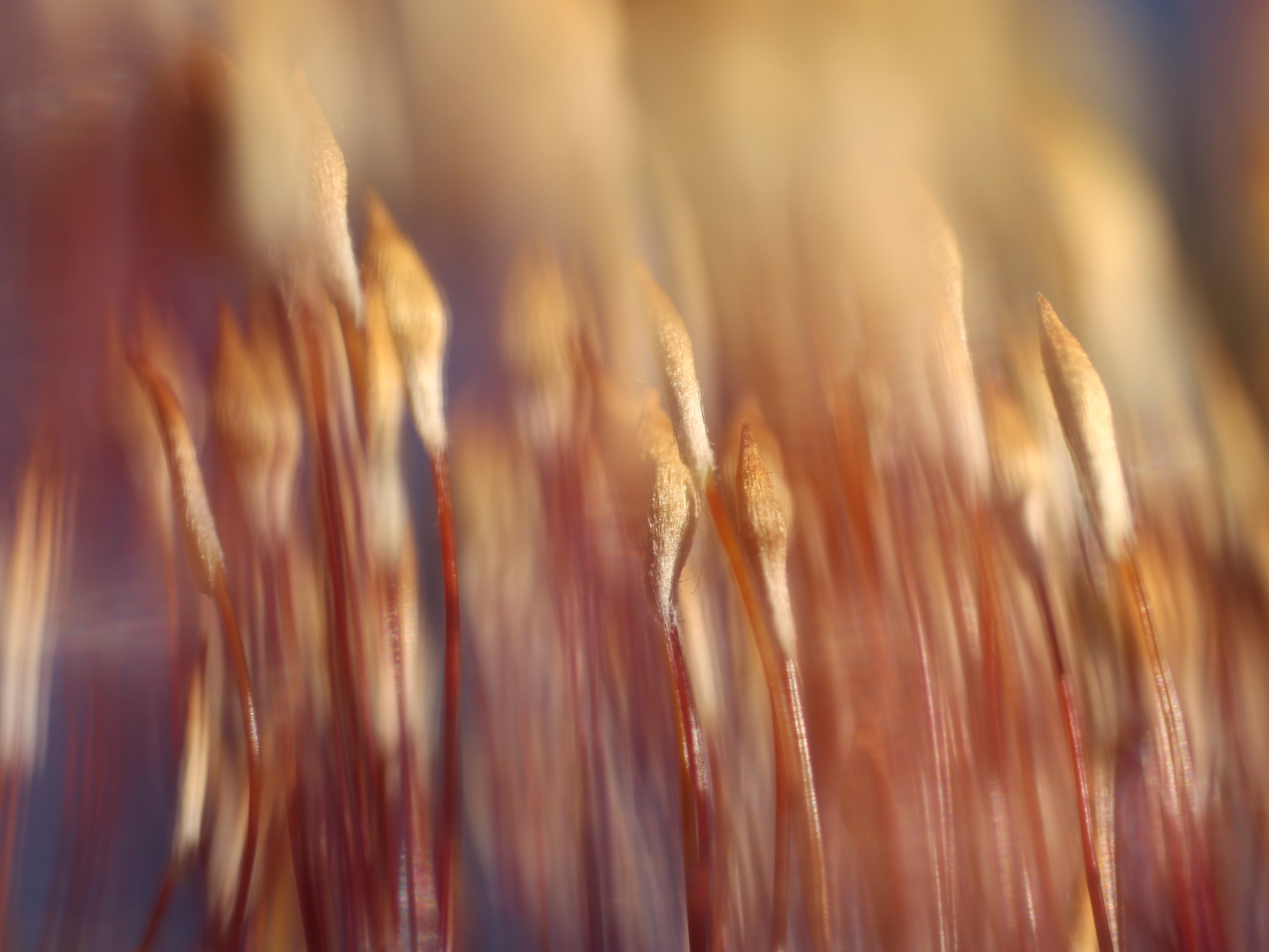
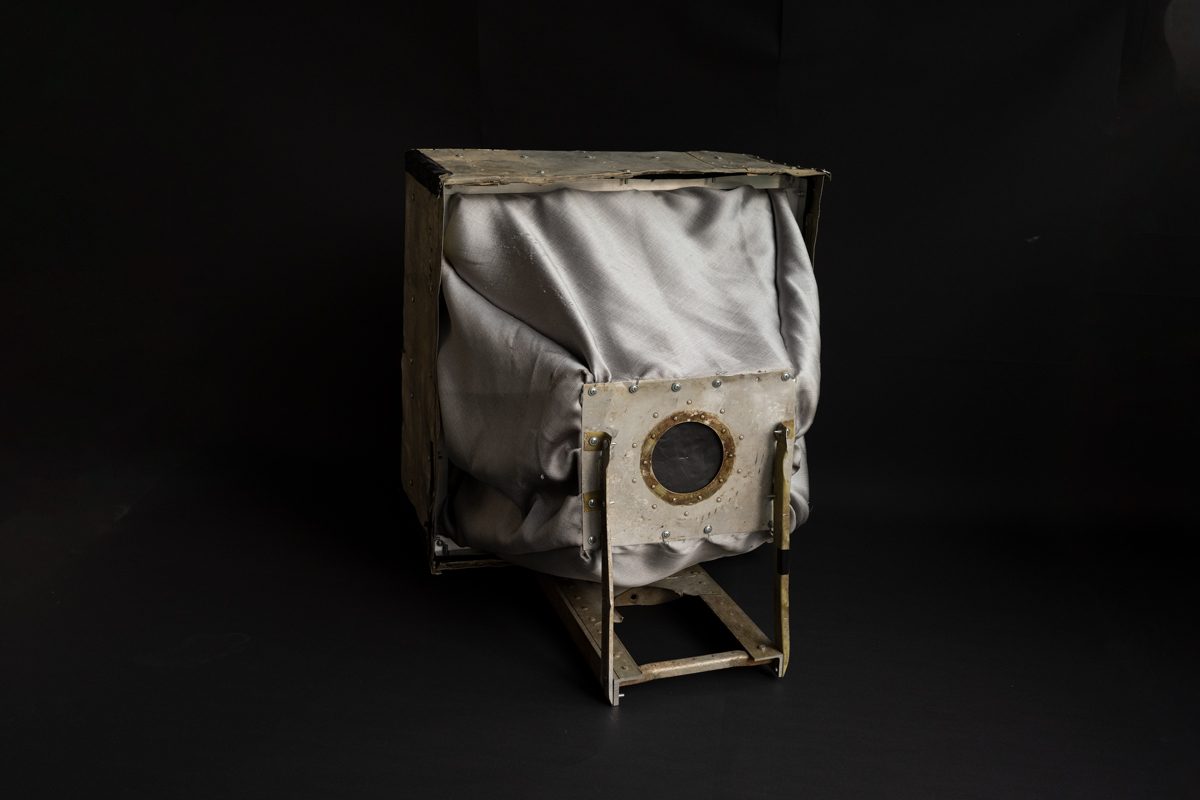
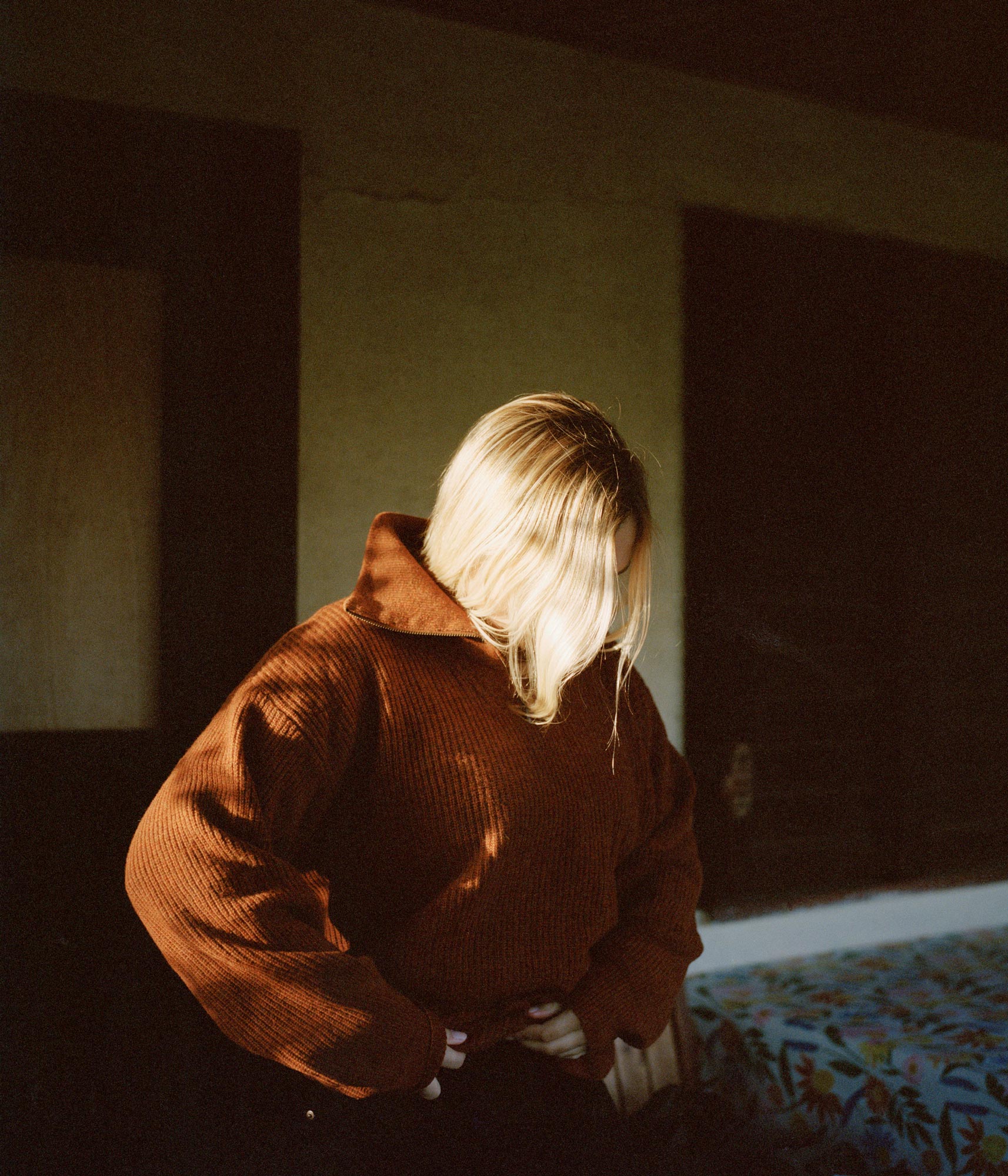
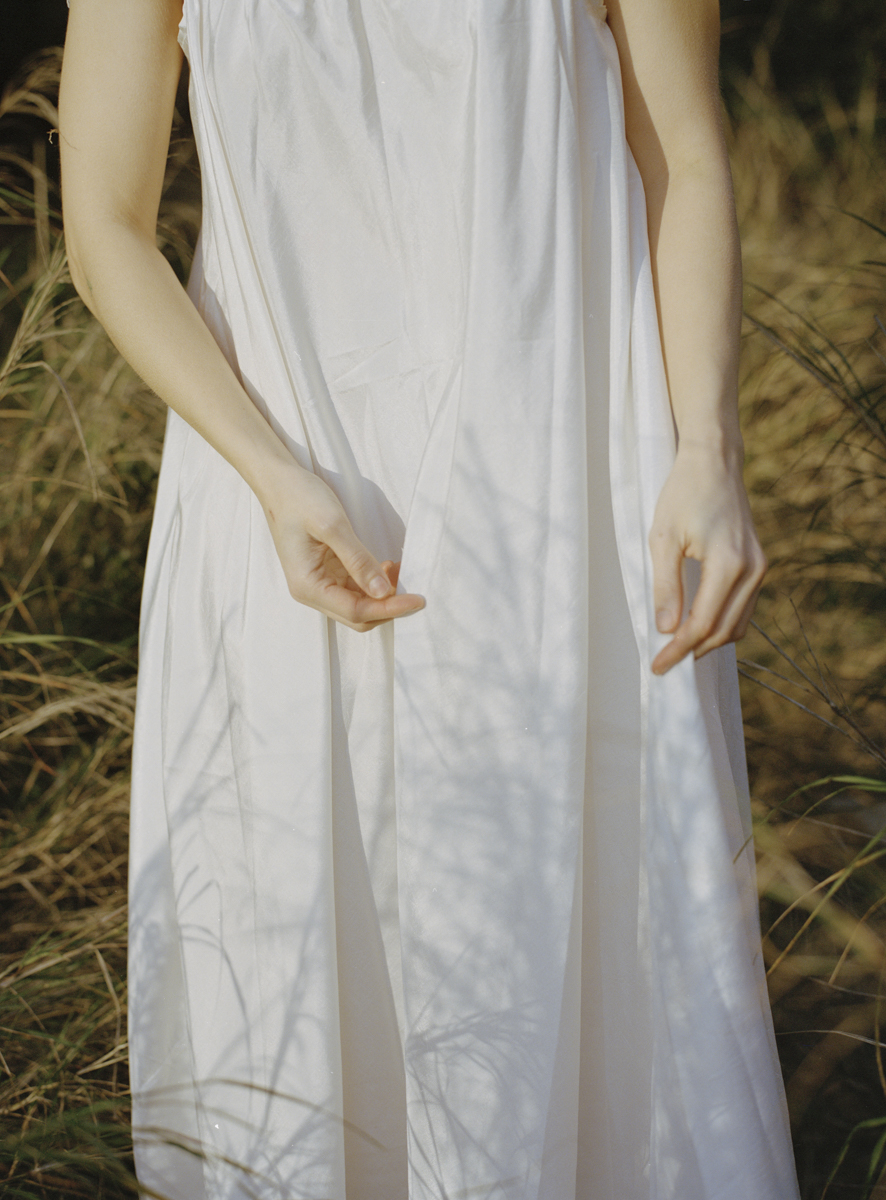
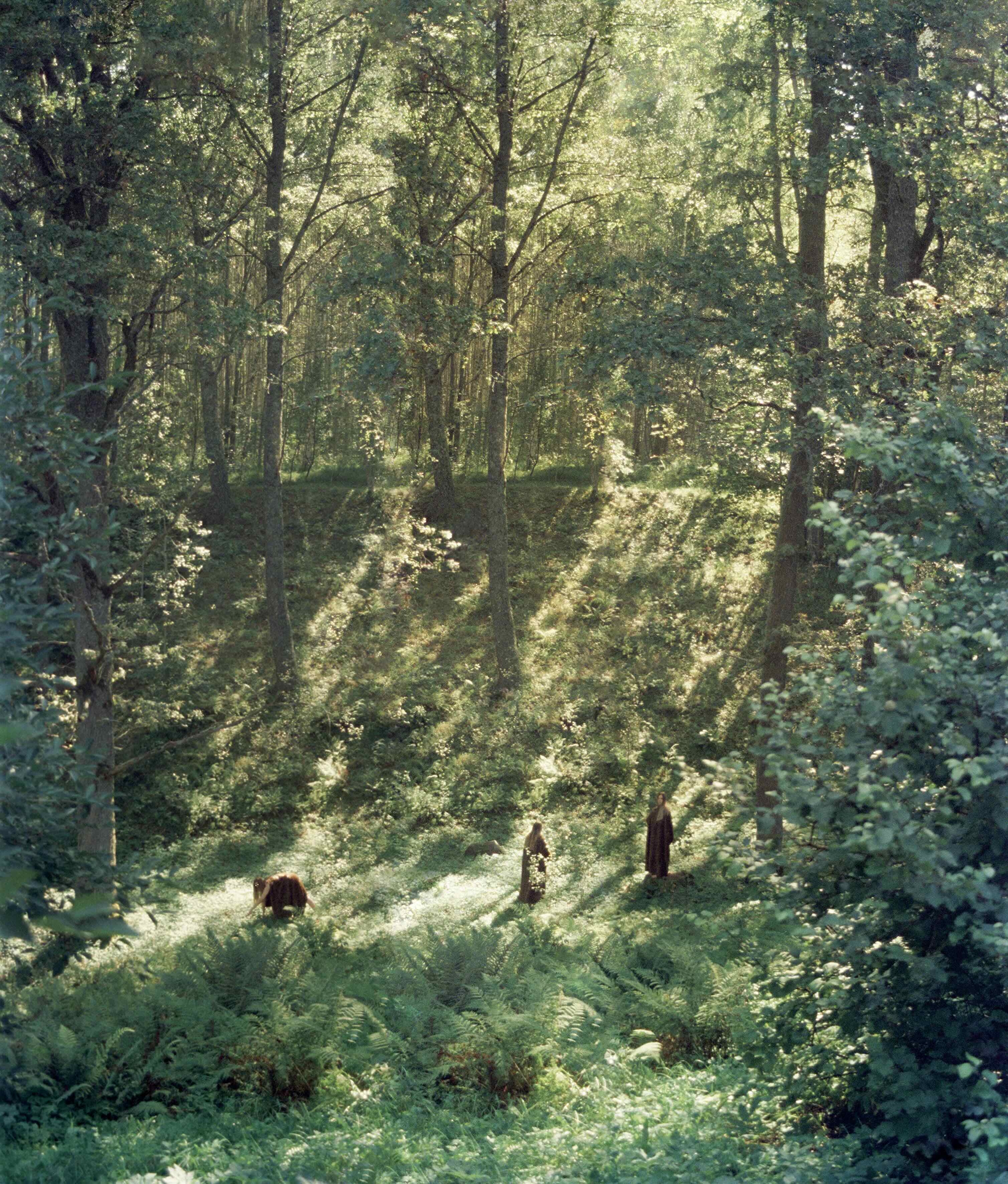
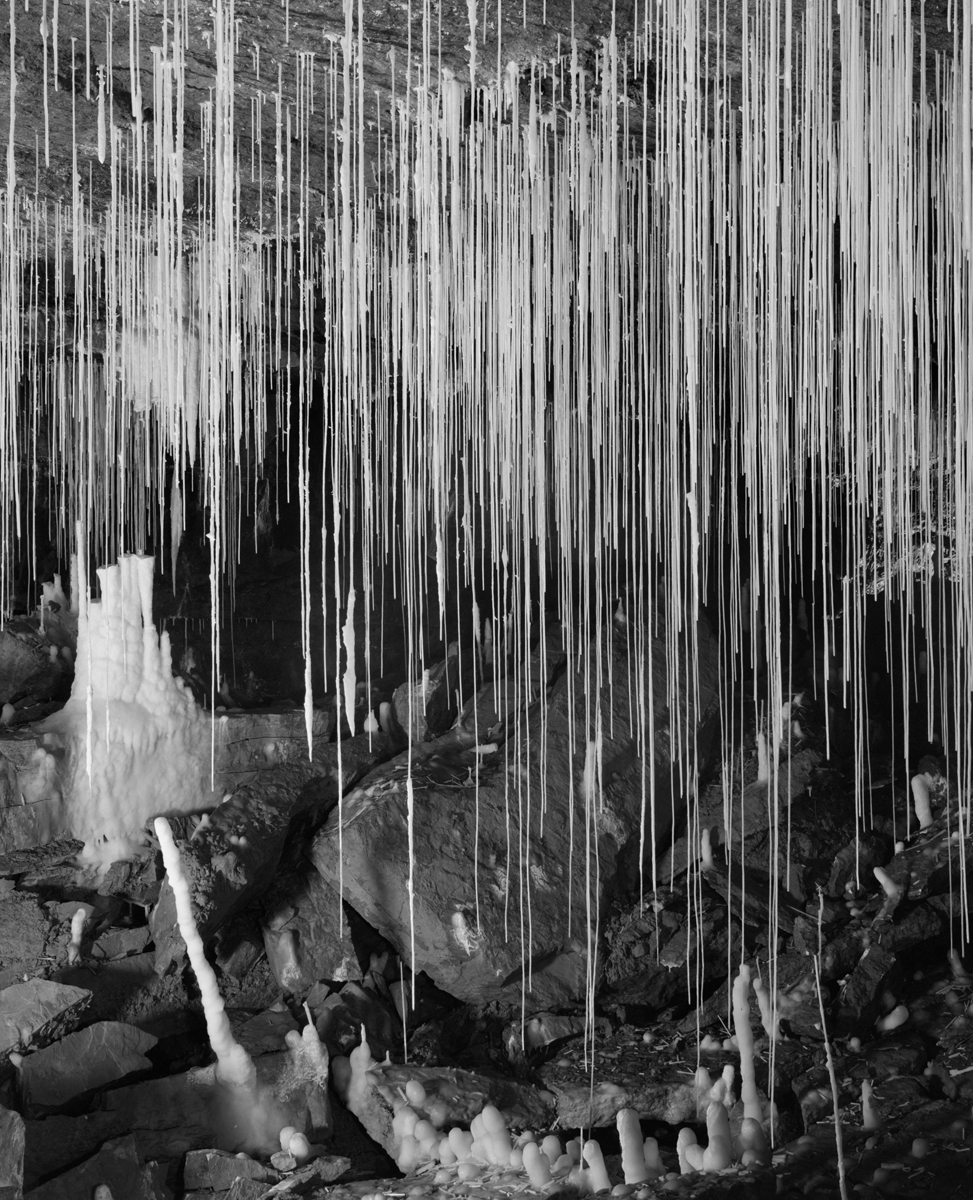
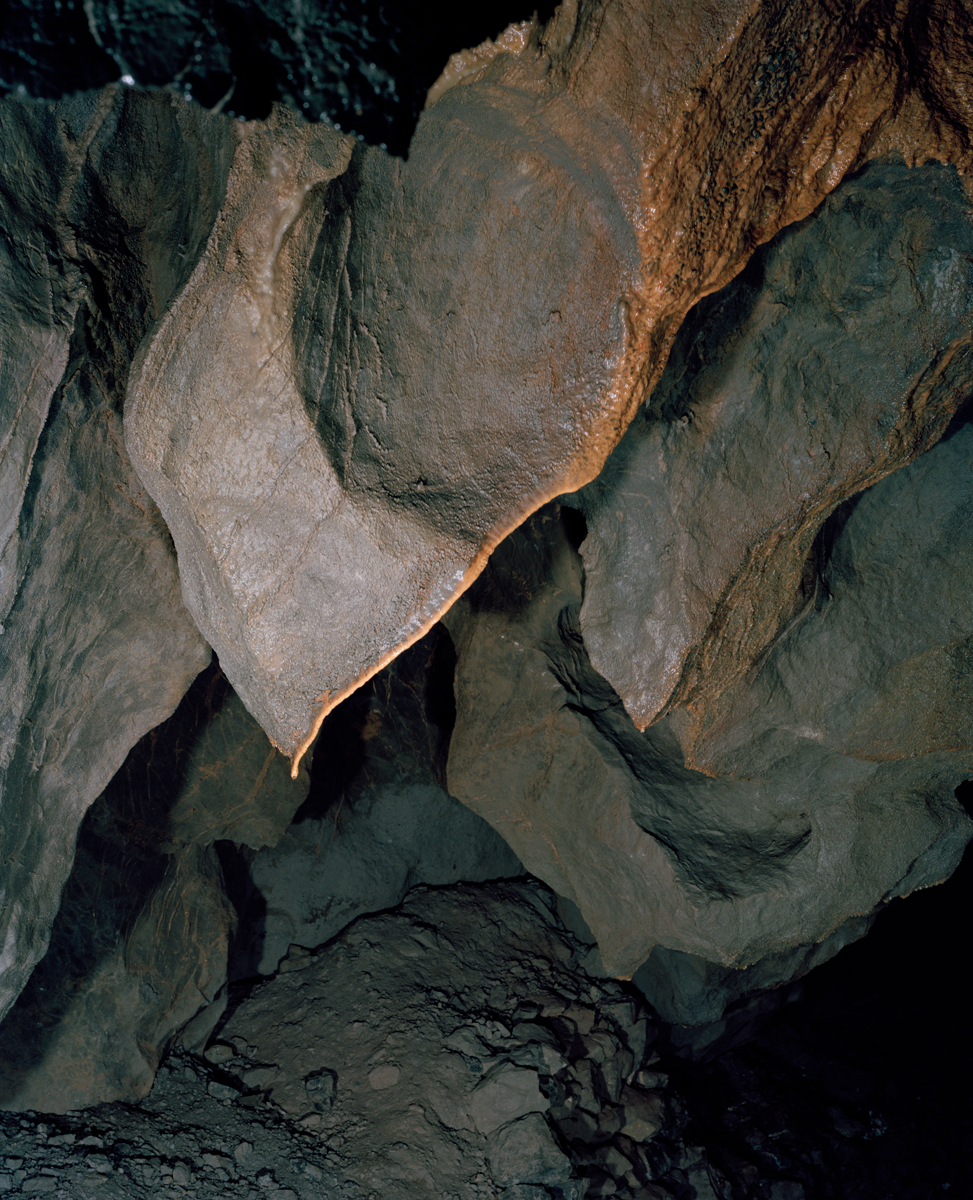
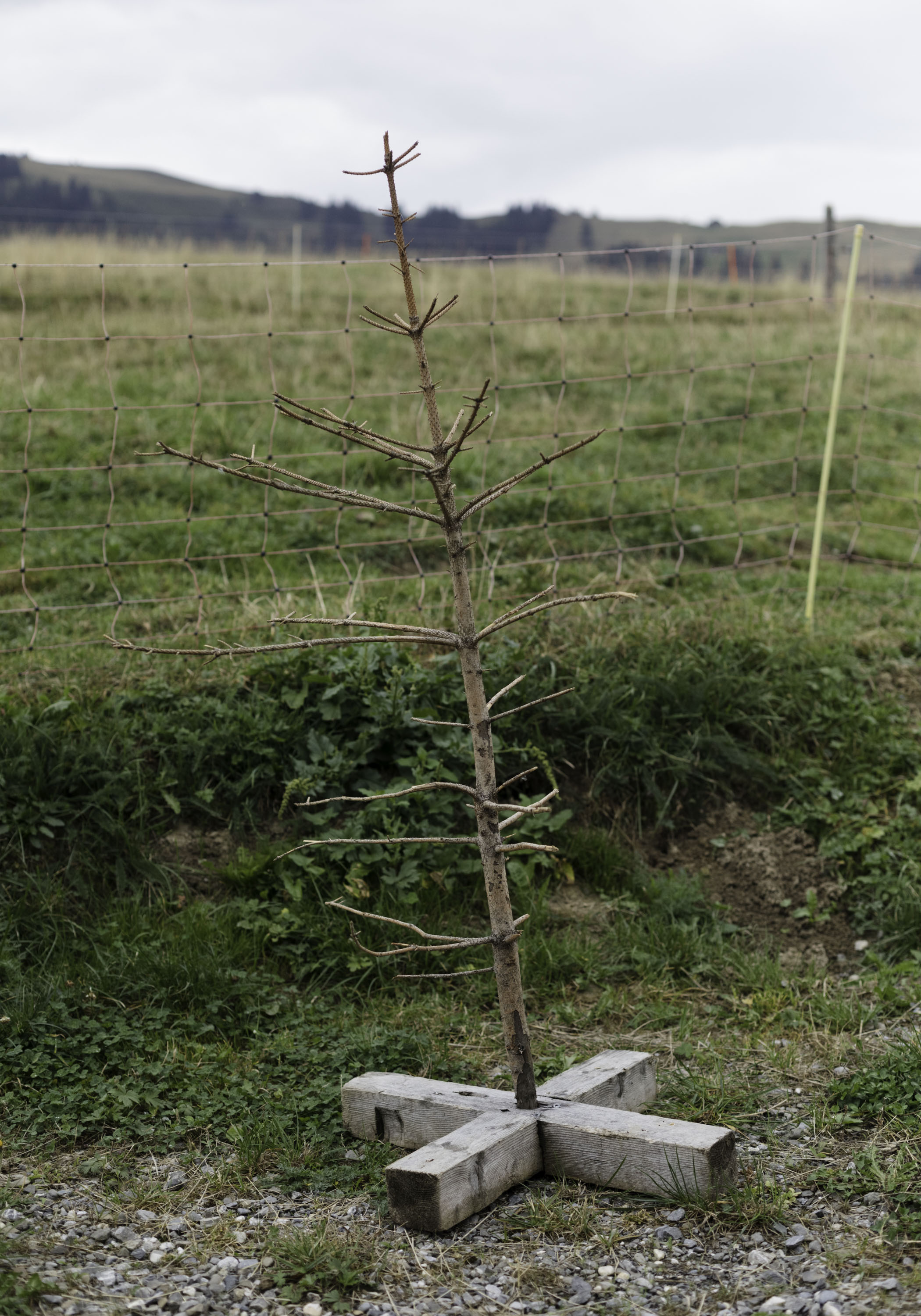
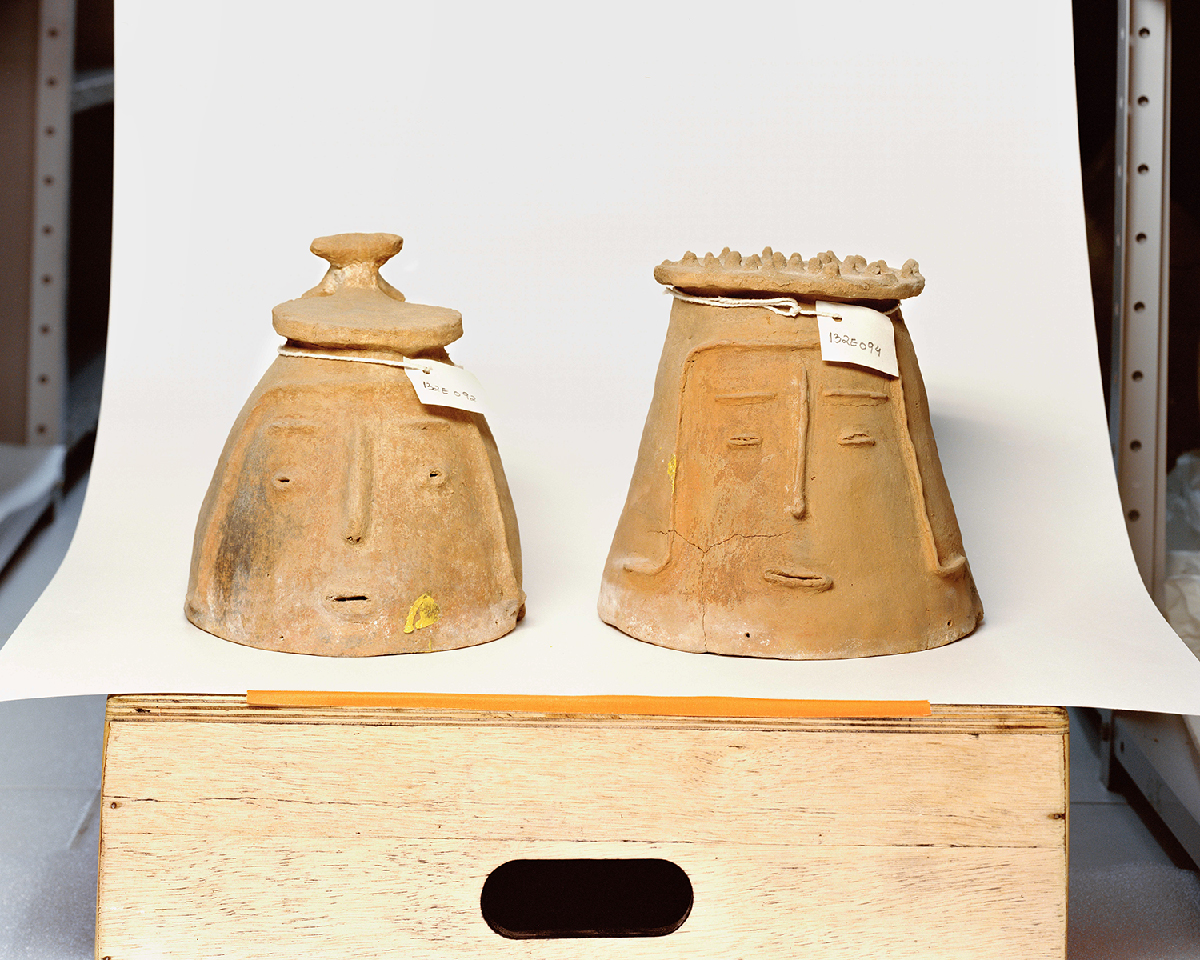
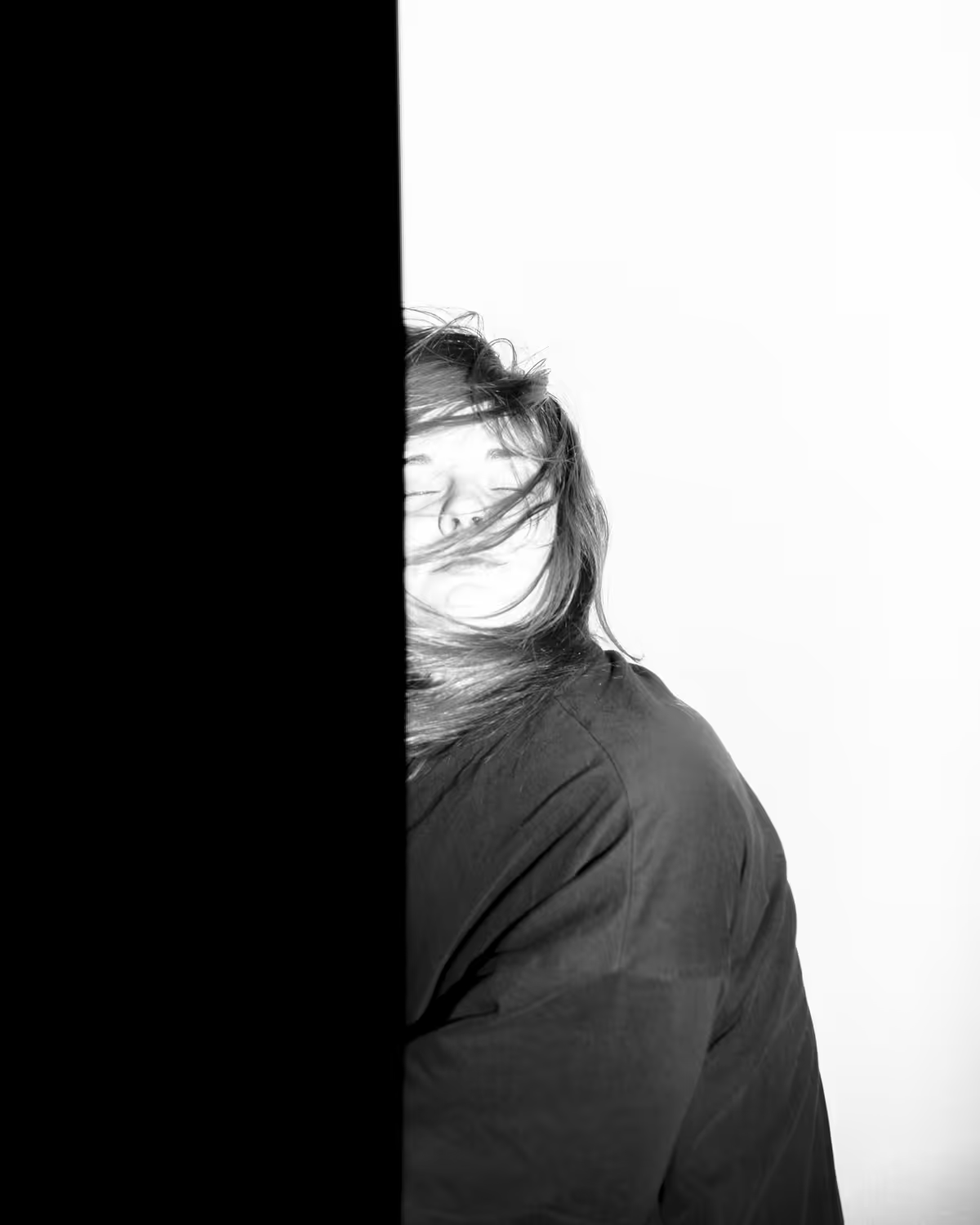
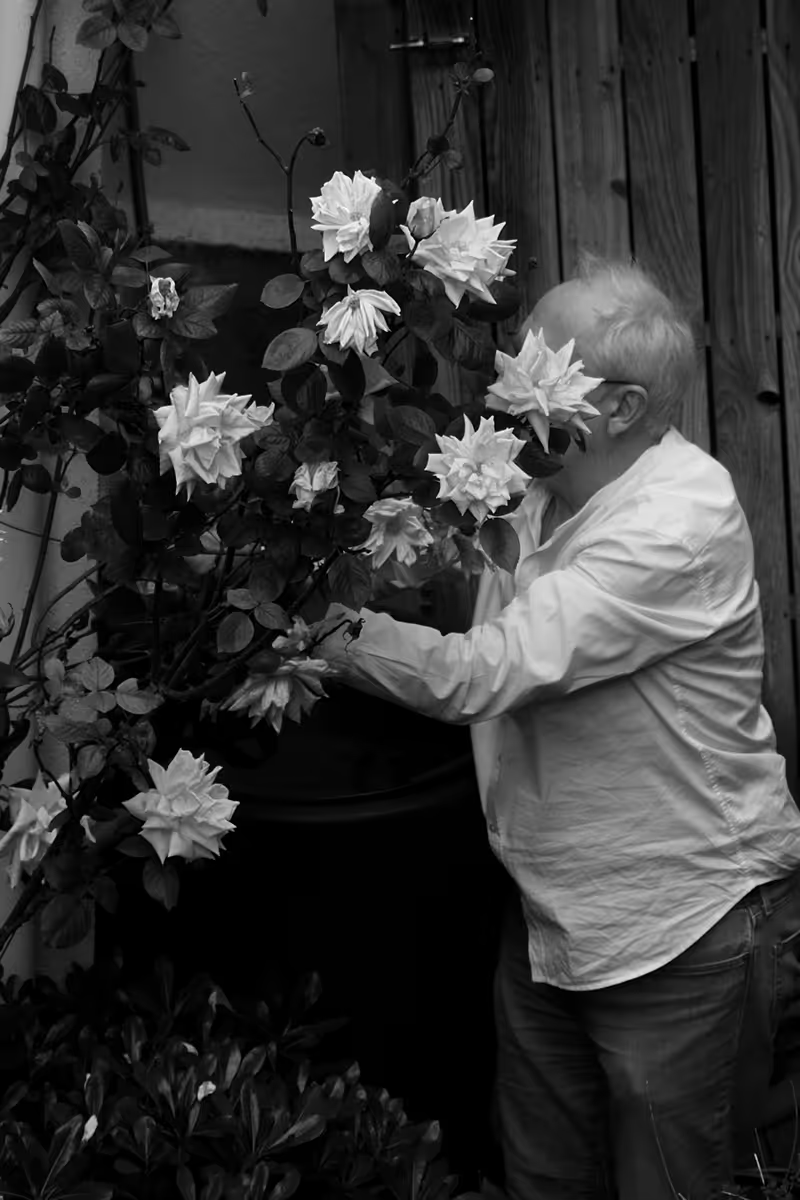
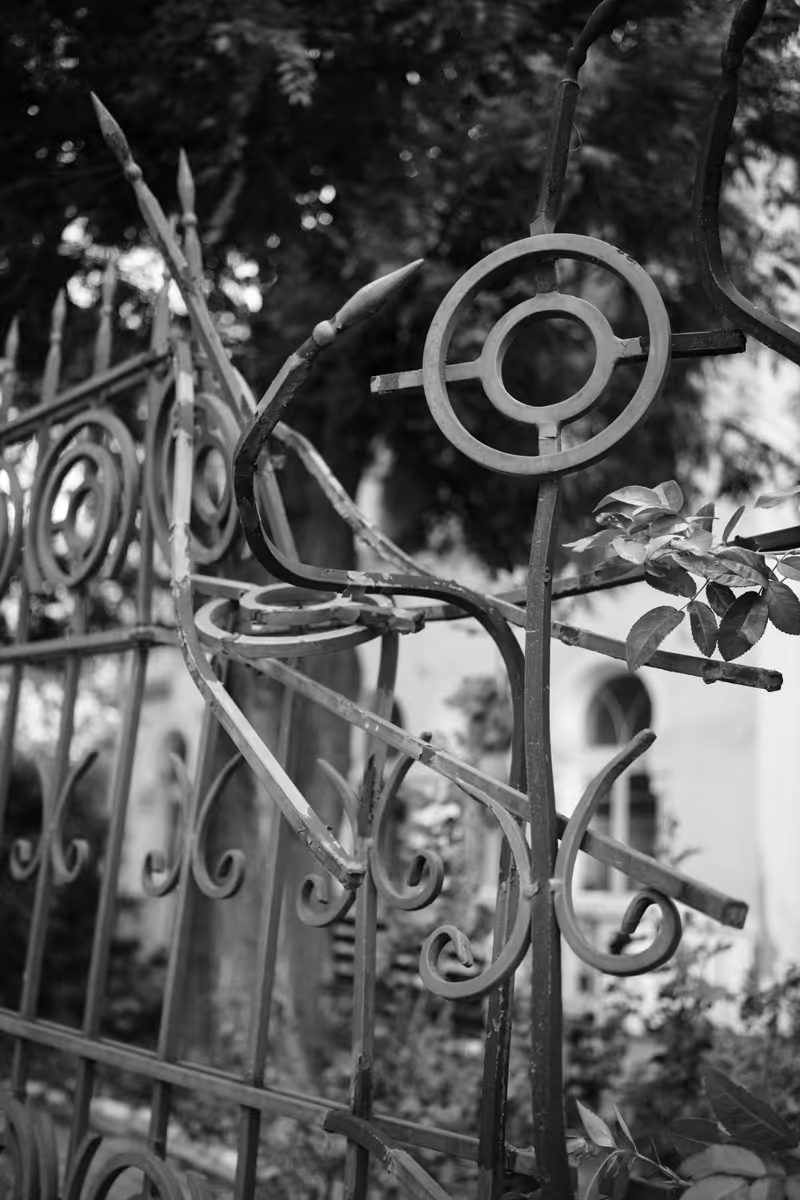
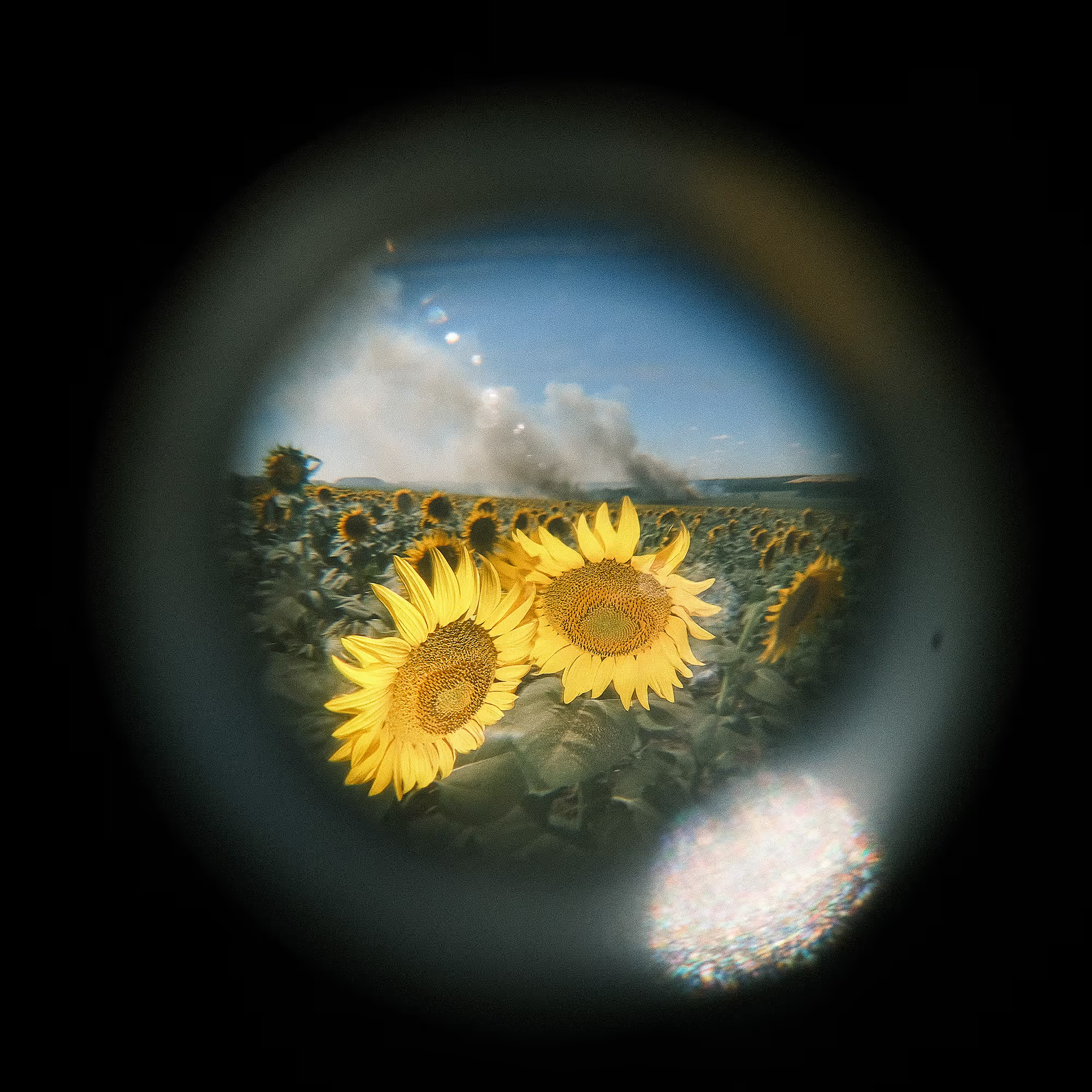
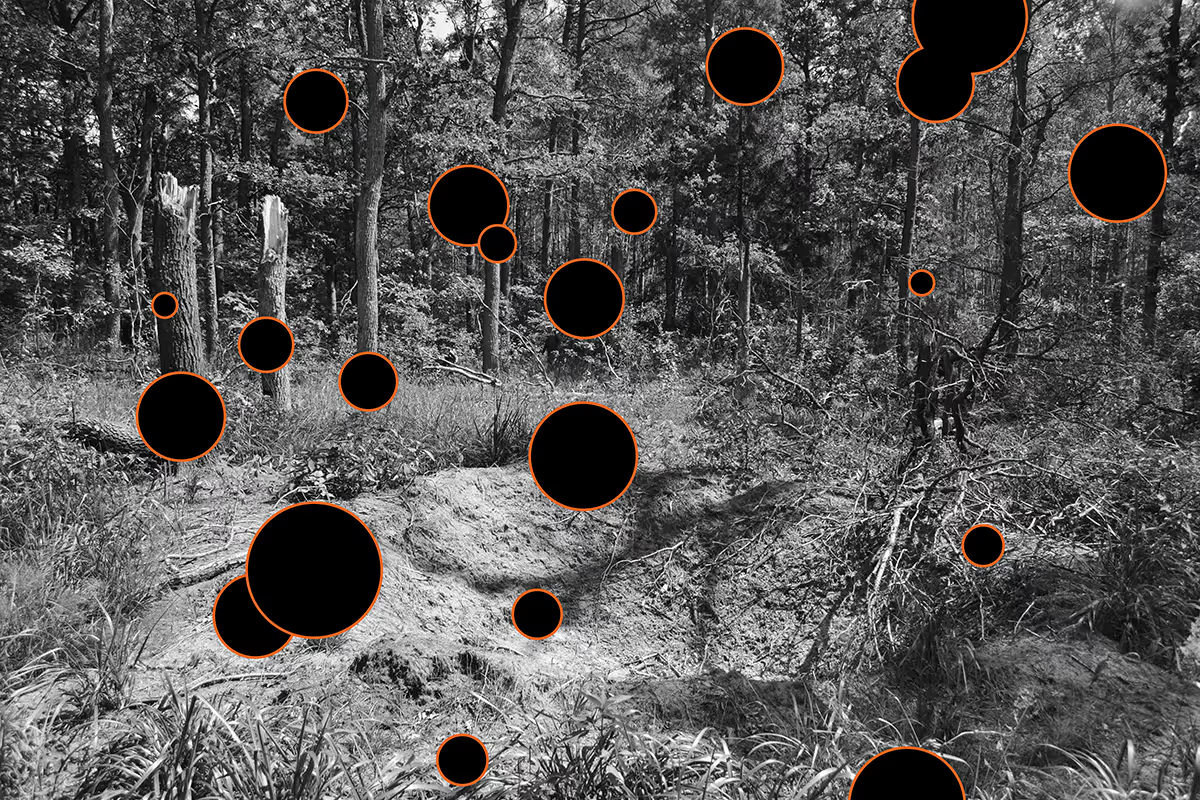
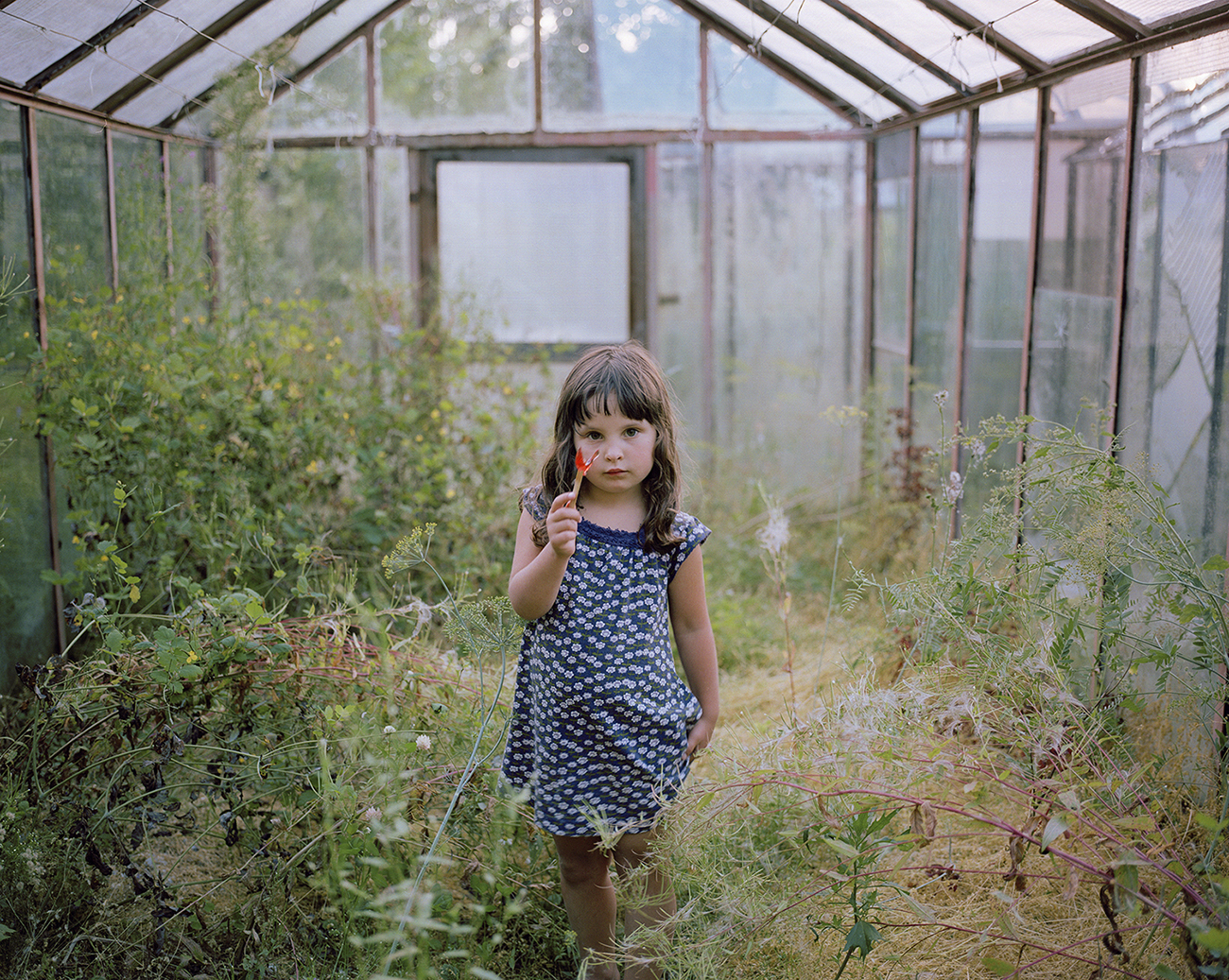
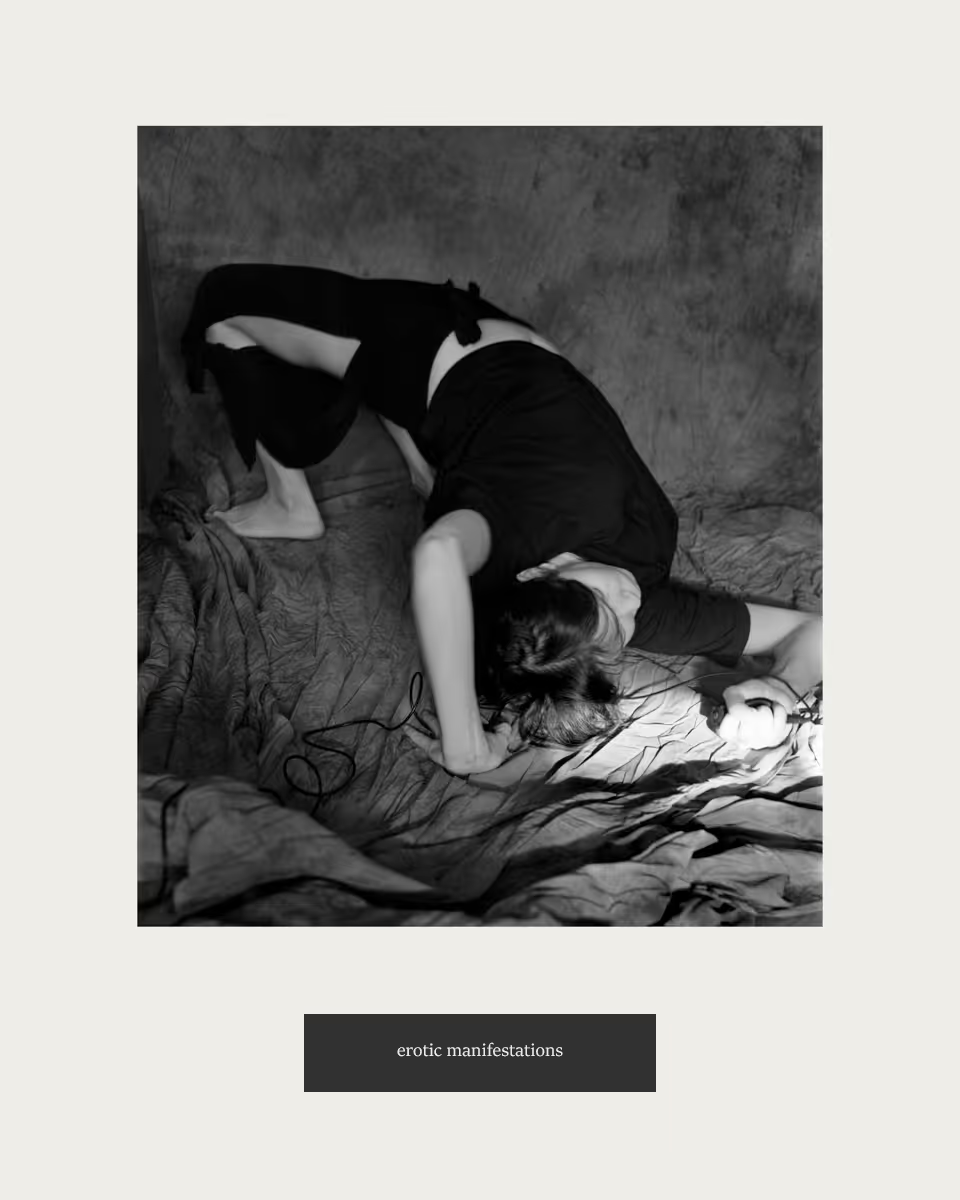
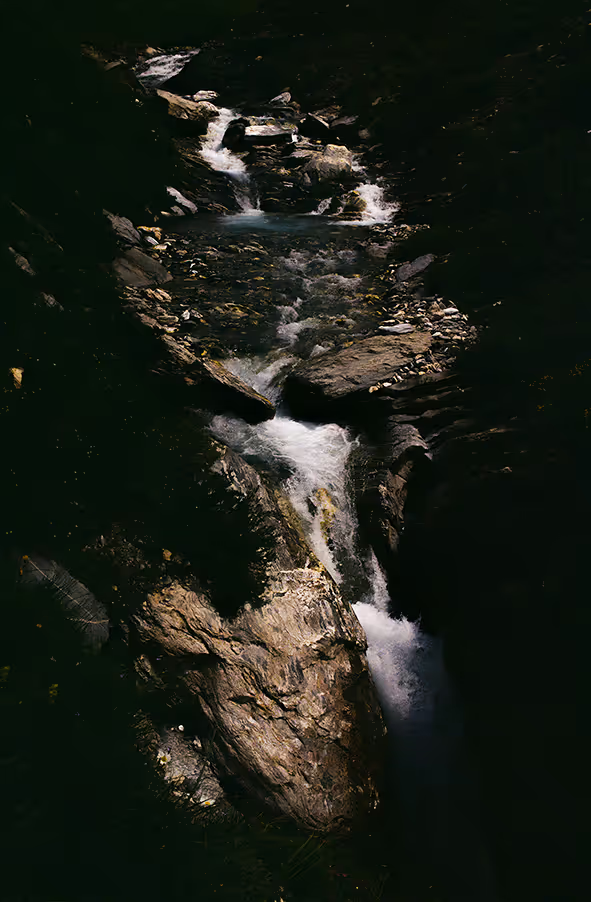
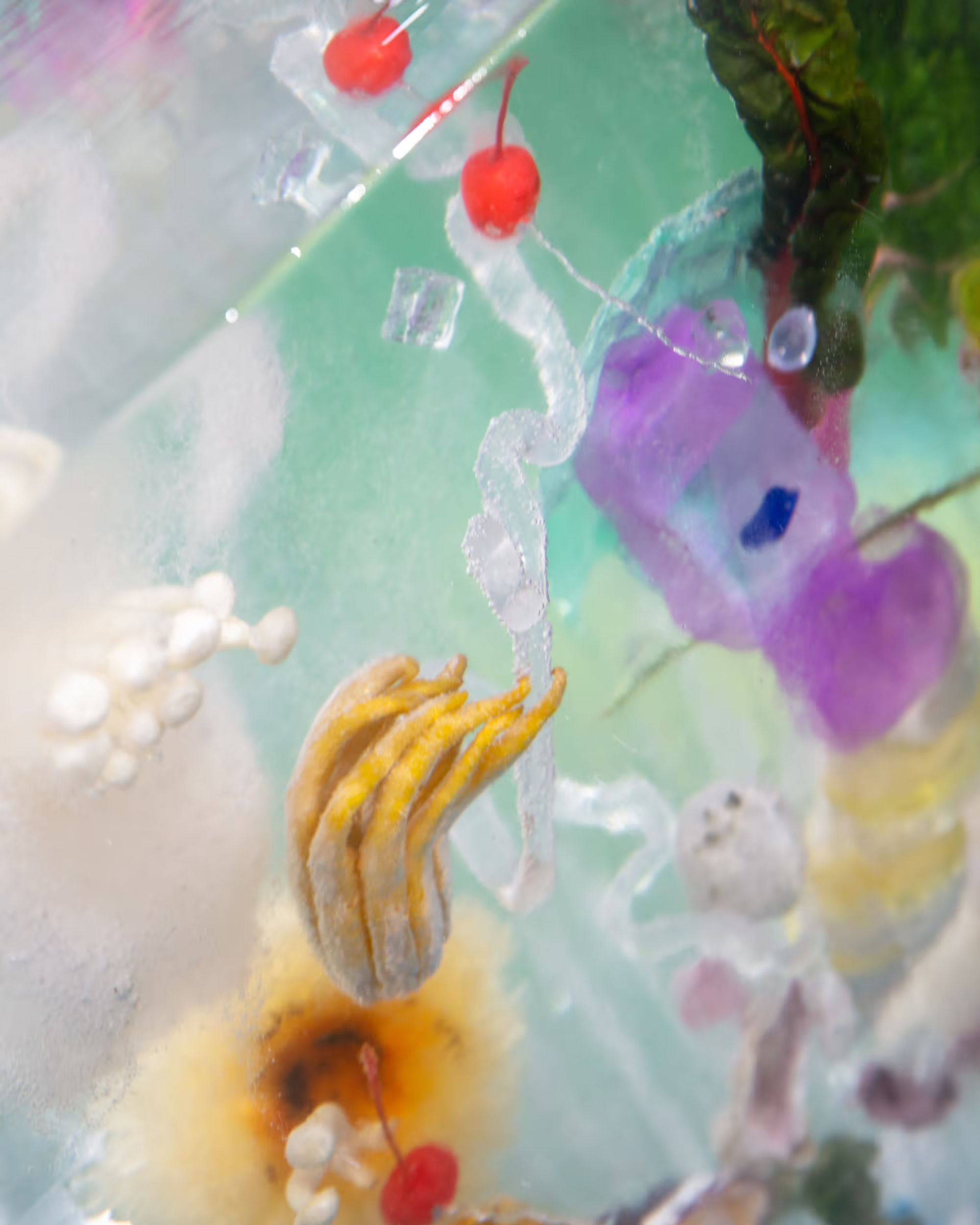
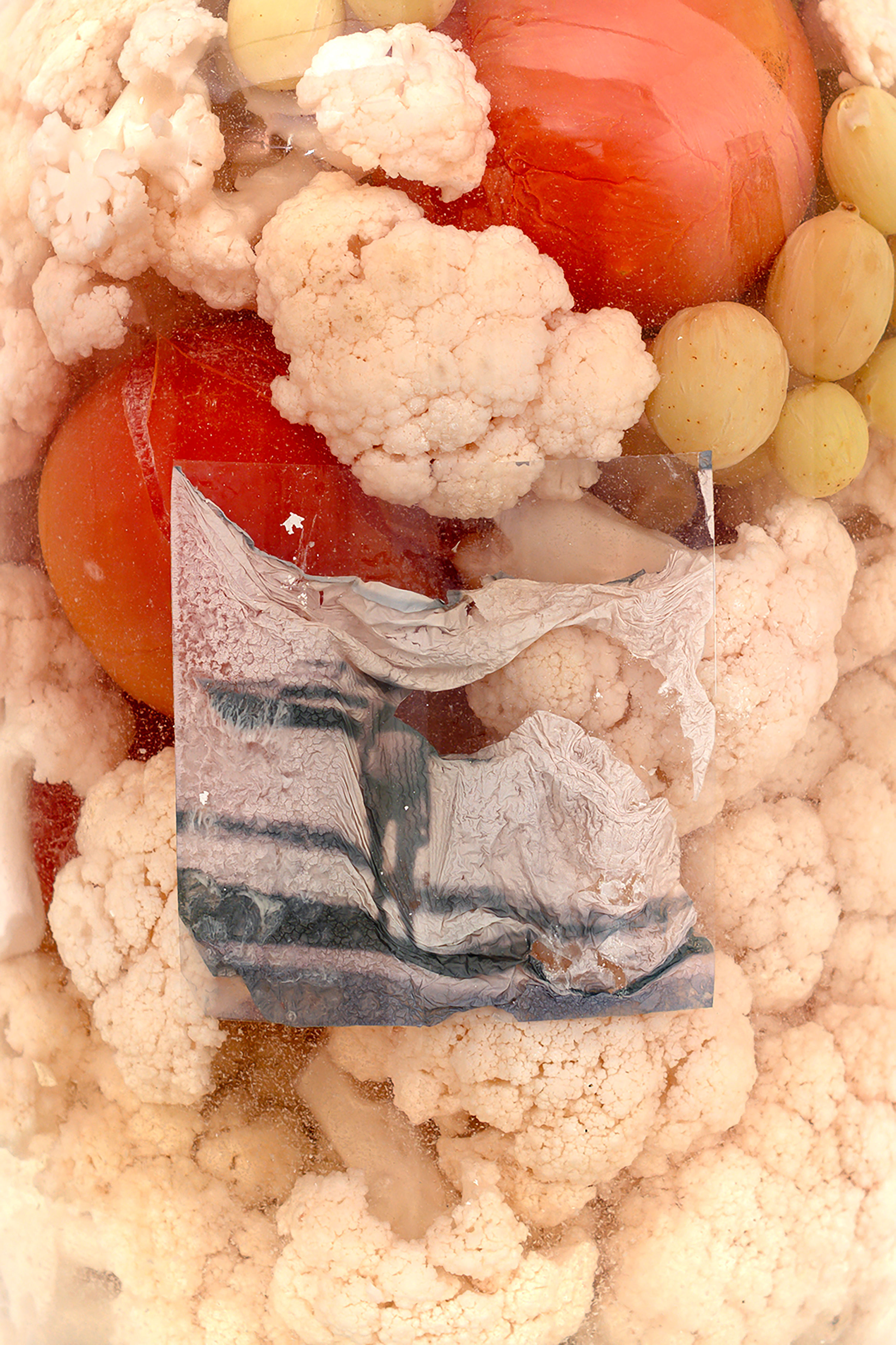
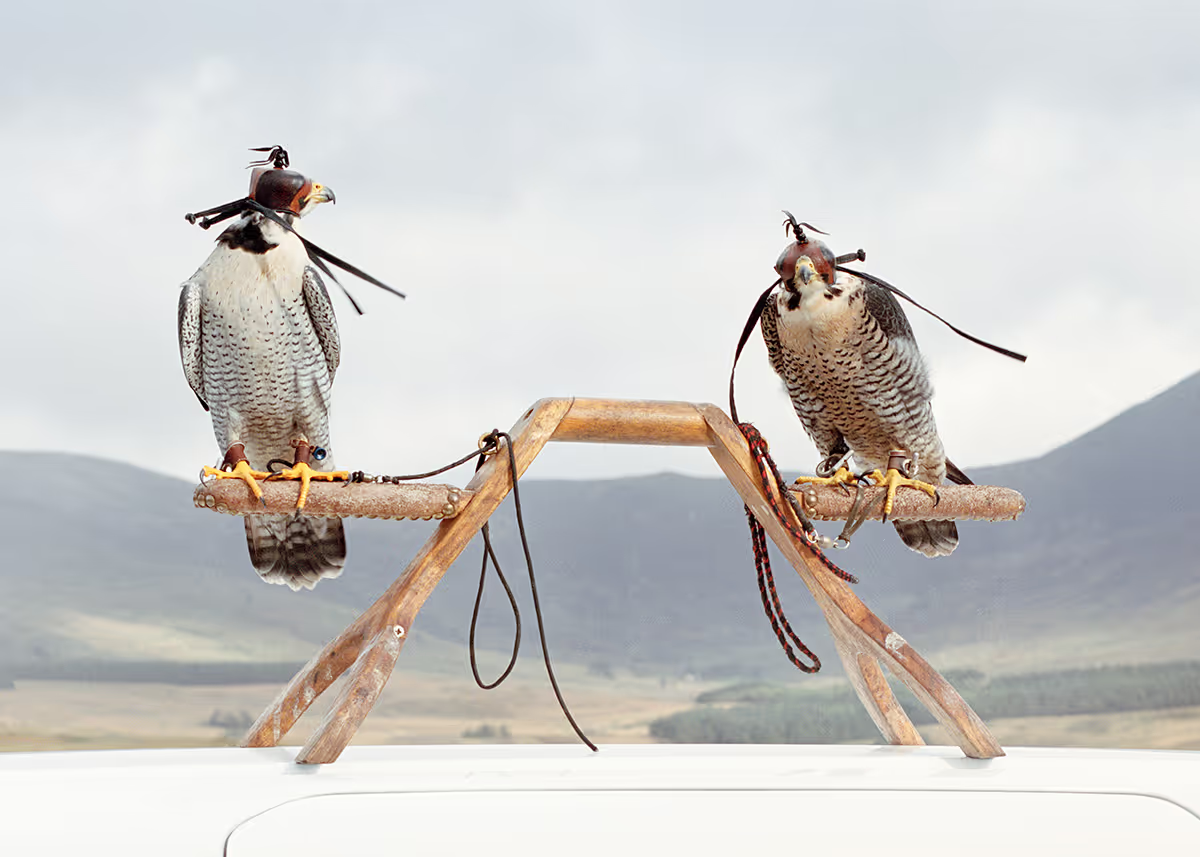
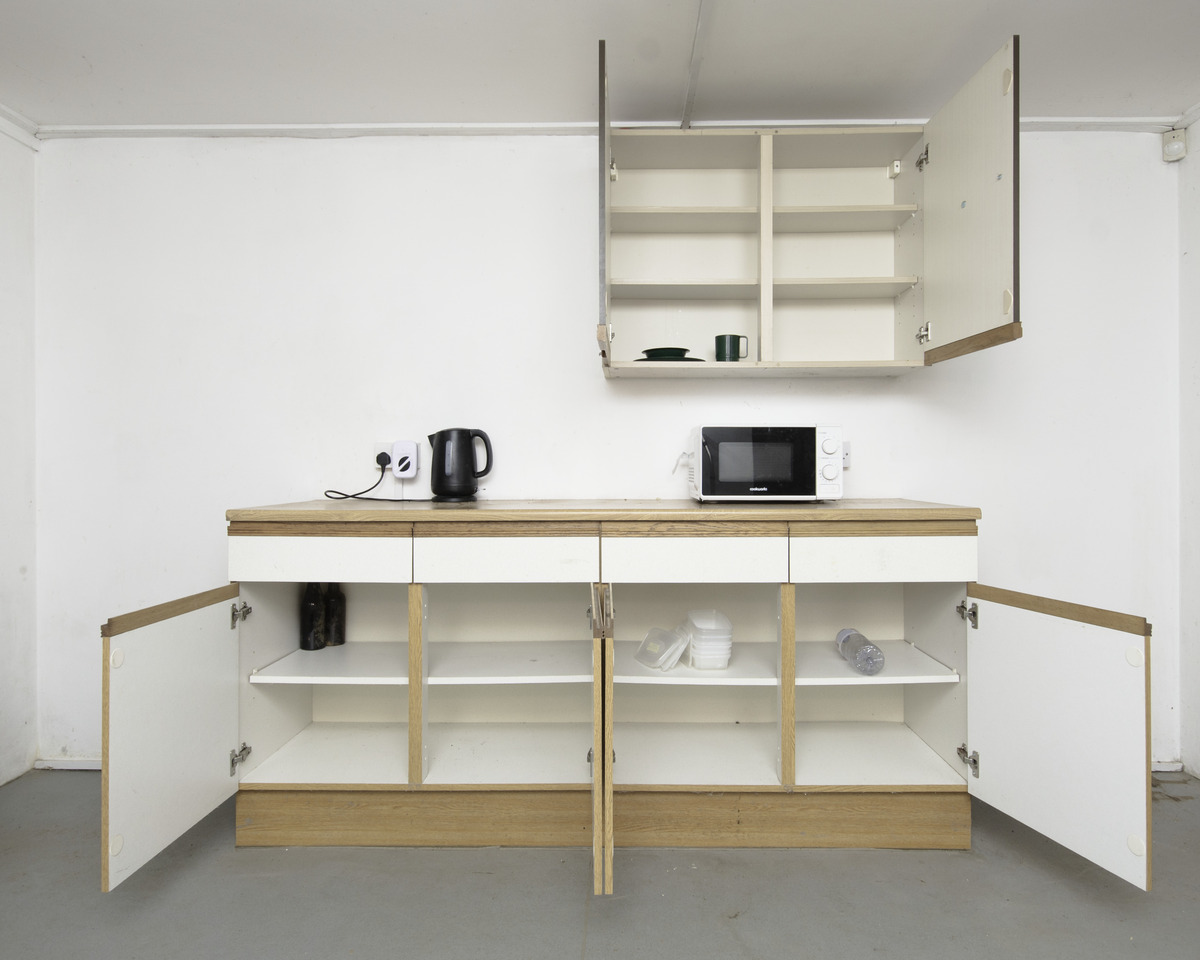
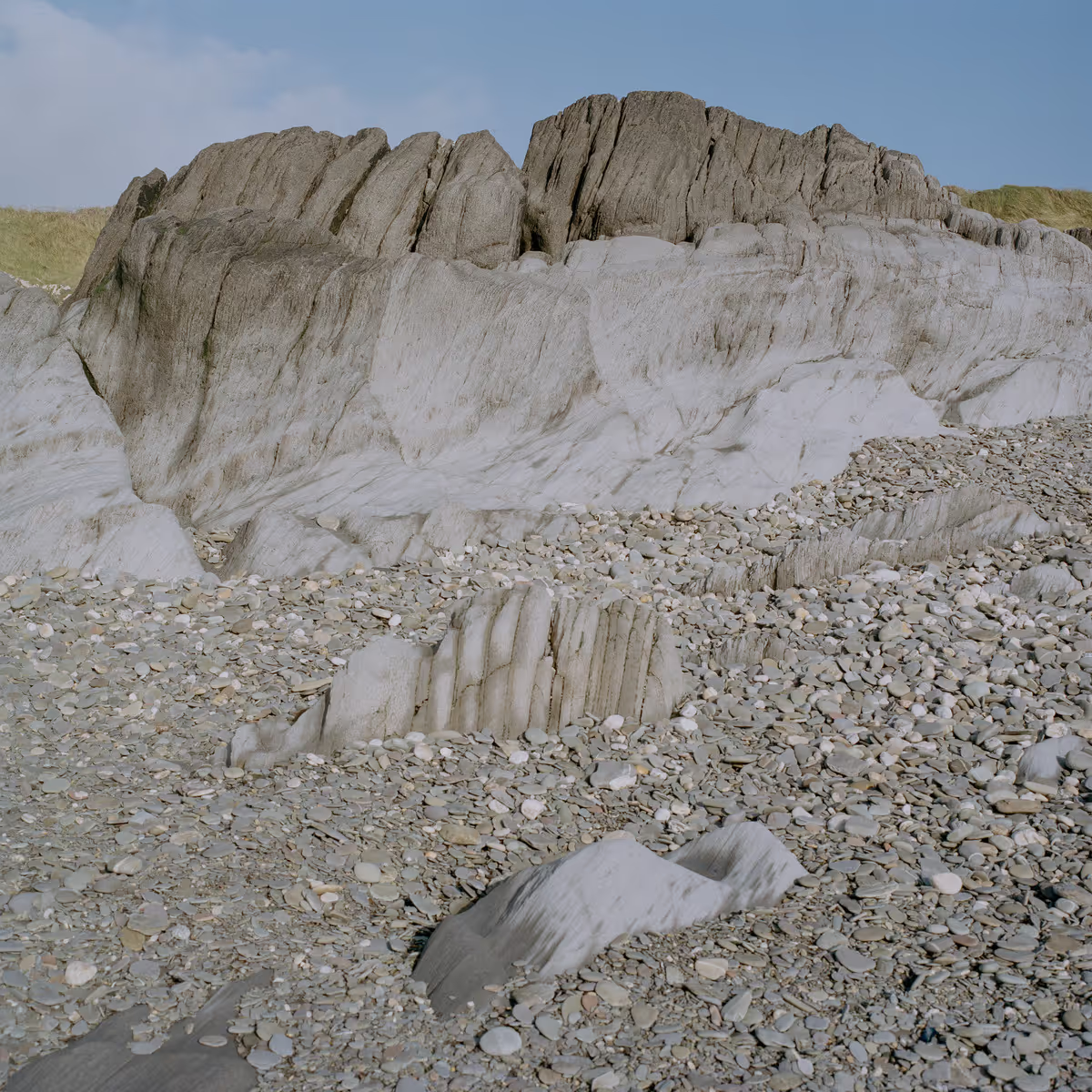
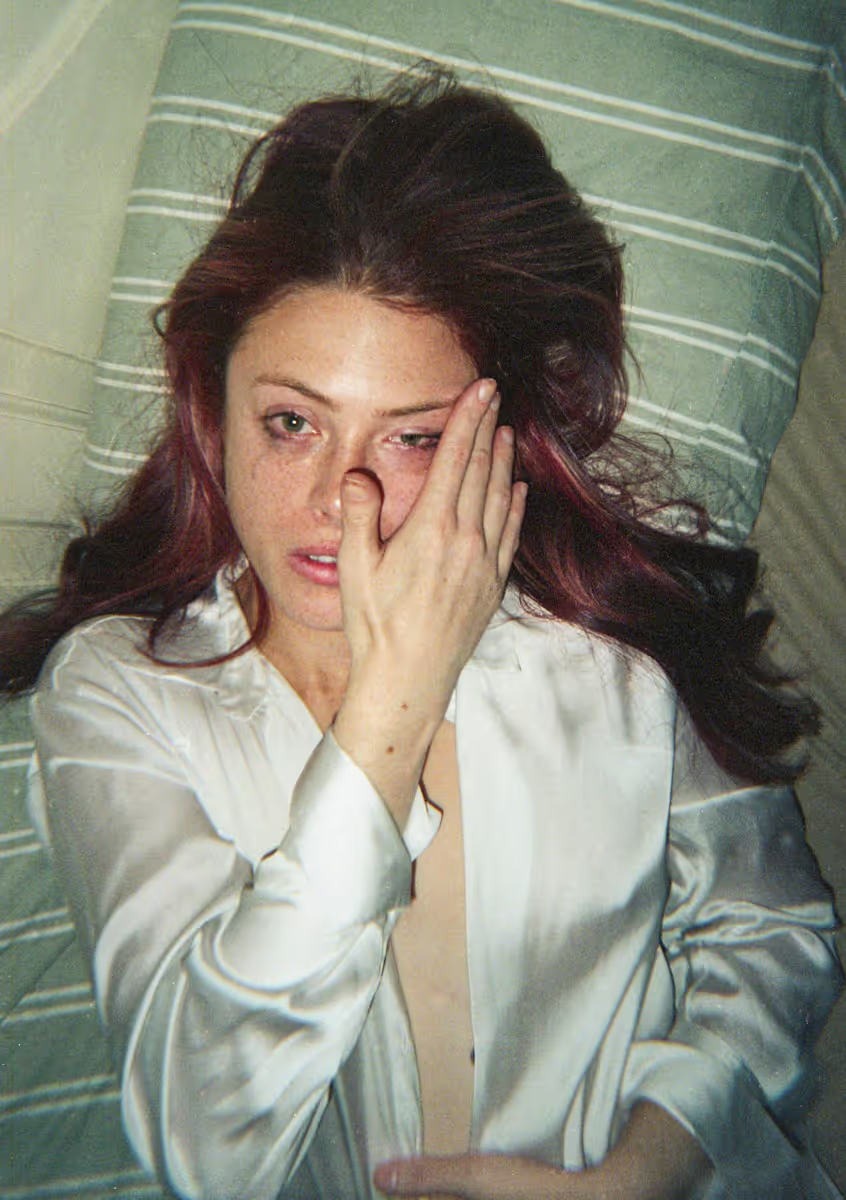
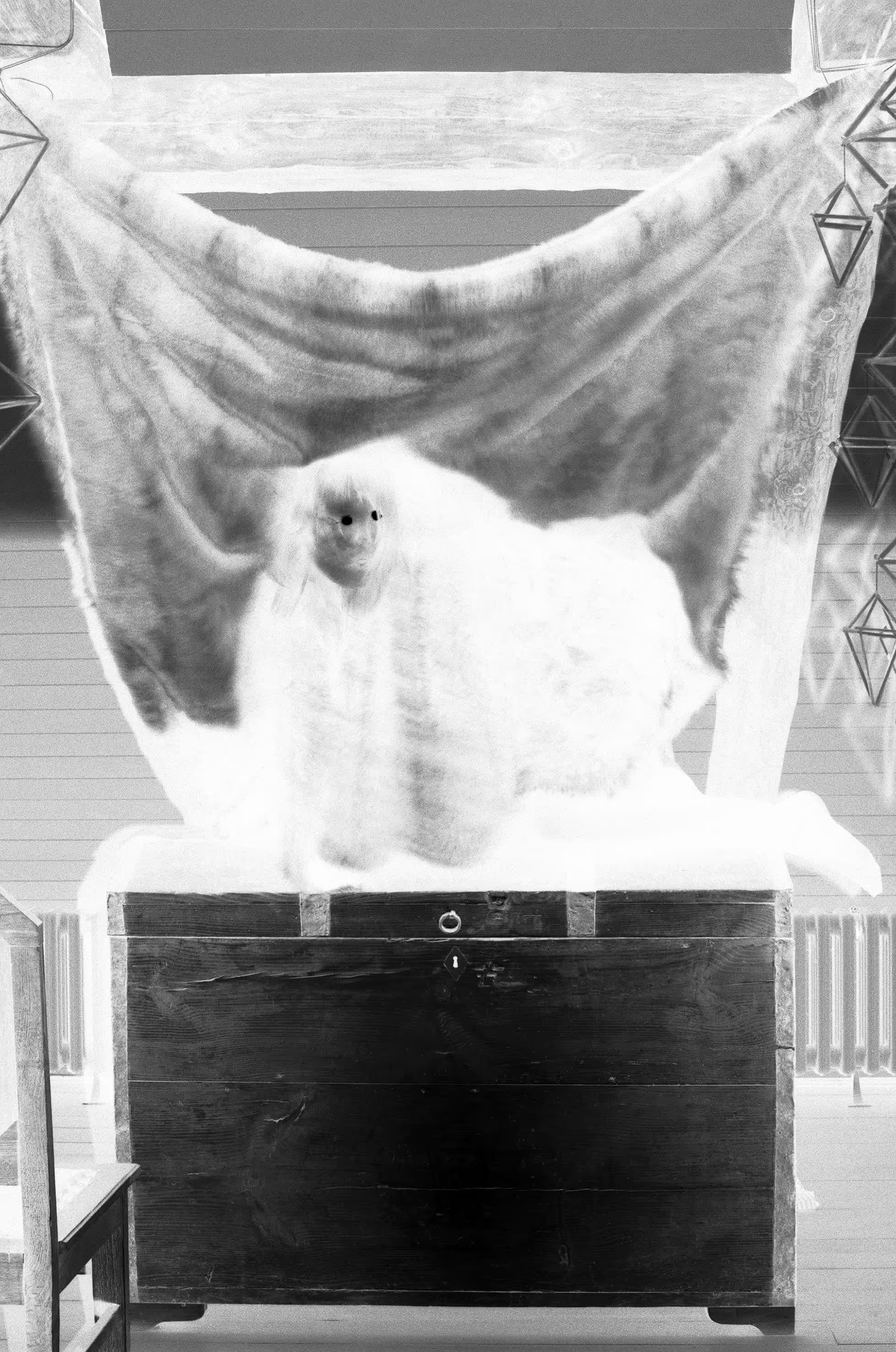
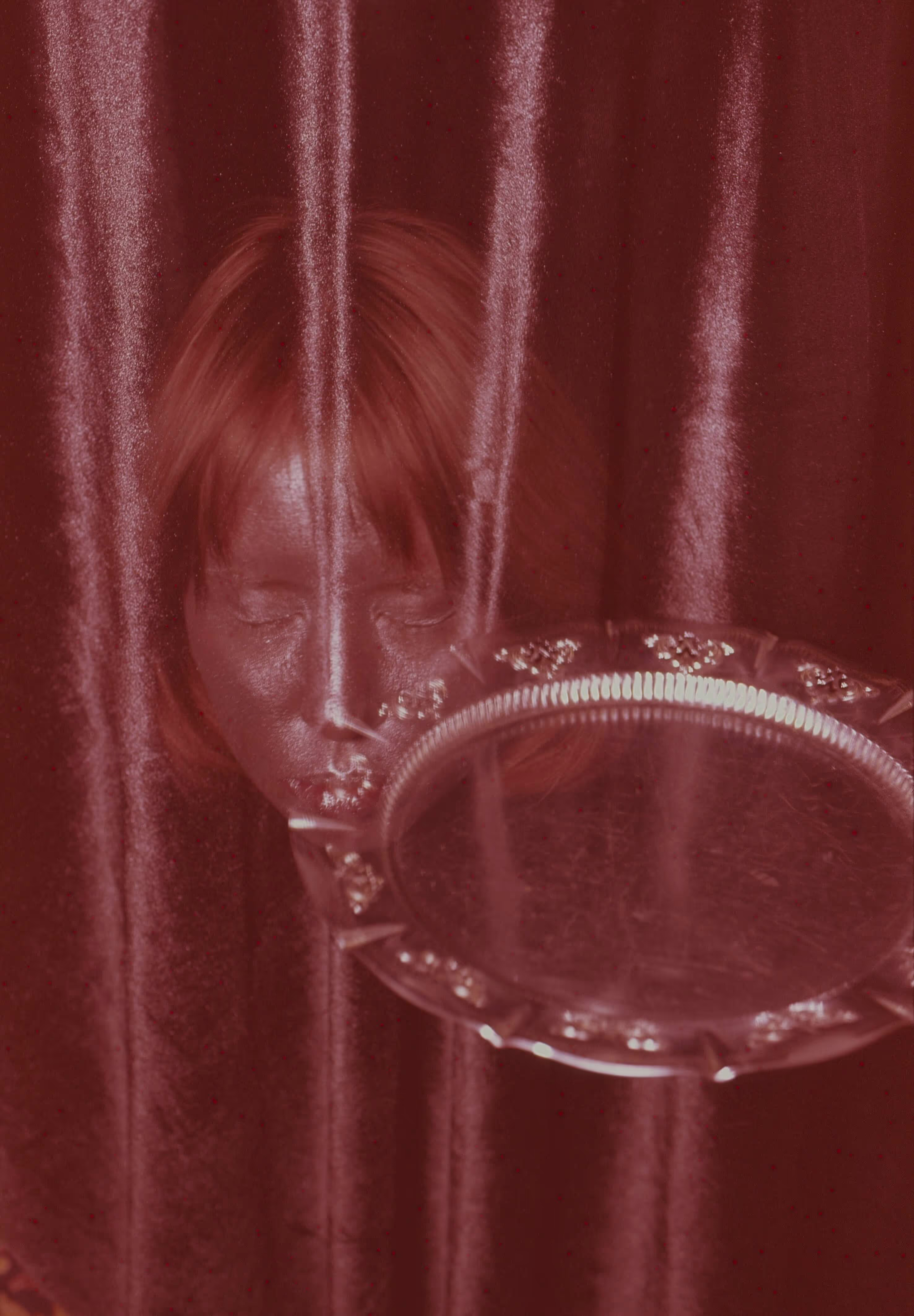
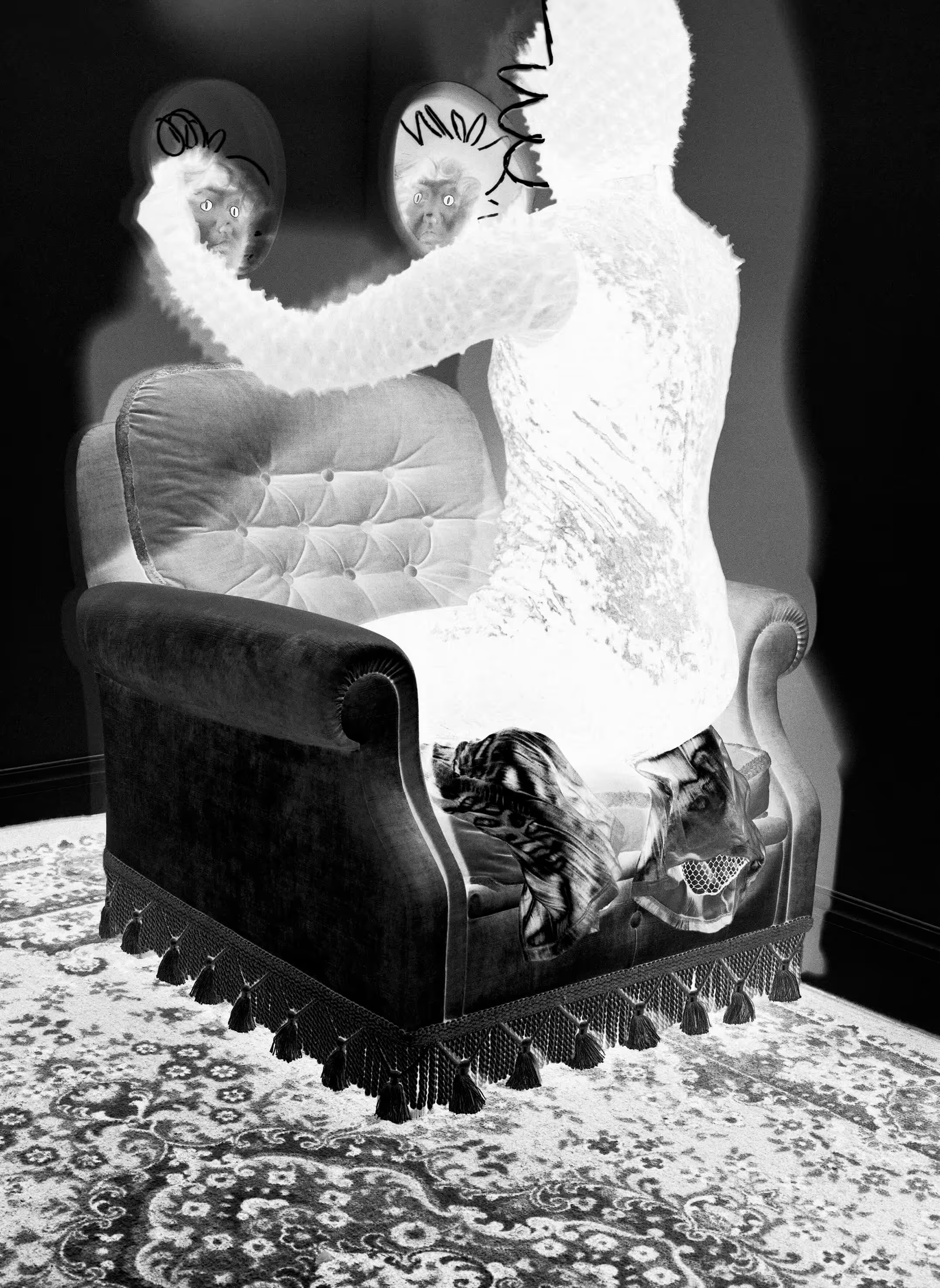
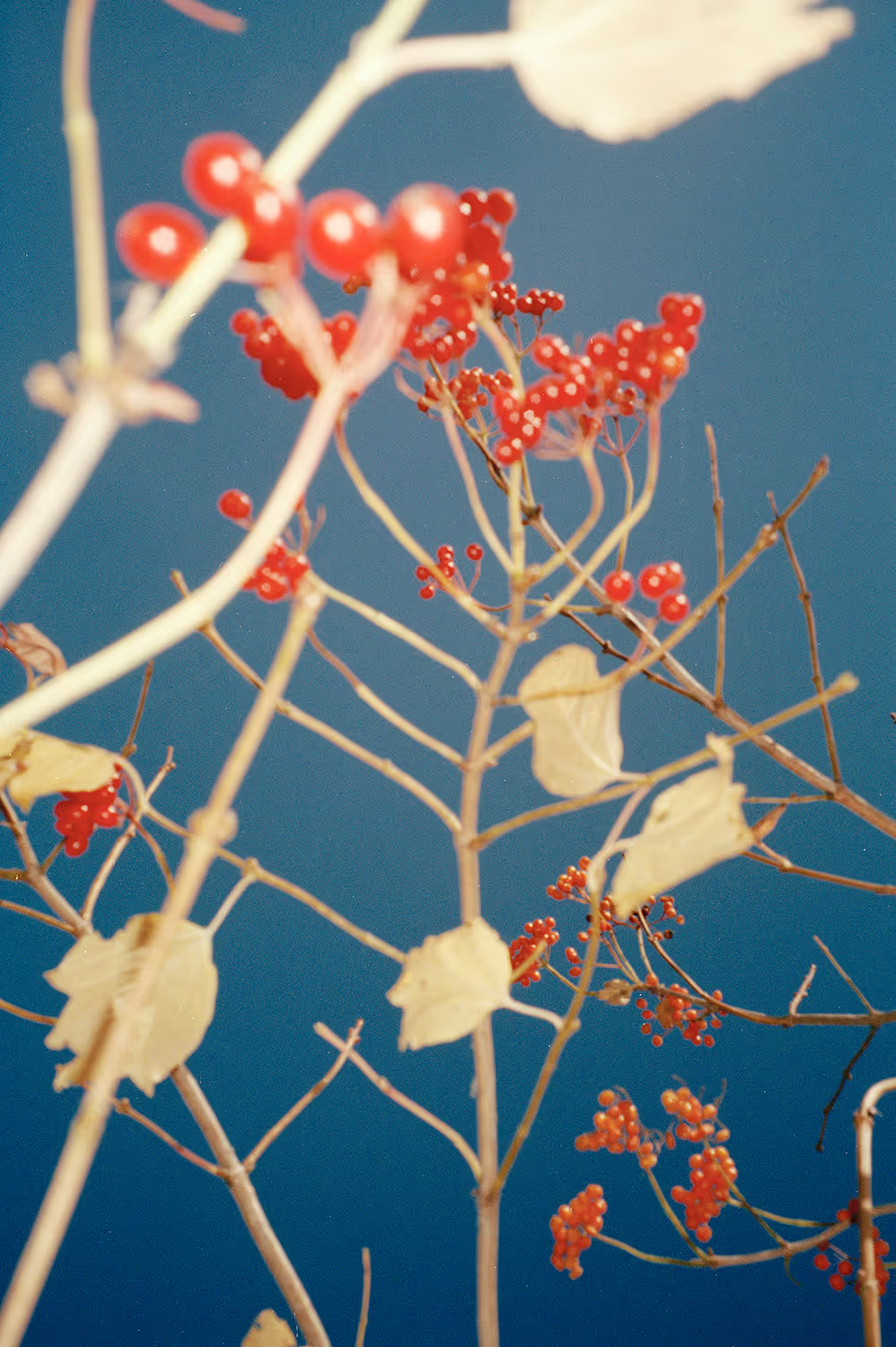
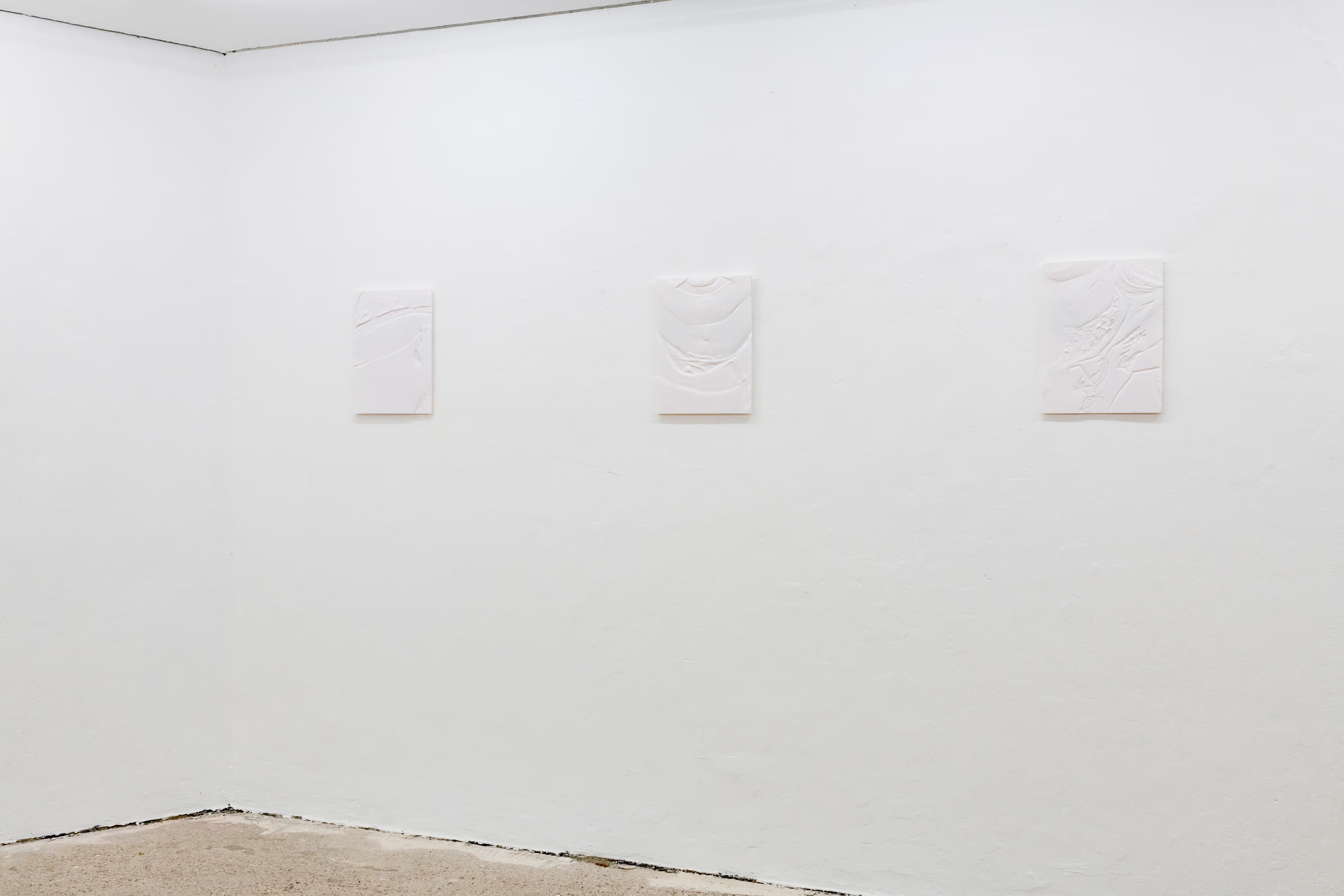
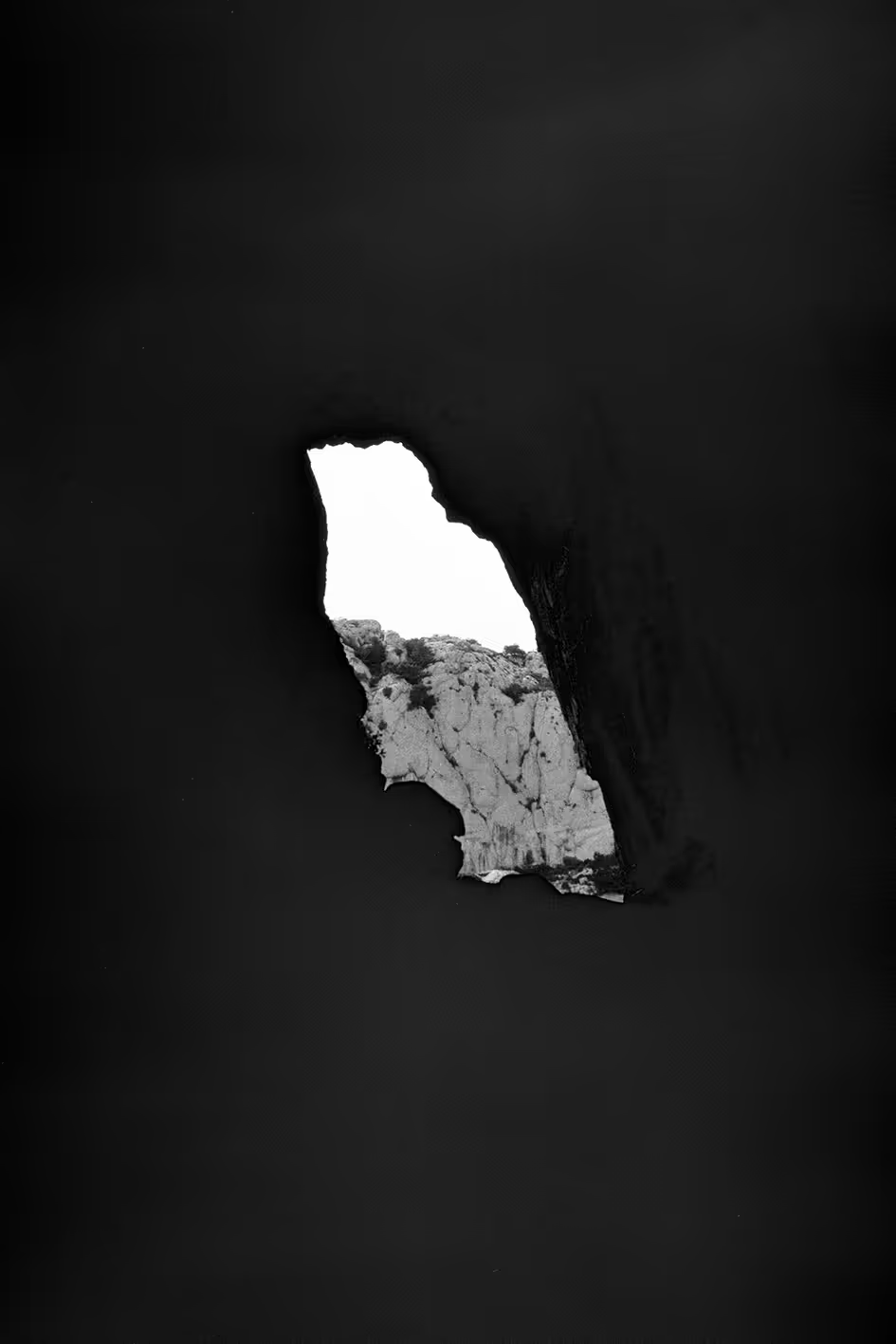
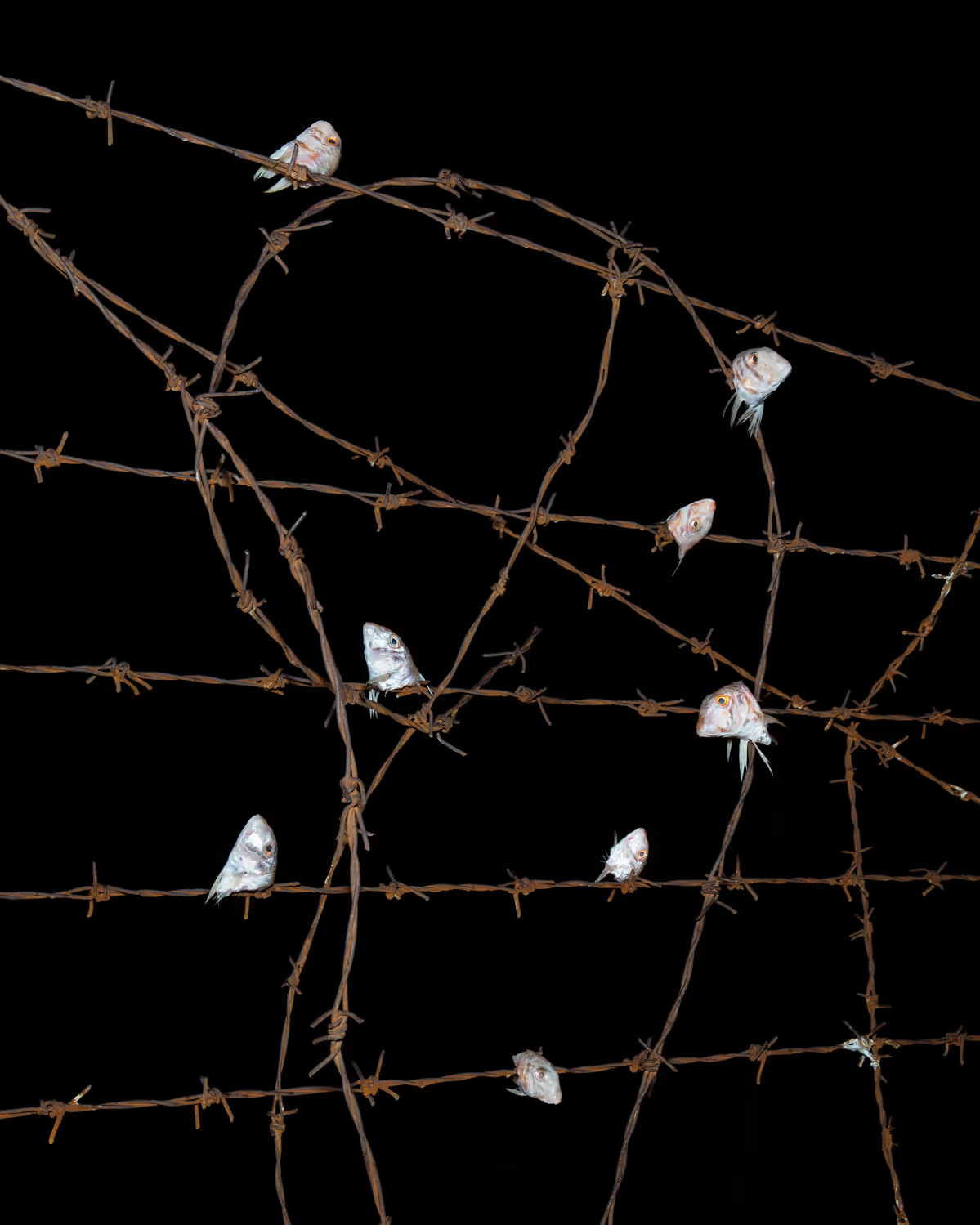
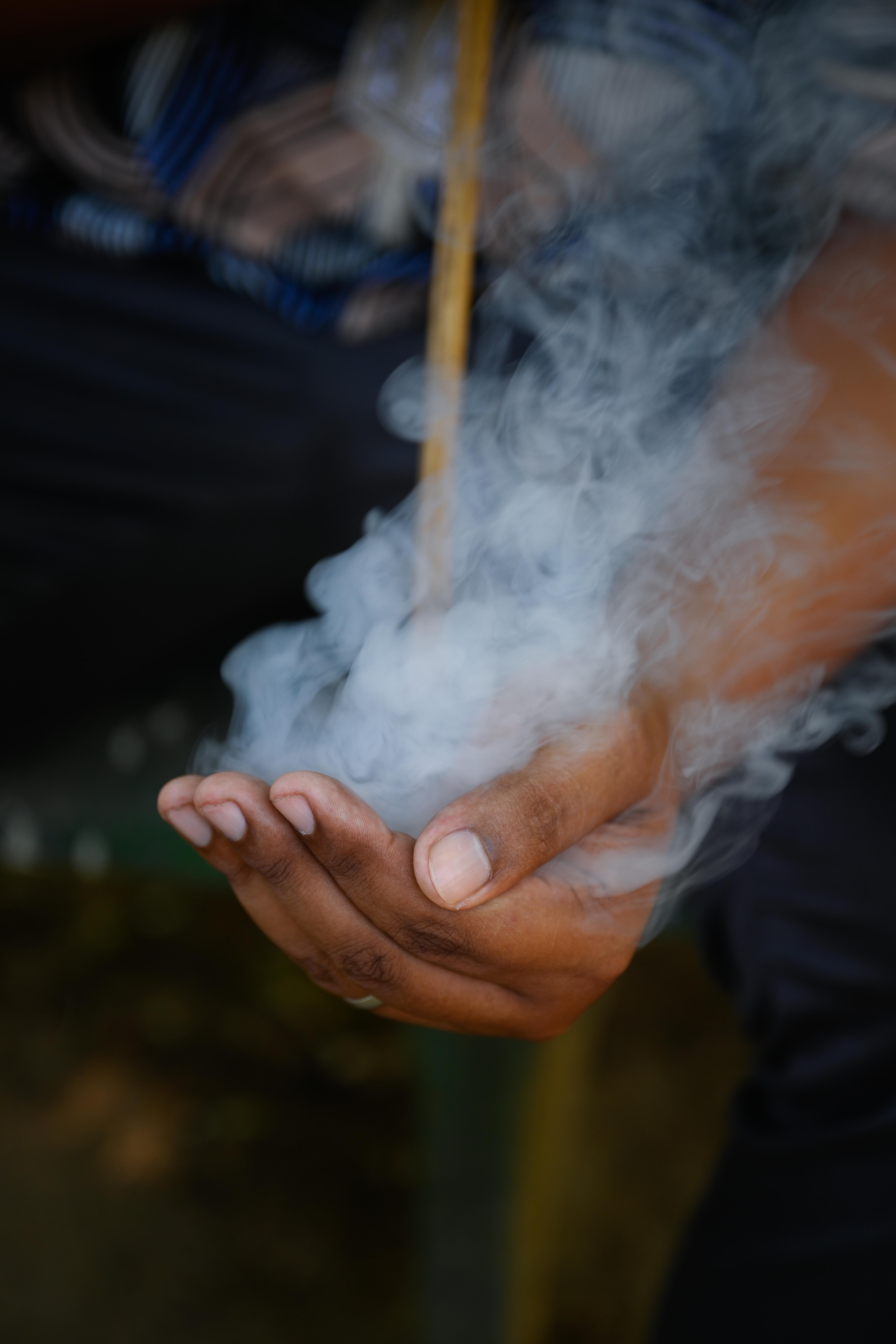
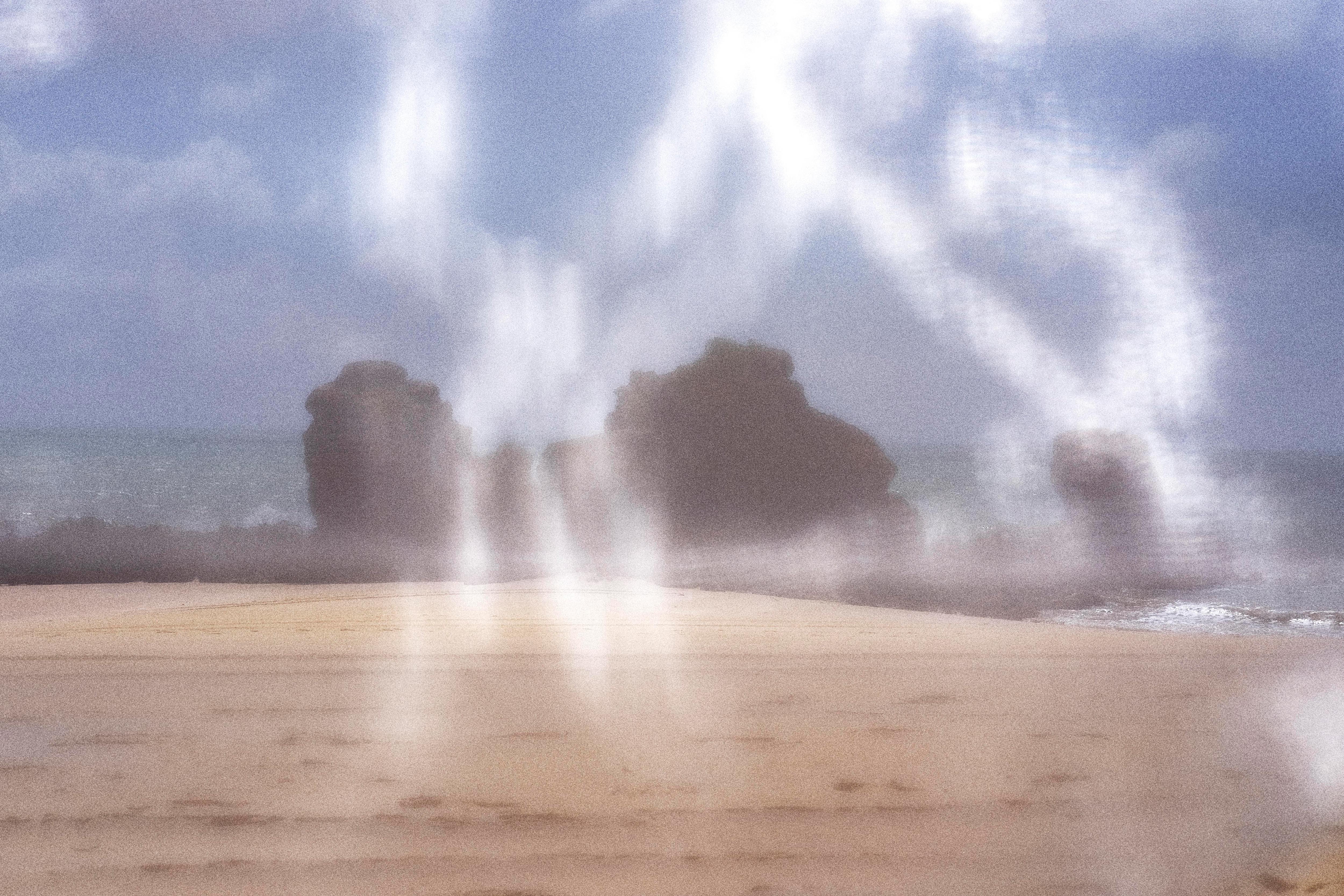
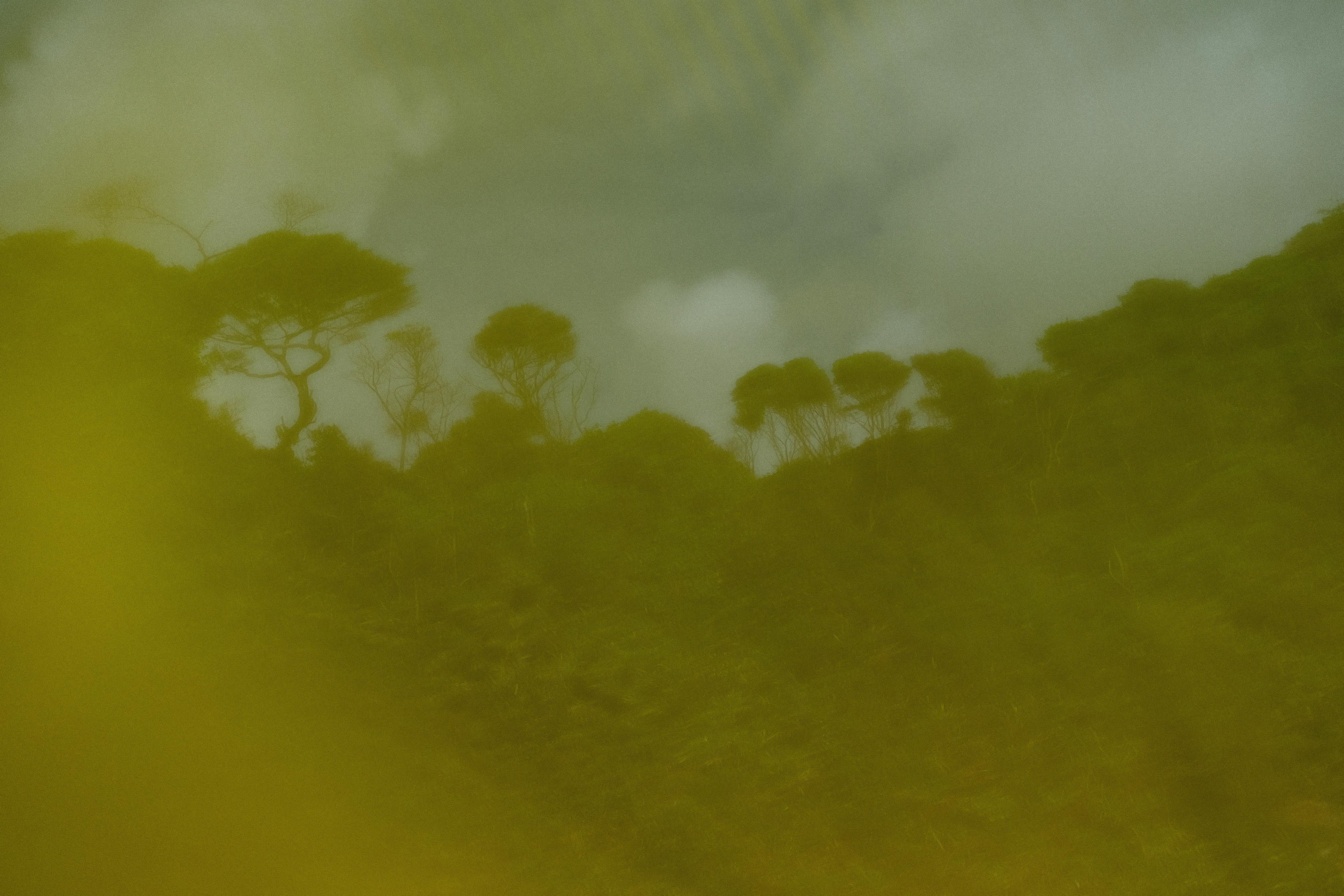
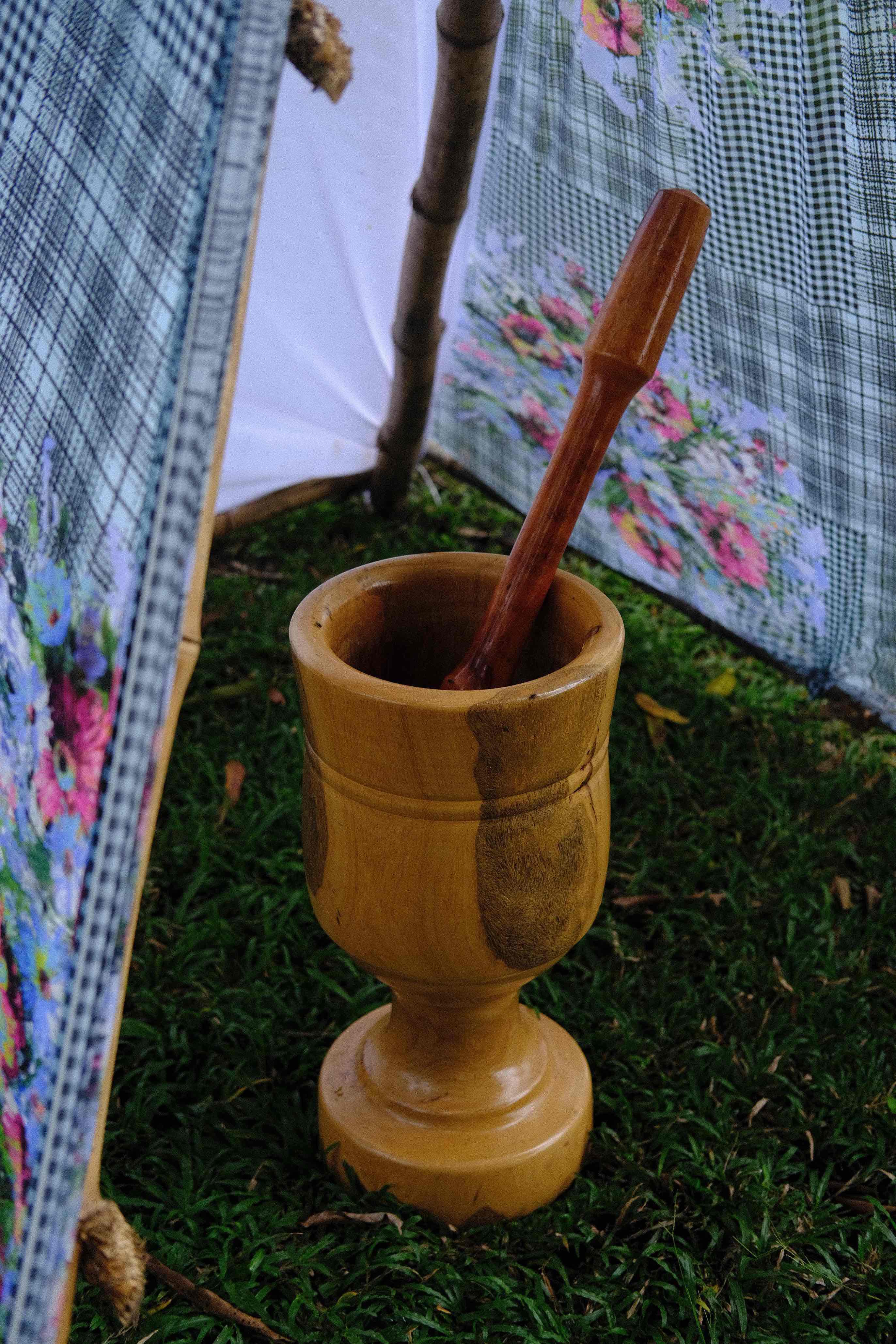
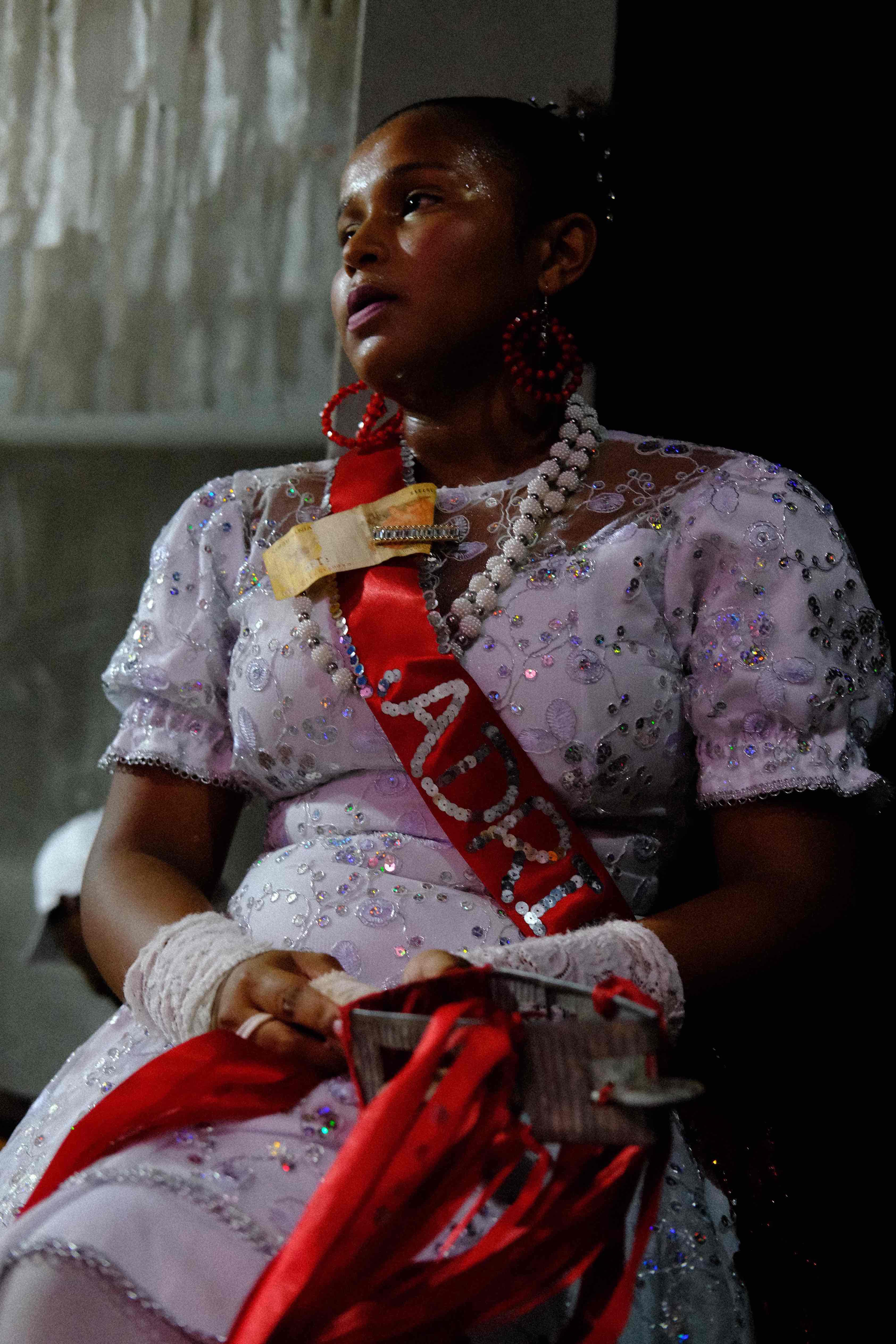
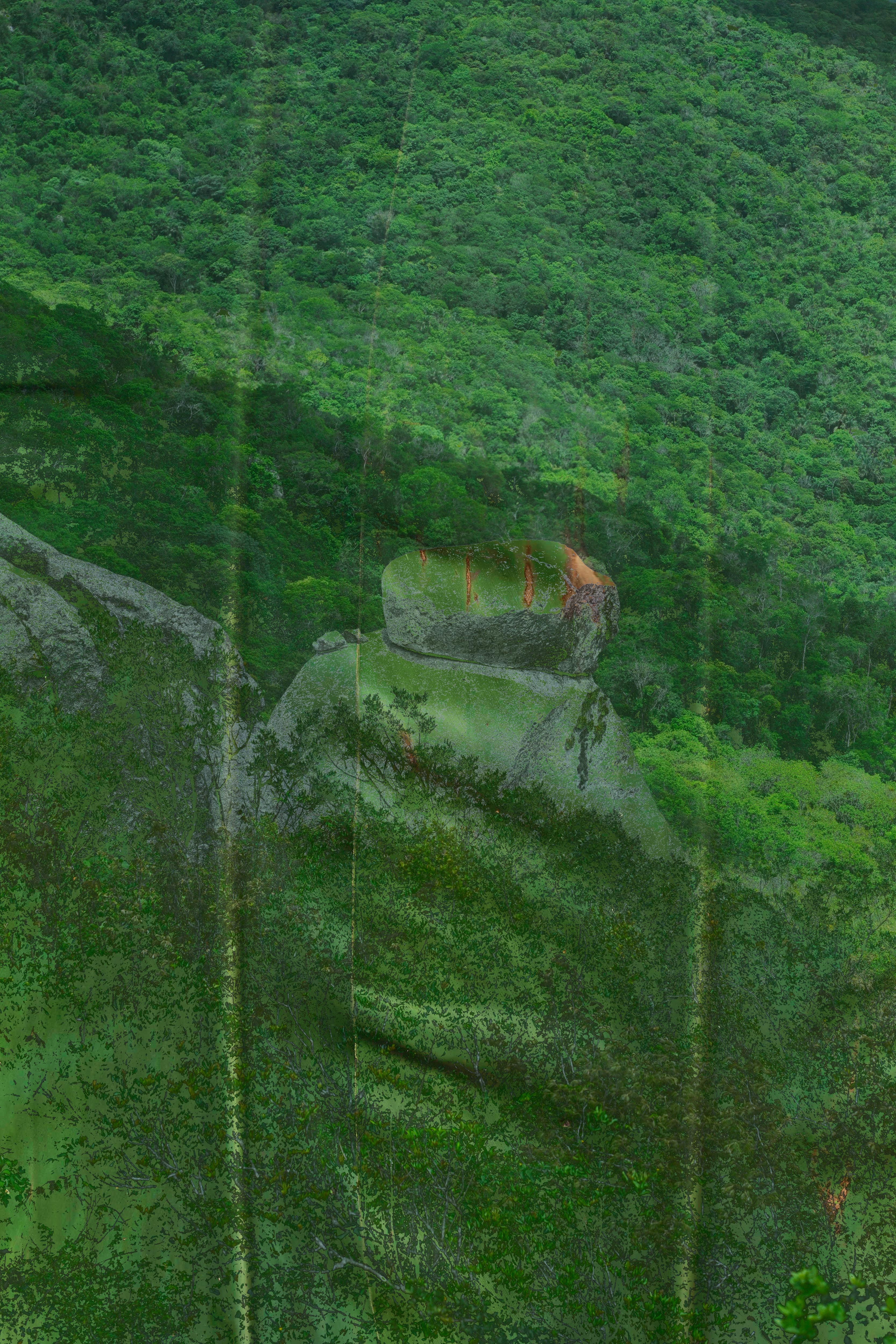
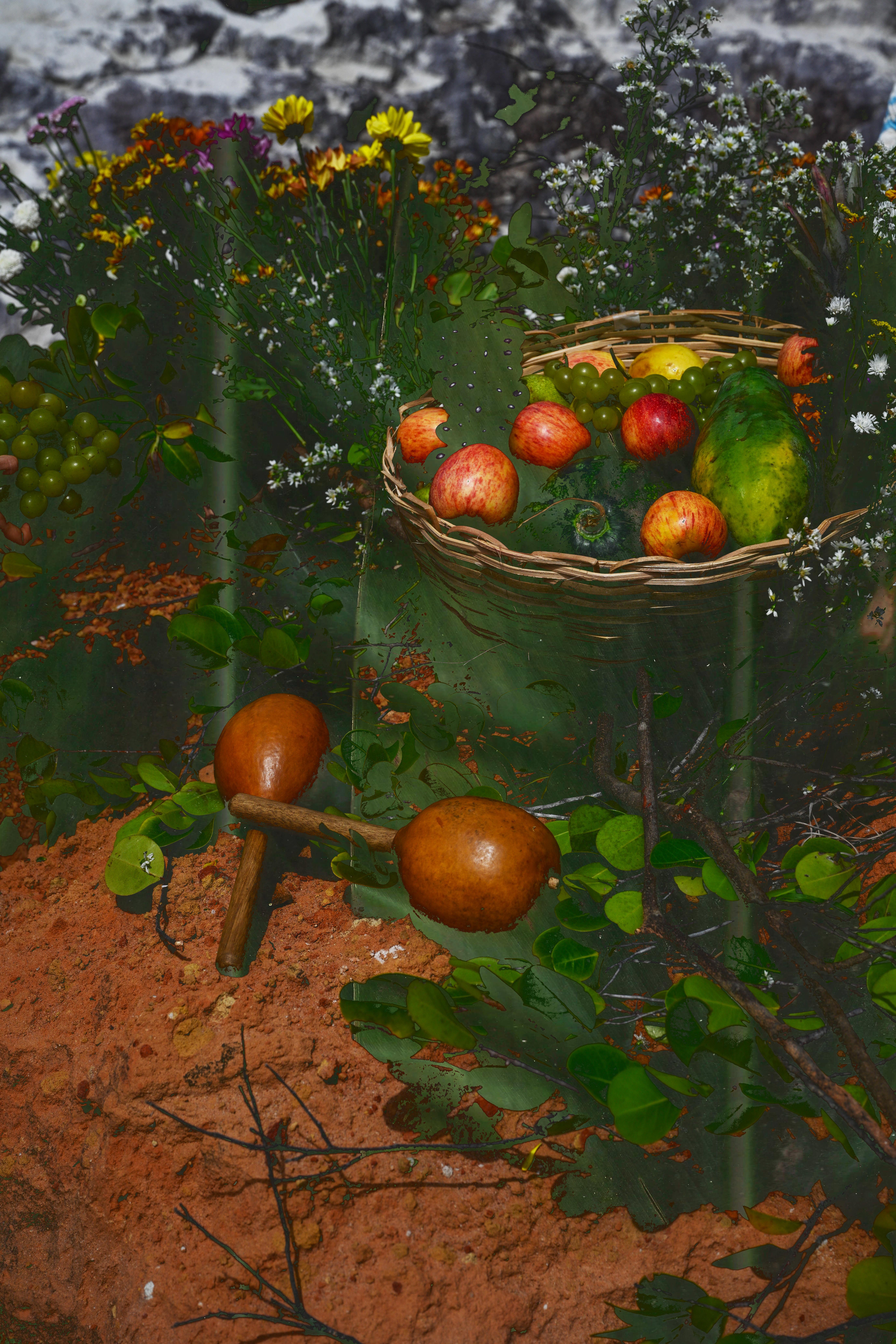
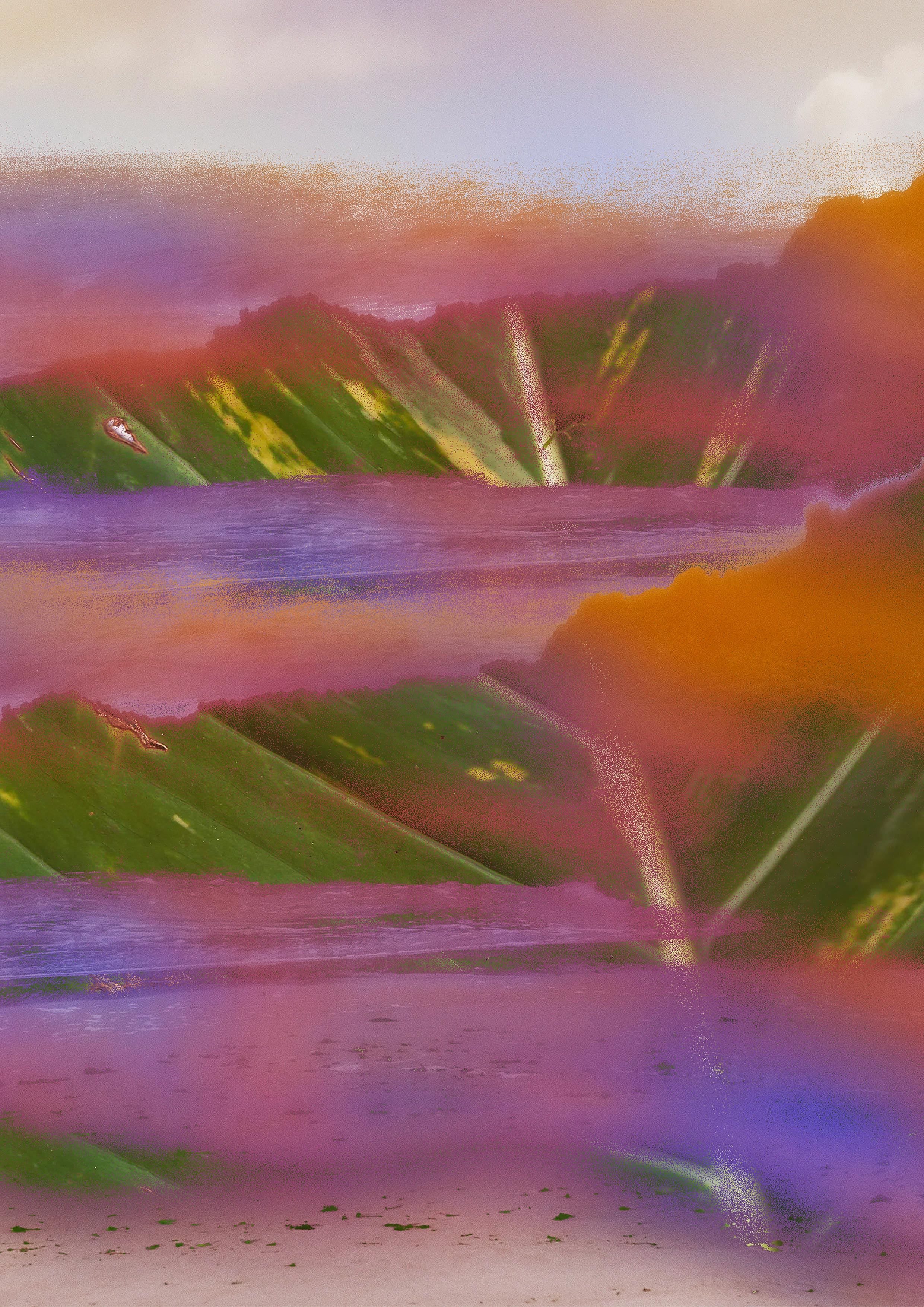
Through portraits, landscapes, objects, plants, and ritual traces, Os Encantados constructs a sensitive cartography of territories inhabited by invisible presences, surviving memories, and contemporary forms of resistance. The project questions what becomes of these cosmologies as territories transform, knowledge holders disappear, and the balance between humans, spirituality, and the environment grows increasingly fragile.
Situated between documentary practice and intuitive perception, Os Encantados seeks to make visible worlds often marginalized within dominant narratives of Brazilian identity. The project pays tribute to those who protect, transmit, and reinvent these living heritages, deeply rooted both in the land and in the invisible.


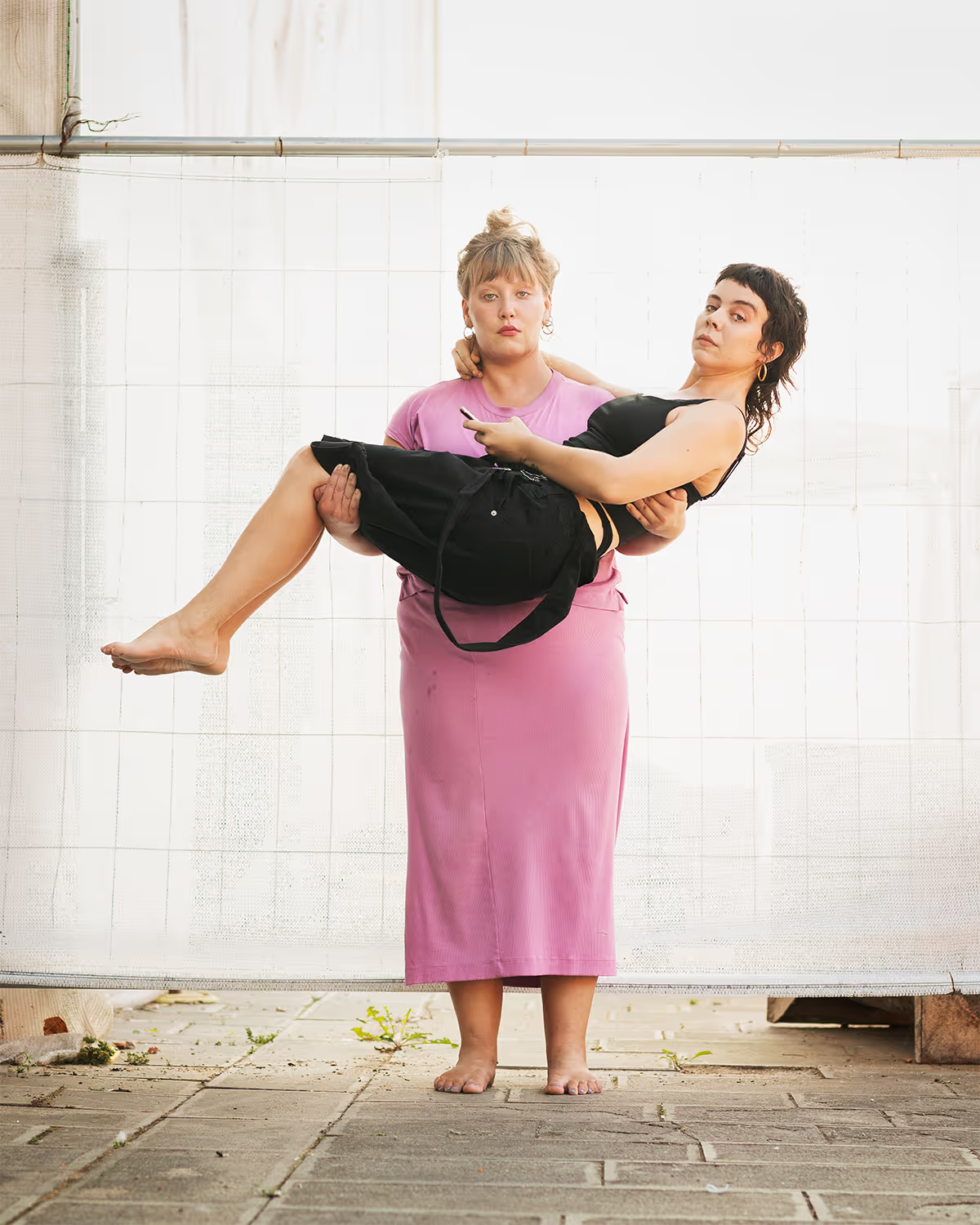
Romane Iskaria is a French photographer and artist based in Brussels, Belgium (1997). The photographer highlights the injustices and inequalities of invisible communities with a documentary and fictional approach. Her images, specific to “Care”, tell a story and allow her subjects to become aware of their painful stories. She creates a connection with these subjects that goes beyond the simple link between the photographer and her model.
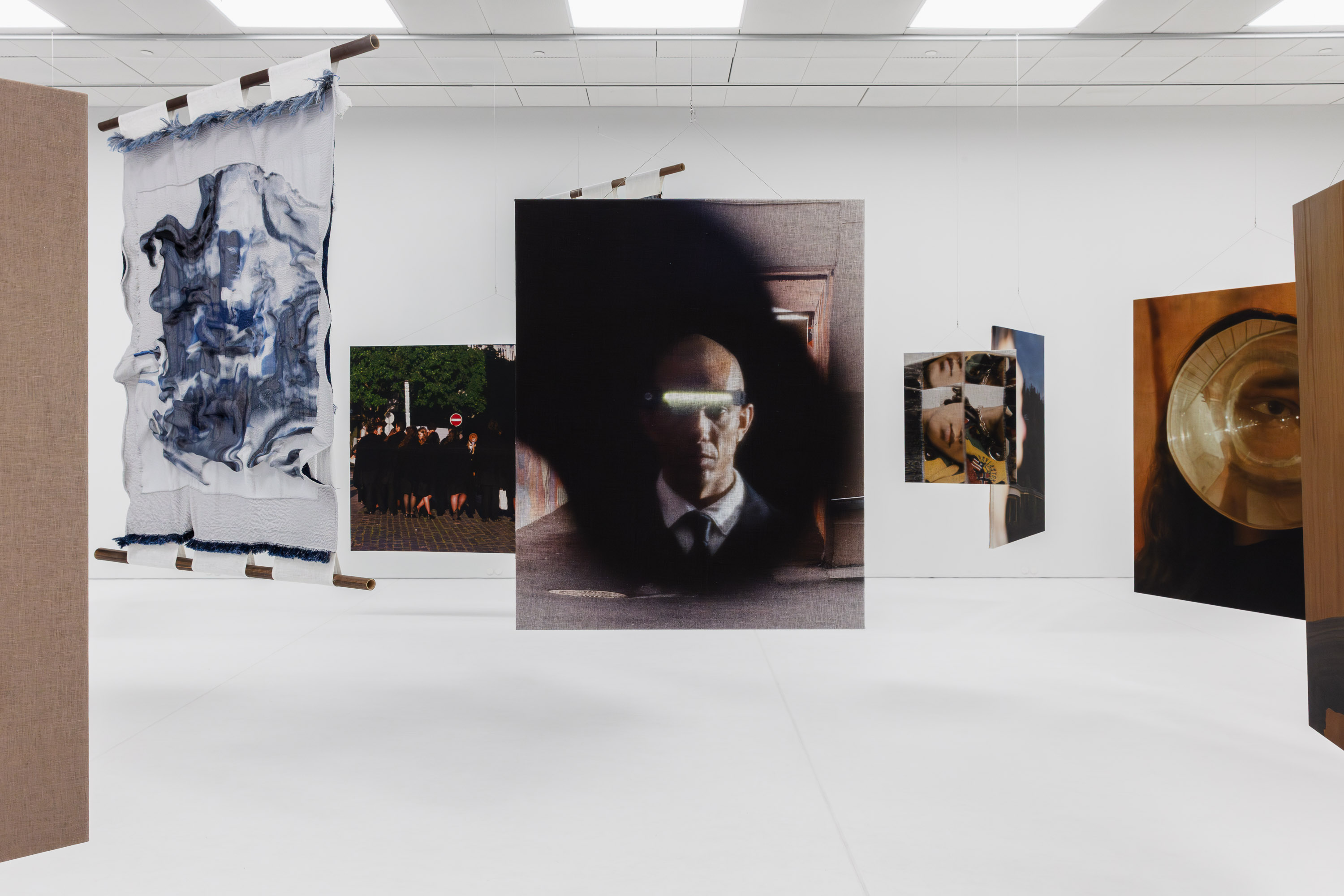
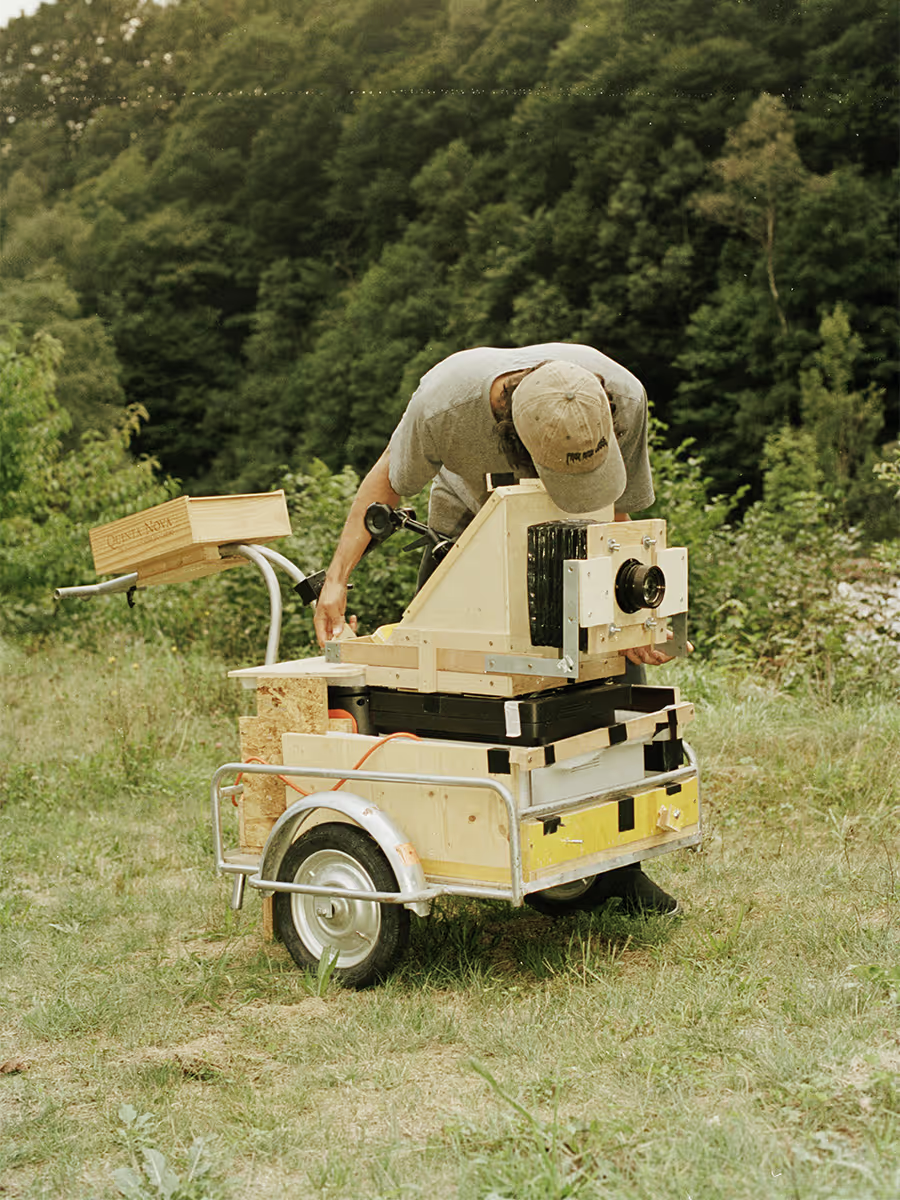
The artist uses photography and the field of video, but also textiles, sound, and sculpture to create immersive installations. She tells stories that take the form of a long-term investigation across several territories. Romane replays specific rituals and stories that also transcend borders, addressing questions around migration and exile. The photographer creates plastic forms allowing her to subvert the codes of documentary.
She graduated with a Master's degree in photography from ENSAV La Cambre in 2022 and a DNA (National Diploma in Plastic Arts) from INSEAAM Beaux Arts in Marseille in 2018. She also completed an exchange at the U-LAVAL Visual Arts school in Quebec, Canada. Romane is laureate of TIFF 2024 Emerging Belgian Photography, by FOMU Fotomuseum Antwerpen and the european platform FUTURES Photography. Her work has been shown in solo and group exhibitions: in the United States (ART-ARK Gallery in San Jose, California; Assyrian Policy Institute in Washington, D.C.), in Brazil (João Pessoa Paraíba Nordeste Art Gallery of the Energisa Institute), in France (Circulation(s) Cent-Quatre Festival in Paris, Lille Art-Up Centre Photographique in Lille, La Grande Vitrine Gallery in Arles, HLM Gallery in Marseille), in Belgium (FOMU Fotomuseum Antwerp, S.M.A.K Museum in Ghent, House of European History Brussels, TAMAT Museum in Tournai, BPS22, Art-Brussels Off, Prix Médiatine, Hangar Art Photo Center, TICK-TACK Gallery, Tiny-Gallery, Fondation Carrefour des Arts), in Armenia (French Consulate in Yerevan), in Italy (L’Asilo in Naples), and in the Netherlands (Flemish Cultural Center). Brakke-grond, Noorderlicht Festival). Romane was selected as part of the call for projects launched by Polka Magazine and Kickstarter for the creation and support of an artist's book, with the self-publishing of her first work, "Assyrians," in a print run of 300 copies in 2022. The book "Assyrians" was also a winner of the Belgian Photo Books selection, presented at the Rencontres d'Arles in July 2022.