Karst
Gaëlle Delort
Nominated by
Centre photographique Rouen Normandie
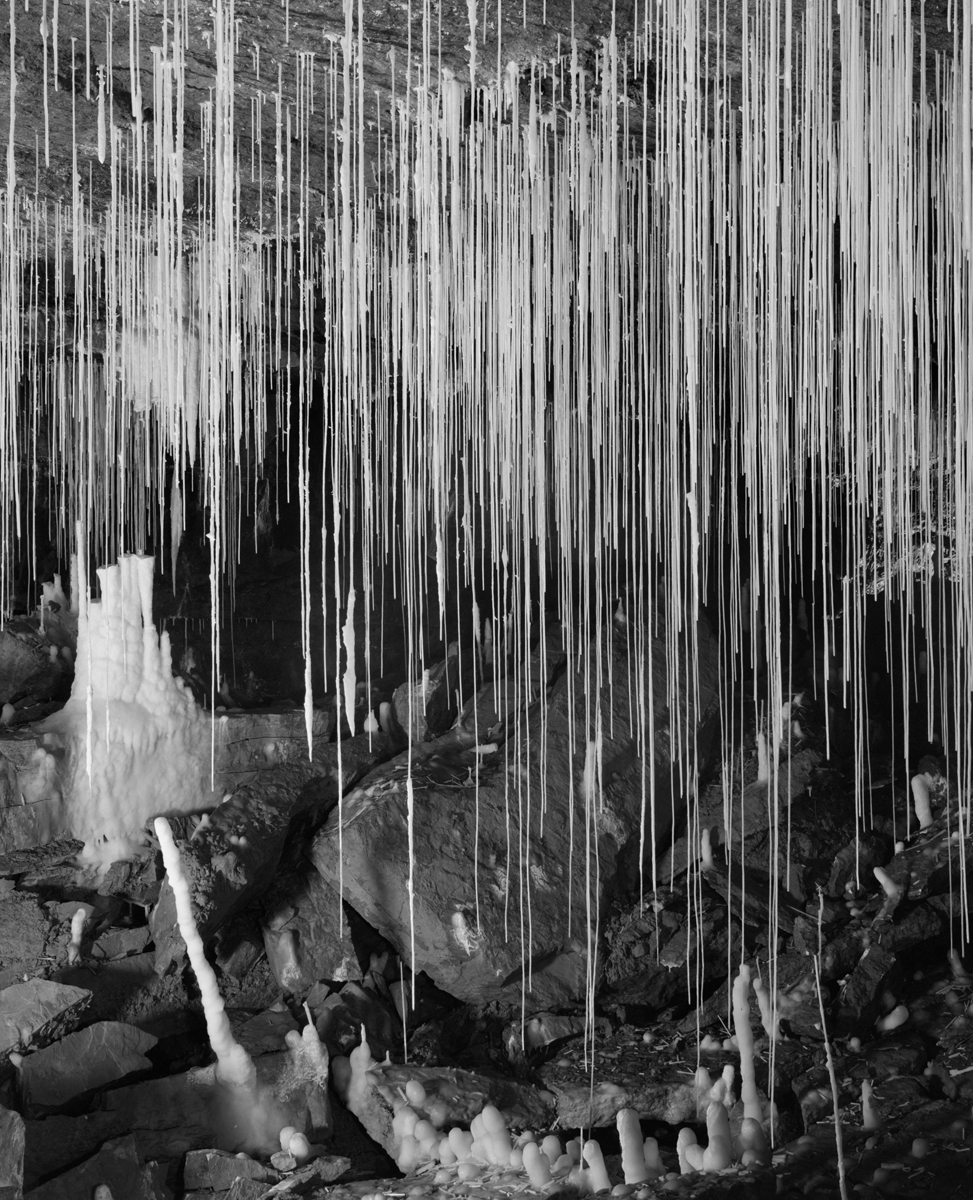
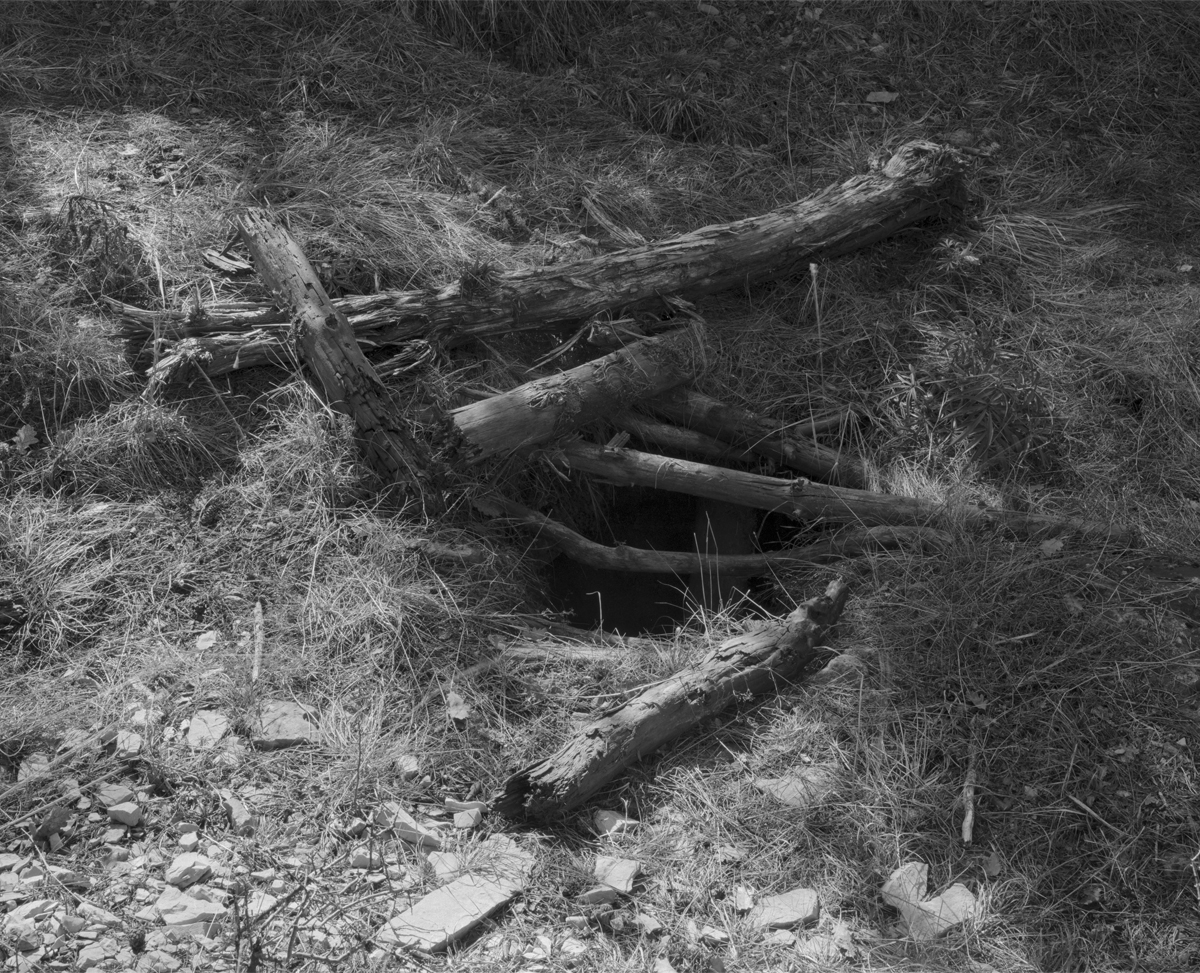
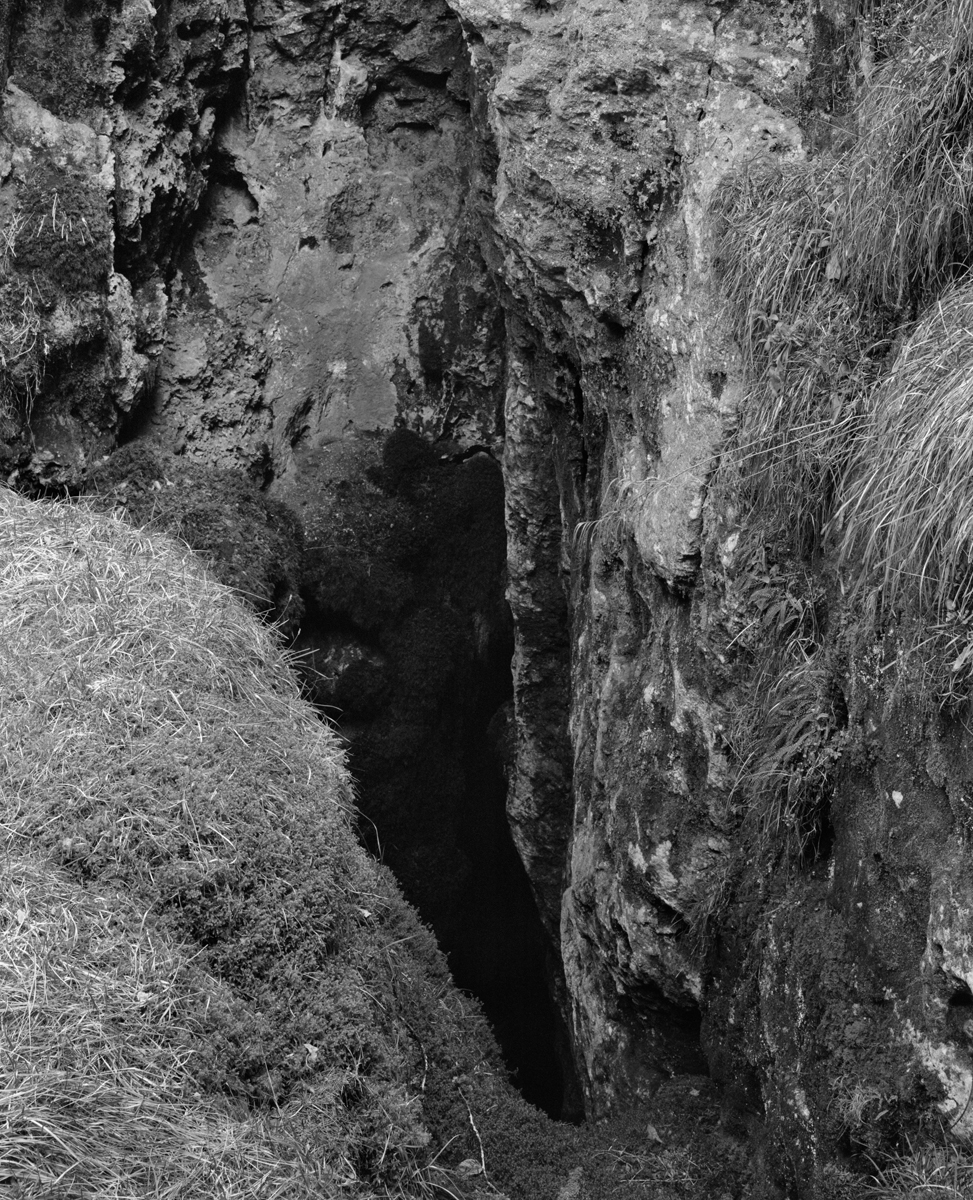
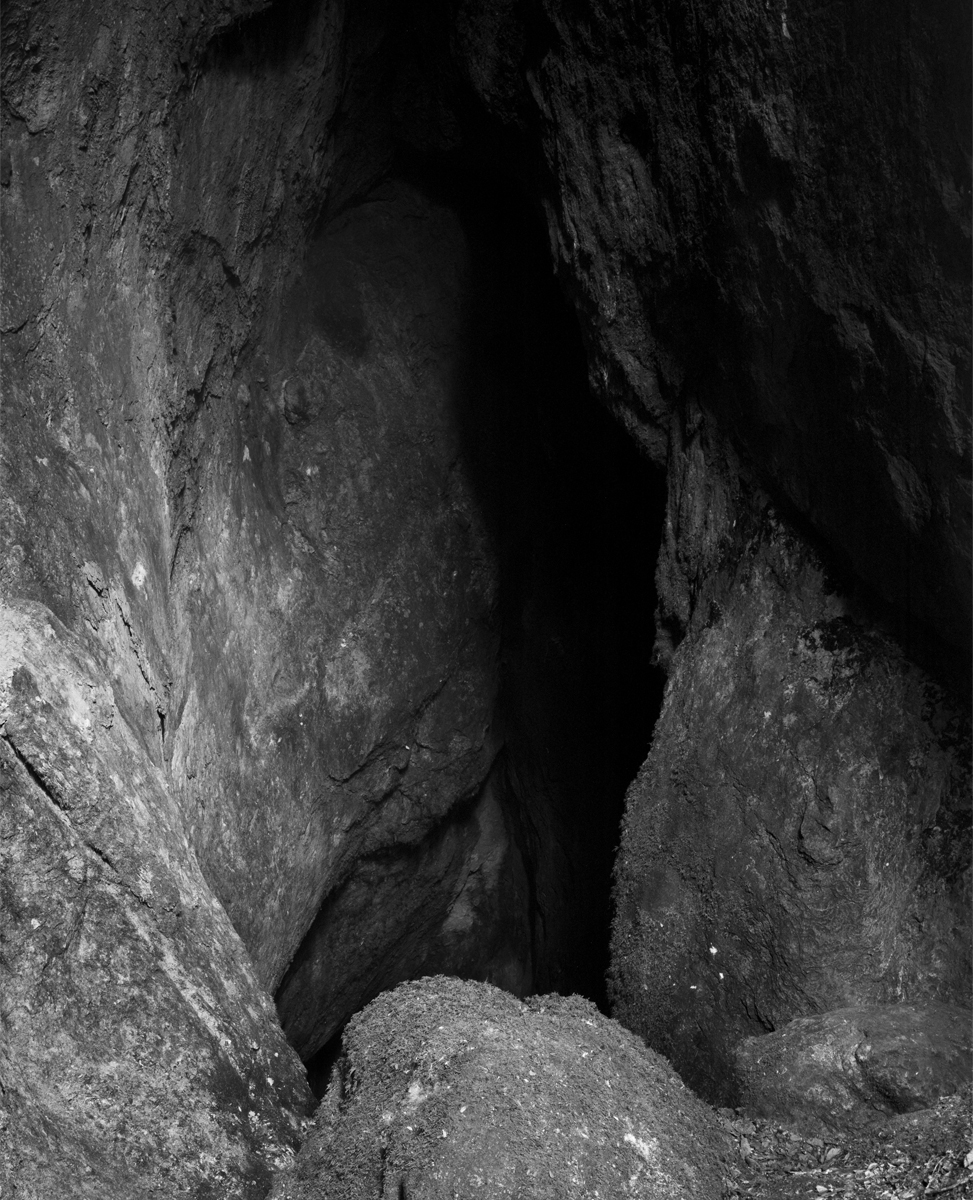
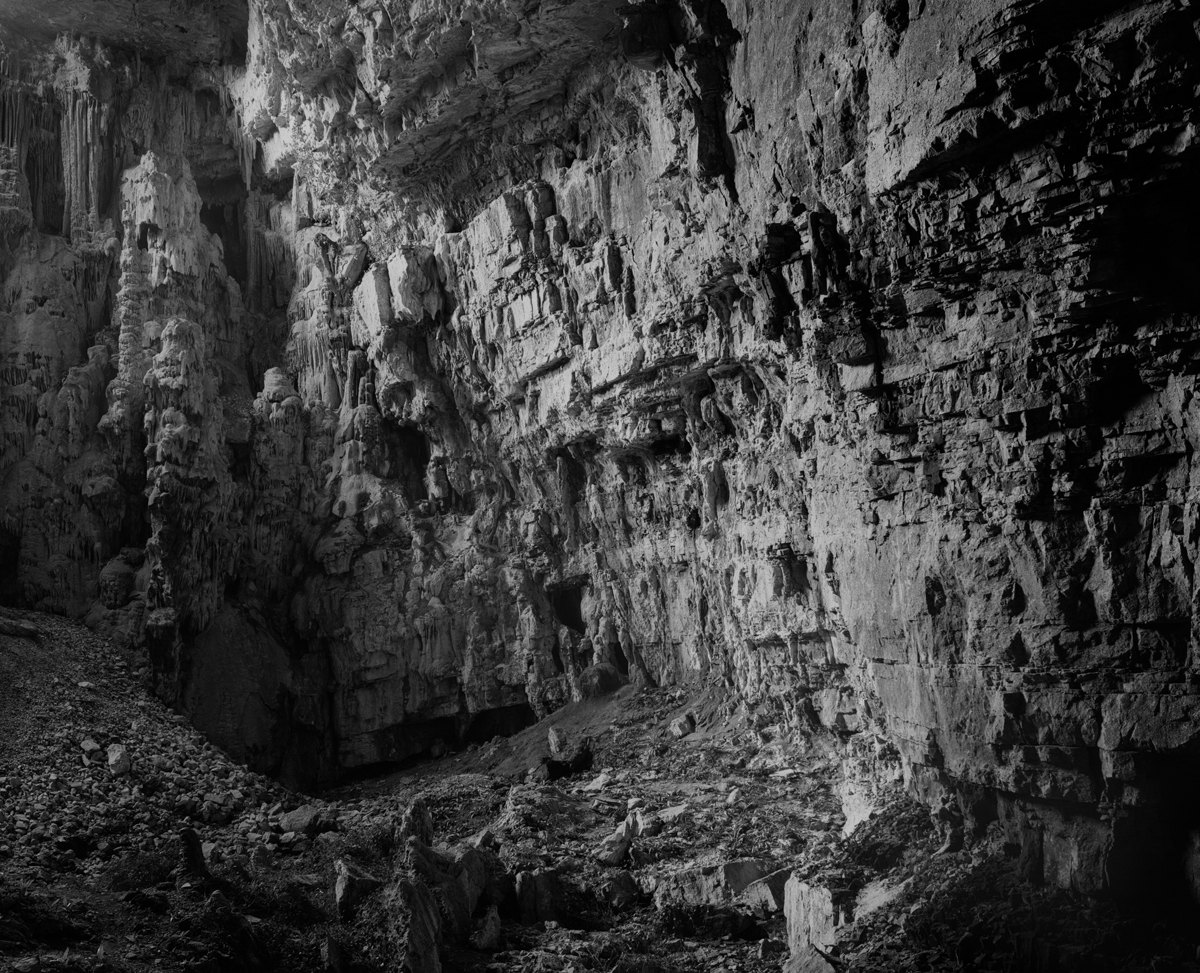
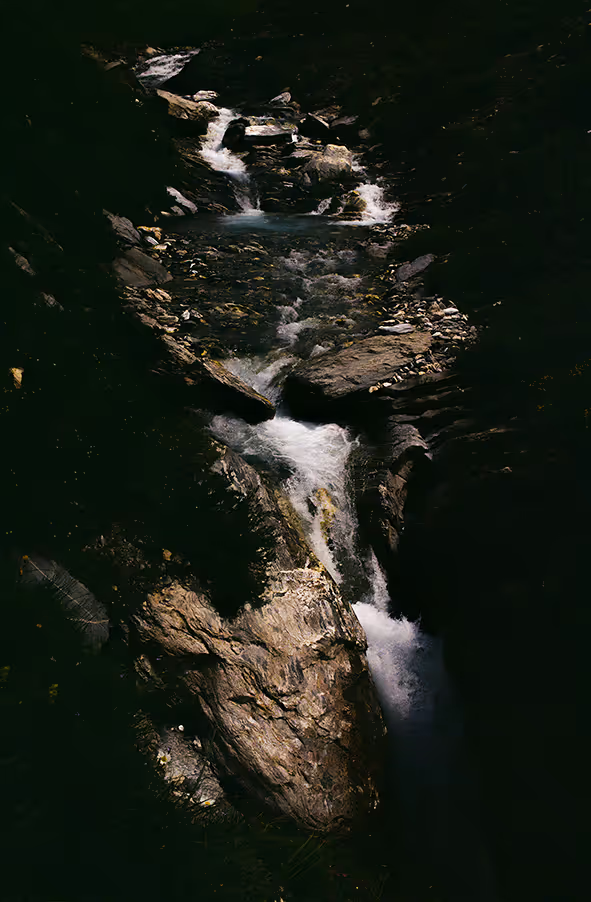
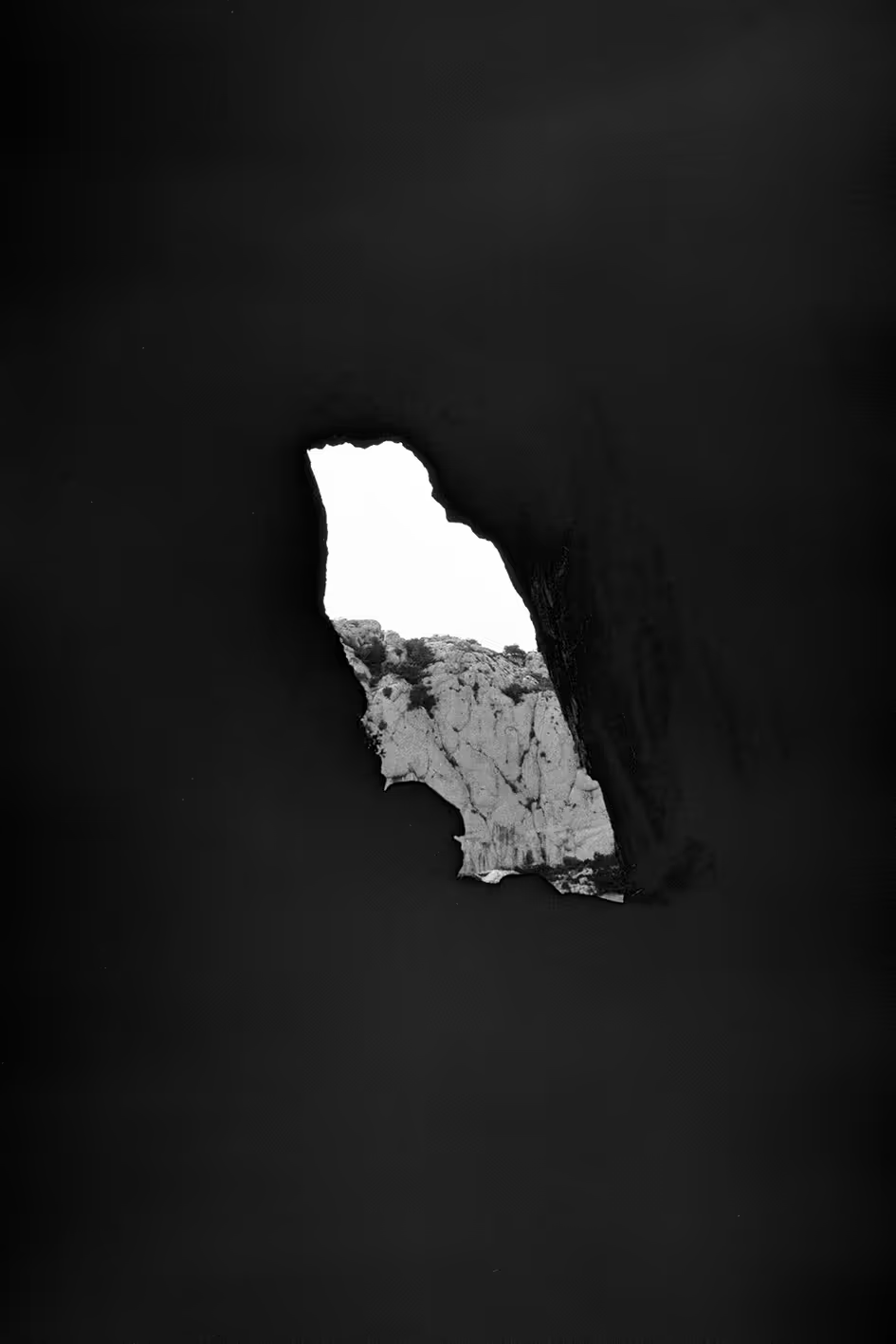
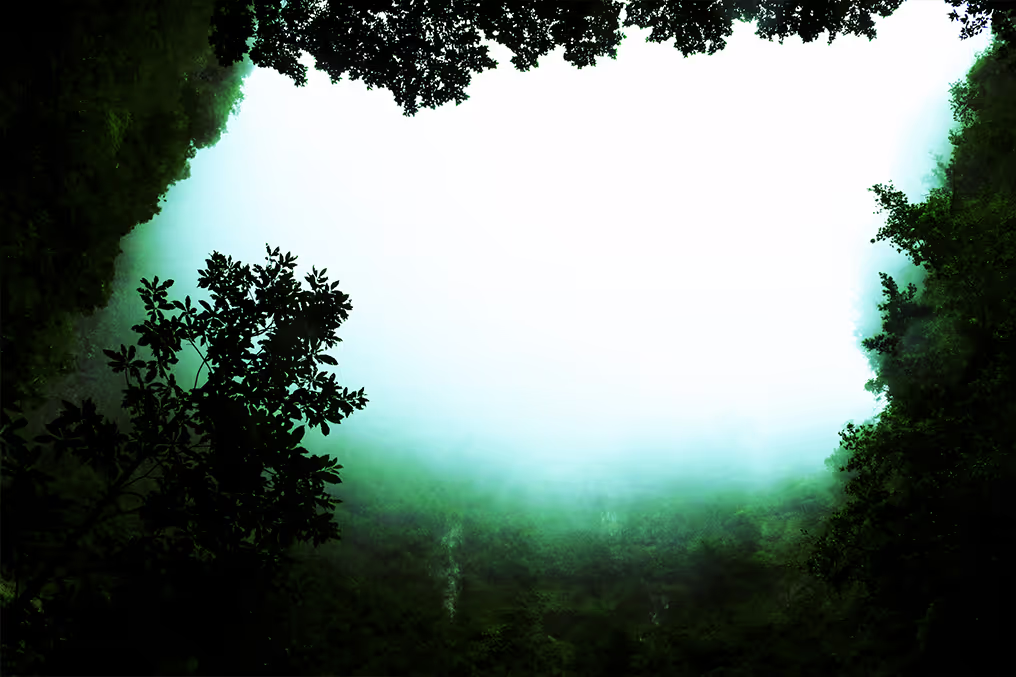
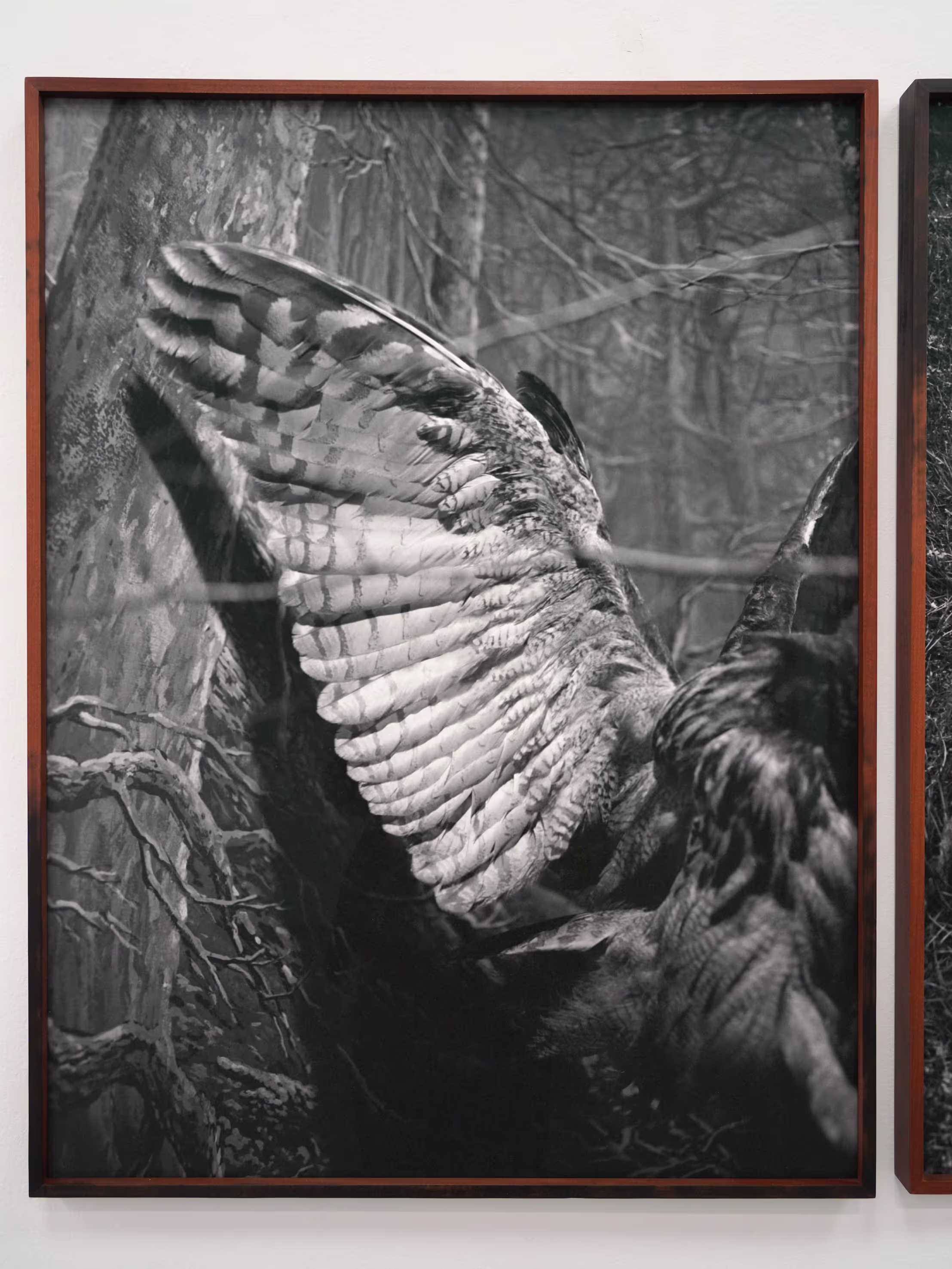
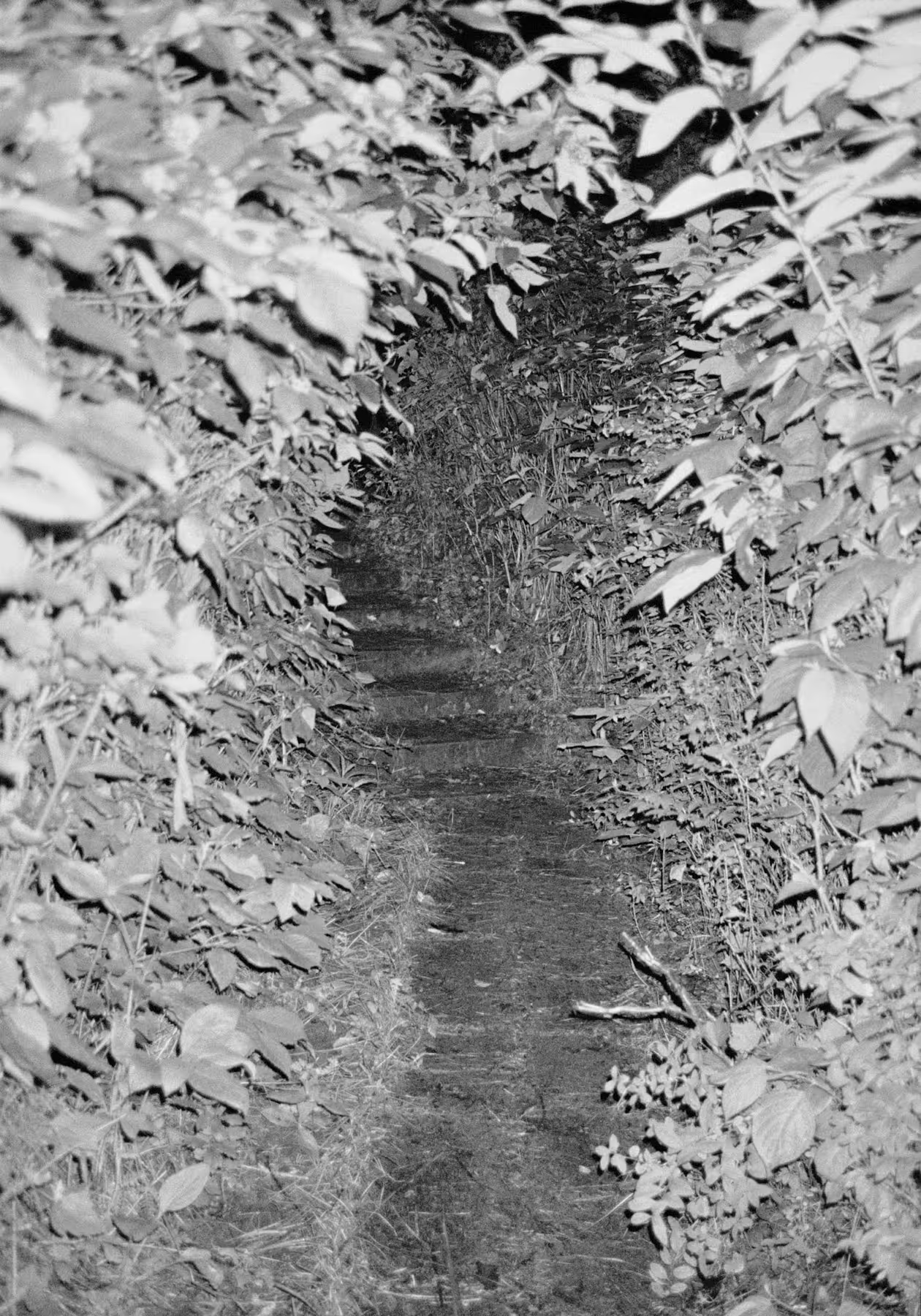
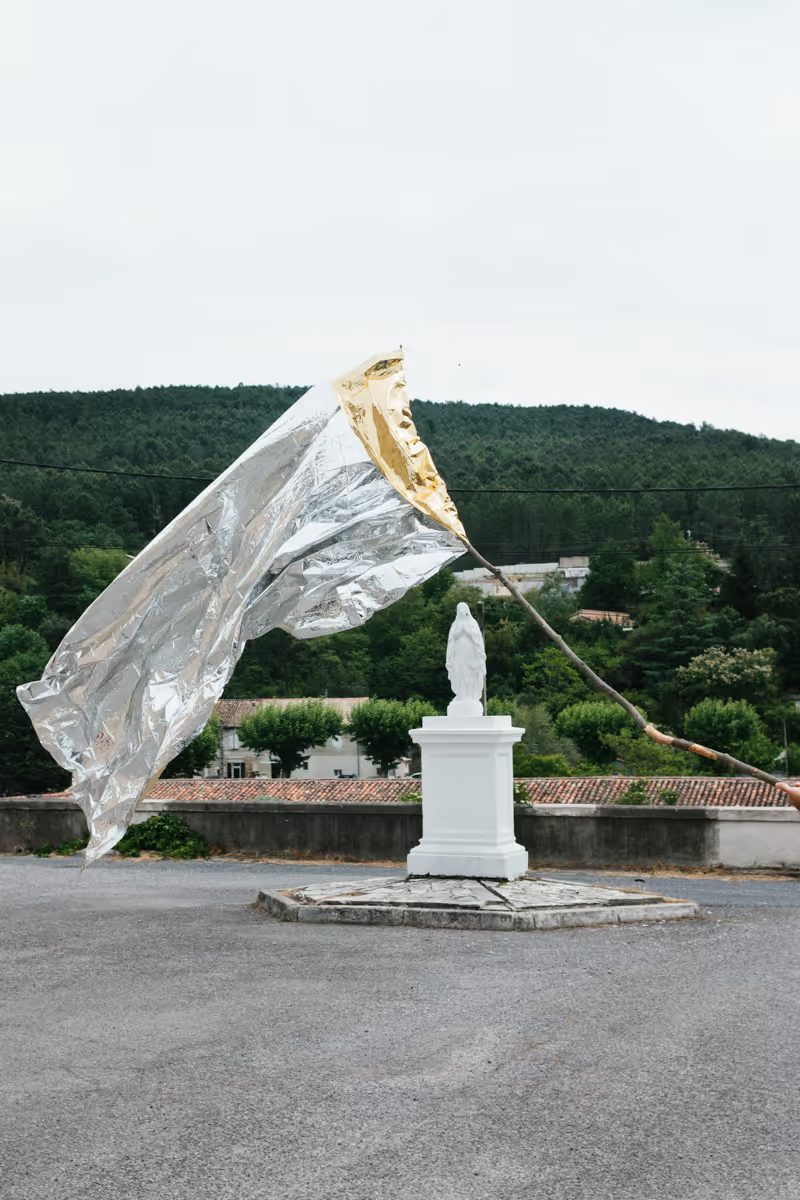
South of France’s Massif Central lie the limestone plateaus that form the Grands Causses region. Bordered by the deep valleys of the Tarn and Jonte rivers, the Causse Méjean is the highest of these plateaus. Its distinctive landscape, known as karst, is marked by the mechanical and chemical erosion of limestone rock. Water seeping through cracks in the surface of the plateau has created a unique topography, characterised by surface phenomena and an extensive network of underground cavities.
These cavities, known locally as avens (or sinkholes), are chasms that open up in the ground. Varying in depth and appearance, they are mostly difficult to access, as they take the form of a vertical shaft over all or part of their length. Explored since Neolithic times for the resources they contain (water, calcite, clay), and once considered the entrance to Hell in a land where Catholicism predominated, these abysses and their exploration were brought to light in the 19th century by a young lawyer with a passion for geography. At the end of the century, when photography was invented, Edouard-Alfred Martel and his collaborators carried out numerous explorations in the Causses Majeurs region, thus contributing to its development as a tourist destination and to the foundation of modern speleology.
No items found.
The Artist

Gaëlle Delort
Nominated in
By
Centre photographique Rouen Normandie
Lives and Works in
Causse Méjean, in Lozère, France
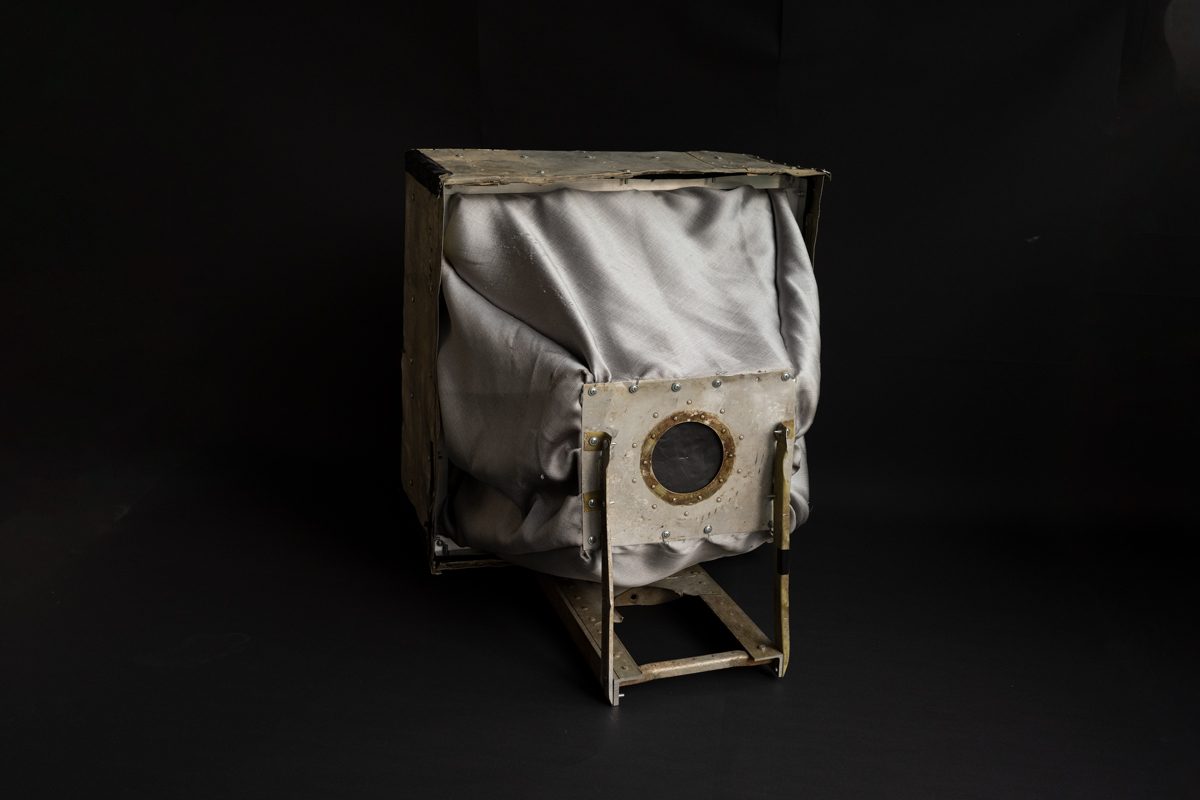
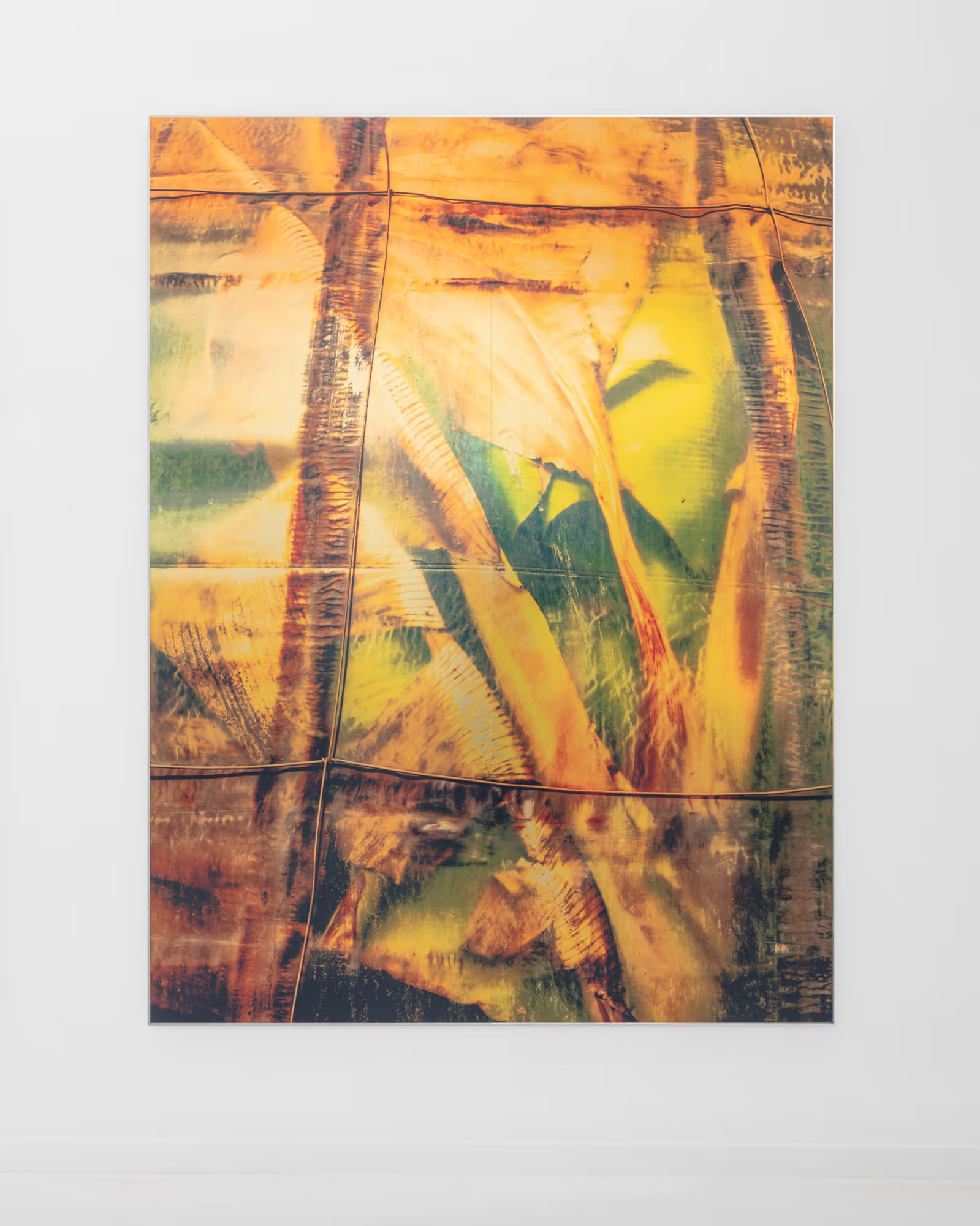
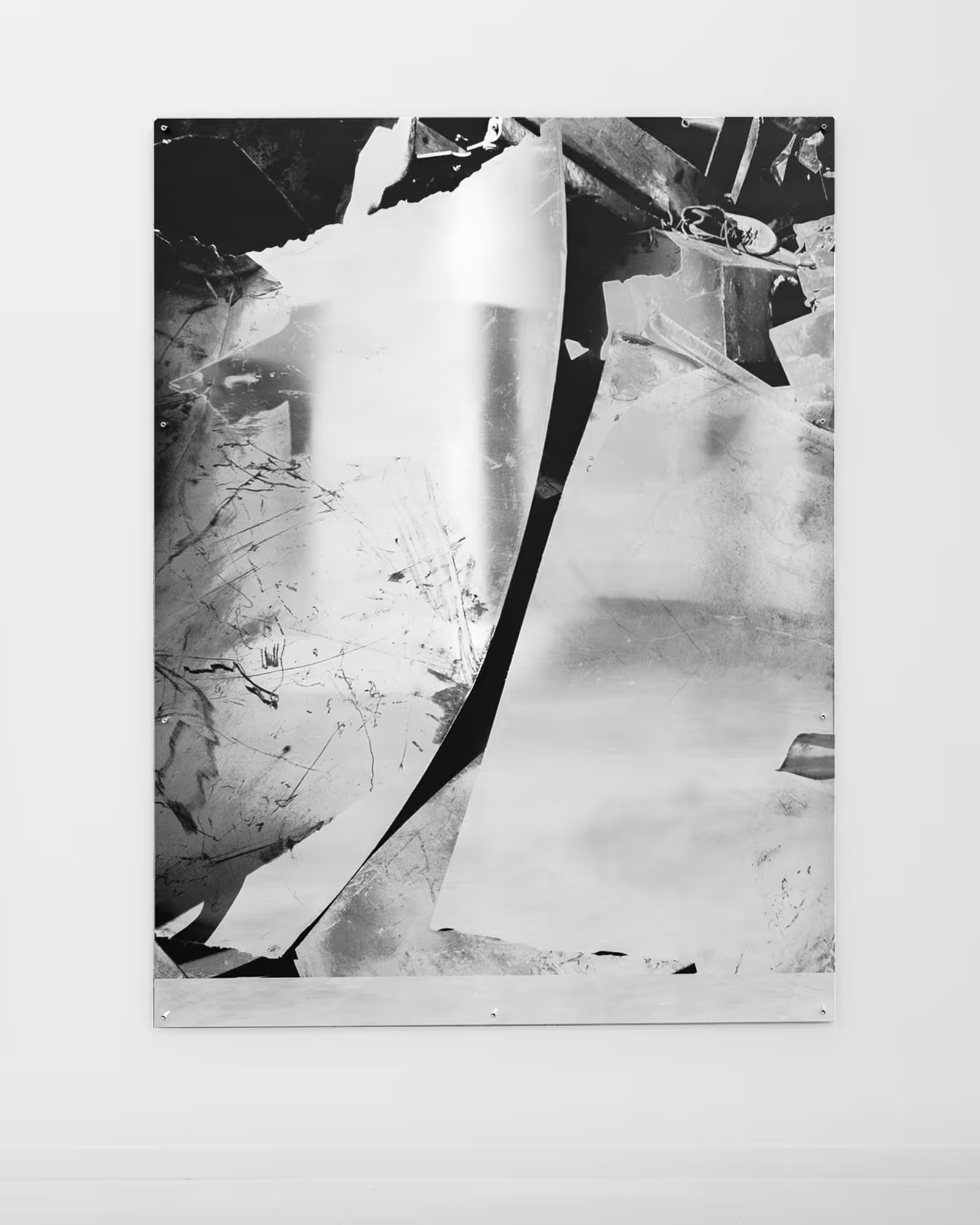
Gaëlle Delort's photographic work is based on field research, informed by geomorphology, anthropology, literature and architecture. By collecting clues that make up the depth of a place and its landscapes, she explores the resonances between human and geological temporalities, playing on the tension between the depth of the world and the surface of images. Working mainly with a large-format camera, her practice echoes the temporalities of the geological phenomena she observes. She describes her approach as photographic infiltration, indicating a way of working with the territory. Since 2020, she has been combining her practice with caving. Her photographic, editorial and installation work explores the conditions under which images appear and the perception of landscapes.
Gaëlle Delort was born in Aurillac in 1988 and graduated with honours from the École Nationale Supérieure de la Photographie in Arles in 2022. She lives in Causse Méjean, in Lozère (France).
More projects by this artist
2024
Développements (Developments)
In photography, development refers to the process of transforming a latent image into a visible image. In caving, development corresponds to the cumulative length of the interconnected galleries in an underground network.
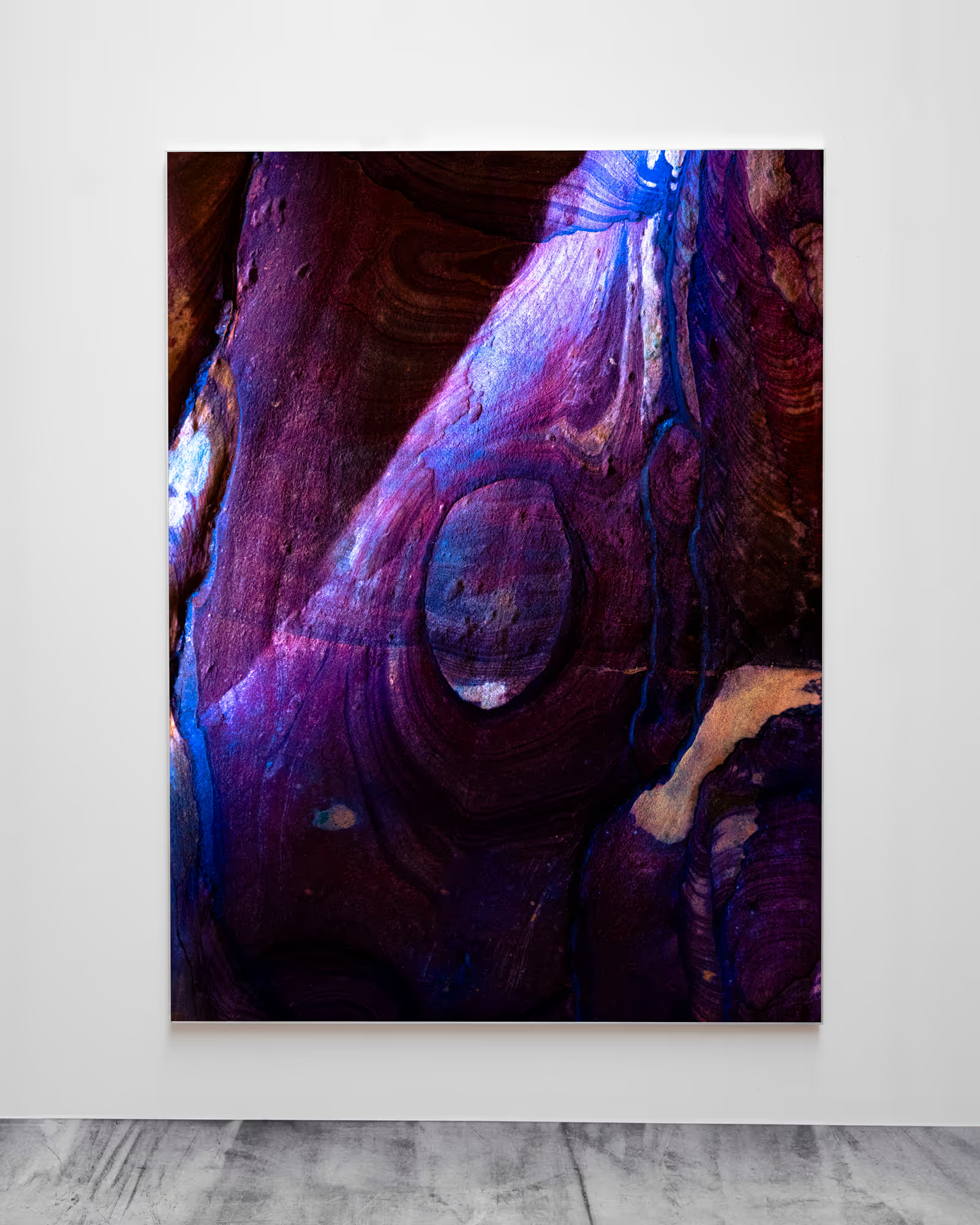
What can we see underground? What shapes can we recognise, and what stories do those that are still unknown to us tell? Through the exploration of a dozen natural cavities in the Occitanie region using a large-format film camera, and thanks to the insights and tools of geomorphologists, geologists, hydrogeologists and geoarchaeologists, Développements invites us to think of underground environments as infinite laboratories of visions, which continue to reveal the archives of the history of the Earth and its inhabitants.
Work conducted in collaboration with scientists from the GET (Geosciences Environment Toulouse) and TRACES (Archaeological Research on Cultures, Spaces and Societies) laboratories, the SETE (Theoretical and Experimental Ecology Station) - CNRS in Moulis and the BRGM (Bureau of Geological and Mining Research) Occitanie.
Similar projects by everyone else











%2520se%2520elas%2520houverem%252C%2520a%2520gente%2520vai%2520tira%25CC%2581-las%25E2%2580%259D_001.avif)








Newsletter